REVIEW · HONOLULU
Hawaii Volcanoes National Park Experience from Oahu
Book on Viator →Operated by Aloha Sunshine Tours · Bookable on Viator
Lava, coffee, and black sand in one day. This Oahu-to-Big-Island trip strings together Hawaii Volcanoes National Park with classic Kona stops, so you get geology and local flavor without worrying about a rental car.
I also love the human touch. Your local guide brings the story to life as you move between places, and guides like Mel and Henry have earned standout praise for combining science, Hawaiian culture, and real-time on-the-ground guidance.
One catch: it’s a full, long day with plenty of time in the van. Pack layers and sturdy closed-toe shoes, because weather and footing can change fast on this route.
In This Review
- Key highlights worth getting excited about
- The Big Island loop from Oahu: what you actually get
- Flights plus ground transport: comfort and timing basics
- Greenwell Farms: Kona coffee with real volcanic roots
- Manuka State Wayside Park: a quiet trail break on Mauna Loa
- Punaluʻu Bake Shop lunch: where the day gets tasty
- Punaluʻu Black Sand Beach: sea turtles and volcanic drama
- Hawaii Volcanoes National Park: Halemaʻumaʻu, Kīlauea Iki, lava tube, steam vents
- Mauna Kea access road, Kohala Coast, and a finish in Hilo
- Price and value: what $589.99 buys you (and what you pay on your own)
- How to pack for volcanic terrain, altitude, and low cell service
- Who this tour suits best (and who might want a different plan)
- Should you book this Volcanoes National Park day trip?
- FAQ
- What’s included in the tour price?
- Are flights from Oahu included?
- How long is the tour?
- Where do I meet the group if I fly into Kona?
- Is park admission included for Hawaii Volcanoes National Park?
- Are meals included?
- What should I bring for the day?
- Is cell service reliable in the park?
- Can I cancel for a full refund?
- Is this tour safe for people with respiratory issues?
Key highlights worth getting excited about
- Round-trip interisland airfare from Honolulu to Kona is included
- Small-group feel with a maximum of 22 travelers, plus an air-conditioned vehicle
- Volcanoes National Park stops built around Halemaʻumaʻu Crater, Kīlauea Iki, Thurston Lava Tube, and steam vents
- Punaluʻu Black Sand Beach is a strong stop for seeing Hawaiian green sea turtles
- Kona coffee history at Greenwell Farms (established 1850)
- Altitude swings on the route, especially toward Mauna Kea access roads, make layers essential
The Big Island loop from Oahu: what you actually get
This isn’t a single-location visit. It’s a full Big Island day built like an across-island loop: Kona-area coffee and forests, then the south coast for lunch and black sand, and finally Hawaii Volcanoes National Park plus more scenery on the way toward Hilo. If you’re short on time and want more than one “wow” moment, the structure makes sense.
The value is in how much is handled for you. You’re not trying to stitch together car rentals, park tickets, and road-trip timing. Instead, you’re in an air-conditioned vehicle with guided narration, and Volcanoes National Park admission is covered.
The tour also has a practical rhythm: many stops are brief (often around 30 minutes at farm and beach-style locations), so you’re constantly moving. That’s great for first-timers, but it means you’ll want to go into the day knowing it won’t feel slow and leisurely.
You can also read our reviews of more tours and experiences in Honolulu.

Flights plus ground transport: comfort and timing basics
A big piece of why this tour works is that interisland flights are part of the package. You’re flying round-trip from Honolulu to Kona International Airport, and the rest of the day is handled on the Big Island with an air-conditioned vehicle.
Expect a full schedule. Even when individual stops are short, the total day can run about 8 to 10 hours, and there’s a lot of “in-between” time where you’re just riding and listening to the guide explain what you’re seeing. Some people love this because it turns driving time into useful context.
Meetup is straightforward if you fly into Kona. You’ll meet in the lot behind Alaska Baggage claim B-2 at Kona International Airport, and the start time is listed as 8:00 am. If you’re coming from Oahu, you’ll want to plan your travel so you’re not cutting it too close—your tour day is built around that early start.
Greenwell Farms: Kona coffee with real volcanic roots
Greenwell Farms is the kind of stop that can easily become a quick photo-op—unless you go with a guide who explains the why. Here, the “why” is the volcanic setting. The farm sits in the Kona district on the slopes of Mauna Loa, where rich volcanic soil, sunny mornings, cloudier afternoons, and consistent rainfall help create the conditions Kona coffee is famous for.
You’re there for about 30 minutes, which means it’s more of a tasting-and-history window than a long lingering tour. Still, it’s a strong introduction because you get the timeline: Greenwell Farms traces back to Henry Nicholas Greenwell, who established the farm in 1850. That age matters, because Kona coffee didn’t just happen overnight—it grew with the island.
If you care about coffee quality, I’d treat this as your chance to get your bearings on the Kona coffee story early in the day, before you’re tired later. And if you don’t care about coffee much, it still works as a pleasant break from pure geology—fresh air, a calm setting, and a chance to reset.
Manuka State Wayside Park: a quiet trail break on Mauna Loa
Manuka State Wayside Park is easy to overlook if you only chase the big-name attractions. That’s exactly why it can be a nice change of pace during a long day.
This 13-acre park sits along the Hawaii Belt Road (Highway 11) on the slopes of Mauna Loa. You’ll find a mix of wet and dry forest ecosystems, plus a 2-mile Manuka Nature Trail that’s designed for a slower walk and a little wildlife-spotting. Interpretive signs help you connect what you’re seeing to geology and ecology, and the area is known for native Hawaiian plants and birds such as the Hawaiian hawk and honeycreeper.
The practical part: you only get about 30 minutes here. That’s enough to do a meaningful section of the trail and read a few signs, but it’s not enough for a full “hike all the way through” experience. If you love quick nature breaks, this stop is a good match. If you need long stretches of downtime, it may feel like a fast hit-and-run.
Punaluʻu Bake Shop lunch: where the day gets tasty
Punaluʻu Bake Shop is famous for two things: sweet bread and scale. It’s described as the southernmost bakery in the U.S., and it’s known for flavors like taro, guava, and mango. It’s been around since 1991, and it also has a garden area and a gift shop.
Lunch happens here, and you’ll have options such as sourdough sandwiches, Kalbi beef, and Hawaiian plate lunches. Since meals aren’t included, you’ll be making your own choice, but the stop is designed to give you a real sit-and-eat moment rather than just a snack dash.
One thing to plan for: this place can get crowded. I’d go in expecting lines, and I’d also be prepared to buy snacks for yourself separately if you like extra food coverage during a long day. If the day feels rushed later, that’s usually where the time gets eaten.
The upside is simple: you’re eating at a stop that feels local and specific to the route, not a generic roadside pit stop.

Punaluʻu Black Sand Beach: sea turtles and volcanic drama
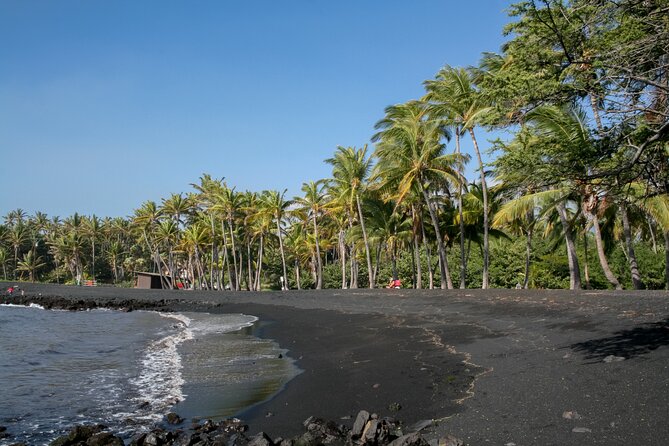
Punaluʻu Black Sand Beach is one of those places that makes the Big Island feel like the Big Island. The black sand comes from volcanic basalt, and the beach is surrounded by coconut palms, creating that classic contrast of tropical palms meeting volcanic ground.
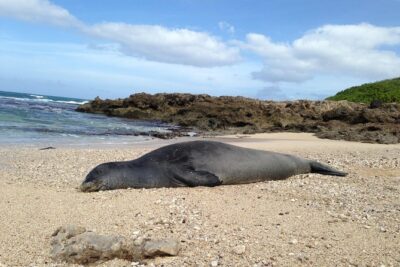
You’re there for about 30 minutes, and it’s not really a swimming beach. The ocean can be rough, so treat it as a viewing stop. That’s also why it’s perfect for turtle spotting: Hawaiian green sea turtles often bask near shore, and it’s a popular location for that kind of natural watching.
I like this stop because it’s sensory. You feel the heat from the sand, you see the dramatic color, and you get to connect what you learned earlier about volcanic activity to what you’re seeing right now. Even if you don’t catch a turtle immediately, the beach still has that “only here” feeling.
If you’re sensitive to strong sun, bring sunscreen and a hat. The terrain can be uneven around the beach access points, so keep your footwear solid.
Hawaii Volcanoes National Park: Halemaʻumaʻu, Kīlauea Iki, lava tube, steam vents
This is the heart of the itinerary, and it’s why you’re doing a day trip at all. You’ll start at the visitor center to get the geology and history context, then move into the park’s main viewpoints and walking stops.
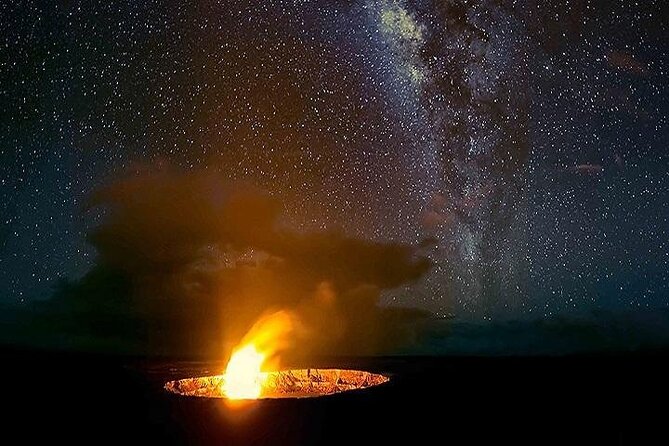
At Halemaʻumaʻu Crater, you’re set up to see the glow of molten lava when conditions allow. On some days, the activity can be more dramatic, and it’s the sort of moment people remember for years. Even without a big visual show, the crater area gives you a powerful sense of the island’s ongoing volcanic engine.
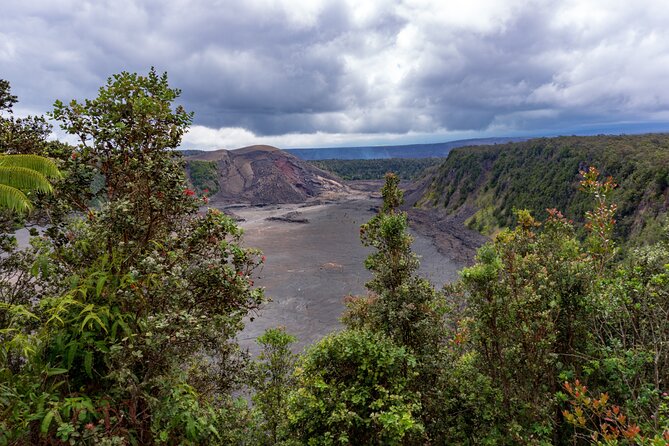
Next comes Kīlauea Iki Rainforest Lookout, which shifts the mood. Instead of bare rock and steam, you get lush rainforest imagery around a massive crater. It helps you understand that Kīlauea isn’t only about heat and danger—it also shapes the ecosystems that live there now.
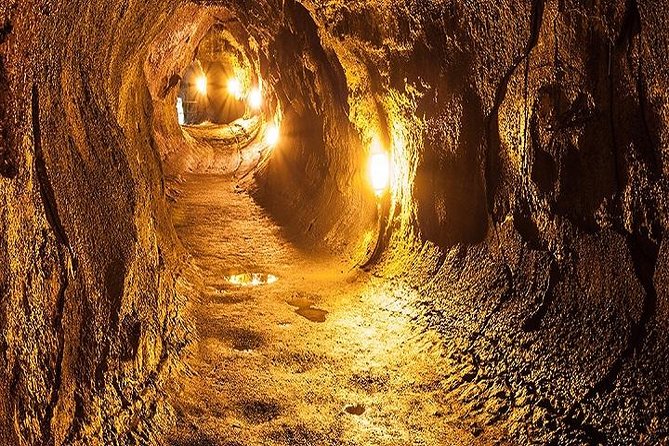
Thurston Lava Tube is the hands-on highlight for many people. Walking through a natural tunnel formed by flowing lava is both cool in temperature and weird in the best way. It feels like stepping into a piece of the island’s machinery.
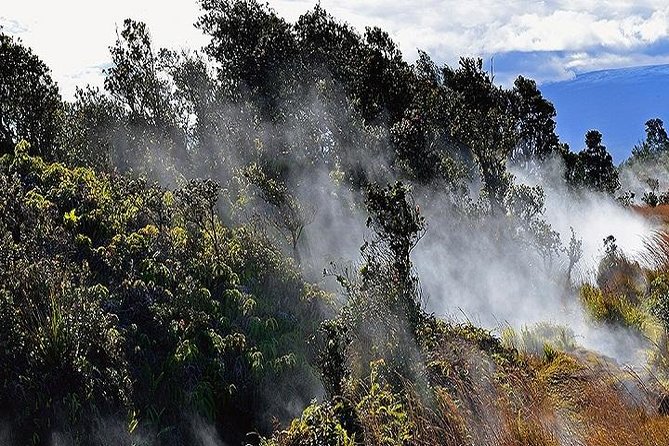
Finally, steam vents bring the geothermal side close. You feel the heat rising from the earth, and you get a reminder that the park is active for a reason—this is a working volcanic area.
Practical notes that matter here:
- Volcanic gases can be an issue. If you have asthma or other respiratory sensitivities, take that warning seriously.
- Cell service can be limited or nonexistent in many parts of the park, so rely on the guide and any offline maps you bring.
- Trails can be uneven. Closed-toe shoes are not optional if you want to move safely.
Mauna Kea access road, Kohala Coast, and a finish in Hilo
After Volcanoes National Park, the itinerary keeps widening the lens. You’ll be on roads that climb through changing climates toward Mauna Kea’s access area, starting from the Saddle Road (Route 200). The key idea is that temperature and air change as you gain elevation—thin air and cooler conditions are part of the deal.
Even if you don’t go to the summit itself, the access road is a strong “Hawaii in different climates” experience. You’ll drive through grassy plains and then into more barren volcanic terrain, and the shift happens as you go. This is why layers are so important, even if the morning was warm in Kona.
The next stretch touches Kohala Coast, which is known for scenic views and beaches, with a drier feel compared to other parts of the island. If you like ocean-and-mountain framing, this part of the drive can be a visual palate cleanser after the park stops.
The day also includes Hilo, which has a cultural and historical center vibe. You’ll have a chance to connect with places like the Lyman Museum, the Hilo Historic District, the Pacific Tsunami Museum, and Liliuokalani Gardens. There’s also the Hilo Farmers Market, which adds a more day-to-day local feel where you can see what people actually buy and eat.
If your goal is a Big Island day that’s not only volcano-focused, this “finish in Hilo” component helps. It gives you context for how island life works around volcanic risk and natural power.
Price and value: what $589.99 buys you (and what you pay on your own)
At $589.99 per person, you’re paying for a lot of moving parts to be bundled together. The biggest “value engine” is the included round-trip flight from Honolulu to Kona and back, plus Volcanoes National Park admission and a guided day in an air-conditioned vehicle.
That bundle matters because time is the real cost on an island. Without this kind of coordination, you’d likely spend effort juggling schedules and paying separately for park entries and transport. This tour reduces that friction.
What’s not included is also clear. Transportation to the Honolulu airport is on you, and meals are at your own expense. Lunch at Punaluʻu Bake Shop is part of the day, but you’ll be buying what you order.
So I’d think of the price as:
- You’re paying for logistics and guidance
- You’re paying for flight convenience
- You’re budgeting extra cash for food and any optional stops you decide to add
Also, if you like to tip guides, this tour supports that. It’s appreciated, and guides are doing real work to keep the day flowing and informative.
How to pack for volcanic terrain, altitude, and low cell service
If you do this kind of day trip, you’ll enjoy it more when you prepare like you’re going from beach to volcano to cooler high elevation roads.
I recommend you pack:
- Water and a few snacks you can grab fast
- Sunscreen and a hat, especially around the black sand beach
- A rain jacket and extra layers for the Mauna Kea access road area and higher elevations
- Sturdy closed-toe shoes for walking on uneven terrain
- Cash for any roadside stands or food stops that may prefer it
The low-connectivity reality matters too. Cell service can be limited in the park, and there are limited services once you’re inside. That means you shouldn’t assume you’ll be able to look up last-minute info or find a refill easily.
Health and safety are part of the experience here. The park can have volcanic gases like sulfur dioxide, which may worsen respiratory issues. If that’s you, talk with your doctor ahead of time, and be ready to follow the guide’s safety advice and trail instructions.
And don’t skip the respect factor. This area includes culturally significant sites, so leave things alone, stay on marked paths, and practice Leave No Trace.
Who this tour suits best (and who might want a different plan)
This is a good fit if:
- You’re visiting Oahu and want a Big Island day without renting a car
- You’re a first-timer who wants Volcanoes National Park plus a few key south-coast stops
- You enjoy having a guide explain what you’re seeing while you’re riding between locations
- You like the idea of a well-paced, structured day rather than slow wandering
It may not be ideal if:
- You dislike long van days and constant movement between stops
- You need lots of unscheduled downtime
- You’re very sensitive to volcanic gases or worried about asthma triggers
- You hate cold weather surprises at higher elevations
One more nuance: some guides run a very structured safety-first style, while others lean into humor and relaxed conversation. Either way, guides like Mel and Henry have been praised for holding attention and explaining what’s going on, so it’s worth going in ready to listen.
Should you book this Volcanoes National Park day trip?
I’d book it if you’re short on time and want your Big Island day to feel “complete”: Kona coffee context, black sand turtle viewing, and a real Volcanoes National Park circuit with Halemaʻumaʻu Crater, Kīlauea Iki viewpoints, Thurston Lava Tube, and steam vents. The included flights make it especially efficient from Oahu.
I wouldn’t book it if you want a relaxed, flexible schedule with long independent time at each stop. This is a moving itinerary, and your comfort depends on packing layers, staying attentive to safety, and planning for limited services and cell signal.
If you’re okay with that trade, this tour is a solid way to check off Kīlauea-era sights and still see more of the island than just the park.
FAQ
What’s included in the tour price?
Round-trip airfare to Kona from Honolulu, an air-conditioned vehicle, Hawaii Volcanoes National Park admission, and narration from a local guide.
Are flights from Oahu included?
Yes. Round-trip airfare from Honolulu International Airport to Kona International Airport is included.
How long is the tour?
The tour runs about 8 to 10 hours.
Where do I meet the group if I fly into Kona?
You meet at the lot behind Alaska Baggage claim B-2 at Kona International Airport, starting at 8:00 am.
Is park admission included for Hawaii Volcanoes National Park?
Yes, admission to Hawaii Volcanoes National Park is included.
Are meals included?
Meals are at your own expense. Lunch is at Punaluʻu Bake Shop, where you can purchase food.
What should I bring for the day?
Bring water, snacks, sunscreen, a hat, layers (including a rain jacket), and sturdy closed-toe shoes.
Is cell service reliable in the park?
No. Cell phone service is limited or nonexistent in many parts of the park.
Can I cancel for a full refund?
Yes. You can cancel up to 24 hours in advance for a full refund, and the tour is weather dependent with a different date or full refund if canceled due to poor weather.
Is this tour safe for people with respiratory issues?
The park can have high levels of volcanic gases, like sulfur dioxide, which can exacerbate conditions such as asthma, so this is an important consideration. Service animals are allowed.