REVIEW · HONOLULU
Honolulu: Diamond Head Hike with Transfers
Book on GetYourGuide →Operated by The Big Kahuna Tours · Bookable on GetYourGuide
One crater walk, and Waikiki feels brand-new. This Diamond Head hike with transfers turns Oʻahu’s most famous volcanic crater into a focused 3-hour outing, with WWII structures and a short tunnel that breaks up the climb. You get a real sense of the island’s volcanic scale fast, without spending your vacation time wrestling parking lots.
I love two things here: the route is built like a clear progression, from switchbacks to a dim tunnel and then up the 74 concrete steps. I also like the convenience of hotel pickup and drop-off, plus the friendly bilingual hand-holding; if you get Sergio, he’s the kind of driver who explains what you’re seeing and even offers restaurant and bar tips on the way back.
One drawback to keep in mind is pickup timing. A small number of bookings report no-show situations, so keep your phone charged, stay ready at the pickup point, and build a little buffer into your schedule.
In This Review
- Key things to know before you go
- Why Diamond Head feels like a must-do in Honolulu
- What the 3-hour schedule really adds up to
- Trailhead to switchbacks: a warm-up with lava-rock texture
- Switchbacks to the tunnel: where the climb turns real
- Tunnel to the stairs: plan for 74 concrete steps
- WWII observation bunker to the summit lookout
- Summit time: what to look for in the 20–30 minute window
- Transfers and language: getting you there without the stress
- Price and value: is $75 worth it?
- What to bring so the tunnel and stairs don’t feel worse
- Who this fits best, and who should skip it
- Should you book this Diamond Head hike with transfers?
- FAQ
- How long is the whole tour, including transfers?
- How long is the hike and what parts are included?
- Is this hike difficult?
- Do I need a flashlight for the tunnel?
- What is included in the price?
- What is not included?
- What languages do you get?
- Is it wheelchair accessible or limited by age?
- Can I cancel and get a full refund?
Key things to know before you go
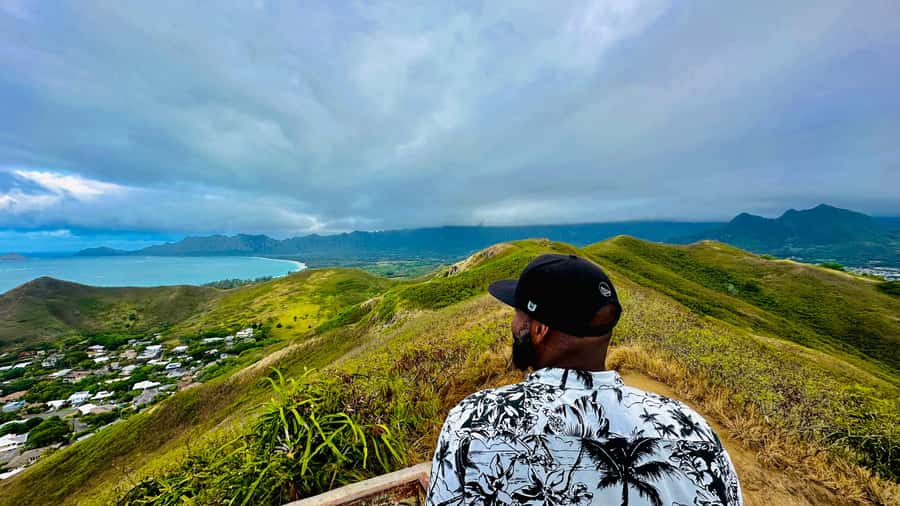
- 3 hours total, about 2 hours walking: transfers included, so you’re not guessing how long it will take.
- Moderate difficulty with stairs: the climb includes a steep section and a spiral-stair finish.
- A short dim tunnel: bring a flashlight or rely on your phone light for the tunnel segment.
- WWII history is part of the hike: you pass through a WWII observation bunker on the way up.
- Park entry and water are included: you pay once and show up ready to hike.
Why Diamond Head feels like a must-do in Honolulu
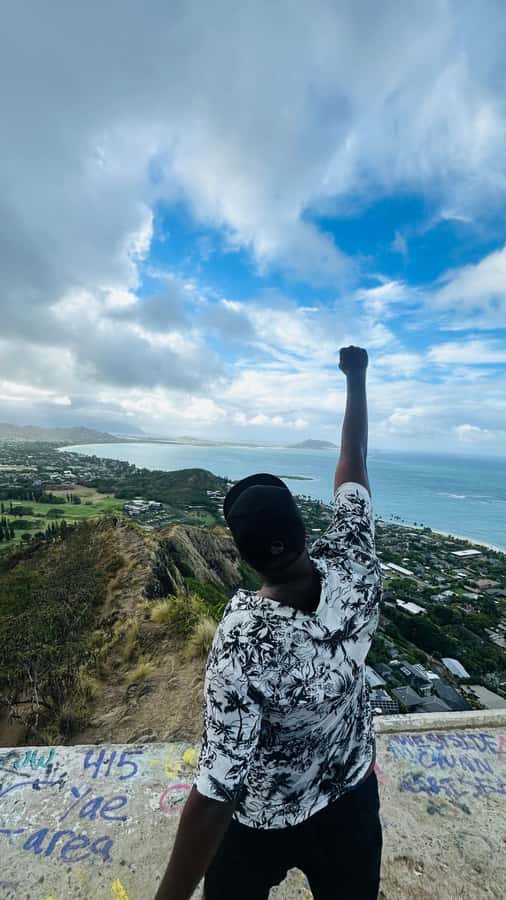
Diamond Head is the kind of place that makes Honolulu instantly recognizable. From the summit, you look down on Waikīkī, out across the Pacific Ocean, and back toward the Koʻolau Mountain Range, all in one sweep.
What makes this tour format appealing is the time squeeze. You still get the classic crater experience, but the transfer service helps you skip the hardest planning pieces. That matters when you’ve got jet lag, a tight itinerary, or you just want your “Oʻahu highlight” to feel effortless.
Also, the hike itself is memorable because it’s not just a straight incline. You’ll go through switchbacks, a dim tunnel section, a stair-heavy finish, and then a historic bunker, so the effort feels earned rather than repetitive.
You can also read our reviews of more hiking tours in Honolulu



What the 3-hour schedule really adds up to
The total duration is listed as 3 hours, including pickup and drop-off. The walking time is about 2 hours round trip, which lines up with the way the route is staged into bite-sized chunks.
Here’s how it flows, in plain timing:
- Trailhead to switchbacks: about 15 minutes
- Switchbacks to the tunnel: about 15 minutes
- Tunnel to stairs: about 10 minutes
- Observation bunker to the summit: about 10 minutes
- Summit experience: about 20 to 30 minutes for views and photos
That structure is useful because it gives you mental checkpoints. You know when you’re warming up, when it gets steeper, and when you’ll finally be up in the open with the big panorama.
Trailhead to switchbacks: a warm-up with lava-rock texture

The hike starts right on the paved section that leads you toward the crater path, then transitions onto dirt and uneven ground. That first change in surface matters because it tells you what kind of footing you’ll have for the rest of the climb.
In this early stage, you’ll notice the dryland vegetation and lava rock formations along the way. The incline is gentle here, so you can find your rhythm before the trail turns into zigzags.
If you’re pacing smart, this part is where you set your breathing. I’d rather start a hike a little slower than rush and feel drained later when the tunnel and stairs arrive.
Switchbacks to the tunnel: where the climb turns real
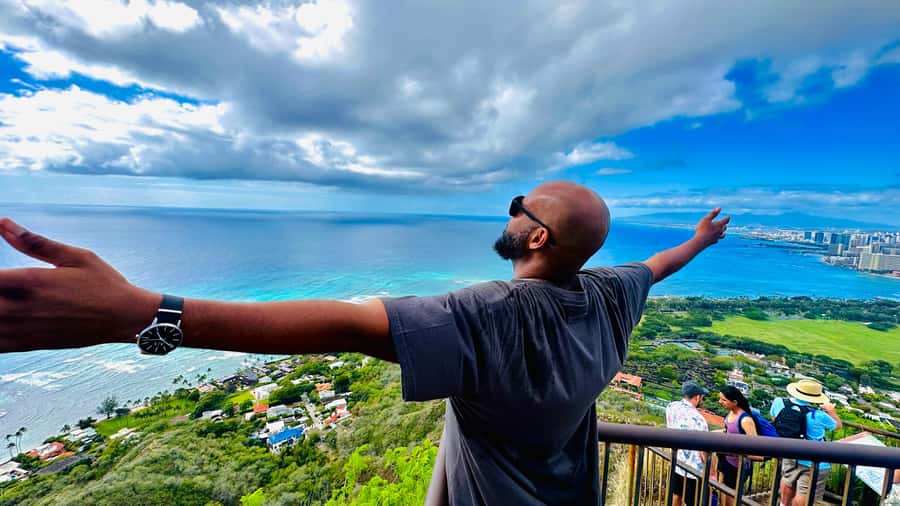
After the warm-up, the switchbacks begin and the trail steepens. Expect the zigzag pattern that makes steep grades manageable, while still getting your heart rate up.
This is also where the crater starts showing its scale. You’ll get pauses and sightlines over the crater floor and surrounding terrain as you climb.
Then comes the moment you either love or dread: the tunnel. It’s short but dimly lit, and you’ll want a flashlight or your phone light ready before you enter. Even if you’re not afraid of dark spaces, it helps your confidence and keeps your footing steady.
Tunnel to the stairs: plan for 74 concrete steps
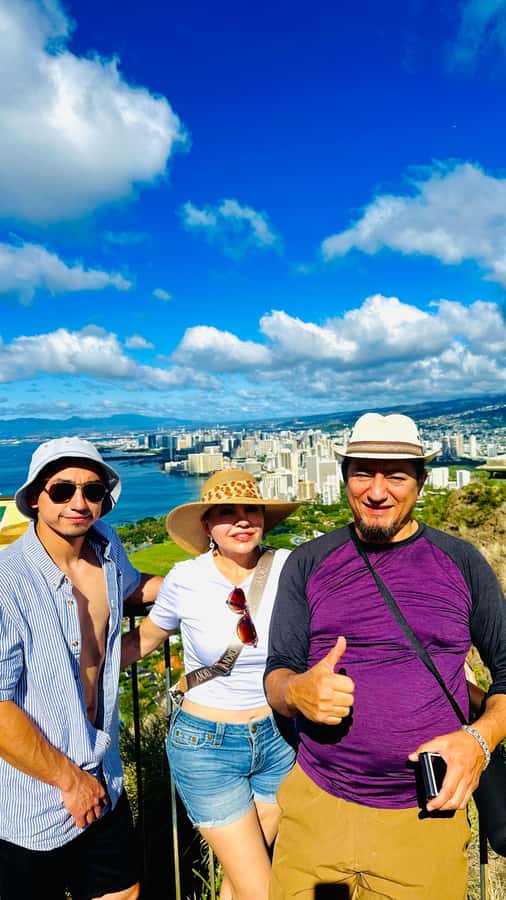
Once you climb out of the tunnel, you hit a steep set of concrete steps. The count is specific: 74 concrete steps that lead into a spiral staircase.
This section is the real “push.” It’s not just steps, it’s steps that demand consistency because you can’t coast. Short pauses help, especially if you’re taking photos near the top of each stair set.
The spiral staircase also changes your perspective. You start looking out more as you rise, and the effort starts to feel like you’re racing the view upward.






WWII observation bunker to the summit lookout

Near the top, you pass through a historic WWII observation bunker. This is one of the most interesting parts of the route because the hike becomes more than scenery; it becomes a walking timeline.
After the bunker, you climb a final short staircase to the summit lookout. That last push is where many people feel the satisfaction spike, because the hard part is almost done and the open view is close.
It also helps that you’re not stuck in a crowd-less, featureless uphill grind. The bunker gives you a clear landmark that says you’re arriving, not just suffering.
Summit time: what to look for in the 20–30 minute window

You get about 20 to 30 minutes at the summit. That might sound brief, but it’s enough time to take photos, soak in the panorama, and still catch your breath after the stairs.
From up here, the view is built around three big elements:
- Waikīkī spread out below
- the Pacific Ocean on the horizon
- the Koʻolau Mountain Range in the background
You may also spot a lighthouse below and surfers along the coastline. If you’re a photo person, this is the moment to slow down and frame shots so you don’t rush through the best light.
Then, when it’s time to head down, you’ll appreciate having seen the key sights rather than chasing endless photo angles. The tour keeps the summit stop realistic.
Transfers and language: getting you there without the stress

This tour includes pickup and drop-off plus transportation. For Honolulu, that convenience is a big part of the value, because parking and routing around Waikīkī can add friction fast.
Language support is listed as Spanish and English, which is helpful if you want clarity during the ride. Even if you don’t need deep interpretation, having someone bilingual makes it easier to ask simple questions like where to stand for pickup or what to expect with the tunnel.
In the best-case scenario, the driver doesn’t just drive. If your driver is Sergio, the ride can include practical commentary and even food and nightlife suggestions for after the hike. That kind of add-on matters because it saves you time once you’re back at street level.
Price and value: is $75 worth it?
At $75 per person with park entry and a water bottle included, you’re paying for convenience and an organized, timed experience. The hike can be done on your own, but the “cost” of DIY is time and logistics: getting there, dealing with parking, and figuring out the pacing on the trail.
This tour also keeps the total commitment tight. You’re out for about 3 hours, and the hiking sections are clearly timed, which is great if you want to fit Diamond Head into a bigger Oʻahu plan.
One thing to watch: meals, snacks, and a guide are not included. You’ll likely want to plan food before or after so the tour doesn’t swallow your whole morning.
What to bring so the tunnel and stairs don’t feel worse
The basics are straightforward:
- Comfortable shoes
- Sunscreen
- A hat
And for the tunnel segment: bring a flashlight, or use your phone light. The tunnel is described as dimly lit, and having light under your control makes a difference for both safety and nerves.
Also, don’t underestimate sun exposure even if it’s not a beach day. The route includes open views at several points, and Waikīkī weather can move quickly.
If you’re heat-sensitive, start early in your day planning and pace yourself on the switchbacks. That’s when you can still control your energy for the stairs.
Who this fits best, and who should skip it
This is a hike with moderate difficulty and stair climbing. It’s listed as not suitable for wheelchair users, and it’s also not suitable for people over 95 years.
That doesn’t mean you need to be an athlete. It means you should be comfortable walking uneven ground and climbing stairs as part of the normal flow. If you can handle that, the reward is a summit lookout with wide-open views and WWII features.
If you’re traveling with limited time, prefer transfers, or want someone to handle the transportation, this is a strong match. If you love long summit lingering, note the tour’s built-in summit stop is about 20–30 minutes.
Should you book this Diamond Head hike with transfers?
I’d book this if you want the Diamond Head experience without turning it into a planning project. You’re getting the classic crater climb, WWII bunkers, a tunnel section, and transfers all wrapped into a tidy 3-hour window for $75, with park entry and water included.
I would hesitate if your schedule is tight enough that a missed pickup could derail your day. Because pickup timing has been an issue for a small number of bookings, treat this like an appointment: be ready at the pickup point and keep your phone nearby.
If you’re comfortable with a moderate climb, pack the right shoes and light for the tunnel, and use the switchbacks to pace yourself, you’ll walk away with views that feel bigger than the time you spent getting them.
FAQ
How long is the whole tour, including transfers?
The duration is listed as 3 hours total, with the hike itself taking about 2 hours round trip.
How long is the hike and what parts are included?
You’ll hike from the trailhead through the switchbacks to the tunnel, climb from the tunnel to the stairs, then go from the observation bunker to the summit lookout. There’s also about 20–30 minutes of summit time for views.
Is this hike difficult?
It’s rated moderate. The route includes a steep climb and a section with 74 concrete steps plus a spiral staircase.
Do I need a flashlight for the tunnel?
Yes. The tunnel is described as dimly lit, so you should bring a flashlight or use your phone light.
What is included in the price?
Included are pickup and drop-off, transportation, a water bottle, and the park entry ticket.
What is not included?
Meals, snacks, and a guide are not included.
What languages do you get?
The driver is listed as Spanish and English.
Is it wheelchair accessible or limited by age?
It is not suitable for wheelchair users, and it is not suitable for people over 95 years.
Can I cancel and get a full refund?
Yes. Free cancellation is available up to 24 hours in advance for a full refund.