REVIEW · KIHEI
Maui Hula Show: Hula and Fire Dancing at South Maui Gardens
Book on Viator →Operated by South Maui Gardens · Bookable on Viator
A garden show with fire at the end. This South Maui Gardens experience turns the usual luau script into a real-time Polynesian journey, with live Hawaiian music and a big fire knife finale in a lush outdoor setting. I especially like the easy extras like free parking, and the fact you can grab dinner on site instead of being locked into a resort-style meal.
One thing to plan for: much of the parking and walkways are gravel, not paved. If you’re sensitive to uneven ground or prefer smooth sidewalks, bring shoes with grip and expect a little extra walking time.
In This Review
- Key things to know before you go
- South Maui Gardens at 5 pm: what the evening feels like
- Price and what you actually get for $130
- The 30–45 minute pre-show: Hawaiian music and a solo dancer
- The main cultural journey: Hawaii to New Zealand to Tahiti to Samoa
- Intermission and how to time your food from the trucks
- Fire knife finale: the moment most people remember
- Logistics that actually affect your night
- Who should book this show, and who might want to reconsider
- Should you book the Maui hula and fire show at South Maui Gardens?
- FAQ
- FAQ
- What time does the show start?
- How long does the hula and fire dancing show last?
- What is included with the ticket price?
- Is dinner included?
- Are alcohol, soda, or snacks included?
- Is there parking available?
- Do I get a lei?
- Does the show include a knife and fire dance finale?
- Which days does it run?
- Is the venue easy to walk around?
Key things to know before you go
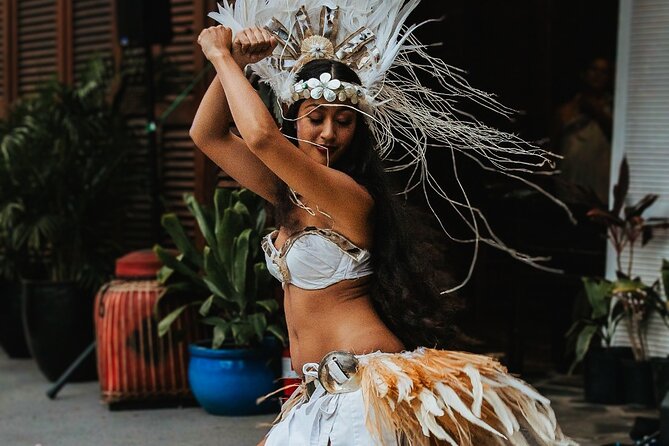
- A 5 pm to 7 pm show window with about 2 hours of entertainment and pacing
- Live pre-show music first, then a break, then the bigger Polynesian storytelling segment
- A multi-island Polynesian mix that includes Hawaii, New Zealand, Tahiti, and Samoa
- Fire and knife dancing at the end, with the finale built for maximum impact
- Free gravel-lot parking plus a ticket add-on: a Kukui Nut lei for the paid attendee at check-in
- Food trucks on site so you can eat before or during the evening without hunting for dinner
South Maui Gardens at 5 pm: what the evening feels like
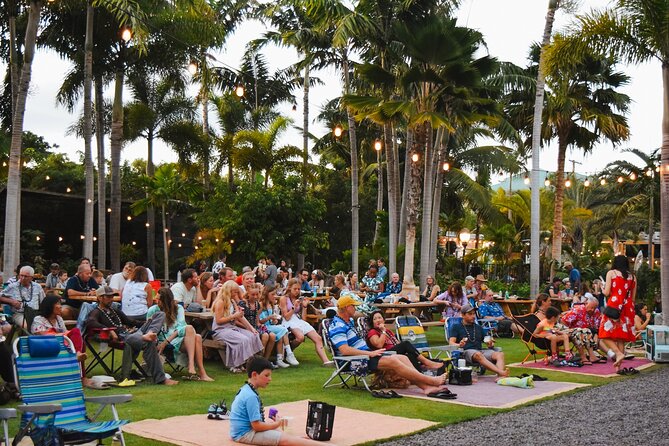
South Maui Gardens makes a strong case for doing a luau-style night that doesn’t feel like a cattle-call show in a hotel complex. The setting matters here. You’re in a garden environment with lots of spots to sit, pause, and take photos, and the show runs in an outdoor space that naturally slows the pace in a good way.
The practical side is just as real. The show window runs 5 pm to 7 pm, and the format starts with live music at 5 pm. That means you’ll want to arrive with enough time to settle in, choose where you’ll watch, and (if you want) start thinking about what you’ll eat from the food trucks.
This is also one of those nights where the details can make it better or worse. Wear comfortable shoes. A large portion of the moving around happens on gravel, including parts of the parking area and walkways. If you’re planning to wear sandals, know that the ground isn’t fully smooth. Also, if you’re going with kids or anyone who gets tired walking, give yourself buffer time.
You can also read our reviews of more tours and experiences in Kihei.


Price and what you actually get for $130
At $130 per person, the question is value: are you paying for a show, or paying for the whole experience package?
Here’s what you’re getting bundled:
- A full hula and Polynesian dance show with live Hawaiian music
- A cultural run through multiple Polynesian islands, not just one theme
- A fire knife dance finale
- A Kukui Nut lei for the paid attendee at check-in
- Free parking
- The ability to buy food from multiple food trucks on site
And here’s what you’re not getting:
- Dinner is not included, and there’s no included alcohol or soda
- Snacks aren’t included either
In plain terms, this price often works best if you want an evening of culture and performance plus the convenience of eating nearby. If your priority is a guaranteed full meal deal, you may feel underwhelmed since food is pay-as-you-go.
There’s also the advantage of the “smaller, more intimate” vibe people talk about. That typically helps when you want to feel closer to the performers and the story, even if the venue isn’t aiming for a big resort-level production budget.
The 30–45 minute pre-show: Hawaiian music and a solo dancer
The evening begins with a 30 to 45 minute pre-show focused on traditional Hawaiian music. You’ll hear live traditional Hawaiian music and you’ll see a solo dancer accompany the performance.
This is more than warm-up time. Pre-shows like this are where the event sets the tone: the music gives you the rhythm for what follows, and the solo moment helps you start noticing the details in hula movement, hand gestures, and storytelling structure. It also buys you time to get settled if you need to find your footing in an outdoor setting.
One tip: since the pre-show runs before the main Polynesian journey, plan to be in your seat area early enough to catch it. Once you start hopping around for food or photos, you’ll miss the start, and that first musical tone is the best entry point.
The main cultural journey: Hawaii to New Zealand to Tahiti to Samoa
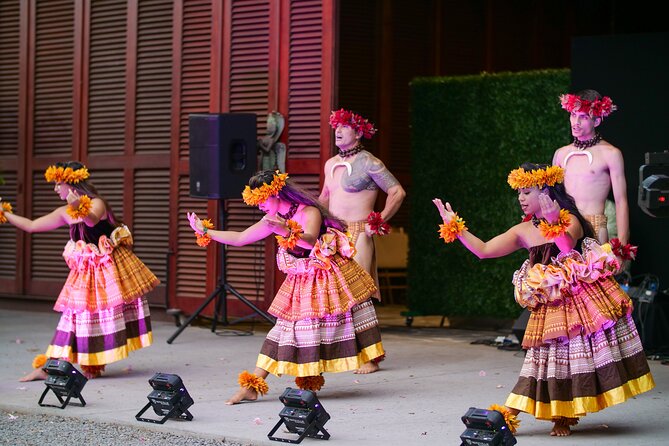
After the pre-show, there’s a short intermission and then the program moves into a broader Polynesian storytelling arc. This is where the show feels like a guided trip across the Pacific, built around the link between song (mele and oli), hula, and cultural narrative.
From the structure, you can expect distinct segments:
- You start with classic Hawaiian favorites, built from traditional elements and cultural storytelling.
- Then the show shifts to New Zealand, introducing songs and dances connected to Aotearoa.
- After that comes Tahiti, leaning into lively energy and movement.
- The program then continues into Samoa as part of the larger Polynesian sweep.
Why this matters: if you’ve never been exposed to how hula fits into wider Polynesian performance traditions, this kind of multi-island sequence helps you connect the dots. You’re not just watching pretty costumes. You’re seeing how different islands express storytelling through dance and music.
It’s also the section where the show’s pacing becomes important. At a total runtime of about two hours, there isn’t time for long speeches or long waiting. It keeps moving, so if you like attention to detail, watch the transitions rather than just the highlights.
Intermission and how to time your food from the trucks
Food trucks are a big part of why people enjoy this setup. There’s no requirement to commit to one set menu, and you’re not stuck with only one option.
Because dinner is not included, this is the moment to decide how you want to handle meals:
- You can grab food before the performance gets too far along.
- Or you can wait until you’ve settled in, then choose something from the truck lineup during the evening.
The key is timing. If you jump out of your seat during a central segment, you’ll miss the flow of the cultural storytelling. If you keep breaks short, food becomes a bonus rather than a disruption.
Also, the garden gives you choices. There are picnic tables and a big lawn if you’d rather sit back with beach chairs. That makes it easier to eat casually while still staying close to the action.
One practical sweet spot: if shave ice is your thing, there’s a mention of strawberries with condensed milk from Bling Bing’s Shave Ice among the food options. That kind of treat pairs well with a warm Hawaiian evening, and it’s easy to share.




Fire knife finale: the moment most people remember
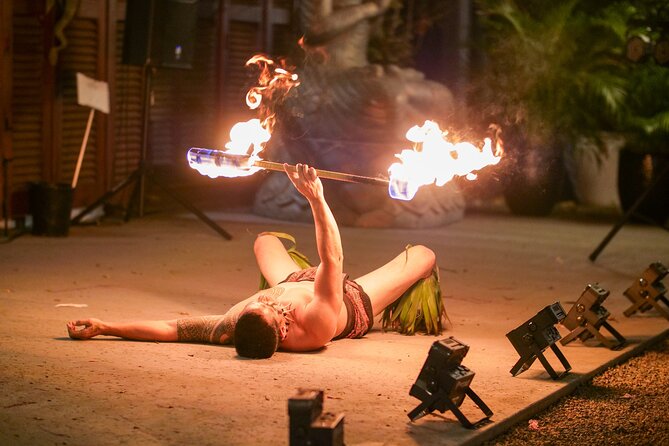
The closer is the fire knife dance finale. This is the segment built for impact, and it typically comes after the Polynesian dance journey has set you up with context and energy.
Even if you’re not a dance expert, you’ll know when the finale begins. Fire and knives change the energy in a hurry. The show is designed so the last chunk feels like a payoff instead of another segment that blends into the same flow.
What to expect in terms of comfort: since it’s outdoors, you’ll want to be mindful of visibility lines. If you have trouble seeing from your spot, this is the time to shift slightly if there’s space, because the finale is the kind of moment you don’t want to watch from the edge of your view.
One balanced note: one criticism in the information set says the fire portion felt basic and that the knife aspect wasn’t clearly reflected. That’s not the dominant tone, but it is a reminder that expectations vary. If you’re coming specifically for technical knife-dancing artistry, arrive ready to enjoy the show as a live performance experience rather than a studio-level rehearsal.
Logistics that actually affect your night
A few details can change how smoothly your evening goes:
- Mobile ticket: you’ll use your phone for entry, so bring a charged device.
- Free parking: you get it in a gravel lot, which is helpful, but it also means uneven ground.
- Walking surfaces: most walkways and parking are not paved. Plan for a bit of gravel walking.
- Food is pay-on-demand: no dinner is included, so bring cash or a card and a plan.
- What’s not included: no included alcohol, soda, or snacks.
Weather matters too. The experience requires good weather, so if conditions are poor, you may be offered a different date or a refund. That’s an important piece of the decision if you’re visiting Maui during a season with unpredictable showers.
Who should book this show, and who might want to reconsider
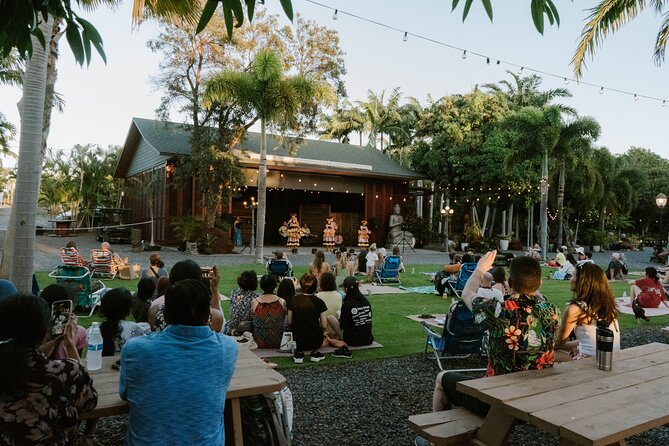
This is a strong fit if you:
- Want a culture-forward evening with live music and hula that spans multiple islands
- Prefer a more intimate, garden setting over a huge resort show
- Like the idea of eating on site with food trucks instead of committing to one meal ahead of time
- Are looking for an option that can feel like a luau experience without the top-tier hotel price tag
You might reconsider if:
- You want a perfectly polished, perfectly synchronized production with no chance of rough edges. Some people did feel the dancing lacked synchronization and questioned cultural authenticity.
- You’re only interested in a high-expectation knife-dancing showcase and want every detail to match that specific focus. The main promise is the fire knife finale, but live events can land differently for different viewers.
Still, the overall rating signal in the information set is very positive, and the most praised parts repeatedly point to the same things: friendly staff, strong performance energy, a beautiful setting, and the convenience of food trucks.
Should you book the Maui hula and fire show at South Maui Gardens?
If you’re trying to decide fast, here’s my practical call: book it if you want a fun, cultural evening with live music and a dramatic finale, plus the freedom to eat from food trucks. At $130, it makes the most sense when you actually use the included perks (free parking, lei) and treat the food trucks as part of the night rather than expecting dinner to be automatic.
Skip it or wait if your main goal is a premium resort-grade production where you judge everything like a choreographed competition routine. This show seems designed for real-time storytelling and an approachable atmosphere. That’s why it works for many people, and why it might feel less “perfect” to a few.
FAQ
FAQ
What time does the show start?
The experience starts at 5:00 pm.
How long does the hula and fire dancing show last?
It lasts about 2 hours.
What is included with the ticket price?
Your ticket includes hula and fire dancing from Hawaii, Tahiti, New Zealand, and Samoa, plus live Hawaiian music, the fire knife dance finale, free parking, and a Kukui Nut lei for the paid attendee upon check-in.
Is dinner included?
No. Dinner is not included, but food trucks are available on site for purchase.
Are alcohol, soda, or snacks included?
No. Alcoholic beverages, soda/pop, and snacks are not included.
Is there parking available?
Yes. There is free parking in a convenient gravel lot.
Do I get a lei?
Yes. The paid attendee receives a Kukui Nut lei upon check-in.
Does the show include a knife and fire dance finale?
Yes. The show culminates in an unforgettable fire knife dance finale.
Which days does it run?
It runs on Wednesdays and Sundays from 5 pm to 7 pm.
Is the venue easy to walk around?
Most walkways and parking are not paved, and you’ll move on gravel for a large portion. Wear shoes you’re comfortable in on uneven ground.