REVIEW · HONOLULU
Bishop Museum General Admission Ticket
Book on Viator →Operated by Bishop Museum · Bookable on Viator
A big museum, in a big way, with real meaning. With general admission to Bishop Museum (founded in 1889), you can build a visit around Hawaiian culture, Pacific migrations, and hands-on science, all on one campus. I love how the museum spreads its story across major buildings, so you’re not stuck with one type of exhibit. I also love the Jhamandas Watumull Planetarium and the science learning at the Richard T. Mamiya Science Adventure Center, especially when the lava-themed live show is running. The main drawback: the campus is large, so if you only plan for a quick pass, you’ll miss a lot.
Think of this as an indoor-and-outdoor “choose your own depth” day. You can do a fast highlight route in about an hour, or take the full half-day to 1-day approach when your legs and curiosity can handle it. One more practical note: some highlights, like the planetarium, can be closed on certain days, so you should plan to adjust in real time if a room isn’t available.
In This Review
- Key highlights to know before you go
- Where Bishop Museum fits in your Honolulu plans
- Bishop Museum general admission: what your ticket really buys
- Hawaiian Hall Complex: the history and culture wing you should start with
- Pacific Hall: migration stories and Pacific values
- Jhamandas Watumull Planetarium: skies of Hawai‘i and Polynesia
- Richard T. Mamiya Science Adventure Center: hands-on learning with Hawai‘i in mind
- Castle Memorial Building: changing exhibits and the side-stop question
- Timing strategy: how to plan a 2-hour visit vs a half-day
- What makes the experience worth it for different travelers
- Practical logistics: tickets, movement, and comfort
- Should you book this Bishop Museum admission ticket?
- FAQ
- How long does the Bishop Museum admission visit take?
- What is included with the $38.95 ticket?
- Is the ticket mobile?
- Is Bishop Museum accessible for people who prefer not to do much walking?
- What weather should I plan for?
- Can I cancel and get a refund?
Key highlights to know before you go
- Hawaiian Hall Complex: world-class showcase of Hawaiian history and culture in a dedicated major wing
- Pacific Hall: origins and values of Pacific peoples, plus migration and settlement stories across islands
- Jhamandas Watumull Planetarium: skies of Hawai‘i and Polynesia, shared in an educational format
- Richard T. Mamiya Science Adventure Center: interactive science tied to Hawai‘i and the Pacific environment
- Live lava melting show: science theater style learning about lava and how the islands form
- Castle Memorial Building: changing exhibits for a limited time, so it can surprise you (or feel like a side stop)
Where Bishop Museum fits in your Honolulu plans
Bishop Museum is in Honolulu, and it’s the kind of place that makes you feel like you finally understand what you’ve been looking at outside. The museum campus is not one room or one building. It’s several exhibit spaces, each with its own focus, which is great if your travel day has mixed interests. You’ll see Hawaiian cultural history, broader Pacific stories, and science that connects to Hawai‘i’s landscapes and geologic story.
A ticket gives you general admission, and the typical visit window can stretch from 1 to 8 hours depending on how you move. That flexibility is real value, because you can match your day to your energy and weather. Since it operates in all weather conditions, you don’t need to stress if the sky opens up. Just dress for rain and humidity because comfort affects how much you’ll actually enjoy walking and reading.
If you’re planning other stops the same day, I’d treat this as a core attraction. Even couples who planned only around two hours often found they needed more time for the exhibits that actually hold your attention. If you want the full effect, go in with a plan for at least half a day.
You can also read our reviews of more tours and experiences in Honolulu


Bishop Museum general admission: what your ticket really buys
This $38.95 per person ticket includes your admission to Bishop Museum. That’s the foundation. What’s optional depends on the buildings and programs operating that day.
Here’s the clean way to think about it:
- Your ticket covers entry to the museum buildings and exhibit spaces.
- Parking is optional and extra if you drive.
- A planetarium show may be optional and could involve additional cost.
- Special exhibits (if running) may have their own extra fees.
Also, your ticket is delivered as a mobile ticket, and you should get confirmation at booking time. Service animals are allowed, and the museum is near public transportation, so you’re not locked into renting a car just for this stop.
Bottom line: for a museum of this scope, admission alone is a fair way to buy time with Hawaiian and Pacific culture plus science education. The risk is not the ticket price. The risk is underestimating the size and deciding you can do everything in a quick hour.
Hawaiian Hall Complex: the history and culture wing you should start with
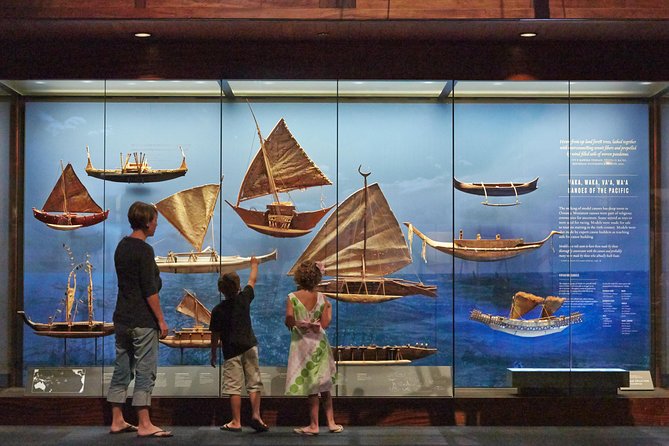
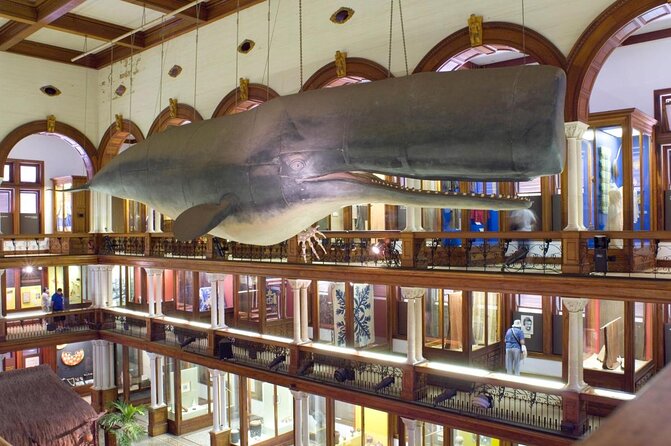
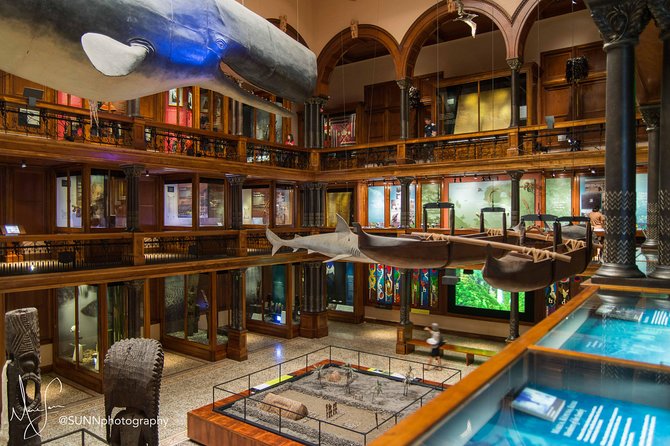
The Hawaiian Hall Complex is the anchor. It’s described as the world’s premier showcase of Hawaiian history and culture, and that matters because it sets the tone for everything else you’ll see on the campus.
What I like about starting here is that it gives context. You’ll be able to connect artifacts, traditions, and historical themes instead of treating each exhibit like a disconnected fact. The hall is made for learning at different speeds, from older visitors who read slowly to families who want clear entry points.
Because this complex is designed as a major centerpiece, it tends to reward time. If you only have a short window, choose a couple of sections and focus. If you have more time, you’ll probably want to loop back because details sink in better after you understand what the museum is trying to explain.
One practical consideration: this is also a great building for kids’ attention spans to rise and fall. If you’re traveling with younger kids, let them guide the pace for a while, then pivot to more hands-on spaces like the science center.
Pacific Hall: migration stories and Pacific values
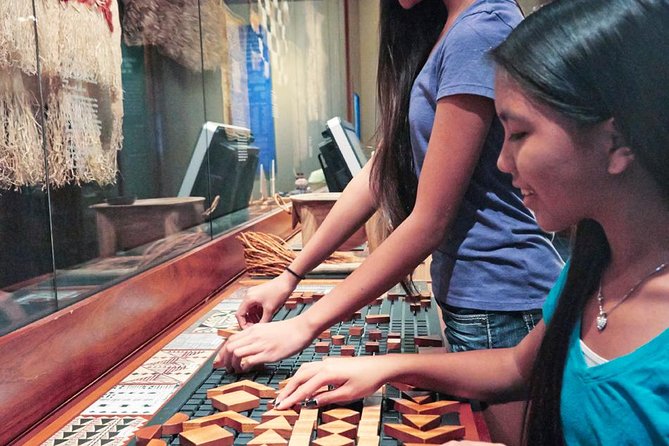
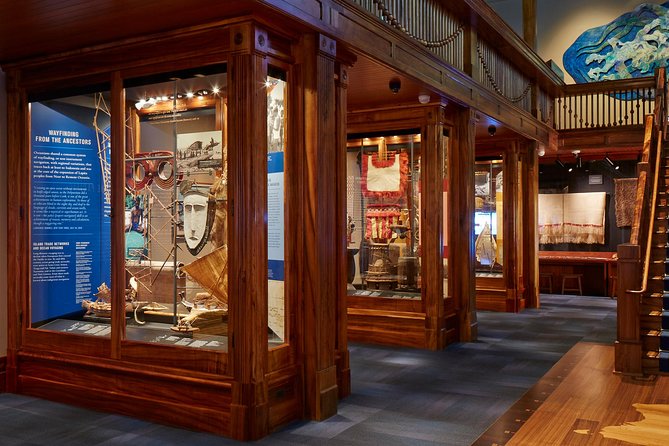
Once you’ve got Hawaiian context, Pacific Hall widens the lens. This building explores the origins, culture, and values of Pacific people, including the migrations and settlement of Pacific Islands.
This stop is valuable because it changes how you view Hawai‘i. Instead of seeing islands as isolated, you see connections: movement, shared navigation knowledge, and cultural exchange across a vast region. The museum approach helps you understand that Hawai‘i is part of a larger Pacific story, not a side note.
If you like maps and stories that explain how people arrived and how communities grew, Pacific Hall is one of the best places to spend time. Some visitors also mention standout displays like a fishing hook display and woven materials, which fit the museum’s broader goal: connect objects to lifeways.
If you’re short on time, don’t skip this building. It’s the kind of exhibit that makes the rest of the visit feel more coherent.
Jhamandas Watumull Planetarium: skies of Hawai‘i and Polynesia
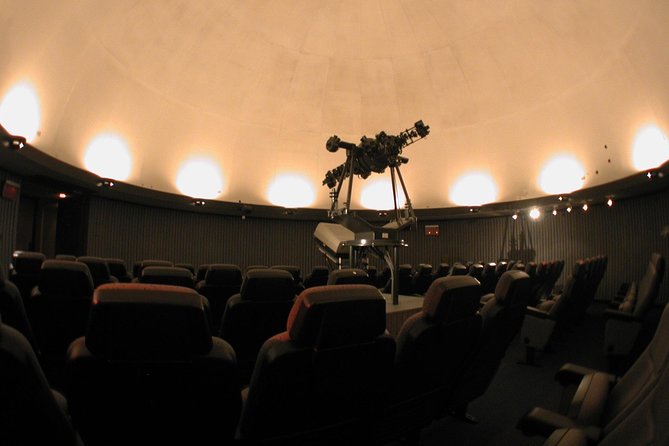
The Jhamandas Watumull Planetarium is built for wonder, but it also has an educational backbone. The focus is on exploring the skies of Hawai‘i and Polynesia, in a way that connects to how ancient travelers once did navigation and astronomy learning.
This is one of the highlights people look forward to most, but there’s an important reality check. On some days, the planetarium may not be available, which can turn a “must-see” plan into a rethink. The museum experience then becomes more about your other buildings and what’s running that day.
If the planetarium is truly a priority for you, I’d plan your day with flexibility. Give yourself enough time to check status and still see the main halls without rushing. If it is open, this show can be the emotional payoff after reading about culture and science.
You can also read our reviews of more museum experiences in Honolulu

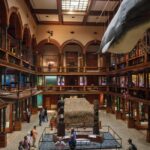
Richard T. Mamiya Science Adventure Center: hands-on learning with Hawai‘i in mind
Science at Bishop Museum isn’t just posters and glass cases. The Richard T. Mamiya Science Adventure Center is interactive and designed to connect learning to Hawai‘i and Pacific environments. It’s the stop that often makes families feel like they’re not just “touring,” they’re participating.
The science center focuses on how science shows up in the islands. You’ll learn about lava and the formation of the Hawaiian Islands, which is a subject that can feel abstract until you see it explained in a hands-on format. If you like the idea that natural history is also human history, this is a strong place to be.
A key feature is the live lava melting show. When it’s scheduled, it adds energy to the visit. It also helps explain geology in a way that sticks, because your brain remembers the moment you saw the real demonstration.
What to watch for: some days, the live demo may not run in the exact way you expected. If the lava show is a major reason you booked your visit, check in on arrival and be willing to adjust your timing.
Castle Memorial Building: changing exhibits and the side-stop question
The Castle Memorial Building offers changing exhibits for limited time periods. That can be a win if a display aligns with your interests during your visit. It also gives the museum a space to test new ideas and present new adventures.
At the same time, if you’re building a tight schedule, this is the building where you might feel like you’re making a detour. Some visitors felt the Castle portion wasn’t as strong as the main halls or the science-focused spaces. That doesn’t mean it’s bad. It just means its value depends on what’s on view when you arrive.
If you have the time, go in with an open mind. If you don’t, use your priorities like a map: Hawaiian Hall and Pacific Hall for cultural context, the planetarium if it’s open, and the science adventure center if you want hands-on learning. Then let Castle be the bonus if it looks promising when you get there.
Timing strategy: how to plan a 2-hour visit vs a half-day
This museum works best when you match time to goals. When people rush, they often leave with the feeling that the museum was too big for the plan they made. When people slow down, they usually come away satisfied because the exhibits reward attention.
Here’s a practical approach:
- If you have around 2 hours: do Hawaiian Hall Complex plus one of the other big buildings (either Pacific Hall or the science center). If the planetarium is open, try to time it between those.
- If you can spare half a day: cover Hawaiian Hall Complex, Pacific Hall, and the science adventure center. Add the planetarium if available.
- If you have most of the day: include Castle Memorial Building as well, plus time to wander through the smaller details between buildings.
Also, plan for how near closing time might affect your options for breaks. If you arrive very late, you may find food or rest options are limited.
One more timing tip: go early if you want momentum. Starting sooner reduces crowd pressure and gives you space to adjust if one program is temporarily unavailable.
What makes the experience worth it for different travelers
This ticket makes sense for several traveler types.
Families will likely enjoy the science center the most, since it’s interactive and built for learning that doesn’t feel like a lecture. Kids also tend to enjoy the planetarium idea if it’s running, because it feels like a mini adventure.
Couples often like the building beauty and the way the museum mixes architecture with content. If you’re the type who likes to read carefully and photograph details, you’ll get more out of it than if your plan is only high-level landmarks.
History and culture focused visitors should build extra time around Hawaiian Hall Complex and Pacific Hall. These spaces help you understand Hawai‘i in a broader context and give you a stronger foundation for what you’ll see elsewhere on O‘ahu.
Weather planning matters too. If you’re visiting in rainy conditions, this is a strong fallback plan because a large part of the experience is indoors. The museum’s “operates in all weather conditions” note is real comfort when your schedule is tight.
Practical logistics: tickets, movement, and comfort
You’ll get a mobile ticket, and you should keep it handy on your phone. The museum is near public transportation, so if you’re staying centrally you may be able to avoid parking. Parking is optional but extra if you need it.
A moderate physical fitness level is recommended. That mainly means: you’ll be walking between buildings, spending time standing and moving through galleries, and dealing with stairs or long indoor routes. If you’re taking it slowly, you can still do it comfortably, but don’t plan to sit for most of the visit.
Dress for the conditions. Even with all-weather operation, you’ll still move through outdoor campus areas and walk between stops. Comfortable shoes matter more than you think, because the museum’s size is part of its charm.
Should you book this Bishop Museum admission ticket?
Yes, you should book it if you want a serious culture-and-science day in Honolulu without committing to a guided program. For the price of $38.95, you get access to major exhibit buildings on one campus, including Hawaiian history and Pacific migration stories, plus science learning that connects to Hawai‘i’s environment.
I’d book it early in your trip if you can, because it makes the rest of your O‘ahu observations click into place. If you’re short on time, aim for the main buildings in a clear order: start with Hawaiian Hall Complex, then choose between Pacific Hall, the planetarium (if open), and the science adventure center.
The only reason to hesitate is if your schedule is so tight that you can’t absorb a campus this large, or if the planetarium show is your only priority and you can’t afford to lose it if it’s closed that day. Otherwise, this is a dependable, meaningful stop with real educational payoff.
FAQ
How long does the Bishop Museum admission visit take?
The general admission experience can be scheduled for about 1 to 8 hours, depending on how much of the campus you want to see.
What is included with the $38.95 ticket?
The ticket includes admission to Bishop Museum. Optional costs may apply for parking, the planetarium show, and any special exhibits.
Is the ticket mobile?
Yes. You receive a mobile ticket, and you’ll get confirmation at the time of booking.
Is Bishop Museum accessible for people who prefer not to do much walking?
You should have a moderate physical fitness level since the museum campus involves moving between several buildings and exhibit spaces.
What weather should I plan for?
The museum operates in all weather conditions, so dress appropriately. If weather is poor enough to cancel the experience, you’ll be offered a different date or a full refund.
Can I cancel and get a refund?
Yes, you can cancel for a full refund if you cancel at least 24 hours in advance. If you cancel less than 24 hours before the start time, the amount paid is not refunded.