REVIEW · HONOLULU
Pearl Harbor Aviation Museum Ticket with Audio Tour and Shuttle
Book on Viator →Operated by Pearl Harbor Aviation Museum · Bookable on Viator
Ford Island has a way of putting WWII into focus. With this ticket, you get priority entry to the Pearl Harbor Aviation Museum and a headset audio tour that helps you make sense of what you’re seeing. I especially like touring aircraft inside the surviving hangars—Hangar 37 and Hangar 79—and then getting a clear narrative through the included film and audio track. One thing to consider: this experience is about aviation history on Ford Island, not the USS Arizona Memorial.
You’ll spend most of the day walking hangar to hangar, with stops built around famous moments like Pearl Harbor and the Battle of Midway. It’s a long stretch (about 9 hours), but the pace works if you’re into aircraft details and want more context than a quick look. My main caution is practical: if you’re booking during hot months, plan for outdoor-to-indoor movement and bring what you need (hat, water, and a spot for your belongings).
In This Review
- Key Takeaways Before You Go
- Your Base: Ford Island and the Surviving Hangars
- Priority Entry That Actually Helps (A Skip-the-Line Reality Check)
- The Audio Tour Headset: Your Best Tool for Meaning
- The WWII Film and Attack Footage Stop
- Hangar 37 and Hangar 79: Where the Planes Feel Close
- Practical tip: take a slow pass first
- MiG Alley: Korean War Fighters and a Second Chapter
- Battle of Midway and the Dive Bomber Moment
- “Small” Museum Extras That Add Big Value
- What About the Cockpit and Control-Tower Views?
- Heat, Bags, and Time Management (The Stuff That Can Ruin Your Day)
- Build your day like a pro
- Ticket Price and Value: $29.99 for a Full Aircraft Day
- Who Should Book This, and Who Might Skip It?
- Should You Book This Pearl Harbor Aviation Museum Ticket?
- FAQ
- How long is the Pearl Harbor Aviation Museum ticket experience?
- What time does the experience start?
- Is the shuttle included?
- Is there an audio tour, and what languages are available?
- What is included with the ticket?
- What is not included?
- Are there rules for children?
Key Takeaways Before You Go
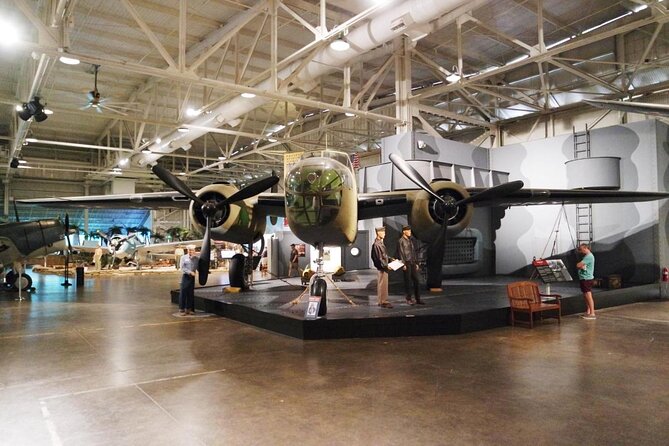
- Two surviving hangars: Explore aircraft inside Hangar 37 and Hangar 79, both of which endured the Dec 7, 1941 attack.
- Audio headset in multiple languages: English is included, with additional options such as Spanish, Japanese, French, Korean, and Mandarin.
- WWII footage and narration: You’ll watch attack footage presented with narration from Pearl Harbor survivors.
- Cold-War MiG Alley: Korean War-era fighter planes add a second chapter to the story, not just WWII.
- Plan for heat and bags: Wear a hat and expect bag storage at the entrance (there’s mention of an extra fee).
Your Base: Ford Island and the Surviving Hangars
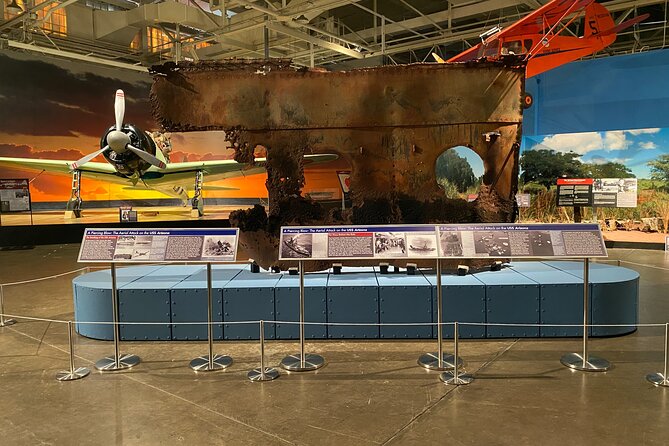
This museum ticket focuses on Ford Island in Honolulu, where aircraft exhibits live inside two former seaplane hangars that survived the Japanese attack on December 7, 1941. That detail matters, because you’re not just viewing history in a nice building—you’re viewing it in structures that were there during the event.
You’ll start with priority entrance via your mobile ticket, then settle into the museum’s layout. Hangar 37 and Hangar 79 give you a strong sense of scale. Aircraft weren’t small back then, and walking among them makes it hard to treat the story as abstract.
A second nice touch is that the day is structured around actual aviation themes: you’ll see bombers, interceptors, helicopters, and fighters. That lets you connect the dots between missions and the hardware used to carry them out, instead of feeling like you’re only reading captions.
You can also read our reviews of more tours and experiences in Honolulu



Priority Entry That Actually Helps (A Skip-the-Line Reality Check)
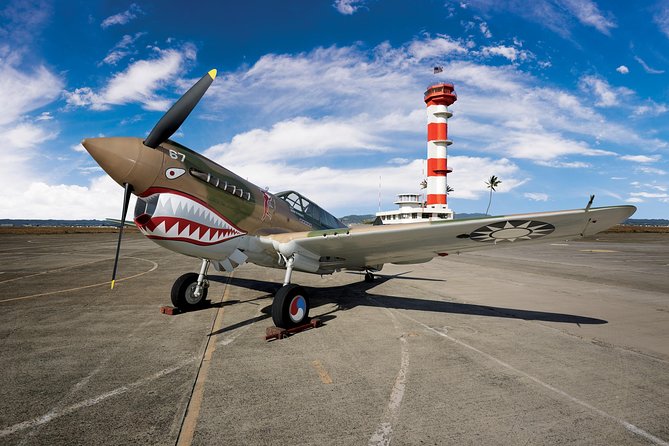
This ticket is designed to get you through the front door faster. Priority entrance is more than a convenience when you’re visiting a major Pearl Harbor-area site—time is limited, and you don’t want to burn it waiting.
The overall timing also sets expectations. The experience starts at 9:00 am and runs about 9 hours. That means you should treat it like a full outing, not a quick museum stop. If you’re also trying to fit in other Pearl Harbor attractions the same day, you’ll need careful planning.
One more value point: the ticket includes complimentary shuttle to and from Ford Island. That’s not a minor perk here. Ford Island isn’t always the easiest place to reach on your own, and having shuttle support reduces decision fatigue.
The Audio Tour Headset: Your Best Tool for Meaning
Each ticket includes a headset for a self-guided audio tour. The audio is offered in English plus Spanish, Japanese, French, Korean, and Mandarin, and you pick up your headset at the front desk when you arrive.
This is where the ticket helps most for first-timers. The museum has a lot to see, and aircraft can blur together if you don’t have context. The headset does the job of turning what could be “a wall of planes” into a story about why certain aircraft mattered and what happened around them.
Also, you’re not relying on your own interpretation. The audio tour ties into what you’ll watch in the museum—especially the film elements focused on WWII events. If you like learning at your own pace while still getting guided structure, this format fits well.
The WWII Film and Attack Footage Stop
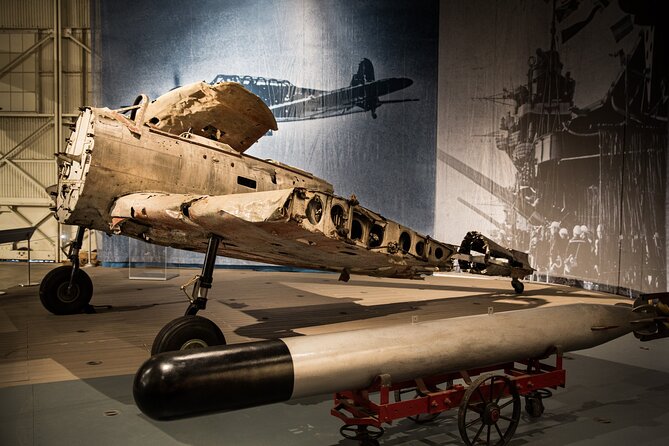
Early in your visit, you’ll encounter footage of the WWII attack on Pearl Harbor. The museum shows a stirring film that uses actual footage, and it’s narrated by Pearl Harbor survivors. That human layer is a big deal. It keeps the museum from feeling purely technical.
You’ll likely feel the shift once you see moving footage after walking among aircraft. Planes on the ground tell one story; footage adds urgency. Even if you’ve read about Dec 7, the combination of real narration and aircraft you can walk past changes the tone.
If you’re the type who likes a moment of emotional weight before you return to details, this stop is a good anchor point.
Hangar 37 and Hangar 79: Where the Planes Feel Close
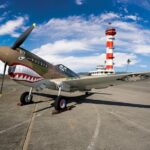
Most of the experience’s power comes from the hangars themselves. Two former seaplane hangars house the collection, and you can spot evidence of the attack, including bullet holes connected to the WWII assault on Pearl Harbor.
That’s the part I think most people remember after the day ends: it’s not a staged exhibit. It’s a space that survived. The walls, the scale, and the surviving damage together create a “you are here” feeling.
Inside, you’ll find a wide range of aircraft from different eras, including:
- bombers
- interceptors
- helicopters
- fighter aircraft in themed areas
And while you’re walking, you’ll also see details that make aircraft more than silhouettes—restorations, design differences, and how the museum presents each vehicle’s role.
You can also read our reviews of more museum experiences in Honolulu

Practical tip: take a slow pass first
Don’t try to speed-run every aircraft. Give yourself a “first pass” through the hangar spaces without over-reading everything. Then use the headset tracks more intentionally to fill in the gaps. That approach keeps you from feeling swamped.
MiG Alley: Korean War Fighters and a Second Chapter
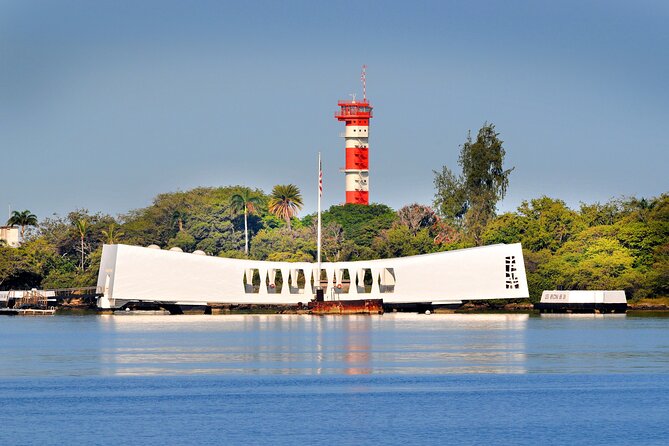
One of the standout sections is MiG Alley, which features fighter planes from the Korean War. This is a smart part of the museum’s storytelling because it moves beyond the WWII spotlight.
Here’s why it’s valuable: you can compare aircraft roles across conflicts. WWII aircraft showcased tactics and urgency tied to the Pacific war. MiG Alley adds a different era of air combat and different design priorities.
If you only know Pearl Harbor from headlines and anniversaries, this is the moment you realize the museum is covering broader Pacific aviation history. It’s not stuck in 1941.
Battle of Midway and the Dive Bomber Moment
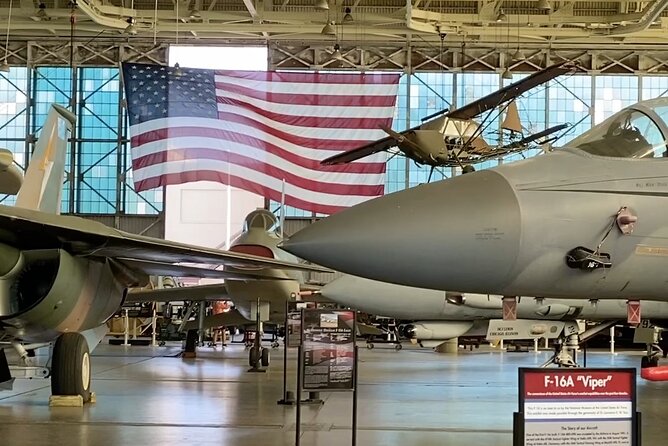
As you continue through the collection, you’ll come across museum highlights tied to the Battle of Midway, including a dive bomber display. For many people, Midway is the big turning point of the Pacific war. Seeing an aircraft connected to that story helps you connect strategy to hardware.
This is also a good reminder that aviation history isn’t just about planes landing or launching. It’s about mission type, timing, and what airpower was supposed to accomplish in a specific moment.
If you like when a museum ties an aircraft to a named event, you’ll appreciate how the museum handles these major-picture story beats.
“Small” Museum Extras That Add Big Value
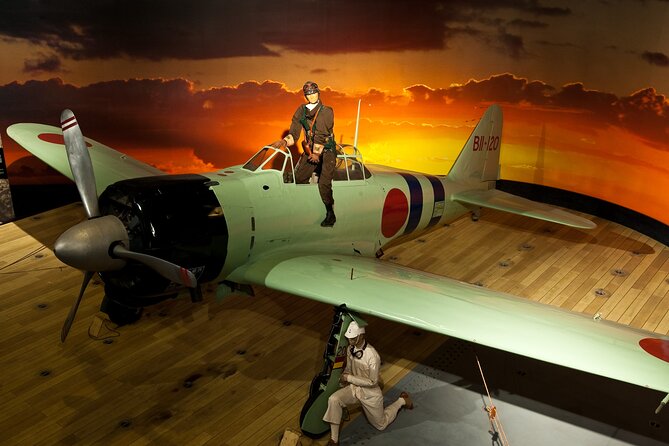
There are a few add-ons inside the museum that make the day more comfortable and more complete:
- Hangar Café: If you get hungry, you don’t have to leave the site to eat.
- Museum store: It’s there for gifts and souvenirs, and it’s a convenient place to slow down and cool off if you need a break.
Also, the museum screens a short documentary called East, Wind, Rain. That film helps connect the aviation story to the conditions and human experience of the Pacific theater. If you’re someone who likes weather-and-place context alongside aircraft facts, that stop will feel worthwhile.
What About the Cockpit and Control-Tower Views?
Two experience highlights that stand out from people who love this museum: the opportunity to get up close with an aircraft interior and the control tower elements. One review calls out sitting in the cockpit of the F111, and another highlights the control tower video.
Now, I’ll keep it honest: the museum includes those kinds of features, but the exact way you experience them can depend on what’s operating during your visit. Still, if aircraft interaction and “how it felt to be in the cockpit” is your thing, you’ll likely find at least one memorable moment here.
The key point for you: don’t plan to rush. These stops are the kind you’ll want time around.
Heat, Bags, and Time Management (The Stuff That Can Ruin Your Day)
A museum day on Ford Island can involve a lot of walking, and some parts of the experience include outdoor exposure. A simple but repeated piece of advice: bring a hat and water. Sun can catch you off guard, even if you think you’re dressed for it.
Also plan for bag handling. There’s mention of storing bags at the entrance for about $8. That means:
- travel with only what you need
- keep essentials easy to reach
- budget a little time at the entrance for bag storage
Build your day like a pro
Because the outing runs about 9 hours, you’ll be happiest if you schedule breaks rather than waiting until you’re tired. Take snack-and-water breaks early, and you won’t spend the afternoon cranky.
Ticket Price and Value: $29.99 for a Full Aircraft Day
At $29.99 per person, this ticket is priced like a focused museum visit, not a fancy add-on package. The value comes from a few things you actually feel during the day:
- priority entrance (less waiting)
- access to the aircraft collection spanning multiple eras
- a headset audio tour in several languages
- shuttle service to and from Ford Island
If you’re the type who values context—why aircraft mattered and how they connect to major events—this ticket pays off. If you’re only looking for a quick photo op, you may feel the day is long compared to the return.
For most aviation fans and history learners, though, it’s a good cost-to-time deal.
Who Should Book This, and Who Might Skip It?
Book this if:
- you’re an aviation enthusiast, even a casual one
- you want WWII context plus later conflicts like the Korean War
- you like self-guided learning with audio support
- you prefer hangar-level aircraft viewing over a purely lecture-style museum
You might want to think twice if:
- you’re only focused on the USS Arizona Memorial and nothing else
- you don’t want a long day on your schedule (about 9 hours)
- you struggle with heat and long walks without frequent breaks
A practical note: the Pearl Harbor area has multiple experiences. Make sure you’re choosing the aviation museum ticket you want—this one is centered on Ford Island aircraft exhibits, not the memorial experience itself.
Should You Book This Pearl Harbor Aviation Museum Ticket?
Yes, if you want a full, airplane-focused day with audio guidance and shuttle help. The museum’s combination of surviving hangars, aircraft variety, WWII attack footage, and themed sections like MiG Alley gives you more than one “angle” on the story. The audio headset is especially useful, because it helps you interpret aircraft and events without turning the visit into constant reading.
Skip it only if you’re chasing a very specific Pearl Harbor landmark experience and you don’t care about aviation history. Otherwise, this is a solid value for a day on Ford Island.
FAQ
How long is the Pearl Harbor Aviation Museum ticket experience?
The duration is listed as approximately 9 hours.
What time does the experience start?
The start time is 9:00 am.
Is the shuttle included?
Yes. The ticket includes a complimentary shuttle to and from Ford Island.
Is there an audio tour, and what languages are available?
Yes. Each ticket includes a headset for an audio tour available in English plus Spanish, Japanese, French, Korean, and Mandarin.
What is included with the ticket?
Included items are the audio tour headset, access to the museum collection focused on more than 70 years of Pacific aviation history, and the complimentary shuttle.
What is not included?
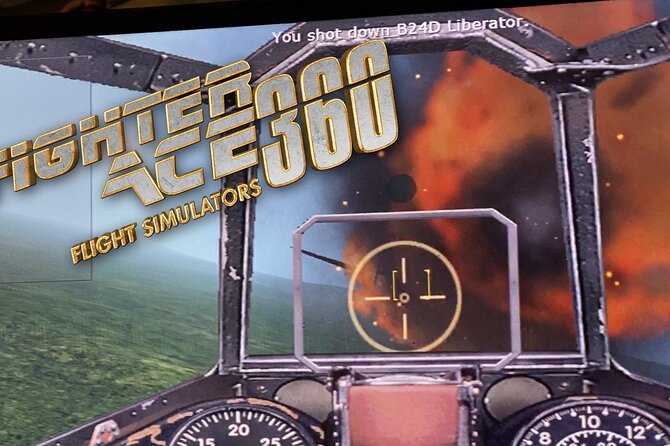
Not included: restaurant and shopping, combat flight simulators, and a Top of the Tower tour.
Are there rules for children?
Children must be accompanied by an adult. Children under 4 years old are free.
If you tell me your travel dates and whether you’re also planning the USS Arizona Memorial, I can help you map a smooth day that doesn’t feel rushed.