REVIEW · MAUI
Haleakala Sunset and Astronomy Tour
Book on Viator →Operated by Amazing Maui Stars · Bookable on Viator
Stars beat the beach on this Maui night. I love the small group (max 7) and the chance to see planets like Jupiter and Mars through a telescope at the Haleakalā summit. This tour turns a dramatic volcano viewpoint into a full-on night-sky show.
One thing to weigh: you are going to 10,000 feet after dark, so cold and altitude matter. If you have sinus issues or just had scuba diving recently, this may be uncomfortable or not recommended.
In This Review
- Key Things You’ll Notice Right Away
- Why Haleakalā Sunset and Stars Feel Different at 10,000 Feet
- Your 4:30 pm Start: The Drive, the Timing, and the Feel
- Haleakalā National Park at Sunset: Crater Views and Maui’s Geology
- From Sun to Stars: Telescope Time and What You Can Actually See
- Staying Warm at the Summit: Jackets, Chairs, and Hot Drinks
- Dinner and Snacks: What’s Included, What Isn’t, and How to Plan
- Small-Group Comfort: Why Max 7 Makes This Tour Work
- Price and Value: Is $235 Worth It on Maui?
- Weather and Altitude Reality Check: When to Rethink It
- Should You Book This Haleakalā Sunset and Astronomy Tour?
- FAQ
- What time does the Haleakalā sunset and astronomy tour start?
- How long is the tour?
- Is dinner included?
- What’s provided during the stargazing part of the tour?
- Is the tour at altitude?
- What happens if the weather is bad?
Key Things You’ll Notice Right Away
- Max 7 people: the vibe stays calm, and you can actually hear the guide at night.
- Haleakalā crater at sunset: you get the volcano view plus the switch from daylight to stars.
- Telescope + binoculars: you’re not stuck guessing; you’ll get clear targets for the sky.
- Warm gear is part of the plan: jackets, mittens, and chairs make the cold summit way more tolerable.
- Hot drinks on a night tour: tea and hot chocolate help you stay focused on what’s overhead.
- Driver/guide does the whole arc: from the drive up, to crater talk, to stargazing instructions.
Why Haleakalā Sunset and Stars Feel Different at 10,000 Feet
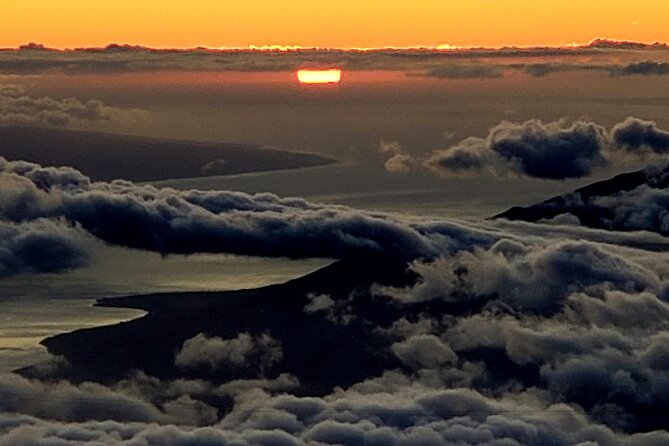
This isn’t just a sunset stop with a quick photo and a goodbye. Haleakalā’s summit sits at about 10,000 feet, and that elevation changes everything about the sky and the light. You start with a big crater-and-cloud moment, then the stars show up fast and bright.
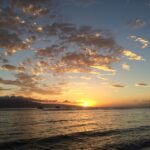
What makes the experience land is the time shift. At sunset, you’re watching the horizon and the cloud deck move in real time. Then night hits, and you’re guided toward specific sights in the dark, with a telescope doing the heavy lifting.
You’ll also hear how this volcano environment works. The tour focuses on Maui’s geology and the plants and animals that survive in this high, isolated place. It’s a nice balance: awe on the outside, facts in the middle, and wonder at the end.
You can also read our reviews of more evening experiences in Maui

Your 4:30 pm Start: The Drive, the Timing, and the Feel
You meet at 81 Ahuwale Pl, Makawao at 4:30 pm, and the tour runs about 5 hours 30 minutes, ending back at the same meeting point. That timing is intentional: it gives you enough daylight for the crater and then enough darkness for meaningful stargazing.
The ride up is part of the story. You’re not rushing straight to telescopes; you’re building context with the scenery and the geology talk as you climb. The vehicle is described as a sprinter van in at least one account, which usually means everyone has room to sit comfortably on the drive.
Because the summit is cold and sometimes windy, the schedule also matters for comfort. You’re there long enough for the sun to drop, long enough to settle in, and long enough to use the telescope without feeling like you’re getting sprayed with jet-lag.
Haleakalā National Park at Sunset: Crater Views and Maui’s Geology
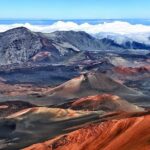
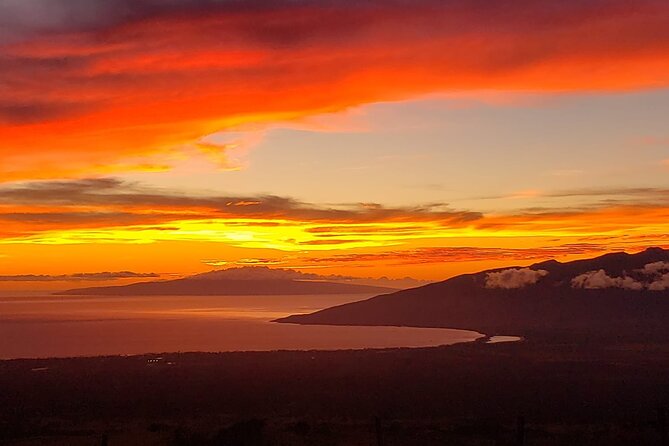
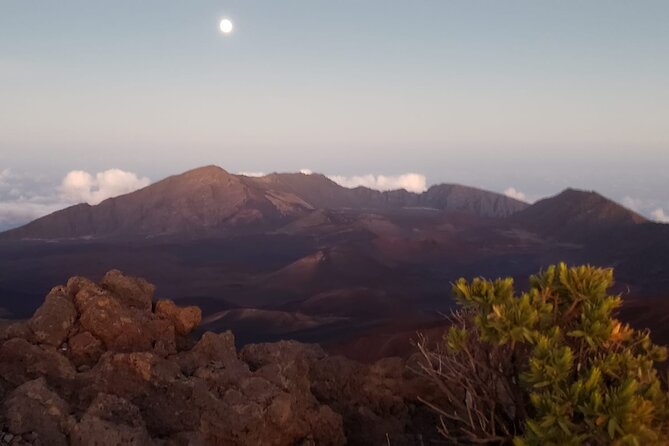
Once you’re in Haleakalā National Park, the goal is simple: see the volcano up close, then watch sunset happen from a high, clear vantage. You’ll look out over the volcanic crater area, and you’ll get explanations about the geology of Maui and what makes Haleakalā’s environment special.
This is the point where the tour earns its keep. Maui has plenty of scenic stops, but Haleakalā’s crater view has a scale you don’t get elsewhere. Add in the way the sunset sinks under cloud cover, and you’re left with a kind of quiet visual drama that’s hard to recreate.
The guide also connects the geology to living things. You’ll hear about the unique plants and animals adapted to Haleakalā’s harsh, high-elevation conditions. One account specifically notes endangered birds, plus local plants and insects that call this area home. That kind of talk makes the landscape feel less like a postcard and more like a real place with rules.
From Sun to Stars: Telescope Time and What You Can Actually See
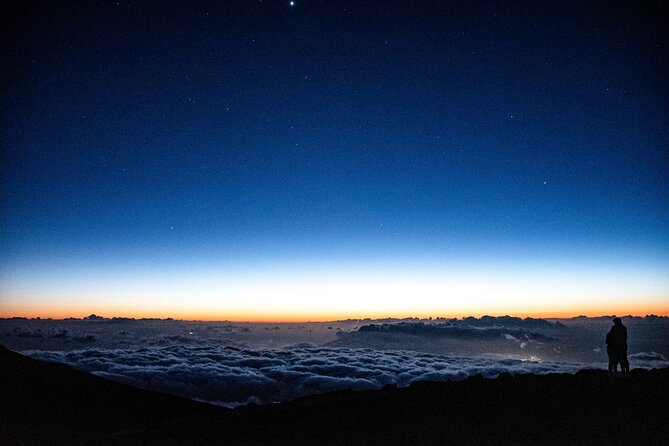
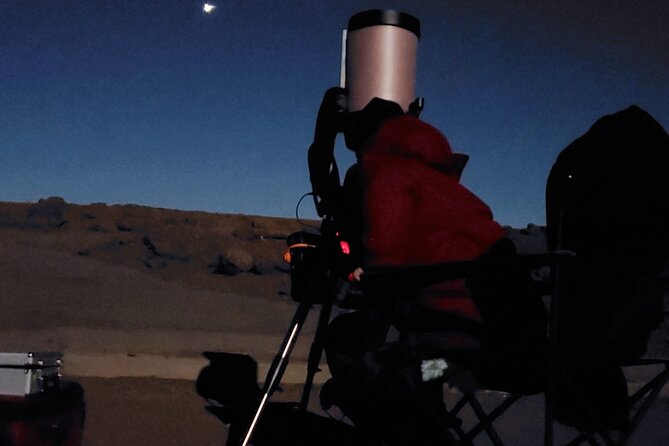
When the sun is gone, the tour shifts gears. This is when you set up for stargazing at the summit, using telescopes and binoculars. The guide points you at what to look for and explains what you’re seeing, so you’re not just standing around hoping for a miracle.
From the sky-viewing accounts I saw, you can expect some real highlights. People mention seeing the moon’s surface, and planets including Jupiter and Mars through the telescope. Even if you’re new to astronomy, this works because you’re guided to specific targets instead of scanning blindly.
You’ll also get pointers for night photography with a phone. At least one visitor notes the guide gave advice that made it easier to take better images. The practical value here is huge: you don’t want your first “Milky Way” moment to become your first “why is everything blurry” moment.
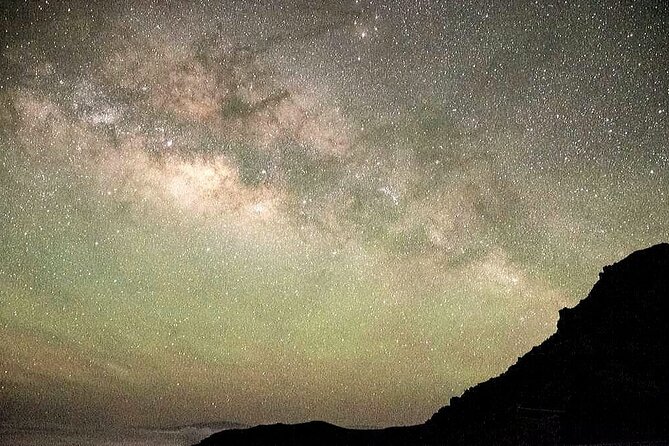
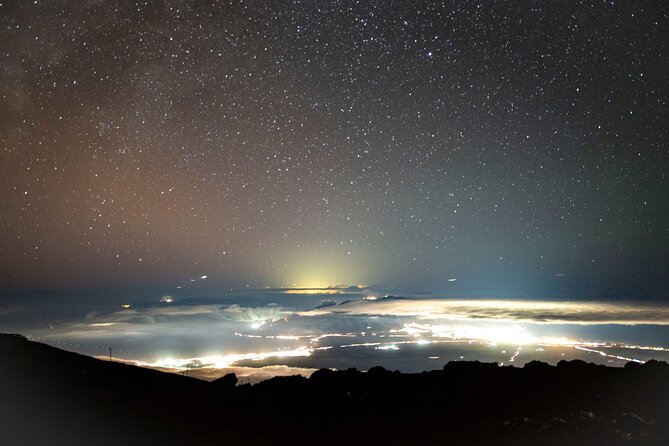
And yes, the sky can be astonishing. Several accounts call out the sheer number of stars and the visibility of the Milky Way with unaided eyes. When the conditions line up, it’s the kind of sight that makes you forget what you were doing five minutes ago.
Staying Warm at the Summit: Jackets, Chairs, and Hot Drinks
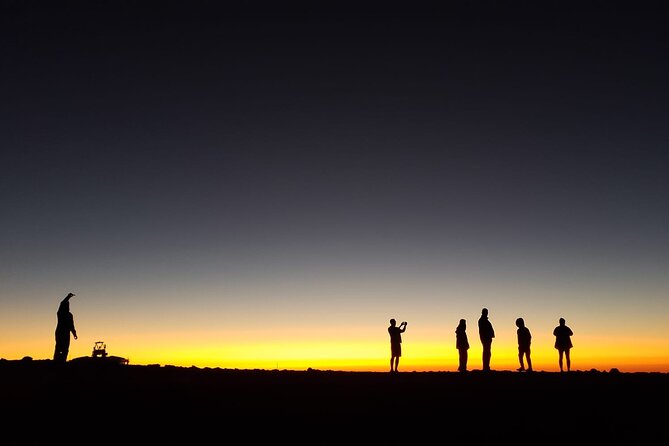
Cold is the main character at Haleakalā at night. The summit can run around freezing, and one account described temperatures near 48°F. So this tour doesn’t treat warmth as an optional extra; it builds it into the experience.
You’re provided warm outer clothing, plus chairs so you’re not stuck balancing in a standing photo pose for hours. Reviews repeatedly mention ski-jacket style gear, gloves, mittens, and warm pants. If you come underdressed, you’ll still likely be okay because the gear is part of the setup, but you’ll enjoy it more if you also wear layers under what you’re given.
Hot drinks are included: coffee and/or tea, plus hot chocolate. That sounds small until you’re out there at night with wind and cloud-drift chill. Warm sips help you stay present, especially during the slow-but-necessary time between sunset and full darkness.
This is also where the small-group format helps. With fewer people, the guide can keep everyone comfortable and organized at the same viewing spot, instead of herding a crowd in and out like a bus stop.


Dinner and Snacks: What’s Included, What Isn’t, and How to Plan
The tour includes hot drinks, warm gear, chairs, and telescope/binocular access. It does not include a full dinner. The guidance is to bring your own snacks and a boxed dinner or sandwich.
That matters because altitude and cold can make you lose patience fast. If you plan to eat only a late Maui dinner reservation, this tour could leave you hungry before the meal. A smart move is to bring a few easy items you can eat without fuss—something that won’t require a kitchen, and something you can manage in cold weather.
One review also points out a real-life issue: lots of allergies and dietary restrictions make shared meals tricky. Since the official direction is to bring your own dinner, you control your food safely.
If you want a smoother experience, consider this sequence:
- Pack a light “before sunset” snack so you’re not starving during the drive.
- Bring your dinner for after you settle in (the tour runs long enough that hunger will show up).
- Keep drinks handy besides the included hot tea or hot chocolate, if you personally prefer it.
Small-Group Comfort: Why Max 7 Makes This Tour Work
A maximum group size of 7 travelers is one of the best reasons to book this particular format. At a night-sky location, big groups can turn stargazing into a shuffle. Smaller groups mean your view isn’t blocked, your guide can spend time with your questions, and you get a calmer, more personal feel.
This tour is also set up for the rhythm of an astronomy night. You set up at one spot, watch sunset, then shift to telescope use. When everyone is close together and not constantly moving, it’s easier to hear directions and easier to take in what you’re seeing.
People mention the vibe as thoughtful and unhurried, which usually comes from exactly this sort of small-cap structure. And you feel it in the gear distribution too—warm items and chairs need time to arrange, and fewer people makes that possible without chaos.
If you want a night experience where you can actually learn something and not just look for five seconds, this group size is a real advantage.
Price and Value: Is $235 Worth It on Maui?
At $235 per person, this isn’t a budget add-on. So you’ll want to think about what you’re buying beyond the view.
You’re paying for three things that are hard to replicate on your own:
- High-summit logistics: getting you to Haleakalā at the right time, with the right flow from sunset to stars.
- Special equipment and setup: telescope access, binoculars, chairs, and warm outer wear.
- Guided astronomy: not just “here’s a sky,” but directions toward planets and the moon, plus night-photo tips.
If you tried to DIY this, you’d be dealing with cold, wind, and finding a good viewing spot while figuring out telescope settings—or paying for equipment rentals and transport. Even then, you might not get the same educational layer about Haleakalā’s geology and the living creatures adapted to the height.
Also consider timing. The tour is commonly booked about 60 days in advance, so it’s often filled when you’re still building your Maui plan. That demand usually signals people feel it’s worth doing once, especially if it’s a “top things to do” night for your trip.
Weather and Altitude Reality Check: When to Rethink It
This experience depends on good weather. If conditions are poor—like high winds—it can be canceled and you’ll be offered an alternative date or a refund. That uncertainty is part of booking a summit astronomy tour on Maui, so plan it earlier in your schedule if you can.
Altitude is the other reality check. The tour happens at 10,000 feet and continues at night. It’s not recommended for people who have recently done scuba diving, since altitude changes can be a concern. Also, if you’re sick or have sinus congestion, descending from altitude may hurt because you may have trouble clearing your ears.
Even if you’re generally healthy, come prepared for wind and cold. One account flat-out says to be ready for windy conditions. Warm clothing helps a lot, but no jacket can fully erase how cold it feels when the summit air hits you after sunset.
If any of those factors apply to you, ask yourself honestly: can you handle cold, can you handle altitude, and can you manage the possibility of weather-based cancellation?
Should You Book This Haleakalā Sunset and Astronomy Tour?
I’d book it if you want a Maui experience with real “wow” and real structure. The sunset at Haleakalā is already a winner, but the astronomy portion is what turns this into a full night out. The telescope time—paired with guidance toward specific objects like Jupiter, Mars, and the moon—makes it much more than a passive viewing moment.
You should also book if you value comfort. Warm gear, hot drinks, and chairs mean you’re not fighting the environment for most of the evening.
I’d skip or rethink it if you know altitude or cold will be a problem for you, or if you have sinus issues and ear pressure tends to be painful. And if your schedule is so tight that you can’t shift dates if weather cancels, consider putting this earlier before nonrefundable plans lock in.
Bottom line: for $235, you’re buying a guided summit evening where the sky becomes the main event—and you get there without having to figure out all the hard parts.
FAQ
What time does the Haleakalā sunset and astronomy tour start?
It starts at 4:30 pm at the meeting point in Makawao, and the tour ends back at the same meeting point.
How long is the tour?
The tour runs about 5 hours 30 minutes (approx.).
Is dinner included?
No. Dinner is not included, and the advice is to bring your own snacks and a boxed dinner or sandwich.
What’s provided during the stargazing part of the tour?
You’ll have access to a telescope (plus binoculars), warm outer wear, chairs, and hot drinks such as tea and hot chocolate.
Is the tour at altitude?
Yes. It takes place at around 10,000 feet and includes a portion that runs at night, so it can be cold.
What happens if the weather is bad?
The experience requires good weather. If it’s canceled due to poor conditions, you’ll be offered a different date or a full refund.