REVIEW · HONOLULU
Hawaii Volcanoes National Park Experience Departing from Oahu
Book on Viator →Operated by Hawaii Island Experiences, LLC · Bookable on Viator
A volcano day in one tight schedule. This Big Island trip from Oahu bundles inter-island flights and island driving into one plan, then puts Hawaii Volcanoes National Park at the center of your day with narration from guides like Mel and Henry.
I like the way the morning coffee-and-coast stops create a warm-up before the geology hits. I also like that the day isn’t just “park-and-gone” since you’ll spend the bulk of your time on the ground exploring craters, rainforest edges, and lava features. The one caution: if your flight is delayed or the weather is rough, the schedule can feel rushed, and you may have less time to linger.
In This Review
- Key highlights before you go
- From Oahu to Kona: the flight-and-van convenience
- Greenwell Farms: Kona coffee with real volcanic roots
- Manuka State Wayside Park: a calm nature break on Mauna Loa
- Punaluʻu Bake Shop plus Black Sand Beach: food, shade, and basalt drama
- Hawaii Volcanoes National Park: Halemaʻumaʻu, lava tube, and steam vents
- Mauna Kea Access Road and Kohala Coast: big altitude, big views
- Hilo for museums, tsunami memory, and local life
- Price and time: what $589.99 buys you, and what it costs you
- What to pack for an active volcano day (and why it matters)
- Should you book this Big Island day trip from Oahu?
- FAQ
- How long is the tour?
- What is included in the price?
- What is not included?
- Where do I meet for the tour?
- What time does the tour start?
- What should I bring for the Volcanoes National Park day?
- Is the tour safe for people with respiratory issues?
- Is there free cancellation?
Key highlights before you go
- Flight-included logistics: you trade rental cars and complicated connections for one coordinated day trip.
- Greenwell Farms coffee stop: a real Kona coffee origin story on the slopes of Mauna Loa.
- Punaluʻu Black Sand Beach and turtles: a dramatic basalt coastline where green sea turtles often rest.
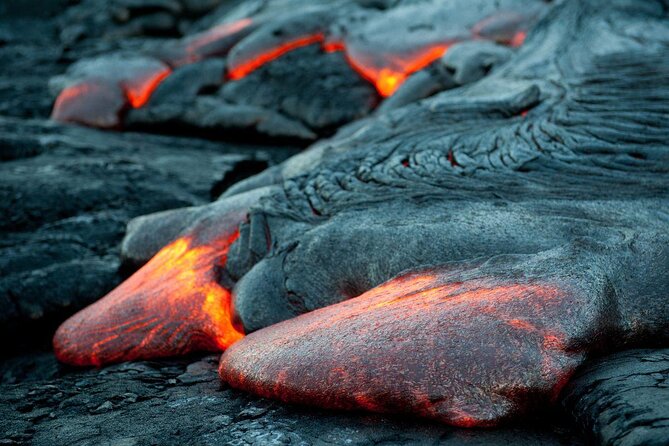
- Hawaii Volcanoes National Park on foot: visitor center context, Halemaʻumaʻu views, rainforest lookout, lava tube walking, and steam vents.
- High-elevation planning: Mauna Kea Access Road means colder air and big weather swings—layers matter.
- Small-group feel (max 22): easier movement through stops and a more personal tone with guides like Brandon, Jim, Henry, and Mel.
From Oahu to Kona: the flight-and-van convenience
This tour is built for the one-big-island-day traveler. You’re not meant to spend your trip solving transportation. Instead, the day wraps roundtrip airfare from Honolulu to Kona plus a dedicated air-conditioned vehicle once you’re on the Big Island.
That “flight package” is the main value driver behind the $589.99 price. You’re paying for three things that are hard to coordinate well on your own: correct timing, getting from Kona to the right sights, and having a guide narrate what you’re seeing while you’re moving. If you’ve ever tried to do this with a rental car on a tight island schedule, you know the stress that can creep in.
One more practical note: the meeting point is at Kona International Airport (the lot behind Alaska Baggage claim B-2, if you’re flying into Kona). Transport to the Honolulu airport is not included, so plan your Oahu morning accordingly.
You can also read our reviews of more tours and experiences in Honolulu.


Greenwell Farms: Kona coffee with real volcanic roots
Kona coffee tastes like place. At Greenwell Farms, you get the connection between agriculture and the Big Island’s volcanic engine. The farm is one of Hawaii’s oldest coffee producers, established in 1850 by Henry Nicholas Greenwell.
The setting helps explain why Kona coffee has that reputation. You’re on the slopes of Mauna Loa, where volcanic soil supports the plants, and the climate pattern matters: sunny mornings, cloudier afternoons, and consistent rainfall. That’s not just trivia; it’s why the coffee profile in Kona tends to be different from other regions.
This stop is quick (about 30 minutes), so treat it as a taste of the story rather than a long tasting tour. If you want photos of the farm grounds or a souvenir bag, be ready to move a bit fast.
Manuka State Wayside Park: a calm nature break on Mauna Loa
After Kona coffee, the pace shifts to something quieter at Manuka State Wayside Park. This 13-acre stop sits along the Hawaii Belt Road (Highway 11) on Mauna Loa’s slopes, and the big draw is contrast: wet and dry forest ecosystems close together.
You’ll walk the 2-mile Manuka Nature Trail at an easy pace if you choose to. Interpretive signs and the mix of native plants help you get your bearings about the island’s geology and ecology without feeling like you’re studying for a test.
This is also a good “reset” stop if you’re someone who gets cranky after hours in a van. Even though it’s short, it gives your eyes a break from volcanic rock textures and starts building the full Big Island picture.
Expect this to feel like a local outing more than a big tourist attraction. The admission is free, so you’re not adding cost—just a little time and good walking shoes.
Punaluʻu Bake Shop plus Black Sand Beach: food, shade, and basalt drama
The southern coast portion of the day is where a lot of people start smiling hard. At Punaluʻu Bake Shop, you’ll stop for lunch (and yes, it’s also a well-known stop for baked goods). Options can include sourdough sandwiches, Kalbi beef, Hawaiian plate lunches, and local treats paired with fresh-baked items.
Two useful tips here: first, come with a flexible lunch plan. When the lines get busy, you’ll want to choose fast and eat efficiently. Second, bring cash if you’re hoping to buy roadside treats or extras, since some spots run cash-only.
Then you’ll head to Punaluʻu Black Sand Beach, famous for basalt black sand formed from volcanic rock. It’s a striking place to stand, especially with the coconut palms framing the shore.
Swimming isn’t the main attraction—conditions can be rough. This is a “watch from shore” type of beach, and it’s also a common area to see Hawaiian green sea turtles resting near the waterline. If you’re lucky, you’ll get a long look rather than a quick glance.
Hawaii Volcanoes National Park: Halemaʻumaʻu, lava tube, and steam vents
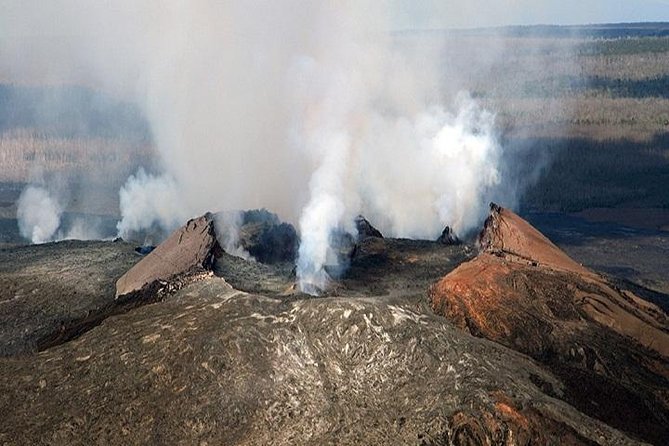
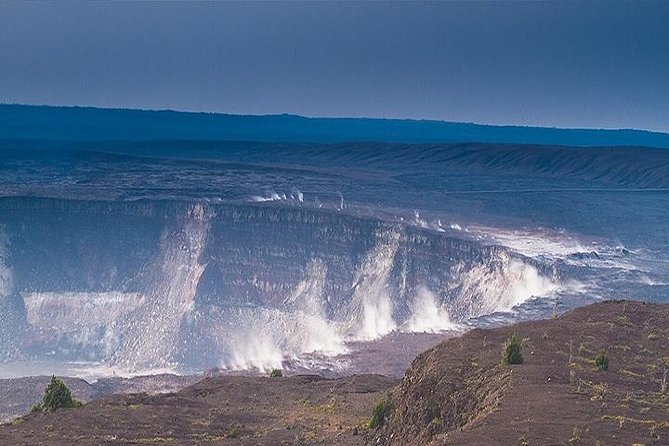
This is the reason most people book. At Hawaii Volcanoes National Park, the day isn’t just about views. You’ll start at the visitor center to get grounded in the park’s geology and history, then move through multiple stops that show different sides of volcanic activity.
Key experiences include:
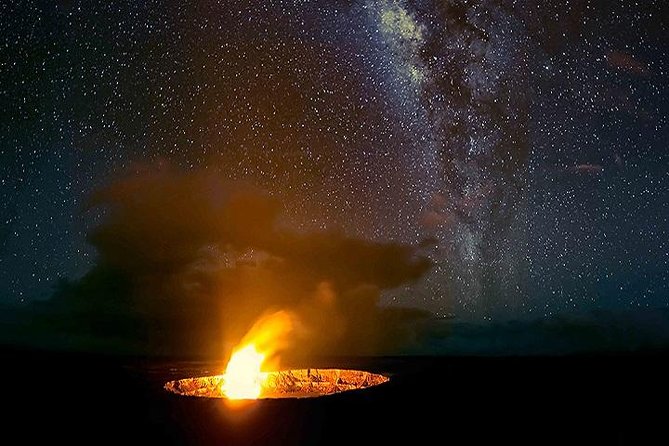
- Halemaʻumaʻu Crater: the awe-factor comes from seeing the active nature of the area. Even when lava isn’t visible the way you imagine from videos, the park teaches you how to interpret what you’re seeing.
- Kīlauea Iki Rainforest Lookout: you get contrast—lush growth wrapped around a massive crater. It’s a reminder that the island heals as fast as it remakes.
- Thurston Lava Tube: walking through a tube formed by flowing lava gives you a rare sense of scale. It’s one thing to read about lava. It’s another thing to feel the tunnel shape under your feet.
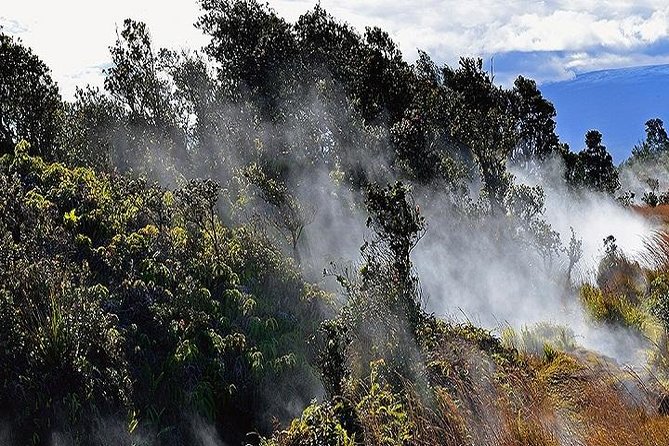
- Steam vents: the air carries heat and mineral smell, and that physical sensation makes the geothermal story real.
You’ll want to bring the right footwear because surfaces can be uneven and sharp volcanic rock is common. Also remember: cell service can be limited in the park, so download what you need before you go.
One more “expect this” item: volcanic gases can be present. If you have asthma or other respiratory sensitivity, follow the safety guidance closely.

Mauna Kea Access Road and Kohala Coast: big altitude, big views
After the park, your day expands beyond Kīlauea into higher-country scenery. Mauna Kea Access Road is a steep, winding climb from the Saddle Road (Route 200) toward the summit region. As you gain elevation, you’ll notice shifts in temperature and air density—thinner air can make even simple stops feel more intense.
This is also where weather changes quickly. The guidance is to bring layers and a rain jacket, because it can cool down and get wet higher up. Even on a “good” day, you’ll want to dress like you’re going from beach weather into mountain weather.
Then there’s the Kohala Coast side of things: it’s generally drier than other parts of the island, with scenic viewpoints, beaches, and nearby resorts. It works as a visual breather between geological stops and city-type stops.
Don’t assume you’ll have time for long walks here. Plan on this as a scenic, photo-driven portion, with short stops that keep the day moving.
Hilo for museums, tsunami memory, and local life
Toward the later part of the day, you’ll reach Hilo, which adds a cultural pulse to all the volcanic focus. Hilo’s appeal is that it’s both historical and practical: you get places that explain Hawaii’s story, plus everyday community energy.
Stops can include:
- Lyman Museum, highlighting natural and cultural history
- Hilo Historic District, with preserved early 20th-century buildings
- Pacific Tsunami Museum, which gives context for how tsunamis shaped life here
- Liliuokalani Gardens, a quiet memorial space for Queen Liliuokalani
- The Hilo Farmers Market area, which can reflect local culture through goods and produce
This part is great if you want your day to include more than geology. It also helps you understand why volcanoes and water are never just “background” on the Big Island.
If you’re hungry late, note that airport and town dining options can be limited depending on timing. Keep a snack in your bag so you don’t end up hunting for food while everyone else is doing the same.
Price and time: what $589.99 buys you, and what it costs you
Here’s the honest tradeoff: this is a long day. Expect long stretches in the van, and expect to move from stop to stop efficiently. One review-style concern that shows up again and again for this kind of day trip is the feeling that driving time can take a chunk of the day—especially when aircraft timings shift.
But the same schedule is also what makes the tour work. You’re getting a Big Island sampler: Kona coffee, coast time, multiple Hawaii Volcanoes National Park experiences, a high-elevation drive, and a Hilo culture stop.
If you like structure and you don’t want to plan flights, rental cars, and ticket entry points yourself, the price starts to make sense. If you hate being in transit, you’ll feel the cost more.
Also, group size helps. With a maximum of 22 people, the experience tends to stay manageable. Guides like Mel, Henry, Brandon, and Jim are often the difference-maker because they keep the stories going while you’re stuck in traffic and prevent the day from turning into just “drive, park, repeat.”
What to pack for an active volcano day (and why it matters)
This tour happens in real volcanic country. That’s not a metaphor—it affects what you should bring.
Pack essentials:
- Sturdy closed-toe shoes. Trails and lava surfaces aren’t forgiving.
- Water and snacks since services are limited in the park.
- Sunscreen and a hat for the brighter stretches.
- Layers and a rain jacket. Weather can change fast, especially at higher elevations.
- If you have it, bring a small umbrella too.
Safety reality check:
- The park is an active volcanic area. Watch for volcanic gases, especially if you have respiratory issues. Follow marked-trail rules.
- Cell service can be limited, so don’t rely on your phone for maps at the last minute.
And one small but smart habit: keep some cash handy for roadside stands and local shops that may be cash-only. It’s not about spending. It’s about not missing the one treat you wanted.
Should you book this Big Island day trip from Oahu?
Book it if you want maximum Big Island in one day without the headache of planning flights and logistics. This is especially compelling if Hawaii Volcanoes National Park is on your must-see list and you’d rather learn it with a guide than just read signs.
Consider skipping (or choosing a slower plan) if you get annoyed by long driving days or if you know you’re sensitive to schedule changes when flights don’t go exactly as planned. Also think twice if volcanic gases are a big concern for your health.
If you do book, I’d suggest this approach: dress for weather swings, bring snacks, and go into it expecting movement. When you’re ready to accept a fast, guided day, you’ll end up with a story you can’t recreate on your own.
FAQ
How long is the tour?
It runs about 12 hours (approx.).
What is included in the price?
Roundtrip airfare from Honolulu International Airport to Kona International Airport is included, along with transportation in an air-conditioned vehicle, Hawaii Volcanoes National Park admission, and narration from a local guide.
What is not included?
Meals are at your own expense, and transportation to the Honolulu airport is not included. Tipping your guide in cash is appreciated.
Where do I meet for the tour?
The meeting point is Kona International Airport, in the lot behind Alaska Baggage claim B-2 (with pickup details provided if you fly into Kona).
What time does the tour start?
Start time is listed as 8:00 am.
What should I bring for the Volcanoes National Park day?
Bring water, snacks, sunscreen, a hat, sturdy closed-toe shoes, and layers including a rain jacket. Cell service can be limited, so having maps ready can help.
Is the tour safe for people with respiratory issues?
The park can have high levels of volcanic gases, such as sulfur dioxide, which can worsen conditions like asthma. Follow safety guidelines and consider whether the environment fits your needs.
Is there free cancellation?
Yes. You can cancel for a full refund up to 24 hours in advance of the experience start time.