REVIEW · MAUI
Maui: Famous Road to Hana Waterfalls and Lunch by Mercedes Van
Book on Viator →Operated by Stardust Hawaii, LLC · Bookable on Viator
Hāna becomes easy when someone else drives. This fully-chauffeured Road to Hāna tour has you riding in a comfortable Sprinter van while the driver handles 617 curves and dozens of one-lane bridges, so you can focus on waterfalls, beaches, and stories. I also like the early pickup (from many Maui areas) plus an included picnic-style lunch and snacks so the day doesn’t turn into a frantic food scramble.
The main trade-off is the long, early start. This is a 9 to 10 hour outing, and the curvy road can be a lot if you’re prone to motion sickness or road anxiety—bring a plan and you’ll be fine.
In This Review
- Key things I’d prioritize before you go
- Road to Hāna, minus the white-knuckle driving
- Price and what you’re really paying for (and for what you’re not)
- Early pickup schedules and the meeting-point reality check
- The drive itself: curves, bridges, and how you can feel better on day-one nerves
- Pāʻia and Ho‘okipa Beach Park: your warm-up before the waterfalls
- Twin Falls and the less-crowded Haipua‘ena pool stop
- Keʻanae Point and banana bread: the cultural food stop that hits different
- Waterfall variety: Upper Waikani, Wailua, and Hana Bay swimming
- Ka‘eleku Lava Tube: when the day gets volcanic
- Wai‘anapanapa State Park: black sand and the best long look
- Pua‘a Ka‘a and the waterfall pool dip (bring a change of clothes)
- Wailua Valley, Honomanu, Kaumahina, and Rainbow Eucalyptus: the quieter sidebar
- Lunch and road snacks: how the included meal supports the day
- Group size, pacing, and why guide style matters
- Who this Road to Hāna tour is best for
- Should you book this Road to Hāna tour?
- FAQ
- How long is the Road to Hāna tour?
- What’s included for food and drinks?
- Do they offer vegan, raw, or allergy-friendly meals?
- Where do I meet if my hotel isn’t on the pickup list?
- Is there time to swim?
- How many people are on the tour?
Key things I’d prioritize before you go
- Professional driving on the narrow road: Your driver manages the turns and 1-lane bridge moments.
- Included food for a full day: Picnic lunch, pastries, water, cane juice, and road snacks.
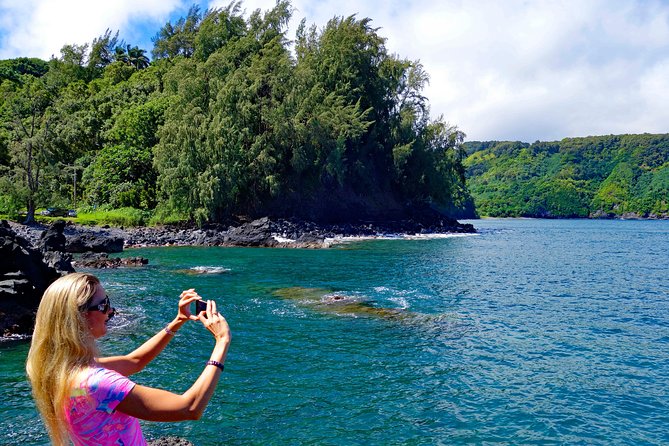
- Stops built for pictures and real exploring: You get actual time at Wai‘anapanapa and waterfall/pool spots.
- Black-sand beach time you won’t recreate on your own: Wai‘anapanapa State Park is the centerpiece.
- Food culture stops that are more than a quick bite: Keʻanae banana bread and shave ice at the Half Way stand area.
- Small group comfort (up to 14 people): Easier pacing than big buses, though seats can fill on busy days.
Road to Hāna, minus the white-knuckle driving
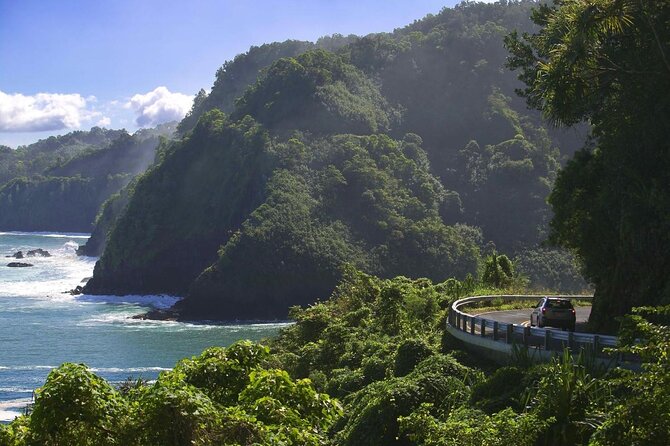
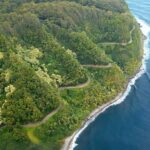
The Road to Hāna is famous for being dramatic. It’s also famous for being stressful if you’re behind the wheel. Here, the biggest “value” is simple: you don’t have to white-knuckle a rental car through winding coastal stretches and one-lane bridges.
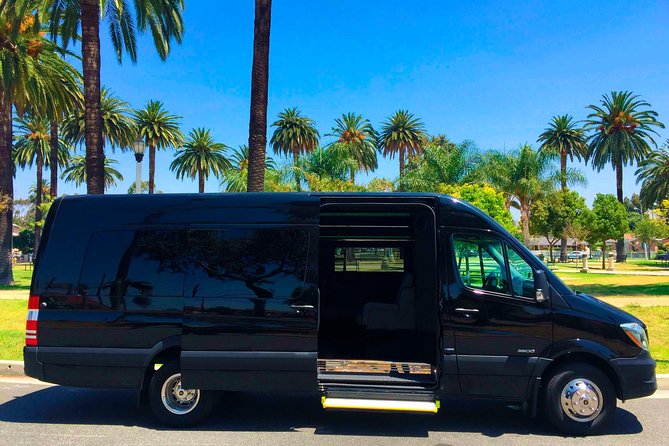
You’ll ride in an air-conditioned Sprinter van, and the driver is there to do the hard part while your guide does the interpretive part. Expect an early departure and steady movement through multiple stops. That structure matters because the Road to Hāna works best when you’re not deciding everything on the fly.
Also: guides in this lineup (like Rodger, Marty, Quinn, Brian, and Dom) tend to be people who can turn what you’re seeing—taro patches, lava tubes, rainforest plants—into a story you can remember after the car ride is over. You feel that when the van slows for the views and narration keeps you from tuning out during the “roads between stops.”
You can also read our reviews of more tours and experiences in Maui

Price and what you’re really paying for (and for what you’re not)
At $249.99 per person for about 9 to 10 hours, this isn’t a “cheap bus tour.” But you’re not just buying a seat. You’re buying:
- Driver stress relief on a road most rental-car plans struggle with
- Round-trip time efficiency via pickup and drop-off
- Included food: lunch plus snacks and drinks
- Live commentary so your stops feel connected, not random pullouts
If you tried to DIY this with a rental car, your costs don’t only include the car. You’d also be paying with effort: figuring out parking, timing, where to stop for the best pools, and how not to waste daylight on a route that changes with traffic and weather.
The best way to think about the price is “one paid decision so you can spend the day looking at Maui instead of managing logistics.”
Early pickup schedules and the meeting-point reality check
This tour starts early—pickup details run with a 5:45 am start time. If your hotel is listed, you’ll likely be picked up from your accommodation. If it isn’t, you’ll meet at a designated location.
A few common meeting-point rules that can affect your morning:
- If you’re in Napili-Honokowai, Kahana, or Kapalua, you meet at Lahaina Cannery Mall main entrance by Starbucks at 6:00 am.
- If you’re in Wailuku, the meeting point is Maalaea Park n’ride at 6:30 am.
- If you’re in Paia, Makawao, or Kula, the meeting point is Kahului Park n’ride at 6:40 am.
You’ll also want to confirm your pickup setup because hotel pickup isn’t guaranteed for every area. If you hate mornings, plan your evening so you’re ready to go—this tour doesn’t wait for late starts.
The drive itself: curves, bridges, and how you can feel better on day-one nerves
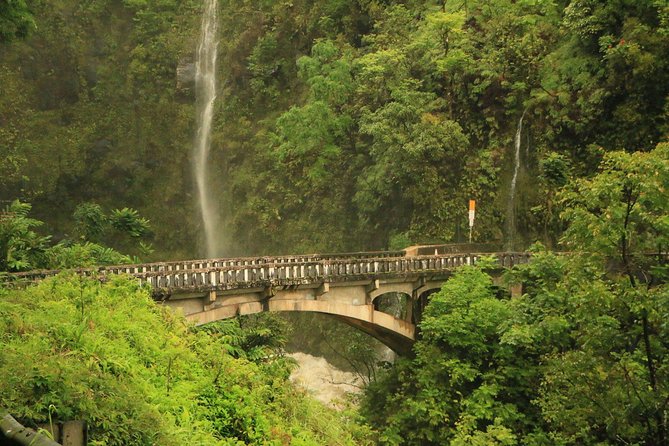
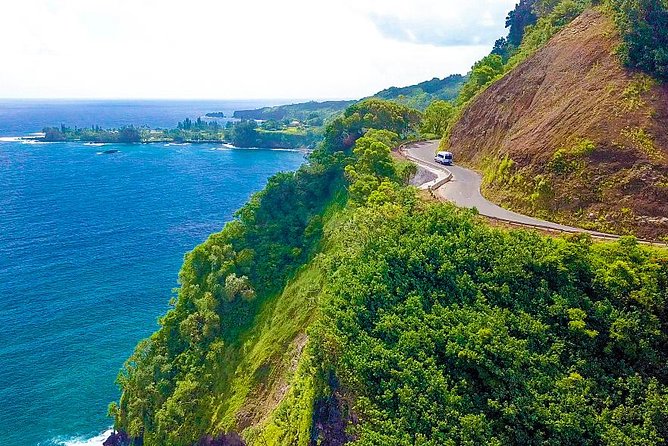
The route is the whole experience. You’ll travel through lush rainforest stretches and coastal sections while your driver manages the 1-lane bridges and constant curves. Even if you don’t care about math, it helps to know the scale: the Hana route here is described as having hundreds of curves and dozens of one-lane bridges.
If you’re prone to nausea, take it seriously. One rider recommendation that fits the reality of this route: consider motion-sickness protection before you leave. Layering also helps—early starts can feel cool before the sun warms things up, then temperatures shift as you move toward the coast.
And if you get anxious about narrow roads, remember: you’re not doing the driving. Still, you’ll feel the road in your body if you’re sensitive. Bringing a small “comfort kit” (water, a layer, meds if you use them) makes the day smoother.
Pāʻia and Ho‘okipa Beach Park: your warm-up before the waterfalls
Before the day becomes waterfall-heavy, you’ll get a slice of Maui life.
Pāʻia is your early window into the island’s plantation-town past. You’ll see a community split into Lower Pāʻia and Pāʻia, with colorful, rustic storefronts and local art and shopping. Even if you don’t shop, the town stop works as a mental reset: you’re not just riding through—you’re stepping into Maui culture.
Then you hit Ho‘okipa Beach Park, where you can watch wind sports—windsurfers, kite boarders, and surfers—depending on conditions. It’s also a turtle watching spot. If you’re lucky, you’ll see large Hawaiian green sea turtles along the shoreline basking in the sun.
This stop is short, so treat it like a “look and breathe” pause. You’ll appreciate it more because the rest of the day moves fast.

Twin Falls and the less-crowded Haipua‘ena pool stop
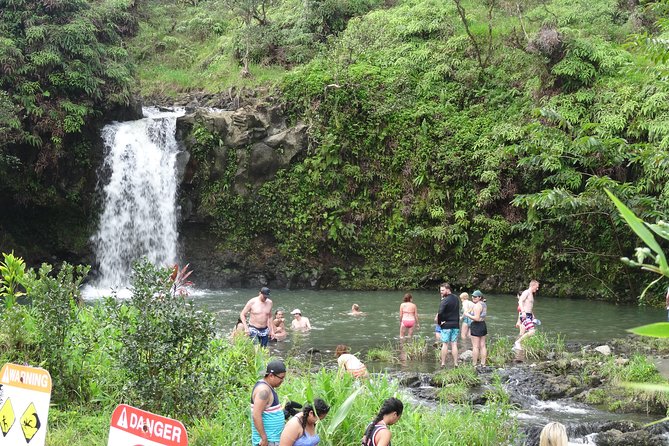
Once you’re on the Hana Highway proper, the waterfalls become the rhythm of the day.
You start with Twin Falls, described as the first easily accessible string of waterfalls and pools on the route. This is a good early target because you’re still fresh and the day hasn’t hit its fatigue point.
After that, you may get a stop at Haipua‘ena Falls, a smaller waterfall and pool along the way. What makes it appealing is the vibe: the description highlights that it’s less busy than the well-signed options, partly because the trail can be unsigned and muddy. That means fewer crowds and a more local-feeling feel—if you’re okay with simple, unpolished access.
Practical note: pools and water access on this route vary with weather and trail conditions. If you want a swim, bring the right gear and be flexible.
Keʻanae Point and banana bread: the cultural food stop that hits different
Keʻanae is one of those Road to Hāna areas where you can feel the island’s everyday rhythm.
At Ke‘anae Point, you’ll see small Hawaiian villages and traditional land use—taro, breadfruit, bananas, and pig hunting in the local lifestyle described for the area. The views from the peninsula also connect you to the landscape of taro farming.
This is also where the famous Half Way to Hāna Snack stand area comes in—shave ice, fresh coconut, cold drinks, and the well-known banana bread tradition.
Then comes the dedicated stop at Aunty Sandy’s Banana Bread in Keʻanae. Aunty Sandy Hueu started baking the bread in 1983, and later her daughter Tammy joined the business to create a family-run food stand. For a Road to Hāna day, it’s a strong choice because you’re not just buying dessert—you’re buying a specific story tied to a specific place.
If you’re choosing one sweet thing to prioritize, this is it.
Waterfall variety: Upper Waikani, Wailua, and Hana Bay swimming
Later in the day, the stops shift from village food to waterfall variety and coastline moments.
You’ll likely see Upper Waikani Falls, often referred to as Three Bears because of three parallel falls. It’s the kind of stop where your photos might not match what you hoped (water flow varies with conditions), but the view and the effort to get there are still worth the pause.
You’ll also get Wailua Falls, described as picturesque and easy to access from the Hana Highway—you may not even need to get out of the car to see it. This makes it a useful “quick win” stop when you want the payoff without losing too much time.
Then there’s Hana Bay and Hana Beach Park, known for its long black-sand beach and called the safest swimming option along East Maui’s coast in this route description. It’s protected by a coral reef and sheltered from bigger swells by the shape of the bay. In other words: it’s one of the better places to plan a swim if the water is calling your name.
Ka‘eleku Lava Tube: when the day gets volcanic
Between rainforest and water, you’ll get a geological detour: Ka’eleku Cave, described as the largest accessible lava tube on Maui.
Lava tubes form when surface flows cool and harden, leaving a channel for lava to travel underground. Later, tubes can cave in over time, which is why Maui has fewer large accessible tubes. Here, you get the chance to experience one of the best survivors.
Even if caves aren’t your thing, this stop adds variety to the day. Otherwise, everything blurs into “pretty water and green trees.” The volcanic story is what keeps the route from feeling repetitive.
Wai‘anapanapa State Park: black sand and the best long look
If you want one stop that tends to make people remember the day, it’s Wai‘anapanapa State Park.
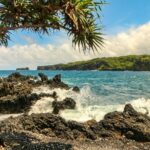
This is Maui’s famous black sand beach, with cobalt blue ocean water and black lava rocks. The route description emphasizes that the lava from a relatively recent flow is around 10,000 years old, which is a mind-bender if you like scale and deep time.
You’ll spend about an hour here, which is enough time to:
- Walk along the edge of the bay
- Pause for panoramic views over the jagged basalt coastline
- Sit under shade and just let the views do their job
The best strategy is simple: don’t rush. This is one of those places where the photos are great, but the feeling is better when you slow down.
Pua‘a Ka‘a and the waterfall pool dip (bring a change of clothes)
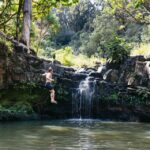
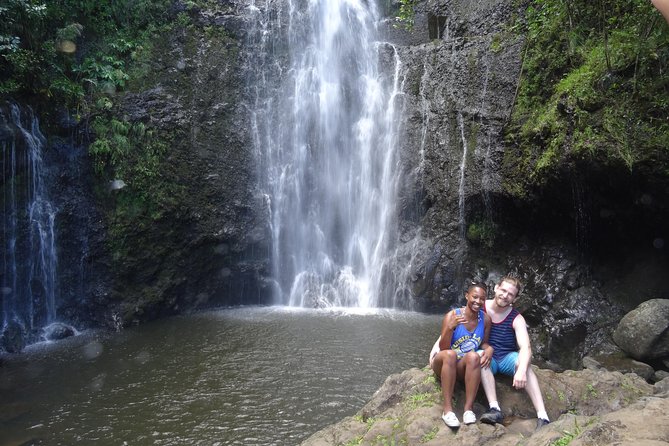
Later, you’ll reach Pua‘a Ka‘a State Park, where getting to the waterfall is described as fairly easy. On hot days, people like to take a dip in the chilly water.
The practical advice here is clear: wear a swimsuit layered under clothes, and bring a change of clothes plus towels. This is not the stop to treat like a quick walk—if you plan to swim, plan to change.
That small bit of prep turns an optional dip into an easy win.
Wailua Valley, Honomanu, Kaumahina, and Rainbow Eucalyptus: the quieter sidebar
Not every stop is a waterfall or a beach.
At Wailua Valley State Wayside Park, you’ll learn about the ahupua‘a system and see taro patches tied to Hawaiian cultivation traditions. The description also notes a connection to Hawaiian legend, where taro is treated as an older brother figure in the stories of Hawaiians. Even if you only catch parts of the narration, the stop is a reminder that this road isn’t just scenery—it’s living culture.
After Keʻanae, you’ll also get scenic pullouts like Honomanu Bay and Kaumahina State Wayside Park. These can be brief, but they help you feel the drive between the biggest icons.
Finally, there’s Eucalyptus Rainbow Trees, described for their bark shedding and colored patches—green, blue, purple, orange, and maroon. It’s quick, but it gives you something different from waterfalls and black sand.
Lunch and road snacks: how the included meal supports the day
Food on the Road to Hāna isn’t just comfort—it’s logistics.
You get a picnic-style lunch with homemade sandwiches from a local deli: ham, turkey, or veggie. Snacks include water, Hawaiian cane juice, and pastries. You’ll also see references to ginger chews in rider feedback, which makes sense for a day full of curves.
One important limitation: special diets like raw/vegan or allergy-friendly needs aren’t available. If you have restrictions beyond the provided sandwich choices, you’ll need to bring your own food.
If you can eat the standard options, the included meal is a genuine convenience. It keeps you from spending your limited stop time searching for a decent sandwich while the van waits.
Group size, pacing, and why guide style matters
This tour caps at 14 travelers, which is small enough that you can feel individual attention. Still, some days fill every seat, so it can feel a bit tight if you’re tall or prefer extra elbow room.
That’s why guide style matters. In rider feedback, guides like Marty and Quinn get called out for pacing, timing, and staying ahead at stops—especially on photo hotspots. A good driver and good guide also help prevent the most common Road to Hāna problem: losing your day to a slow schedule on the return drive.
If you’re doing this as a first-timer, I’d treat this tour as a “get it right once” plan. Let the driver and guide handle the order of stops so you’re not guessing.
Who this Road to Hāna tour is best for
This tour is a strong match if you:
- Want to see the Hana highlights without renting a car for the hardest drive of Maui
- Like a guided day with narration so the stops feel meaningful, not random
- Want an included lunch and road snacks so you can spend time at each location
- Plan to swim at at least a couple of water stops (waterfall pools and Hana Bay)
It’s less ideal if:
- You hate long early mornings and don’t handle motion well
- You need strict dietary accommodations beyond ham, turkey, or veggie
- You’re picky about crowds and expect long, quiet time at every famous stop (Wai‘anapanapa is popular, even with good timing)
Should you book this Road to Hāna tour?
If your priority is seeing the Road to Hāna waterfalls, black sand, and coastline highlights without driving the curves yourself, I think this is a smart book. The value is in the combo: chauffeured transport, included food, and guided stop timing.
Book it if you’re the type who wants to relax during the drive and focus on the sights when you arrive. Skip it only if you know you can’t handle early starts or curvy-road motion, or if you have dietary needs beyond the offered lunch sandwiches.
If you do book, do one thing that pays off instantly: plan your morning so you’re on time for pickup, and pack for water and temperature swings. That’s how you turn a long day into a memorable one.
FAQ
How long is the Road to Hāna tour?
It runs about 9 to 10 hours.
What’s included for food and drinks?
Lunch is included as picnic-style homemade sandwiches (ham, turkey, or veggie), plus snacks, water, Hawaiian cane juice, and pastries.
Do they offer vegan, raw, or allergy-friendly meals?
No. They don’t provide other food alternatives for raw/vegan or food allergies. If you’re on a special diet, you’ll need to bring your own food.
Where do I meet if my hotel isn’t on the pickup list?
If your accommodation isn’t listed, you’ll meet at a designated pickup point. For example, Lahaina Cannery Mall main entrance by Starbucks is used for some areas at 6:00 am, and Kahului Park n’ride is used for some areas at 6:40 am.
Is there time to swim?
Yes. The tour includes stops with pool access at waterfalls, and Hana Bay/Beach Park is described as a safe swimming beach. Pua‘a Ka‘a State Park is also a place people go for a dip.
How many people are on the tour?
The tour maximum is 14 travelers.