REVIEW · MAUI
Maui: Molokini and Turtle Town Snorkeling aboard Pride of Maui
Book on Viator →Operated by Pride of Maui · Bookable on Viator
Molokini plus turtles in one half-day. This tour pairs a stability-focused maxi catamaran ride with two top snorkeling stops—Molokini Crater for standout water clarity and Turtle Town for Hawaiian green sea turtles. The guides keep things calm and organized, so even first-timers (and non-swimmers) can relax into the routine.
What I like most is the built-in comfort and value: breakfast and a hot lunch are cooked onboard, then you get an open bar after snorkeling with microbrewed beer, wines from Napa, and mai-tais. You also get snorkeling gear and safety help geared toward beginners, plus options like SNUBA for an extra charge. One possible drawback to plan for: the day depends on conditions, and if Turtle Town can’t be safely reached, you may end up with less in-water time than you expected.
In This Review
- Key things I’d pencil into your day
- Pride of Maui: a smooth, spacious platform for snorkeling
- Molokini Crater: why this volcanic spot is the main event
- Bonus wildlife time on the way out and back
- Turtle Town: lava formations, green sea turtles, and the reality check
- Snorkeling setup and safety rules that matter
- What happens onboard: breakfast, lunch, drinks, and the pacing
- SNUBA on Pride of Maui: worth the extra cost for some people
- Getting there: Maalaea Harbor and finding the right boat
- What to pack (and what to avoid)
- Value check: what you’re really paying for at $203
- Who should book this tour on Maui?
- Should you book Pride of Maui for Molokini and Turtle Town?
Key things I’d pencil into your day
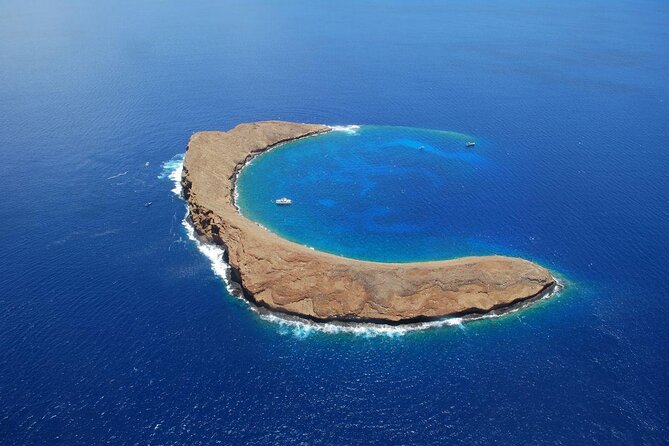
- Molokini is a rare volcanic caldera with famed visibility, good for seeing fish and corals you don’t always spot elsewhere.
- Turtle Town lava formations are where Hawaiian green sea turtles gather, making this stop the wildlife-focused part of the trip.
- A big catamaran with lots of space helps keep the ride comfortable for families, plus the boat runs at reduced passenger capacity.
- Real food and drinks onboard: breakfast, lunch, soda, and alcoholic beverages are included.
- SNUBA is optional (extra cost), with instructions for a controlled swim about 15 feet down.
- Safety-first snorkeling rules include no full-face masks, plus guides in the water to help you get oriented.
Pride of Maui: a smooth, spacious platform for snorkeling
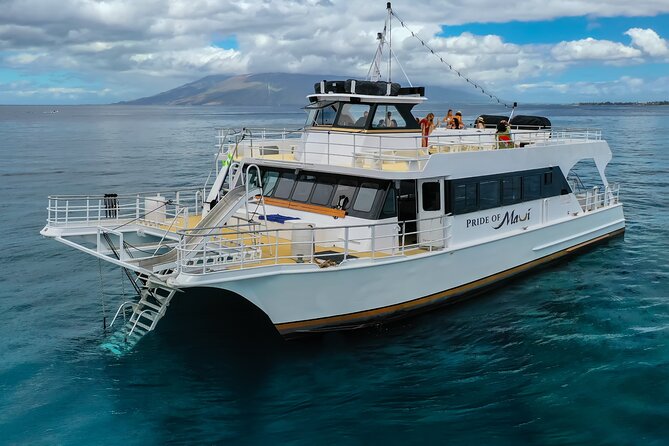
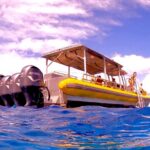
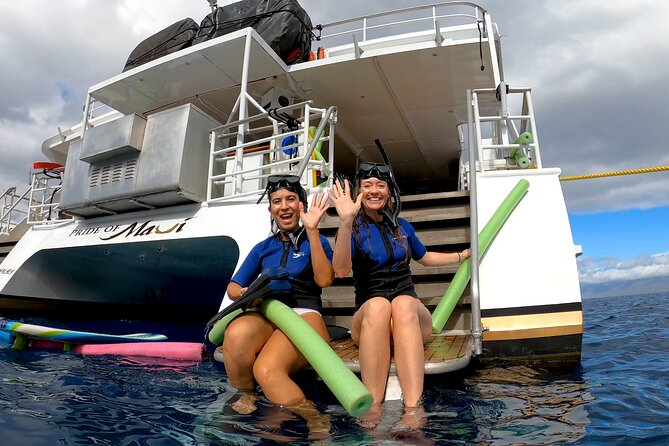
This is a classic Maui snorkeling combo done the practical way: you start on a catamaran that’s set up to keep the day moving without feeling rushed. The Pride of Maui is described as a “largest maxi power catamaran” and, more importantly, it’s built for fewer bodies per square inch—operating at about 60% of Coast Guard capacity. Translation: you’re less likely to feel packed in when you’re waiting for your turn in the water.
The crew approach shows up in the small details. Before you’re in the water, you get a pre-snorkel safety briefing and orientation, and there are trained people to support you while you’re snorkeling. There’s also a note that lifeguards are in the water with guests, which matters when you’re snorkeling in open ocean conditions where your comfort level can change fast.
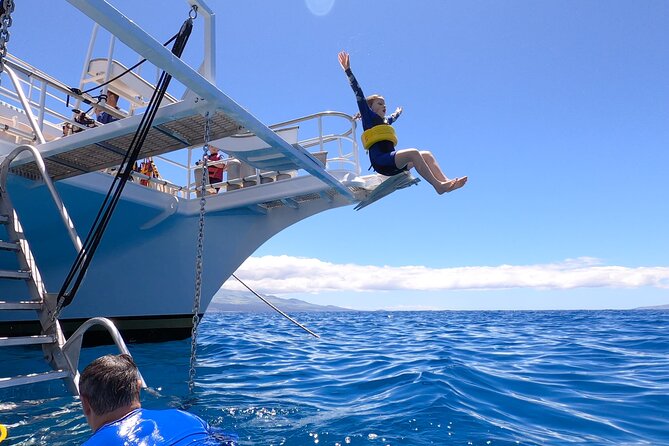
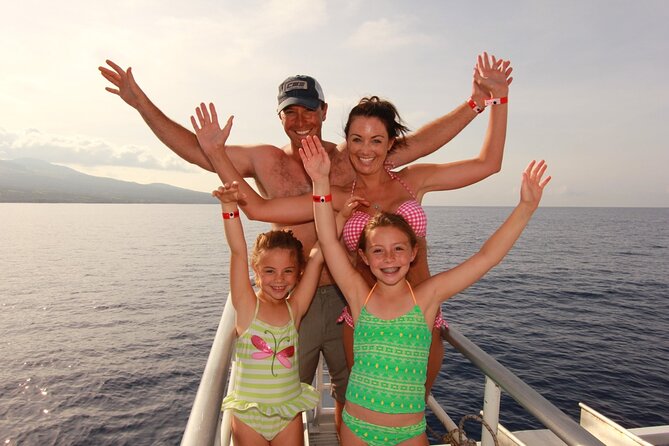
And yes, this boat is family-friendly in the ways you actually feel. There’s a water slide for kids, pool noodles for floating, and a freshwater shower to rinse off when you’re done. Bring a towel—people will thank you for it later when you’re climbing back onboard.
You can also read our reviews of more snorkeling tours in Maui
Molokini Crater: why this volcanic spot is the main event
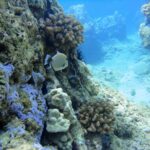
Molokini Crater is the first snorkeling stop, and it’s the one most people picture when they say snorkeling on Maui. This isn’t just a pretty name: it’s a sunken volcanic caldera, and Molokini is described as one of only three of this type found in the world. That matters because the underwater structure creates a sheltered-feeling area where fish and marine life can gather.
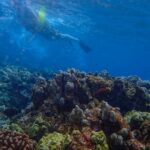
The tour is set up around the fact that Molokini often delivers unusually clear visibility. When the water is calm and clear, the underwater “sculpture” of the crater can make even a casual snorkel feel like you’re looking through glass. If you’re hoping to see colorful tropical fish and coral growth, Molokini is where you’re most likely to get that payoff.
What I’d plan for at Molokini: your time in the water is real ocean time. Even when conditions are comfortable, you’re still wearing gear, floating, and scanning constantly. One review-style note that’s worth taking seriously: if you’re helping kids or you get motion sick, the day includes moments when people gear up mid-cruise. I’d pack motion-sickness support if that’s a thing for your family.
Also, don’t go in expecting a guaranteed parade of fish in every single patch. Water clarity at Molokini can be excellent, but what you see can still vary depending on conditions and other boats in the area. That said, Molokini is widely loved for the combination of structure, light, and fish habitat.
Bonus wildlife time on the way out and back
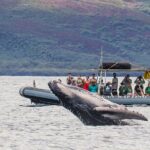
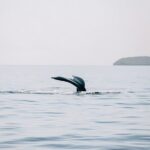
Molokini days on Maui often include whale sightings during winter, and this tour is set up to pause for them when conditions allow. The crew’s approach described here includes maintaining distance—at least 100 yards—and slowing down so whales can be observed safely. If you see humpbacks or dolphins from the boat, it becomes a second “event,” even though the main focus stays on snorkeling.
Turtle Town: lava formations, green sea turtles, and the reality check
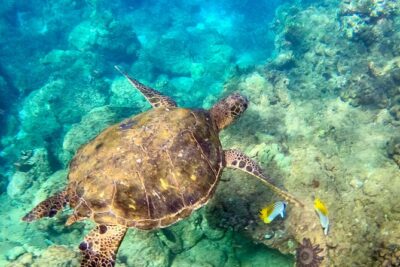
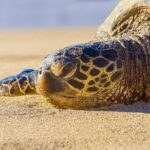
After Molokini, you head toward Turtle Town, a set of underwater lava formations where Hawaiian green sea turtles are known to gather. This stop is where the tour shifts from scenery and fish to a more direct wildlife encounter. If your goal is to see turtles up close in their natural environment, Turtle Town is the part of the itinerary that can feel like the highlight of the whole trip.
When Turtle Town conditions are good, it’s described as calm water with bountiful marine life and strong visibility. The lava formations create “roads” for sea life, and turtles often cruise near the structure. The crew also helps guests manage their snorkeling in a way that’s friendly for first-timers—so you’re not left to figure out everything on your own once you’re in the water.
Now for the part you should take seriously: weather can change the plan. This is ocean snorkeling, and the tour requires good conditions. If surf or wind makes Turtle Town unsafe at the moment you arrive, it may be skipped in the interest of safety. When that happens, you might spend more time at Molokini or at alternate snorkeling areas, depending on conditions.
The upside is that safety-first decisions are still a form of value. A canceled or shortened stop can feel disappointing if you built your day around turtles. But it’s better than forcing a swim where you’re uncomfortable, cold, or struggling against rougher water. If turtles are your number-one reason for booking, pick your timing wisely and don’t assume every single day will be perfect.
Snorkeling setup and safety rules that matter
This tour includes snorkeling equipment, and there’s a clear safety limitation: no full-face snorkeling masks will be allowed. Standard masks are provided (along with the rest of the kit), and the goal is to keep the water and safety procedures predictable for everyone onboard.
Another practical note: the tour includes guidance for beginners. That means if you can swim a little—or not at all—you’re still more likely to feel supported than if you were on a DIY snorkel plan. The crew’s job is to keep the group organized, explain where to look, and help you feel steady in the water.
If you’re considering SNUBA, this tour gives that option onboard for an additional charge. SNUBA is presented as a controlled experience about 15 feet beneath the surface, with expert instruction. That’s great if you want an experience closer to scuba-style viewing without going full certification route. If you’re snorkeling comfortably already, you might still love SNUBA as a “second level” to your marine-life time.

What happens onboard: breakfast, lunch, drinks, and the pacing
This is an all-inclusive half-day in the truest sense: breakfast, lunch, soda/pop, and alcoholic beverages are included. You’re not paying extra for the basics, and you’re not stuck buying snacks while you wait to get in the water.
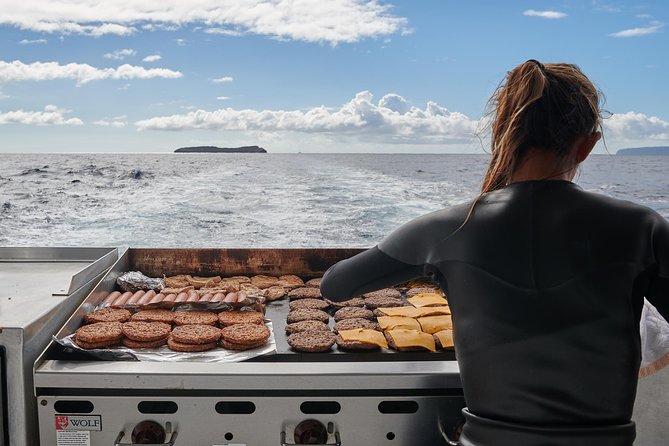
Breakfast and lunch are part of the flow, not an afterthought. Breakfast is described as items like muffins, croissants, pineapple, grapes, oranges, and locally grown coffee, along with juices such as guava and passion fruit. Lunch is cooked onboard and served hot off the grill after the first snorkeling session. If you’re traveling with kids, this matters: you have a predictable meal window that keeps energy up between water sessions.
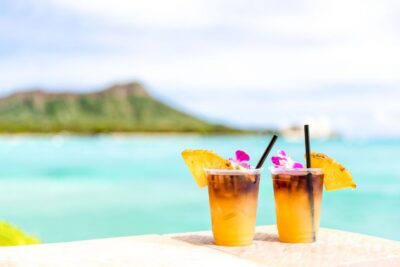
After snorkeling, the open bar is part of the reward. Options described include ice-cold microbrewed beer, wines from Napa, and mai-tais. This is a fun detail if you’re traveling as a couple or group—because you can decompress without hunting for a bar once you’re back at shore.
Pacing is also part of what makes or breaks snorkeling tours. This one aims to keep the day organized: you snorkel at Molokini first, then head to the second stop, with food in between so you’re not hangry and miserable. If you’re prone to feeling overheated, there is shade on the boat, but plan for Maui sun before you’re in the water.
SNUBA on Pride of Maui: worth the extra cost for some people
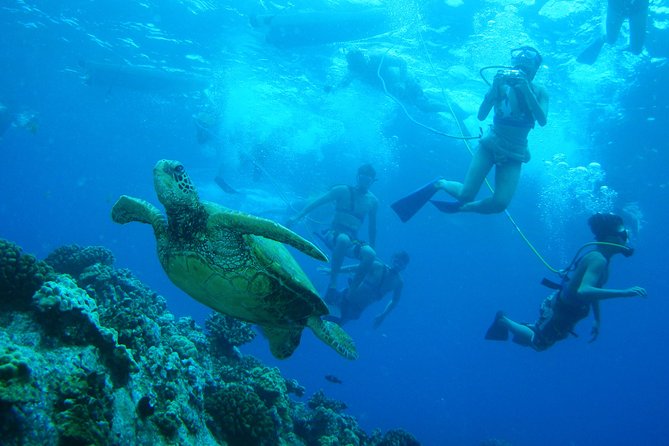
SNUBA is optional, not included, but it’s offered onboard for an additional charge. The setup is described as a safe, controlled experience with instructors and a swim depth around 15 feet. If you want a closer look at marine life while still staying in a guided system, SNUBA can be the upgrade that turns a good snorkel day into a memorable one.
That said, I’d decide based on your own comfort level. If you’re already a confident snorkeler and you’re chasing turtles at Turtle Town, snorkeling may feel like the best use of your time. If you’re new to underwater viewing and want help managing breathing and staying positioned, SNUBA can be a confidence-builder.
Because it’s additional cost, treat SNUBA like a “choose-your-own-excitement” add-on—not a requirement to get a great day on the water.
Getting there: Maalaea Harbor and finding the right boat
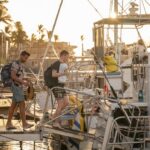
This tour starts at 130 Maalaea Rd, Wailuku, with check-in at 7:30am (about 30 minutes prior to start). You end back at the same meeting point. It’s also noted that private transportation isn’t provided to or from Maalaea Harbor, so plan to get yourself there.
One logistics warning that’s easy to miss: there are two boats on opposite sides of the harbor. Make sure you park and check in at the right location, because it’s a long walk if you end up at the other side. Parking is described as $2 across from Carl’s Jr. before the Ocean Center.
If you’re arriving early and walking around, use the address as your anchor, then follow staff direction at check-in. It’s the kind of detail that saves stress.
What to pack (and what to avoid)
A few things will make your day smoother:
- Bring a towel for after snorkeling.
- Wear reef/eco-friendly sunscreen, and note that aerosol sunscreen may not be allowed. Bring a lotion-style sunscreen if you have one you trust.
- Pack swimwear you can live in. Once you’re out of the water, you’ll want quick-drying clothes for the ride back.
If you’re motion sensitive, also bring a plan. Even though the boat is set up to be stable, any day at sea can trigger nausea for some people. That’s especially relevant for kids. If your family tends to feel sick on boats, ask a pharmacy about motion-sickness options before you go.
Value check: what you’re really paying for at $203
At $203 per person, this tour isn’t the cheapest snorkel option. But it’s also not just a “boat ticket to the water.” You’re paying for a whole package: a catamaran ride, two snorkeling destinations, snorkeling equipment, a guided day with safety support, and included meals plus drinks.
The value gets clearer when you price the pieces out mentally. Snorkeling gear rental, a cooked lunch, and an open bar are often separate costs on other tours. Here, breakfast, lunch, soda/pop, and alcoholic beverages are included. That can make a big difference if you’re traveling as a family and would otherwise spend on snacks and drinks anyway.
You’re also paying for comfort and space. The Pride of Maui is positioned as stable and spacious, running at reduced capacity compared with what the boat can technically carry. In practice, that can mean less crowding while you wait, easier movement onboard, and a calmer experience for kids.
So is it worth it? If you want both Molokini and Turtle Town, want the food and drinks included, and want a guided setup that’s beginner-friendly, the price starts to look reasonable fast.
If you only want a quick, low-cost snorkel, you can probably find cheaper options elsewhere. But you’ll usually trade off the inclusions and the structured guidance.
Who should book this tour on Maui?
This one fits especially well if you want an organized half-day that covers two major snorkeling areas without you needing to think too hard. You’ll likely love it if:
- you’re a first-timer and want a crew that helps you feel steady in the water
- you’re traveling with kids (the boat has a water slide, plus practical onboard amenities)
- you want food handled for you—breakfast and a hot lunch, not snack-box roulette
- you like the idea of SNUBA as an optional upgrade
- you want a realistic chance at whales while you’re cruising to and from Molokini during the season when whales are common
It may be less ideal if your top priority is a guaranteed Turtle Town experience no matter the weather. Since ocean conditions control what’s safe, some days can shift. Also, if your ideal snorkel day is strictly about massive amounts of colorful fish with zero pauses or wildlife stops, you might find your expectations don’t match ocean reality.
Should you book Pride of Maui for Molokini and Turtle Town?
If you’re looking for a half-day that blends high-visibility snorkeling at Molokini with sea turtle chances at Turtle Town, this is a strong choice—especially because meals, gear, and drink inclusions take a lot of friction out of the day. The ship’s size and described stability, plus the guide-led safety setup, are a big deal if you’re traveling with kids or you’re not the most confident swimmer.
I’d book it when turtles and structure matter to you, and when you’re okay with the ocean calling the shots. Bring a towel, use reef/eco sunscreen, and plan to enjoy the ride as much as the water.