REVIEW · MAUI
Maui Surf Instruction 101 at Kalama Beach in Kihei
Book on Viator →Operated by South Pacific Kayaks & Outfitters · Bookable on Viator
First-time surf goals meet real ocean time at Kalama Beach Park in Kihei. Maui Surf Instruction 101 is built for beginners with a soft-top board plus rash guard and neoprene booties, and you get real coaching in the water instead of just watching. One consideration: the action ends with an optional photo package that can add a noticeable extra cost.
This lesson runs about 2 hours, in English, with a maximum of 12 people, so it stays moving and not you-wait-all-day. You’ll meet at 1965 S Kihei Rd (no hotel pickup), do a shore briefing on waves and surf etiquette, and then head to a beginner-friendly spot locals call The Cove.
In This Review
- Key Points Worth Knowing Before You Go
- Kalama Beach Surf 101: What This Lesson Is Really For
- Meeting at 1965 S Kihei Rd: Quick Logistics That Keep Your Day Smooth
- The “Cove” Factor: Why This Spot Works for Beginners
- Equipment, Included: What You Get and Why It Matters
- Safety Briefing and Surf Etiquette: The Land Part Isn’t Busywork
- In the Water: What the 2 Hours Feels Like
- Photos After the Session: Worth It, But Know the Price
- Groups, Ages, and Who This Suits Best
- Price and Value: Is $108.03 a Fair Deal?
- What Can Go Wrong (and How to Handle It)
- Should You Book Maui Surf Instruction 101 at Kalama Beach?
- FAQ
- What is the duration of Maui Surf Instruction 101?
- How much does it cost per person?
- Where do we meet for the surf lesson?
- Is hotel pickup included?
- What equipment is provided?
- Is this lesson offered in group or private formats?
- What is the maximum group size?
- What language is the instruction offered in?
- Are photos included?
- Do you need prior surfing experience?
- Is this activity suitable for young children?
- Is free cancellation available?
Key Points Worth Knowing Before You Go
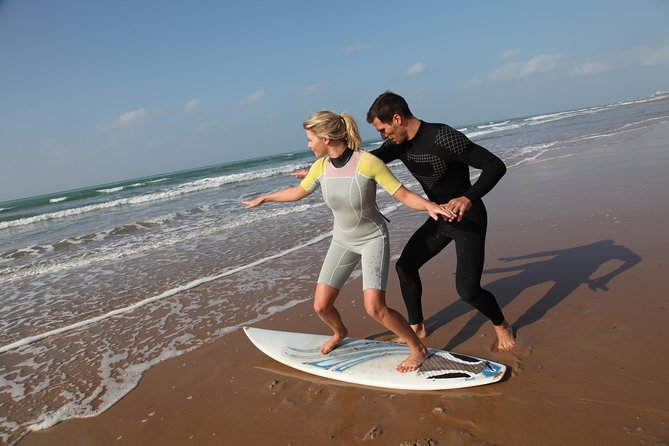
- Small group size (max 12): more time for individual corrections.
- Soft surfboards + protective gear: rash guard and neoprene booties keep learning comfortable.
- Safety matters: instructors are CPR and first aid certified.
- The Cove wave environment: gentle rolling waves help first-timers get traction fast.
- Options for group or private lessons: choose what fits your comfort level and pace.
Kalama Beach Surf 101: What This Lesson Is Really For
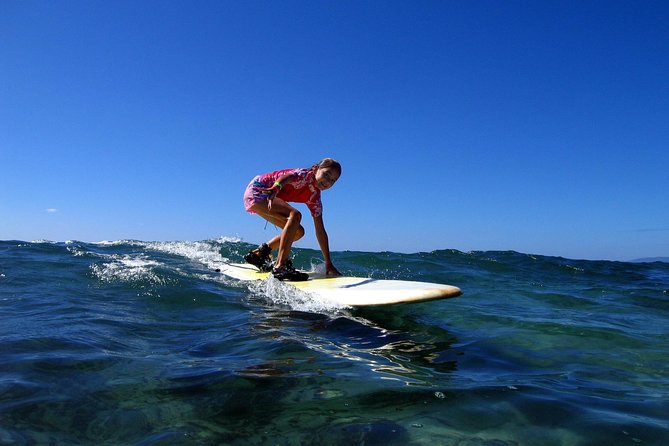
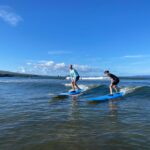
If you want your first surf session to feel fun and achievable, this is the kind of lesson that makes sense. The setup is simple: you start with shore coaching, you paddle out on a beginner-friendly lineup, and you keep working until you’re catching waves rather than just hovering beside them.
The big win here is the learning package. You’re not left to figure out gear or safety on your own. The lesson includes a stable soft-top board, and you also get a rash guard and booties, which matters because you’ll be in and around the water long enough to feel every contact point—sun, sand, and any rocky bits at the bottom.
The other win is how it’s structured. Reviews highlight that most people are up quickly, including kids and first-timers, because the coaching is focused on small technique changes you can use right away. The main tradeoff is cost creep: if you love the action shots, the optional photo package after the session can be pricey, so decide ahead of time if that’s your thing.
You can also read our reviews of more tours and experiences in Maui.

Meeting at 1965 S Kihei Rd: Quick Logistics That Keep Your Day Smooth
This experience starts and ends at the meeting point at 1965 S Kihei Rd in Kihei. There’s no hotel pickup or drop-off, so you’ll want to have your own ride plan or use nearby public transportation. In plain terms: you control the timing, so build in a little buffer to find parking and get to check-in.
From what I’ve seen in feedback, people also mention the key is spotting the right setup quickly. One review specifically suggests looking for the black truck, so arrive early enough that you’re not rushing through a busy beach area with wet gear in your hands.
Once you’re checked in, the day typically moves from the meeting stops toward the surf instruction side—briefly passing through operations connected with Maui Eco Tours and then South Pacific Kayaks. It’s not a long scenic detour; it’s more like a quick operational handoff so you can get your gear, hear the rules, and get into the water.
The “Cove” Factor: Why This Spot Works for Beginners
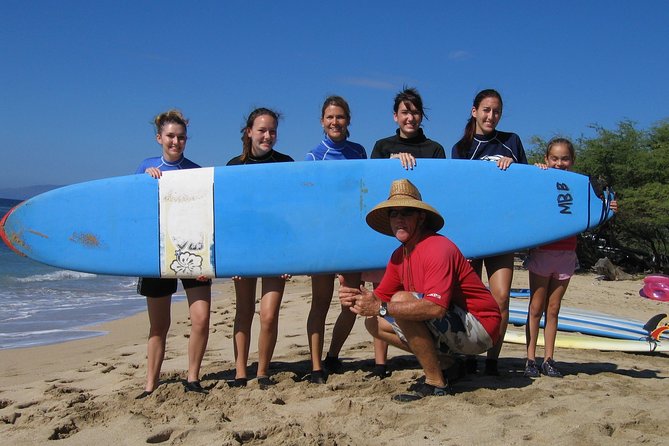
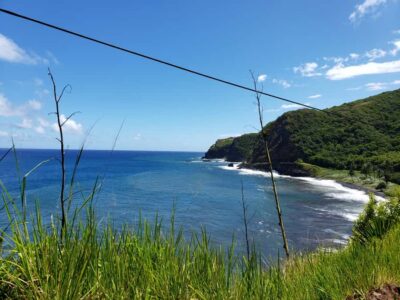
Kalama Beach in Kihei is popular, but the lesson targets a section locals refer to as The Cove. That name matters because the lesson approach is based on wave conditions that are easier for new surfers than big open swell.
In beginner surfing terms, you want waves that roll rather than punch. The Cove is described as gentle and rolling, which helps you learn timing, paddling, and takeoff without getting beaten up immediately. One instructor response also makes the point clearly: beginners don’t need huge surf to learn the basics, and the lighter waves help keep the lesson safe and fun.
You should still respect that it’s the ocean. Even with beginner-friendly conditions, you can run into rocky bottom areas depending on the day’s water and tide. One family mentioned a rocky bottom that left a 12-year-old bruised after a surf run. That doesn’t mean you should bail; it just means booties help, and you should be mentally ready for the fact that your first attempts can include a few unexpected bounces.
Equipment, Included: What You Get and Why It Matters
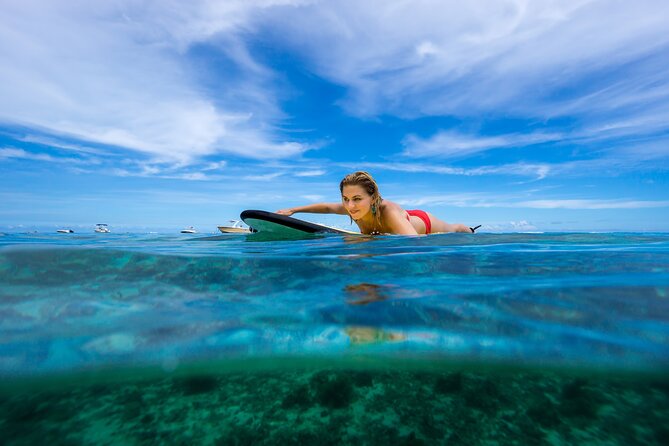
This lesson is set up so you don’t show up needing to rent anything. You’ll get:
- Soft surfboards
- A rash guard
- Neoprene booties
That gear combination is the difference between learning that feels manageable and learning that feels miserable. Soft boards make it easier to balance because they’re wide and forgiving. Rash guards cut down on chafing and help with sun exposure. Booties add protection for your feet when you’re standing, walking, and stepping around the shoreline and any bottom texture.
If you’re comparing options, this is where the value lives. At other activities, you might pay for instruction but still need to hunt down rentals. Here, the lesson includes the essentials, so your money stays tied to surfing rather than add-on gear logistics.
Safety Briefing and Surf Etiquette: The Land Part Isn’t Busywork
Before you get wet, you’ll get a safety briefing on shore. This is where instructors cover techniques and etiquette so you don’t become part of the chaos in a crowded lineup.
A big theme in feedback: navigating the crowd is often the most difficult part—not the actual stand-up. Kalama Beach can be busy, and the faster you learn how to position, paddle, and line up for a wave safely, the more your lesson turns from exhausting into rewarding.
Instructors in feedback are praised for making this land-to-water transition feel clear and quick. People describe getting up by the third try, or standing on the first wave they took—results that usually come from simple cues you can execute on the spot.
You’ll also get CPR and first aid certified coaching. That’s not something you want to need, but it’s reassuring, especially when kids are involved or if you have any worries about safety in open water.





In the Water: What the 2 Hours Feels Like
Expect a lesson that moves. The time is short enough that you’ll feel like you’re cycling through instruction, paddling, waves, and resets rather than spending the full 2 hours just waiting for a turn.
Most of the time is in the water. One review even described about 10 minutes on land, then the rest catching waves. That matches how a beginner surf lesson should work: you’re building muscle memory through repetition.
You’ll be paired with instruction suited to the conditions and group level. The lesson format includes both group and private options, and the private route can be a good choice if you want extra attention or if your comfort level is lower when it comes to water time.
Instructors mentioned by name in reviews include Fran, Josh, Jordan, Keoki, Louis, and Ricky Bobby. You won’t know who you get until closer to the day, but the consistent theme is patient coaching and quick feedback. One review praises an instructor who positioned them expertly even in a crowded lineup, using local wisdom and practical guidance to keep them safe and moving.
Photos After the Session: Worth It, But Know the Price
At the end, you’ll have the chance to purchase a photo package. This is a common add-on for surf lessons because the action happens fast and it’s hard to keep yourself and your phone both aimed and secure.
Pricing comes up in feedback. One person mentioned about $75 per person for the photo package, and others say the photos and videos are high quality and hard to resist. If you’re the type who wants proof of your first wave, you might consider budgeting for it.
If you’re on a strict budget, don’t worry: the lesson itself is the main event, and you’ll still get the real benefit from learning. Just decide before you’re tired and sunburnt and tempted.
Groups, Ages, and Who This Suits Best
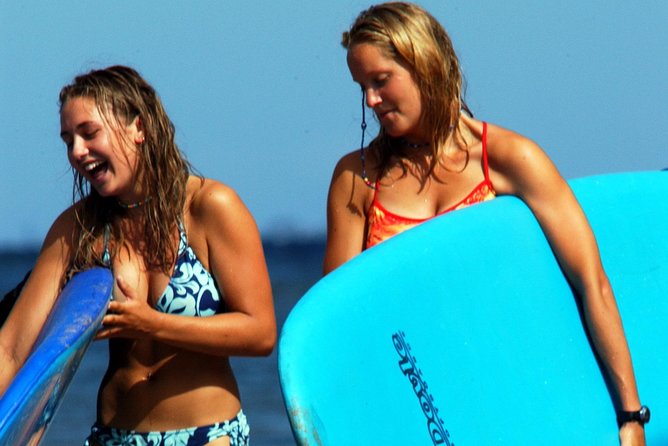
This is offered for most travelers, and the maximum group size is 12. That’s a sweet spot for a beginner lesson because instructors can still give specific tips without being stretched so thin that everyone becomes their own survival project.
It’s not recommended for child age 4 and under. Older kids and teens are repeatedly mentioned as doing well, including families with 12- and 14-year-old kids and a teenager who had tried before without success until this lesson helped them get past early struggles.
This lesson also works for adults who have never surfed. Reviews include couples and multi-age family groups, and multiple people describe quick standing success. If you’re active, you’ll likely get a lot out of the repetition. If you’re not as confident in water, the option for private instruction can help you go at your pace and feel less rushed.
One practical tip from families: you might end the day tired. A couple reviews mention being pooped for the rest of the day. So don’t plan a late-night dinner that requires you to be bright-eyed and flexible. Make it a recovery night.
Price and Value: Is $108.03 a Fair Deal?
At $108.03 per person for about 2 hours, this sits in the mid-range for Maui surf instruction. What makes it feel fair is that the lesson includes the board and protective gear, and the instruction includes safety-qualified leadership (CPR and first aid).
Here’s the value breakdown that matters:
- You’re paying for coaching time, not just access to a beach.
- Gear is included, so you avoid rental hunts and extra costs.
- The group size cap (12) helps keep teaching practical.
- Beginners are prioritized through soft boards and beginner-appropriate waves.
The main financial risk isn’t the base price—it’s add-ons like the photo package. If you want photos, you may pay more than the initial price. If you don’t, you’ll still feel like you got a full experience, because the water time and gear are already covered.
What Can Go Wrong (and How to Handle It)
Weather can change the schedule, and that’s true for all ocean activities. One review discussed a timing issue due to weather and also raised concerns about professionalism and health protocol. The provider response emphasized that conditions can’t be controlled, that the lesson area is chosen for gentle beginner waves, and that state health protocols are followed outdoors.
So here’s the practical approach I’d recommend: if you have health concerns, ask questions ahead of time. If timing is tight during your Maui trip, build in flexibility for a reschedule. And if you’re coming during a very busy holiday period, expect the beach to be crowded and the environment to move slower than you’d like.
Also plan for “beach logistics” reality. If you’re watching kids or multiple family members, bring your own chairs. One review suggests having chairs and even an umbrella, since waiting in sun while trying not to step on sand can be miserable fast.
Should You Book Maui Surf Instruction 101 at Kalama Beach?
Book it if you want a beginner-friendly Maui surf lesson with included gear, real safety standards, and a format that makes it likely you’ll actually catch waves. It’s a great choice for families, couples, and first-timers who want structured coaching without a complicated setup.
Skip or consider an alternative if:
- You hate the idea of a possible upsell on photos and might feel pressured after the lesson.
- You don’t have your own transportation and hotel pickup isn’t workable for your day.
- You’re traveling with very young children (it’s not recommended for age 4 and under).
FAQ
What is the duration of Maui Surf Instruction 101?
The lesson runs about 2 hours.
How much does it cost per person?
The price is $108.03 per person.
Where do we meet for the surf lesson?
You start at 1965 S Kihei Rd, Kihei, HI 96753, USA.
Is hotel pickup included?
No. Hotel pickup and drop-off are not included.
What equipment is provided?
Soft surfboards are provided, along with a rash guard and neoprene booties.
Is this lesson offered in group or private formats?
The lesson includes options for both group and private lessons.
What is the maximum group size?
The activity has a maximum of 12 travelers.
What language is the instruction offered in?
The lesson is offered in English.
Are photos included?
A photo package is available to purchase after the lesson, but it is not included in the base offering.
Do you need prior surfing experience?
Most travelers can participate, and the lesson is designed for a beginner-friendly environment with gentle rolling waves.
Is this activity suitable for young children?
It is not recommended for child aged 4 and under.
Is free cancellation available?
Free cancellation is available up to 24 hours in advance for a full refund.