REVIEW · LAHAINA
Myths of Maui Luau Dinner and Show
Book on Viator →Operated by Myths of Maui Luau · Bookable on Viator
Polynesian fire and sunset on Maui. Myths of Maui turns dinner into a full-on show with an imu roast pig ceremony and a fire-knife finale. I especially like the oceanfront setting and the kids keiki buffet, which makes this feel way less awkward for families. One possible drawback: if you’re in general seating, the dinner flow can feel a bit rushed once the entertainment ramps up.
The vibe is social and upbeat, with live Hawaiian music, stage performances covering multiple Polynesian regions, and photos with the dancers after the show. If you’re the type who wants good timing and less crowd pressure, the VIP option is worth a serious look because it brings priority access and front-section seating. And yes, pack a light jacket—once the sun drops, the evening can get chilly fast.
In This Review
- Key things to know before you go
- Oceanfront arrival: shell lei greeting, drinks, and where the night starts
- The imu ceremony: the roast pig tradition, and what to expect from the moment
- Buffet dinner: island comfort food plus a real kids option
- The show: live Hawaiian music, Polynesian dance segments, and the two-stage flow
- Fire-knife finale: the moment that justifies the whole night
- VIP reservations: front-section seating and fewer food-line headaches
- Price and value: what $211.39 buys on Maui (and how to judge it)
- What I’d watch for: lines, timing, and staff moments that can make or break it
- Photos and souvenirs: free dancer photos, plus a paid photo set
- Who this luau fits best on Maui
- Quick practical tips for a smoother night
- Should you book Myths of Maui Luau?
- FAQ
- What is the approximate duration of the Myths of Maui Luau?
- Does the ticket include dinner and drinks?
- Is there a kids buffet?
- Do I get a lei?
- What’s the VIP upgrade actually include?
- Is hotel pickup and drop-off included?
- How much is parking?
- What are the age limits for drinking alcohol?
- What if I need to cancel?
Key things to know before you go
- Oceanfront sunset views: dinner and show happen with the water in front of you, not just a stage in the dark.
- Imu ceremony included: you’ll see the tradition of unearthing kalua-style pork from an in-ground oven.
- Keiki buffet for kids: there’s a dedicated kids dinner option, which is a big deal for families.
- Full evening entertainment: live music, Polynesian dance segments, and a fire-knife finale.
- VIP means less waiting: early entry at 5:30pm plus front-stage seating and priority buffet access.
- Bring a jacket: many people feel the temperature drop after sunset.
Oceanfront arrival: shell lei greeting, drinks, and where the night starts
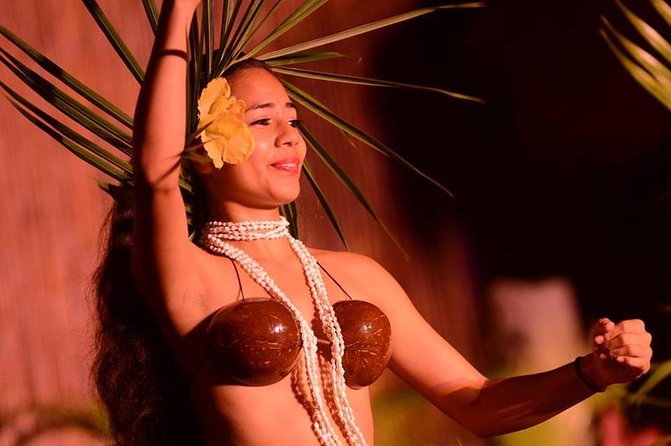
This is the kind of luau where the welcome matters. Right when you arrive, you get a shell lei aloha greeting, and the evening immediately has that “vacation starts now” energy. The start time matters here: VIP guests have early entry at 5:30pm, and it’s smart to plan around a similar window even if you’re not VIP, especially if you care about seating.
Drinks are part of the package. You get complimentary Mai Tais, Blue Hawaiis, cocktails, beer, wine, and non-alcoholic beverages. That sounds generous on paper, and in practice it’s more fun when you don’t treat the bar like a restaurant drink service. The line can build up, especially early, so if you want your first drink right away, you’ll likely have to be patient or catch a server when they’re not busy running the floor.
Dress code is resort casual. No need to overthink it—just dress for an ocean evening: breathable top layers for the walk in, then something warm for after sunset. One more practical note: there’s a $5 parking fee that you pay at check-in, and hotel pickup/drop-off isn’t included.
You can also read our reviews of more tours and experiences in Lahaina
The imu ceremony: the roast pig tradition, and what to expect from the moment
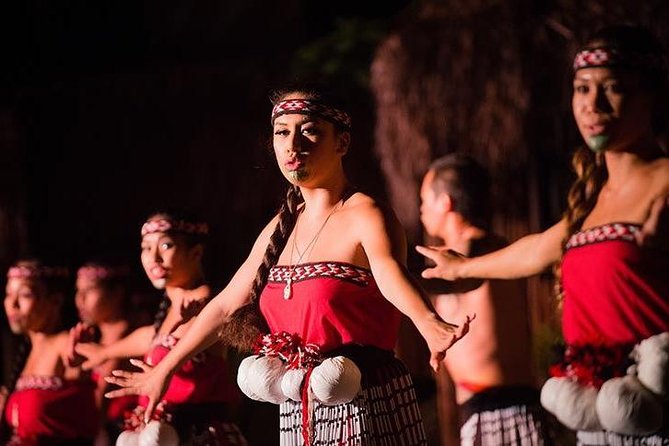
The imu ceremony is one of the headline inclusions, and it’s there for a reason. You’ll see the tradition of unearthing Kalua Pua’a (roast pig) from an in-ground oven. That’s the classic Hawaiian luau foundation: food cooked low and slow, with smoke and time doing the heavy lifting.
A few guests have described the pig moment as less “behind the scenes” than they expected, so I’d treat it as a ceremony and performance moment more than a hands-on cooking demonstration. The key thing for you: keep it in the right mental box. You’re not arriving to watch a live cook in real time; you’re joining a cultural storytelling event that includes the ceremony and then moves forward to dinner and the show.
If you’re the type who loves a “myths and legends” framing, this style of production is built for you. It’s not just eating—it’s a narrative evening. And even if the imu moment is brief, it tends to be the part that makes the meal feel meaningful instead of just convenient.
Buffet dinner: island comfort food plus a real kids option
The buffet is all-you-care-to-eat, and the food line is set up for exactly what you’re doing that night: eating while the event ramps up. You’ll find traditional island dishes, including a traditional pork dish, vegetables, and other buffet staples. You also get a keiki (kids) dinner buffet, which is a big plus if you’re traveling with children or teens who won’t touch everything on an adult luau plate.
From the food feedback, proteins like chicken and pork score well, and ahi tuna gets high marks from some diners. At the same time, dessert quality seems more mixed—some people love the options they found, while others were disappointed. The practical move: do not build your whole evening around dessert. Think of it as a bonus, not the main event.
Speed is the other factor. In general seating, dinner can feel like it’s happening during a countdown, not at your own pace. If you want a slower meal, VIP’s priority dinner buffet access can help reduce the feeling of being pulled along by the schedule.
If you’re planning for a family outing, the keiki buffet is the biggest value here. It reduces the “what will my kid eat?” stress so you can focus on enjoying the show instead of touring the food line like a rescue mission.
The show: live Hawaiian music, Polynesian dance segments, and the two-stage flow
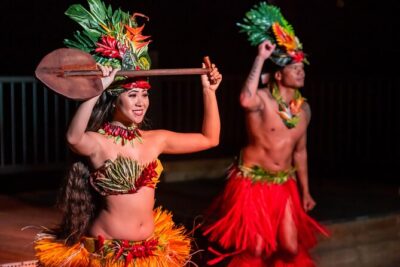
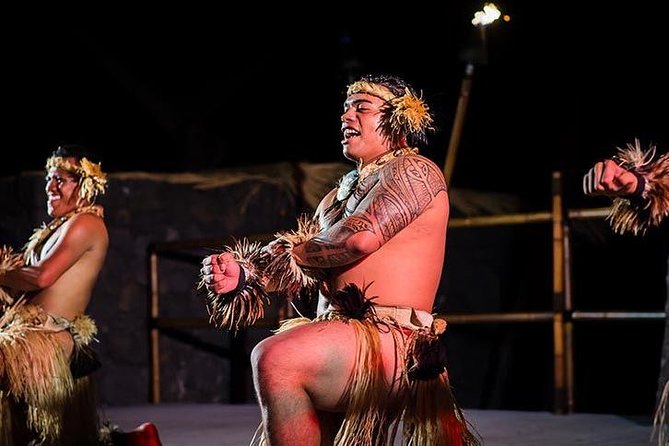
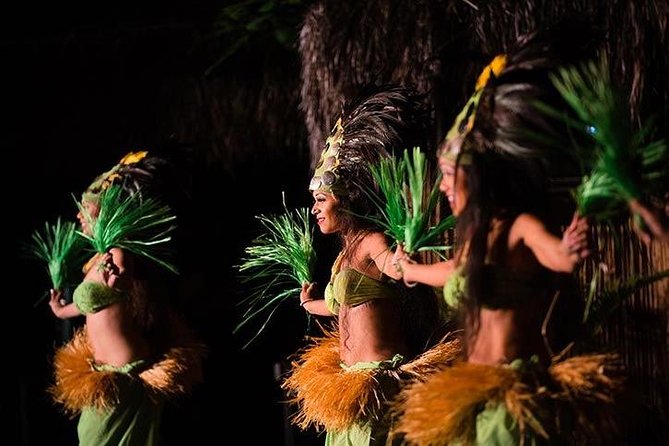
The entertainment is where Myths of Maui earns its repeat-booking energy. Live Hawaiian music sets the tone, and then the stage production rolls into dance segments from Hawaii, Tahiti, Samoa, and New Zealand. That multi-island mix is a smart choice for visitors who want more variety than a single-style dance lineup.
One detail I like: the show keeps you visually engaged with a production that feels built for audience attention. Some guests specifically mention the show uses a two-stage feel, which helps explain why the energy doesn’t lag. When the performance can shift scenes smoothly, you spend less time waiting for something to happen and more time watching.
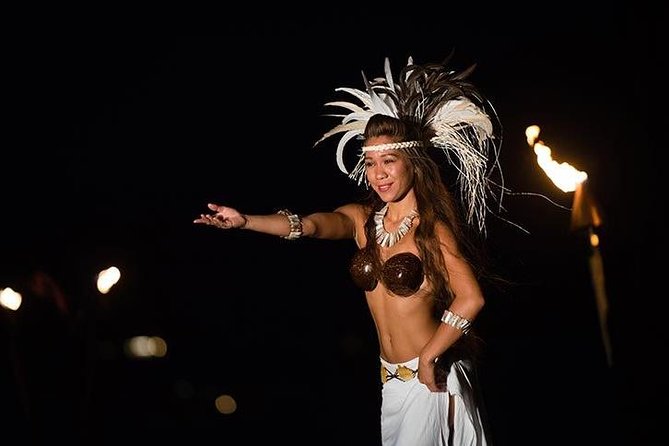
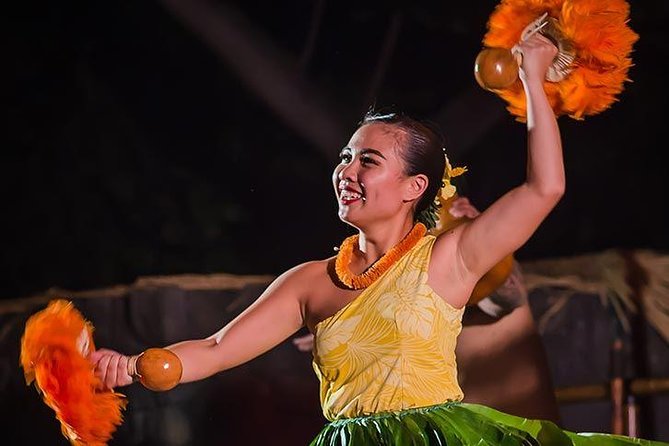
Costumes and performers are a major part of why this works. Multiple reviews note that costumes and dances feel authentic and varied, and the performers span different ages and body types, which makes the show feel more real than staged for one look.
The one drawback to know: the evening is structured as a performance arc, so you shouldn’t expect a leisurely pacing where you linger at the buffet table. If you’re sensitive to time pressure, VIP can make the whole flow feel less stressful.
Fire-knife finale: the moment that justifies the whole night
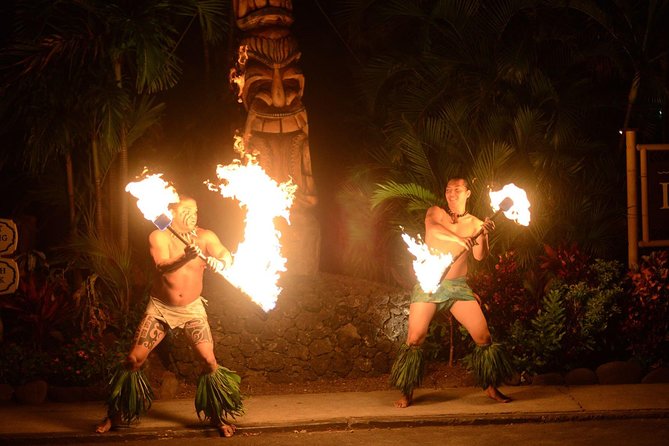
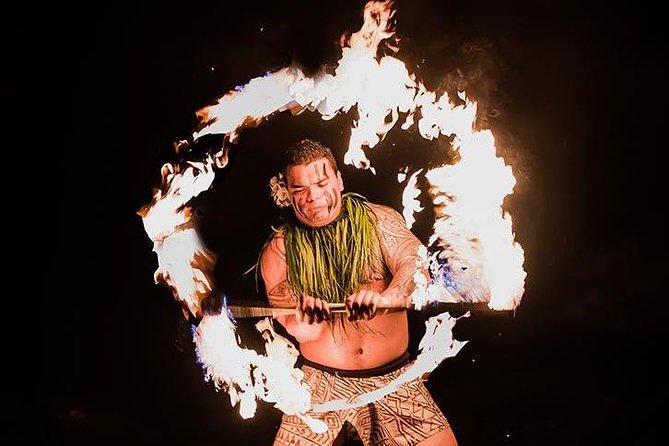
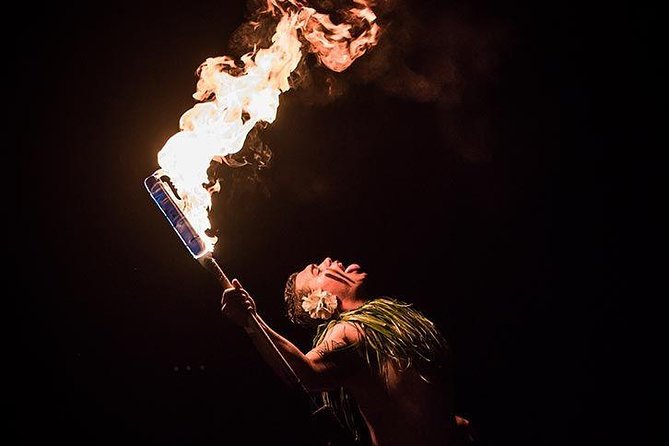
If you only remember one piece, make it the fire-knife finale. It’s the show’s big punctuation mark, and it’s consistently described as the highlight. When fire comes out, the audience focus snaps into place—and that’s exactly when luaus become unforgettable.
This is also the moment where the evening’s tone shifts from “fun dinner party” to “real show.” Even people who felt the meal was just okay often still call out the finale as worth it. For me, that’s a good sign: the production has a climax, not just background entertainment.
One practical tip: stand with intention. Don’t wait until the last minute to find your spot if you’re in general seating. If you want the best view for a fire performance, aim for where you can see the dancers’ full movement, not just the center of the stage.
Also plan for temperature. Fire shows are bright, but the air can still cool down fast after sunset. A light jacket can save the whole experience.






VIP reservations: front-section seating and fewer food-line headaches
VIP is not just better seats—it’s better pacing. The VIP package includes:
- guaranteed premium stage front section seating
- priority buffet access
- skip-the-line early entry at 5:30pm
- a fresh flower lei for women and a Kukui Nut lei for men (one lei per paying adult)
For a lot of people, that “skip ahead” part is what changes the mood of the night. In general seating, you may feel the crowd pressure early: lines, drink counters, and the buffet flow all move as one system. VIP lets you reduce the waiting and get seated earlier, which usually means you can focus on the show instead of managing logistics.
Is VIP worth it? If you value good sightlines, hate long lines, or are traveling with kids who get cranky when hungry, VIP can be a smarter use of your money. One review even suggests going VIP specifically for the better seating and smoother experience.
One note to keep your expectations grounded: drinks are included, but there have been mixed comments about how “unlimited” drinks feel in practice. If you’re a big drinker planning to maximize alcohol, treat it as included beverages, not an unlimited anything-you-can-order without limits.
Price and value: what $211.39 buys on Maui (and how to judge it)
At $211.39 per person, you’re paying for more than dinner. You’re buying:
- oceanfront show atmosphere
- live music and multi-island dance performances
- a ceremony moment (imu roast pig)
- complimentary beverages
- all-you-care-to-eat buffet
- photo opportunities after the show
That value math can work well because luaus are basically packaged entertainment + food. The question is whether the show matches your taste and whether the timing fits your patience.
If you’re looking for a relaxed meal, the standard pacing might not feel worth it. Some people have mentioned dessert disappointments, and a few felt dinner moved too quickly. On the other hand, many guests highlight the food portions, the entertainment quality, and the easy organization of the venue.
Also remember the small “extra costs” reality:
- parking has a $5 fee
- souvenir photos cost extra
- hotel pickup/drop-off isn’t included
If you plan to skip souvenir photo purchases and you’re prepared for a lively schedule, the price becomes easier to justify. If you dislike lines, VIP tends to be where you get the most practical value.
What I’d watch for: lines, timing, and staff moments that can make or break it
Most evenings run smoothly. Still, it’s smart to know where friction can happen.
Drink lines and service pressure: Early drink ordering can get slow when servers are busy and crowds surge. If you’re traveling with a group, a shared plan helps: agree who orders first, and don’t treat the bar like quick counter service.
Lei supply and table flow: A few people noted disorganization when lei supplies ran low or tables got reassigned while they were away in line. That’s not the end of the world, but it can be annoying when you’re expecting a polished “check in and relax” moment.
Dining pace: Several comments point to dinner feeling rushed in the general-flow version of the evening. If you want time to eat without feeling guided along, VIP is the buffer.
Staff experiences vary: One standout name that comes up is Warren, who’s praised for keeping drinks coming and making people feel taken care of. Another positive shout goes to Flo. On the flip side, a couple of comments complain about rude bar service. Translation for you: the venue has many great staff moments, but any big group event can have a weak point on a busy night. If you’re polite and clear, you’ll usually be fine.
Photos and souvenirs: free dancer photos, plus a paid photo set
After the show, there are free photo opportunities with the dancers. That’s a nice way to get a real memory without immediately spending more.
If you also want official pictures, souvenir photos are available to purchase. Some guests mention the initial photo taken when you arrive can look overexposed, so I’d treat that purchase as optional: only buy if the final picture is actually flattering to your tastes.
The practical advice: plan your photos time. The free after-show dancer photos are part of the experience flow, so don’t book yourself into a rushed schedule right after the finale.
Who this luau fits best on Maui
Myths of Maui works especially well if you want:
- a family-friendly luau with a kids buffet
- a show that covers multiple Polynesian regions
- a classic cultural dinner with a memorable finale
- oceanfront ambience without complicated planning
It’s a good fit for couples too, because it’s romantic in a straightforward way: sunset views, music, and a stage show that doesn’t require you to interpret anything complicated. Many first-time Hawaii visitors choose a luau like this for a reason: it’s a packaged “do the cultural thing” night.
It may be less ideal if:
- you strongly dislike time limits and line pressure
- you’re expecting a slow, sit-down dinner experience
- dessert is a key part of your meal plan
- you’re highly sensitive to variability in service
Quick practical tips for a smoother night
- Arrive earlier than you think you need if you want easier seating and a calmer start.
- Bring a light jacket for after sunset; the air can cool down fast.
- If you care about front views, seriously consider VIP. It reduces the stress.
- Plan around bar demand early in the evening—your first drink might take patience.
- Use the free dancer photo moment; it’s the easiest win.
- If you’re driving, budget the $5 parking fee at check-in.
Should you book Myths of Maui Luau?
I’d book Myths of Maui if you want a classic Maui night that blends food, live Polynesian music, and a show with real climax energy. The oceanfront setting plus the multi-island dance segments and fire-knife finale make it a strong “one evening, big payoff” choice. The keiki buffet is also a genuine advantage for families.
I’d think twice if you’re chasing a leisurely dinner or dessert-focused meal. In standard seating, the evening pacing can feel quick, and drink lines can be slow at the start. If those are your deal-breakers, choose VIP or pick a different style of evening entirely.
FAQ
What is the approximate duration of the Myths of Maui Luau?
It runs about 2 hours 30 minutes to 3 hours.
Does the ticket include dinner and drinks?
Yes. You get an all-you-care-to-eat buffet dinner and complimentary beverages, including beer, wine, cocktails, and non-alcoholic options.
Is there a kids buffet?
Yes. There is a dedicated keiki (kids) dinner buffet.
Do I get a lei?
Yes. You receive a shell lei aloha greeting. VIP also includes an additional lei (one per paying adult): fresh flower lei for women and Kukui Nut lei for men.
What’s the VIP upgrade actually include?
VIP includes premium front-section stage seating, priority buffet access, and skip-the-line early entry at 5:30pm.
Is hotel pickup and drop-off included?
No. Hotel pickup and drop-off are not included.
How much is parking?
There is a $5 parking fee that you pay at check-in.
What are the age limits for drinking alcohol?
The minimum drinking age is 21.
What if I need to cancel?
You can cancel for a full refund if you cancel at least 24 hours before the experience’s start time. If you cancel less than 24 hours before, the amount paid is not refunded. If it’s canceled due to poor weather, you’ll be offered a different date or a full refund.