REVIEW · MAUI
Maui: Sunrise & Breakfast Tour to Haleakala National Park
Book on GetYourGuide →Operated by Polynesian Adventure · Bookable on GetYourGuide
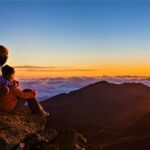
A Maui sunrise on Haleakala feels like science class for the soul. You go up above the clouds for that changing dawn, with expert narration and a breakfast stop waiting on the other side. I loved the Haleakala summit timing and the way guides like Preston make the geology and culture make sense fast.
Still, the day runs long and the bus can feel painfully cold on the ride up and back, so plan for comfort, not just excitement.
This tour is built around one big moment, but it also stitches together the rest of Maui: Upcountry scenery through the Kula District and the highland viewpoints as you come down. The bonus stuff helps too, like warm coffee and tea atop Haleakala plus local treats, and guides who show up prepared with wind protection. One possible drawback: sunrise depends on conditions, and if the weather is poor you might get a less dramatic show.
If you’re the type who likes a clear plan and hates stress, this is a solid fit. Pickup is offered from select Maui hotels, you’re back by midday, and the guide handles the road and the timing. Just be ready for chilly temps and wind at altitude, especially if you’re thinking Maui is always warm.
In This Review
- Key highlights worth waking up for
- Haleakala sunrise: what that 8-hour schedule really means
- Getting to the summit: pickup, the Upcountry ride, and why it matters
- Cold reality check: Haleakala runs windy and temperature swings hard
- The summit experience: what you’ll do before the sky opens
- Coming down through highland views: the part most people forget to enjoy
- Breakfast after sunrise: a real meal, not a token snack
- Price and value: is $254 a good deal?
- Who this tour suits best (and who should reconsider)
- Practical packing list for Maui’s highest peak
- Little things that can make or break your morning
- Should you book this Haleakala Sunrise & Breakfast Tour?
- FAQ
- How long is the Haleakala sunrise and breakfast tour?
- What time of day is pickup?
- Where do they pick you up on Maui?
- Is breakfast included?
- What drinks and extras are included at Haleakalā?
- Is Haleakalā National Park admission included?
- What should I bring to the summit?
- Is wheelchair access available?
- Is sunrise guaranteed?
- Who should avoid this tour?
Key highlights worth waking up for
- Summit sunrise above the clouds from Haleakalā National Park’s highest viewpoint
- Upcountry Maui drive via Kula District for a real sense of the island’s height and change in terrain
- Expert guide commentary from people like Preston, Al, and Nelly, often with funny, human storytelling
- Warm drinks and local treats at the summit area to take the edge off the cold
- Breakfast at a Kula-area eatery after sunrise, with options that can include burger, gravy, and rice
Haleakala sunrise: what that 8-hour schedule really means
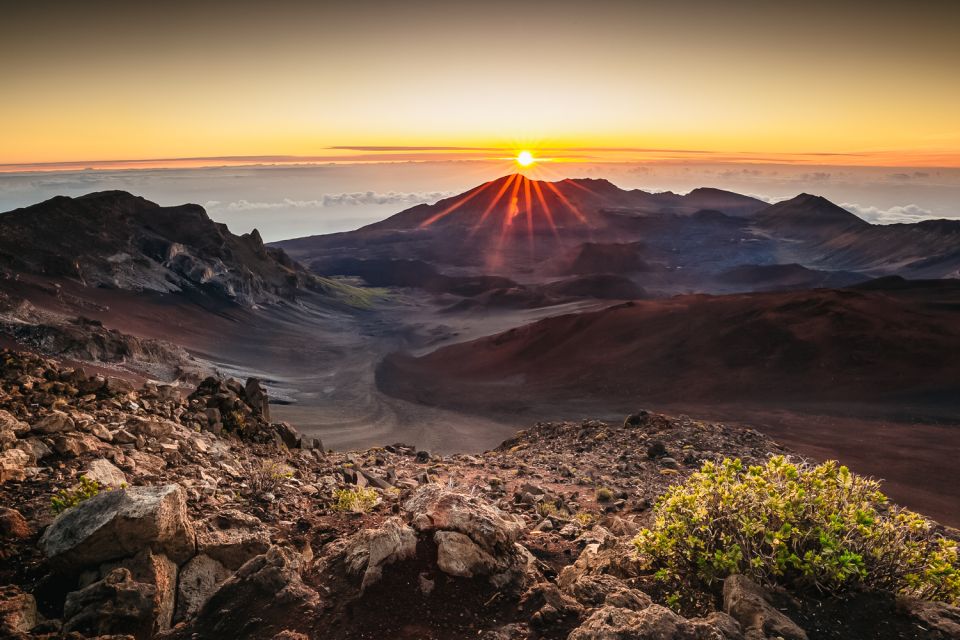
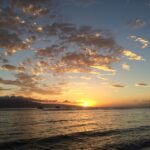
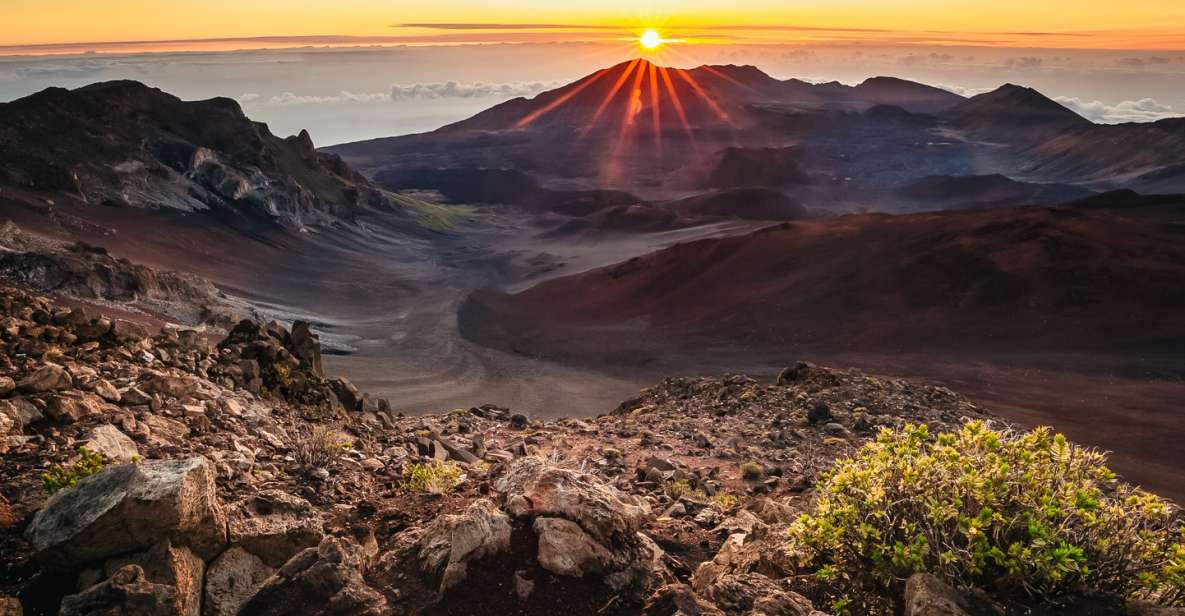
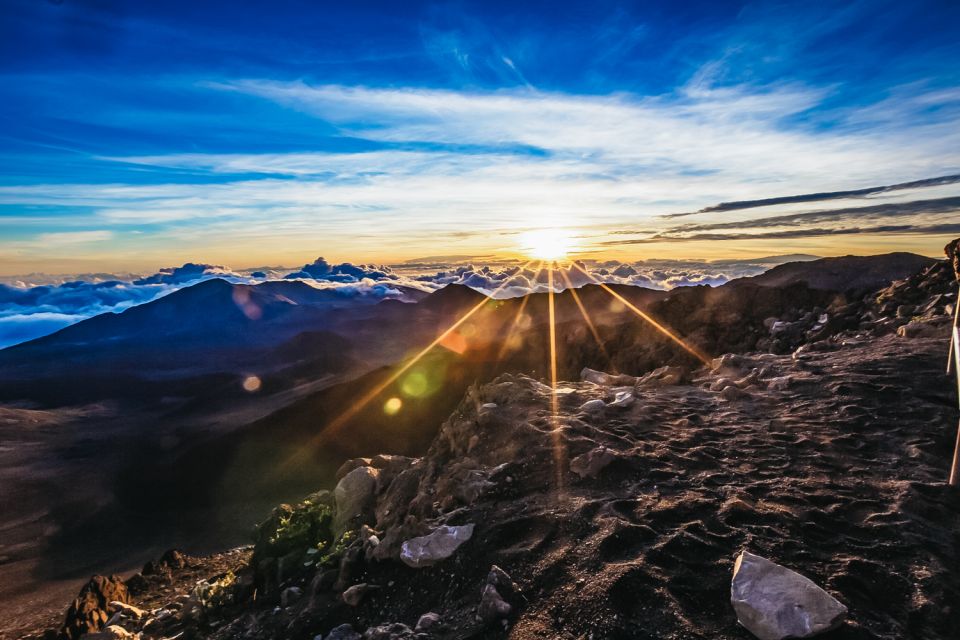
The headline is simple: you’re headed to Haleakalā National Park for a sunrise from near the summit, where the sky flips colors and the clouds sit under you like a ceiling. What makes this tour work is the pacing. You leave early enough to get into position before dawn, then you stay long enough for the sky’s transition, not just a quick photo stop.
The full tour runs about 8 hours, with pickup and drop-off built in. You’re typically in transit for a meaningful chunk of the day, including a long drive up and down the mountain (people report about two hours each way). That means this is less of a quick sightseeing hit and more of a commitment. If you like early mornings and big rewards later, you’re going to enjoy it.
The payoff is obvious, but here’s the practical angle: sunrise viewing at Haleakala is weather-dependent. The tour emphasizes that views aren’t guaranteed, and that matches reality. You can do everything right and still get clouds or haze. Your best defense is to dress for wind and cold so you can focus on the moment, not on shivering.
You can also read our reviews of more tours and experiences in Maui
Getting to the summit: pickup, the Upcountry ride, and why it matters
Pickup is part of the deal. The tour offers hotel pickup from select Maui locations, plus designated meeting points. If you’re staying in a hotel listed for pickup, you’ll need to be a registered guest at that property. If you’re in an Airbnb or private residence, the plan is to meet at the nearest Safeway. If you’re unsure where to meet, you’ll want to confirm your exact pickup spot with the supplier before your tour date.
Once you’re aboard, the drive is half the education. You travel through Upcountry Maui, including a pass through the Kula District. This matters because Haleakala isn’t just one view. It’s an entire shift in climate and terrain as you climb. The guide’s narration helps you connect what you’re seeing with why it’s there.
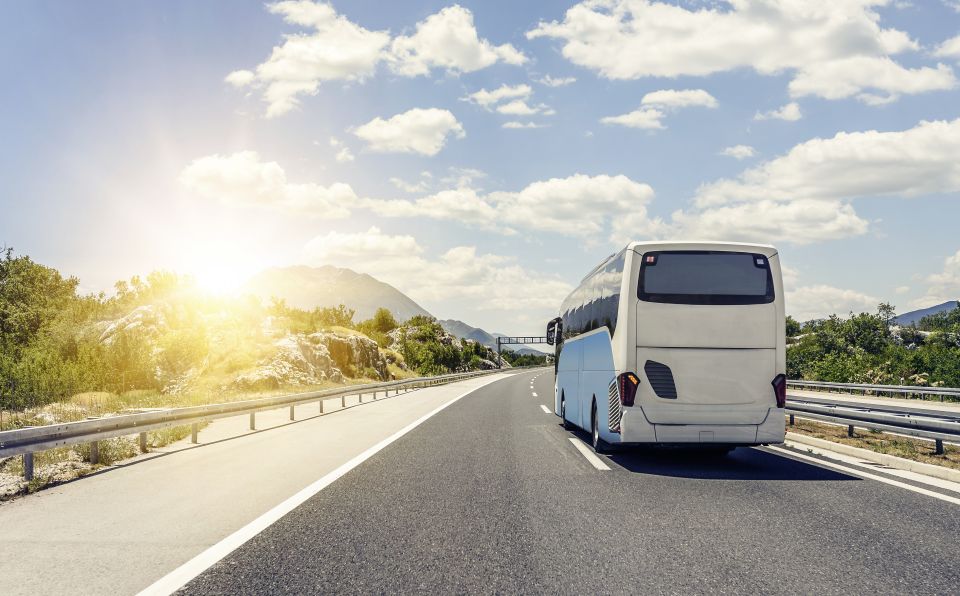
Expect a bus/coach ride that is efficient but not luxurious. Several people note the air-conditioning can run strong, and combined with early-morning chill, it can feel freezing. Bring that in your mental checklist: you’re going to be cold at the top, but you might also be cold before you even reach it.
Cold reality check: Haleakala runs windy and temperature swings hard
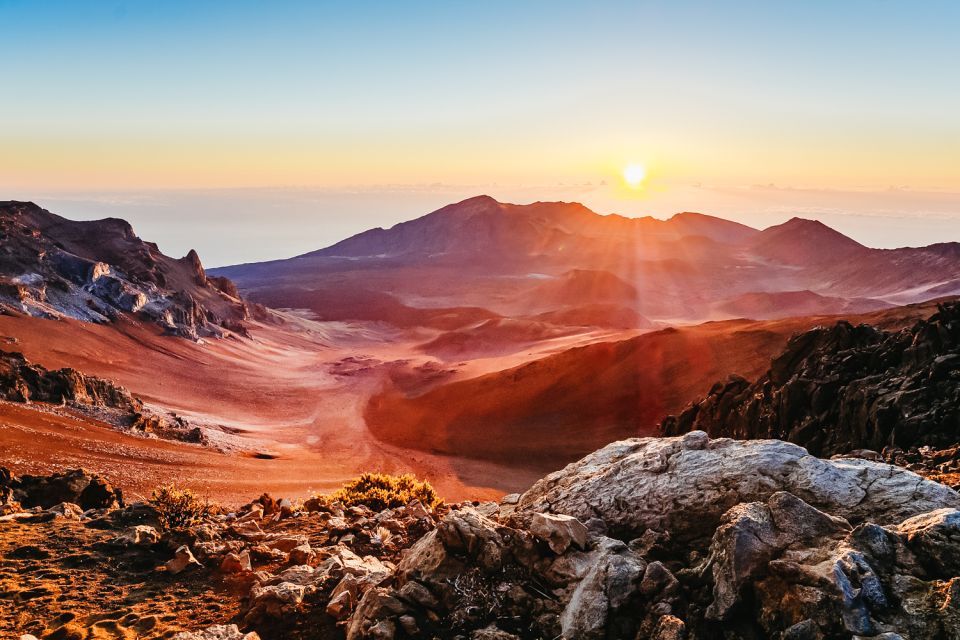
This is the part I’d highlight for you even more than sunrise itself: Haleakala is cold. Not just mildly cool. People describe windchill that can make it feel far colder than you expect, and they specifically recommend warming gear rather than assuming Maui rules still apply.
What to do:
- Wear layers you can peel on the bus and bundle again at altitude
- Bring gloves or mittens, not just warm socks
- Consider a hat that blocks wind
- Comfortable shoes help because there can be time spent standing outside in chilly air
Some guests report buying winter-style gear on island time. Others are lucky because guides like Preston (and others) sometimes provide windbreakers and gloves if you show up underdressed. Still, I would not count on that as your plan. Think of this as a mountain sunrise, not a beach sunrise.
Also, sunrise is timed. The tour gets you there early for views, which means you may be waiting in cold air before the sky change fully hits. Being prepared turns that wait from miserable to manageable.
The summit experience: what you’ll do before the sky opens
You’ll reach the Haleakalā National Park area and then go into the summit district zone. This is where you’re set up for sunrise, and it’s not just standing in a crowd with your fingers crossed.
You’ll typically:
- Arrive before dawn so you’re in position
- Take in the views as light begins to spread
- Listen to the guide’s commentary about what you’re seeing
Guides are a major part of why the experience feels special. People consistently mention Preston as a standout. Others mention Al, Wayne, Travis, and Nelly. Some guides even add a memorable moment at sunrise, with singing mentioned in the feedback. That kind of human touch turns a natural event into a shared event.
One more smart detail: the tour includes small warm-up extras at the summit area. You get coffee and tea plus local treats. That’s not just a nice gesture. When you’re windy and cold, warm drinks can change how long you can comfortably stand there.
Coming down through highland views: the part most people forget to enjoy
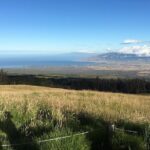
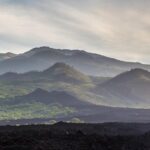
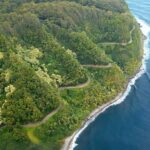
After sunrise, you’ll descend and keep taking in the changing environment. This is where you can breathe a bit. Sunrise gets all the attention, but the return drive matters because you see the slopes and highlands move from summit-like starkness back toward more familiar Upcountry terrain.
The guide’s narration often continues here too, and some people mention hearing extra Maui context during the ride back, including culture and how different landscapes connect to the island’s economic life. Even if you’re not a trivia person, the storytelling helps you interpret what you’re seeing in real time.
This section is also your practical transition into breakfast. By the time you reach the restaurant, you’ve done the hardest part: early wake-up, altitude cold, and a long standing window before you sit down.

Breakfast after sunrise: a real meal, not a token snack

Breakfast is included and it’s a full-service stop at a local restaurant. The tone of the feedback is consistent: people like this part, and they like that it feels like an actual meal.
A few specifics show up:
- People describe a Kula-area lodge/restaurant setting
- The breakfast can include multiple choices
- Some mention a standout comfort-style option like burger with gravy and rice
Don’t treat breakfast like a simple checkbox. After standing in cold wind for sunrise, food and warmth feel restorative. It’s also the point where your group energy settles from wow into satisfied.
One caution: because the schedule depends on timing and road conditions, you might arrive slightly later than expected, especially if you happen to be on the last pickup bus. You’ll still get breakfast, but the overall day length can feel extra tiring if you’re waiting for other groups.
Price and value: is $254 a good deal?
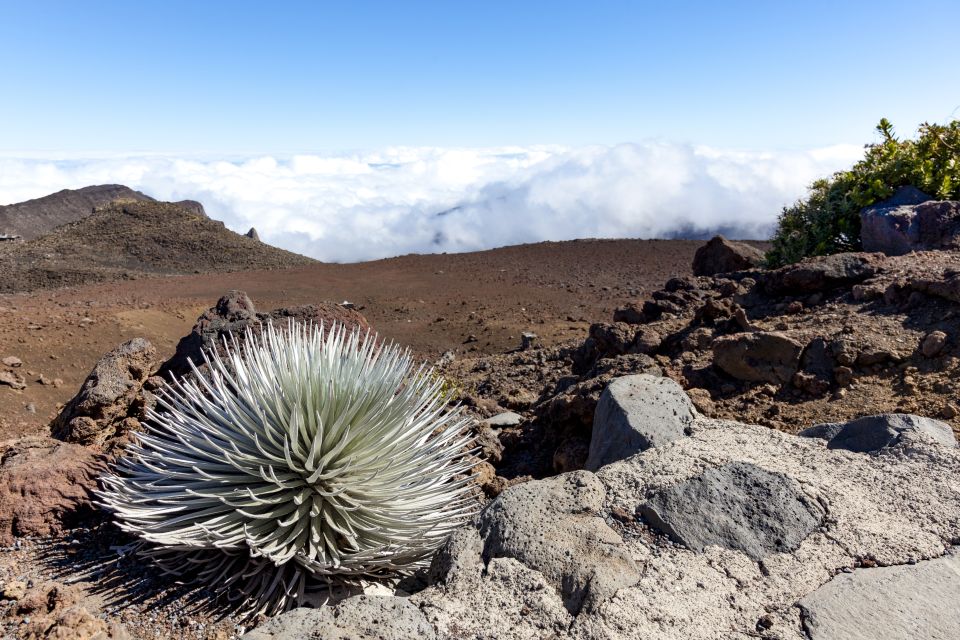
At $254 per person for about 8 hours, you’re paying for logistics and a very specific natural experience. You’re covering:
- Transportation from select areas on Maui
- Admission to Haleakalā National Park
- A driver/guide during the day
- Coffee, tea, bottled water, and local treats
- Full-service breakfast
If you were to compare alternatives, the big value isn’t only sunrise itself. It’s the whole chain: getting you up early, timing the sunrise window, and managing the summit logistics without you having to drive in the dark. If you’re not comfortable driving the mountain roads at dawn, this kind of guided format is a practical win.
That said, the day can be physically demanding. Some reviews call out long seating comfort issues on the bus and the cold A/C. If you’re sensitive to cold or you don’t handle long car rides well, you should treat the price as part of a trade-off: convenience and access come with waiting and weather exposure.
Who this tour suits best (and who should reconsider)
This is a strong fit if you want:
- A straightforward, guided Haleakala sunrise plan
- Real narration about what you’re seeing
- A warm, included breakfast after the experience
- Pickup and drop-off so you can avoid driving stress
It’s less ideal if:
- You hate early starts and long days
- You get uncomfortable in cold or wind
- You have health limits related to altitude or strenuous conditions
The tour is not suitable for pregnant women, people with heart problems, people with altitude sickness, and people who have been diving within 24 hours prior. If any of those apply, you’ll want to choose a different style of Maui activity.
Wheelchair accessibility is listed, which is reassuring if mobility needs are part of your planning. Just remember: even with accessibility, sunrise viewing involves cold, wind, and time spent outdoors.
Practical packing list for Maui’s highest peak
If you do only one thing, do this: pack like it’s winter. Based on the feedback, here’s what helps most:
- Warm layers (not just one jacket)
- Gloves or mittens (hands can turn numb fast)
- A beanie or hat to cut wind
- Comfortable shoes you can stand in
- A cozy blanket if you tend to get cold easily
If you’re tempted to wear a light hoodie because Maui feels casual, don’t. Several guests describe windchill that feels brutal once you’re up there, even if the island has been warm all week.
Little things that can make or break your morning
Two logistics issues show up in the experience, and they’re worth your attention:
- Pickup convenience can vary. One person reported a pickup location change that led to extra taxi cost at 3:00 AM. You can avoid that by confirming your exact pickup point ahead of time.
- Bus comfort is hit-or-miss. People mention A/C on full blast and seats not being super comfy for the long rides. If you have any seating preferences, plan for it.
On the positive side, guides really can elevate the day. Preston is repeatedly praised for knowledge and storytelling, and other names like Al, Abe, Guillermo, Wayne, and Nelly also show up as excellent guides. That suggests the guiding quality isn’t just luck; it’s a consistent part of the experience.
Should you book this Haleakala Sunrise & Breakfast Tour?
I’d book it if you want a classic Maui must-do without handling driving, timing, and summit logistics yourself. The combination of sunrise above the clouds, strong guide energy, warm drinks at the top, and an actual breakfast afterward makes this tour feel complete.
Skip it or rethink if cold, long bus rides, and standing in wind will stress you out. Sunrise also isn’t guaranteed, so if your trip revolves around needing perfect weather, you’ll want Plan B energy and a flexible mindset.
If you decide to go, your best preparation is simple: bundle up early, confirm your pickup spot, and treat the day like an all-in adventure. Then when the sky turns, you’ll actually be present for it.
FAQ
How long is the Haleakala sunrise and breakfast tour?
The tour duration is listed as 8 hours.
What time of day is pickup?
Pickup is early in the morning, timed so you can reach Haleakalā for sunrise. The exact pickup time depends on availability and your pickup location.
Where do they pick you up on Maui?
Pickup is available from select Maui hotels and designated locations. The listed pickup options can include addresses in areas like Lahaina and Wailea, and guests staying in Airbnbs or private residences should meet at the nearest Safeway.
Is breakfast included?
Yes. The tour includes a full-service island breakfast after the sunrise.
What drinks and extras are included at Haleakalā?
The tour includes coffee and tea, plus bottled water and local treats.
Is Haleakalā National Park admission included?
Yes, admission to Haleakala National Park is included.
What should I bring to the summit?
Bring comfortable shoes and warm clothing, because Haleakalā can be cold with extreme temperature changes.
Is wheelchair access available?
Wheelchair accessibility is listed as available.
Is sunrise guaranteed?
No. Weather conditions vary, and sunrise views are not guaranteed.
Who should avoid this tour?
The tour is not suitable for pregnant women, people with heart problems, people with altitude sickness, and people who have been diving up to 24 hours prior.