REVIEW · MAUI
South Maui: Whale Watch Kayaking and Snorkel Tour in Kihei
Book on GetYourGuide →Operated by South Pacific Kayaks · Bookable on GetYourGuide
Kayak close to Maui’s whales, then swim with honu. This 3-hour Kihei-area tour pairs up-close whale watching from eye-level kayaks with snorkeling in a reef spot known for Hawaiian green sea turtles. I love how the guides keep it active and guided—people in my guide line-up include Jake and Kyle, with Madison also showing up as a favorite.
The main thing to keep your expectations real: whales are wild animals, and sightings depend on conditions. Even when humpbacks don’t show, the snorkeling can still be a standout—so you’re not totally gambling your whole morning.
In This Review
- Key things I’d watch for before you go
- Makena Landing Park: your easy start point on Maui
- Sit-on-top kayaking: why this format feels beginner-friendly
- Searching for whales: what you’ll do, and what you can’t control
- The guide’s role: stories, technique, and keeping it fun
- Snorkeling along the reef: honu and reef life up close
- What’s included in the $118 price (and where the value comes from)
- Who this tour suits best (and who might want a different day)
- Tide, wind, and comfort tips that actually matter
- Should you book this whale watch kayak + snorkel tour?
- FAQ
- Where do I meet for the tour?
- How long is the tour?
- What’s the kayaking setup like?
- Is snorkeling equipment included?
- Do you provide food and drinks?
- What wildlife are you looking for?
- What should I bring?
Key things I’d watch for before you go
- Sit-on-top kayaks make it easier to get in and out fast, which matters when you’ll switch from paddling to snorkeling.
- A small group (max 10) helps the guide keep an eye on everyone’s pace and comfort in the ocean.
- Guides share island stories and folklore while you paddle, so the time on the water feels more than just searching.
- Safe-distance whale paddling is part of the plan, not a risky free-for-all.
- Hawaiian green sea turtles (honu) are the recurring highlight during the snorkel portion in this area.
- Snacks, water, and juice are included, so you’re not rationing energy halfway through.
Makena Landing Park: your easy start point on Maui
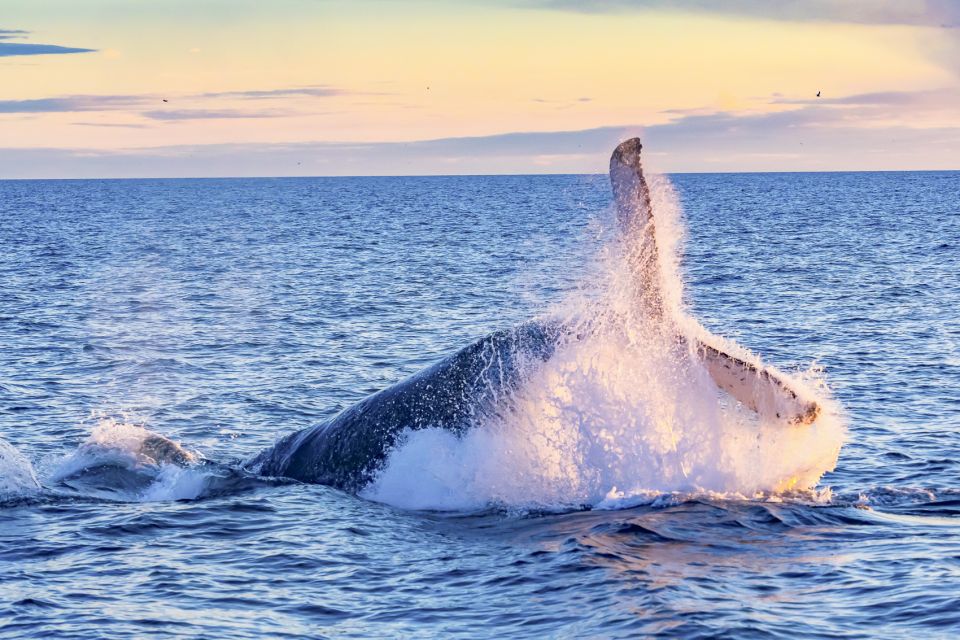
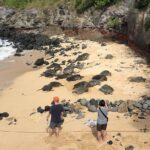
This trip begins at Makena Landing Park. You’ll want to meet your guide there and get checked in before heading down by the waterfront. The meeting point is about 100 yards south of the parking lot, and parking is described as plentiful, which is a big deal in Maui beach areas.
If you’re coming from a different direction, you also can park at Maluaka Beach Parking Lot North and walk back toward Honoiki. Either way, the message is the same: plan your drive so you arrive on time. This is a water tour with a schedule that depends on ocean conditions, so delays don’t just affect you—they affect the whole group.
Also note: this tour runs in a small group format, limited to 10 participants, which usually means fewer people to manage, but more reason to start together. You’ll be getting an ocean-safety briefing and hands-on kayak instruction before you go.
You can also read our reviews of more whale watching tours in Maui
Sit-on-top kayaking: why this format feels beginner-friendly
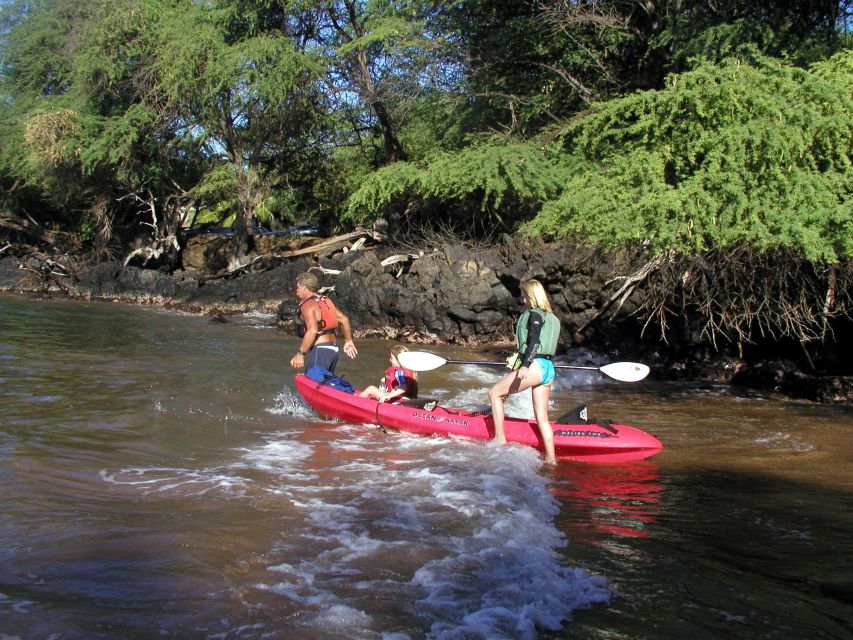
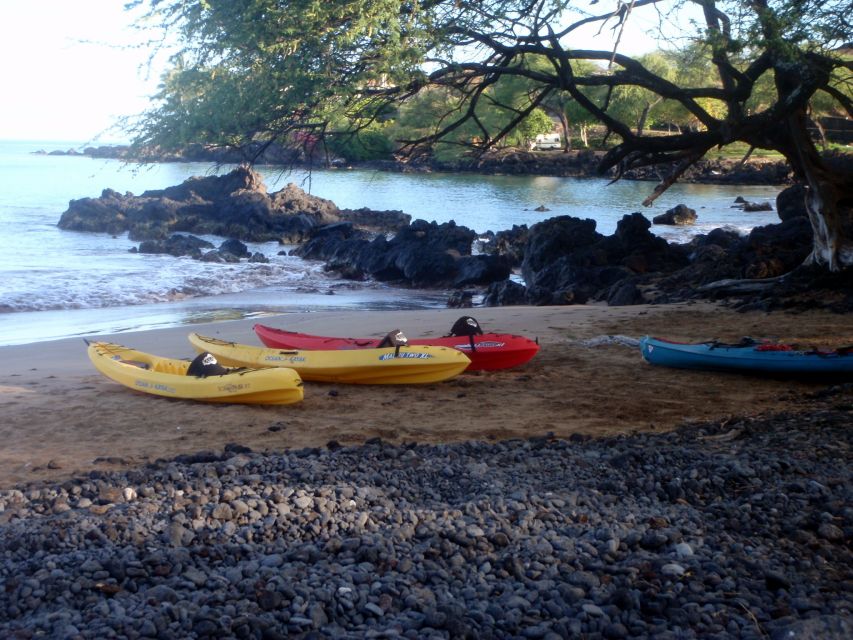
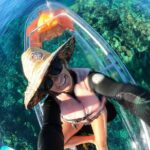
You’ll be using sit-on-top kayaks. That design choice is more than a comfort detail—it’s practical. When it’s time to snorkel, you’ll need to move between paddling gear and water access quickly, and sit-on-top kayaks make that easier because you’re not stuck climbing into a closed cockpit.
Before you launch, your guide provides hands-on instruction on the basics: landing, launching, paddling, and getting in and out for snorkeling. Even if you’ve never kayaked before, this kind of coaching matters. The guide doesn’t just tell you what to do; you practice the motions so you’re not figuring it out mid-ocean.
Then the group heads out together. Your guide launches the kayaks and briefs you on what’s planned and where you’ll go. That group structure is one reason this tour works well for mixed abilities: the goal isn’t racing across the sea—it’s staying together, staying safe, and having a good chance of finding wildlife.
Searching for whales: what you’ll do, and what you can’t control
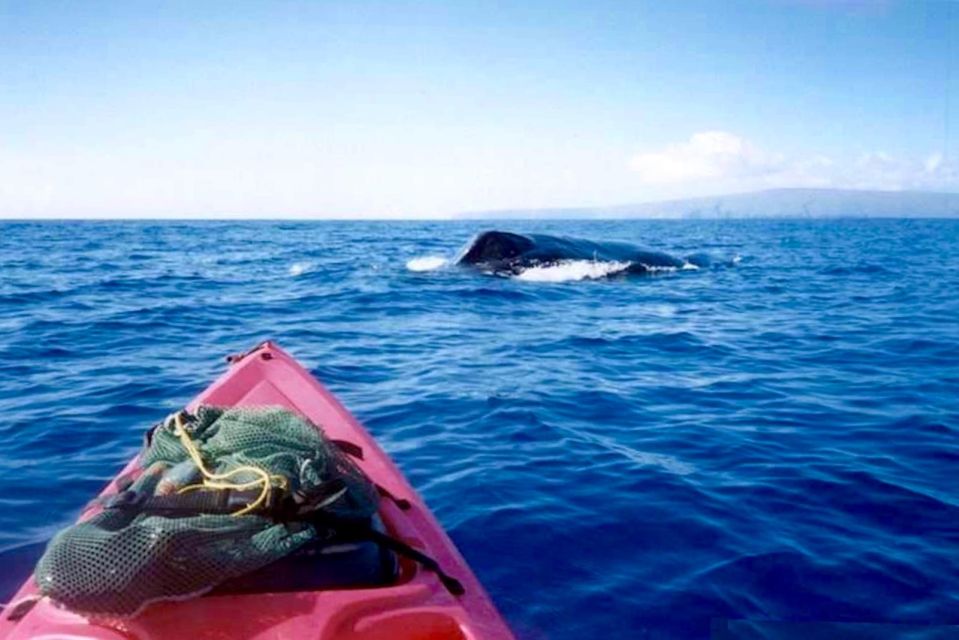
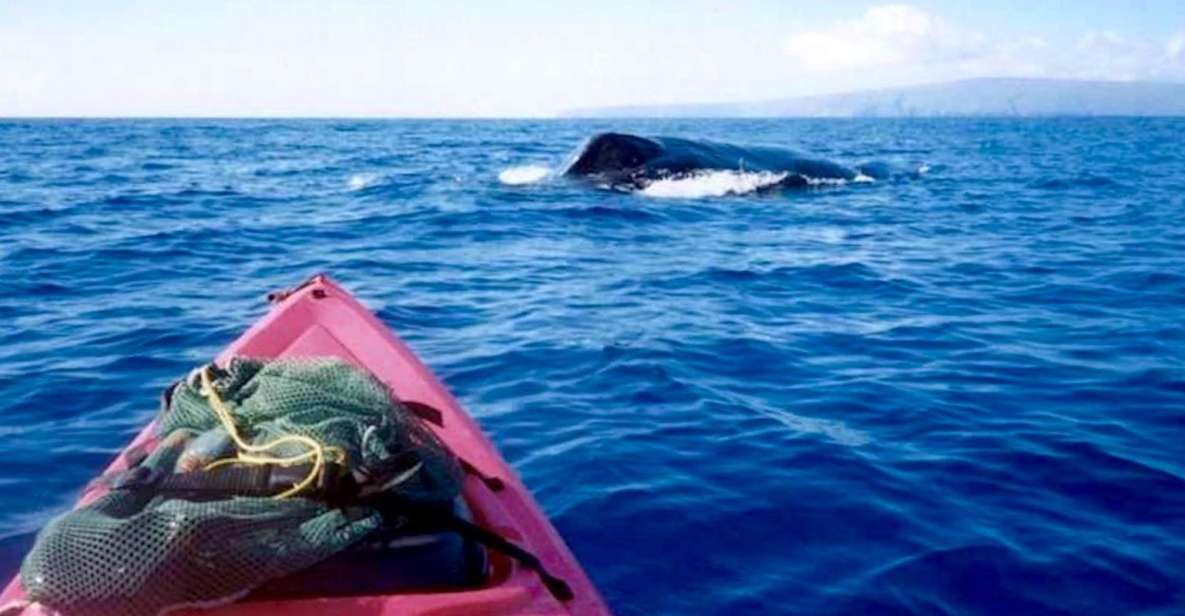
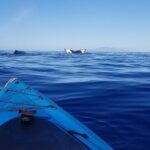
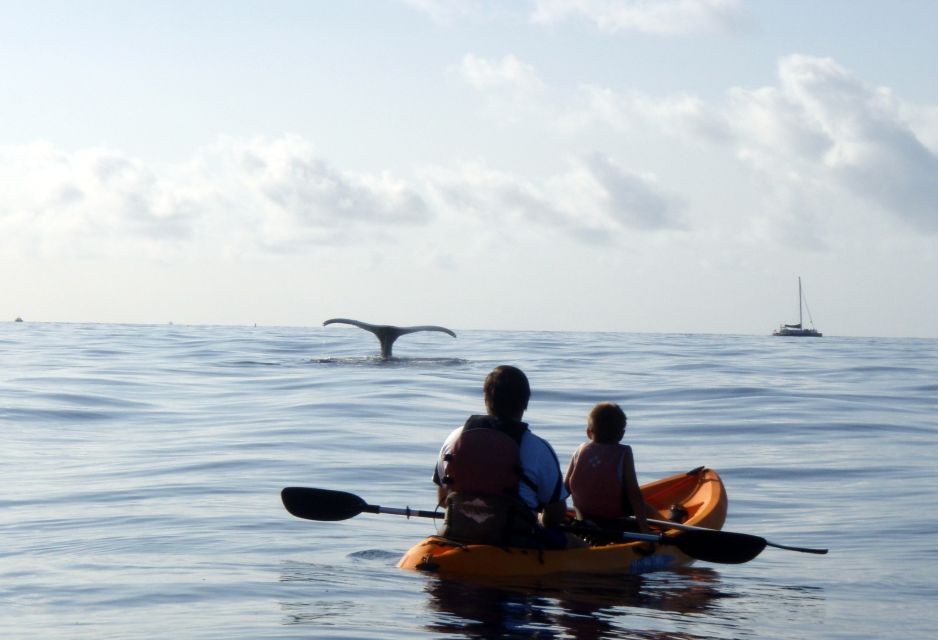
Once you’re set, you paddle out to search for whales. The experience is built around eye-level viewing, meaning you’re not just scanning from a boat deck—you’re riding low, closer to the waterline, which can feel more personal when whales surface nearby.
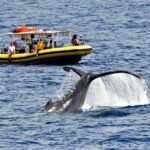
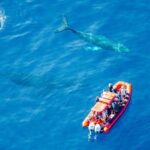
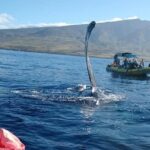
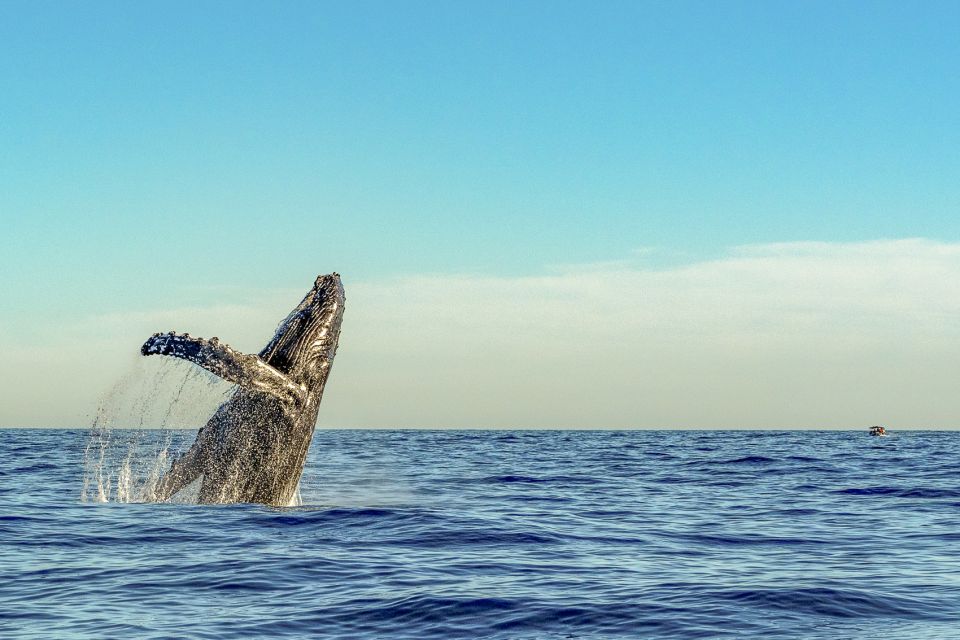
When whales appear, you get the chance to paddle along at a safe distance. Your guide explains the whales’ behavior as you observe them, so you’re not just seeing big animals; you’re learning what you’re looking at in the moment. In past trips, people reported close whale encounters from kayaks, including humpbacks with dramatic surface moments. Others didn’t see whales at all, which is normal in wildlife tours—so it’s smart to treat whale sightings as a bonus, not a guarantee.
One more reality check: tour timing and positioning can change based on tides, currents, and winds. That’s not a marketing excuse; it’s how the ocean works. If conditions aren’t ideal, your guide may adjust the route and search approach to keep everyone safe and comfortable.
The guide’s role: stories, technique, and keeping it fun
The guide isn’t a background character here. Your guide leads the whole experience: safety orientation, kayak instruction, whale searching, and then snorkeling guidance. And along the way, they share island stories, folklore, and local knowledge.
From the guide names that have shown up in the experience, people have singled out Jake, Kyle, Madison, and others as memorable. The common thread is that the best guides don’t just provide facts; they help you feel capable on the water. One example that came through clearly in feedback: guides often take extra time with people who aren’t experienced with kayaking, so you aren’t left flailing while everyone else has it figured out.
If you want a tour that feels like a guided conversation plus real action, this one fits. You’ll also likely appreciate how the group stays organized—when you’re on small watercraft, that coordination matters.
Snorkeling along the reef: honu and reef life up close
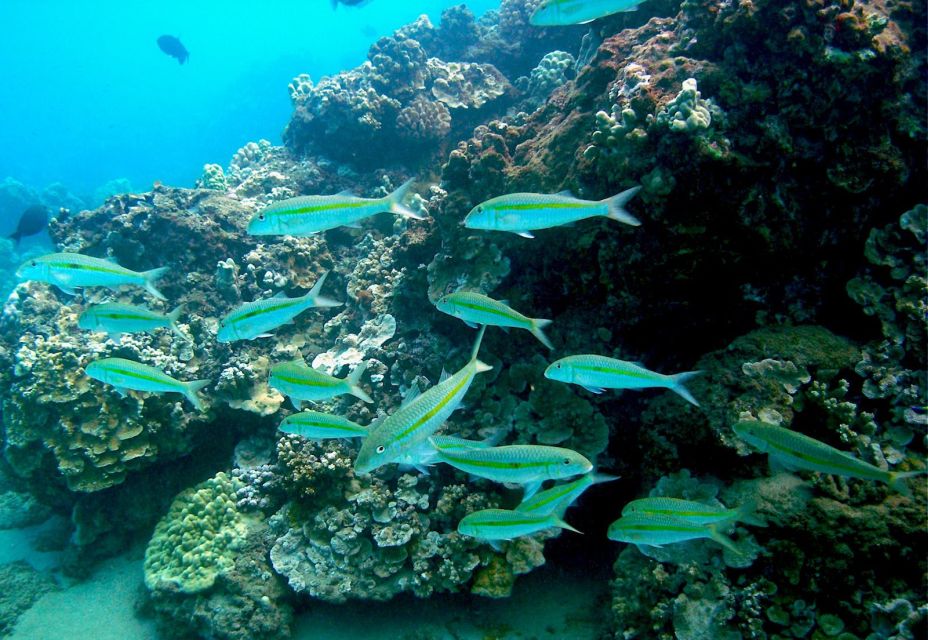
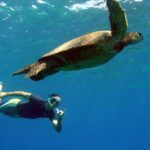
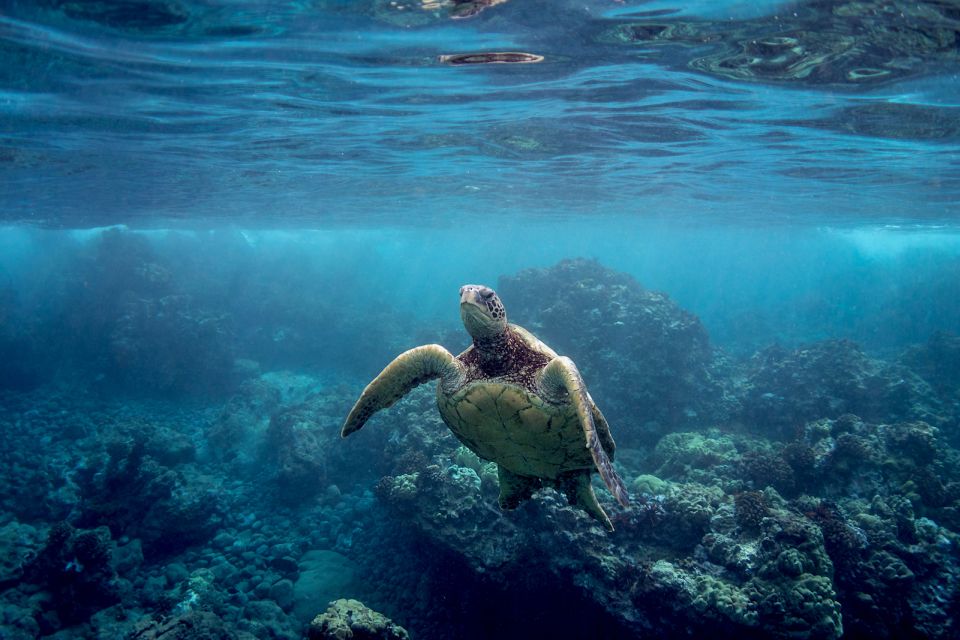
After whale watching, you paddle back toward shore along the reef for snorkeling. This portion is one of the main reasons people book again, because the area is known for Hawaii’s honu, or Hawaiian green sea turtles.
Your snorkeling setup includes snorkeling equipment (plus you’ll have the benefit of your guide showing you what to do before you get in). The tour is designed so you don’t just swim and hope. You’ll go to a reef area where wildlife is commonly seen, and your guide helps you find the right spots and move safely in the water.
What you can realistically expect includes:
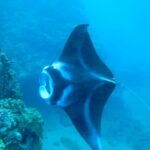
- Green sea turtles as the headline animal
- A lot of reef fish, and often other marine life in the mix (based on what people have seen on similar runs)
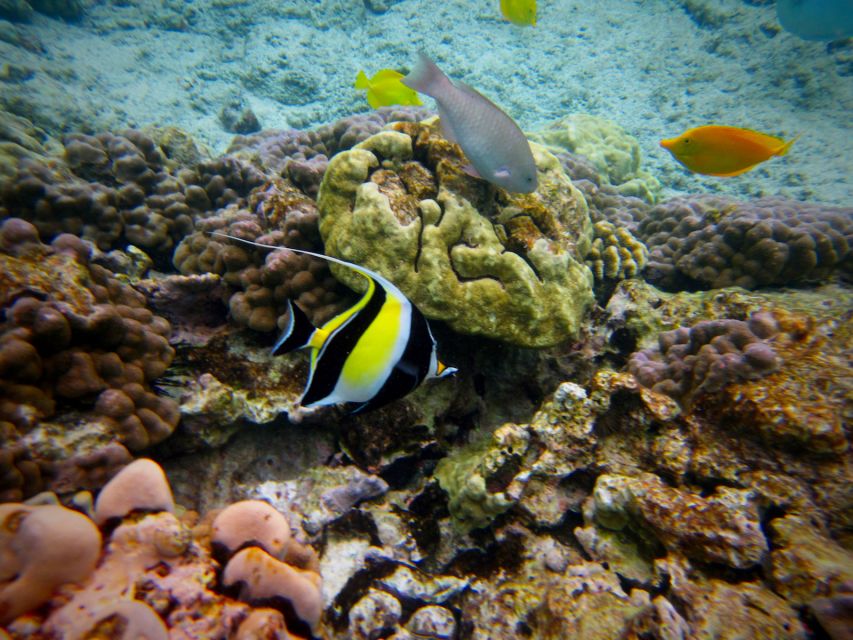
In multiple experiences, people reported seeing turtles alongside colorful fish and reef features. If you’re traveling with someone who’s nervous about kayaking, snorkeling is a good consolation prize because the reef is active and visual. Even if you don’t get a whale encounter that day, you still get the chance to experience Maui’s marine life in a direct, swim-level way.
You can also read our reviews of more tours and experiences in Maui


What’s included in the $118 price (and where the value comes from)
At $118 per person for a 3-hour tour, the price can look “not cheap” until you break down what’s covered. Here’s the practical value you’re getting:
- Guide-led instruction (not just a ticket—someone teaches you kayak basics and safety)
- Sit-on-top kayaking equipment for the whale search portion
- Snorkeling equipment for the reef portion
- Snacks, water, and juice, so you’re not paying extra for a midday crash fix
- A small group experience, which usually costs more than big-boat tours but tends to feel more personal and easier to manage
What’s not included is transportation and guide gratuity (gratuity is typically recommended on tours like this). You should plan to drive or arrange your own ride to the meeting point.
If you’re choosing between a random snorkel spot and a full wildlife-and-reef combo, this package works because it stacks two different ocean experiences into one guided session. You’re paying for the time on the water plus the expert help to make it smooth.
Who this tour suits best (and who might want a different day)
This tour is a strong fit if you:
- Want an active ocean experience (paddling, not just watching)
- Like learning in real time—whales, reef life, and island stories
- Prefer a small group up to 10 rather than a crowd
- Are comfortable following safety direction, even if you aren’t an experienced paddler
If you’re expecting guaranteed whales, dial back that certainty. Some tours see whales very close; some don’t. What you can trust more consistently is the structure: kayak instruction, safe searching, then snorkeling where honu are commonly seen.
It’s also a good option for mixed groups, because sit-on-top kayaks and guide coaching help many people feel ready. One recurring theme from feedback: even first-timers often feel comfortable once the guide teaches the basics and keeps the group together.
Tide, wind, and comfort tips that actually matter
This tour explicitly notes that times and locations can vary with tides, currents, and winds. So your best prep is to dress and pack for “ocean day” conditions, not a perfect brochure morning.
Bring:
- Sunglasses
- Hat
- Towel
Wear swim-friendly clothing you don’t mind getting wet. You’ll be on the water and then in the ocean, so drying time can be short. And if you tend to get chilly in the shade or after swimming, consider bringing a light layer you can put on after snorkeling.
Finally, arrive on time and listen carefully during the safety orientation. The better you follow the kayak instruction, the smoother snorkeling will feel later.
Should you book this whale watch kayak + snorkel tour?
I’d book it if your Maui “must-do” includes two things: seeing wildlife from very close to the water and then snorkeling a reef where Hawaiian green sea turtles are a frequent highlight. The small group size, sit-on-top kayak format, and guide-led instruction are the reason this doesn’t feel like a lottery ticket.
I wouldn’t book it if your whole day hinges on seeing whales, no matter what. Whales are not something a tour can manufacture. On a day without whales, your reward shifts to reef life and the snorkeling experience, which is still genuinely worth it for many people—but only you know whether that’s enough.
FAQ
Where do I meet for the tour?
Meet at Makena Landing Park, at the waterfront check-in area. The meeting point is about 100 yards south of the parking lot. There is also an alternative parking option at Maluaka Beach Parking Lot North, with a walk back toward Honoiki.
How long is the tour?
The tour lasts 3 hours.
What’s the kayaking setup like?
You’ll use sit-on-top kayaks, which are designed for easier on-and-off access—useful because you’ll also snorkel during the tour. Your guide gives hands-on instruction for launching, paddling, and getting in and out.
Is snorkeling equipment included?
Yes. The tour includes snorkeling equipment.
Do you provide food and drinks?
Yes. Snacks, water, and juice are included.
What wildlife are you looking for?
The tour focuses on whale watching and includes snorkeling where you may see Hawaiian green sea turtles (honu). Whales depend on ocean conditions, while turtles are a common reef highlight.
What should I bring?
Bring sunglasses, a hat, and a towel.