REVIEW · MAUI
Haleakala Sunrise Best Self-Guided Bike Tour
Book on Viator →Operated by Bike Maui AND Haleakala EcoTours · Bookable on Viator
Waking up at dawn on Maui is one thing; doing it on Haleakalā is another. This half-day tour pairs a high-altitude sunrise at the crater with a self-guided downhill bike ride so you control your pace. The timing is early, but the payoff is the kind you remember.
I especially like that you start the day with air-conditioned comfort, then get the freedom to ride without a group convoy. Another win: the operator provides real ride gear like a Kona bike, helmet, gloves, and a windbreaker set, plus a backpack to manage layers. It makes the trip feel set up for you, not like you’re guessing in the dark.
One consideration: the “half-day” can run longer than you’d expect, with time spent on transport and planned stops. Also, the top is cold and windy, and riding downhill means you need solid, recent biking comfort and good brakes.
In This Review
- Key Things I’d Lock In Before You Go
- Why Haleakalā Sunrise Feels Like a Different Planet
- The Very Early Start: Plan Your Sleep Around It
- Park Stops Before the Bikes: The Crater Part You Don’t Rush
- The Downhill Bike: 15 Miles, 6,500 Ft Start, and the Famous Switchbacks
- When Weather Changes the Script: Cold Summit, Possible Rain
- Makawao and Upcountry Maui: Bike Town Vibes + Breakfast On Your Terms
- Timing Reality: Why “Half-Day” Can Still Feel Like a Full Day
- Guide Energy: Humor, Safety Talk, and How It Affects Your Day
- Included Gear vs. What You Still Need to Bring
- Price and Value: Is $272.58 Worth It?
- Who This Tour Suits (and Who Should Think Twice)
- Should You Book This Haleakalā Sunrise Bike Tour?
- FAQ
- Where does the Haleakala sunrise bike tour start?
- What time does the tour run?
- Is the bike ride self-guided?
- Where does the bike ride go?
- What’s included in the price?
- What should I bring?
- What fitness and experience do I need?
- What are the minimum age and height limits?
- What’s the cancellation and weather policy?
Key Things I’d Lock In Before You Go
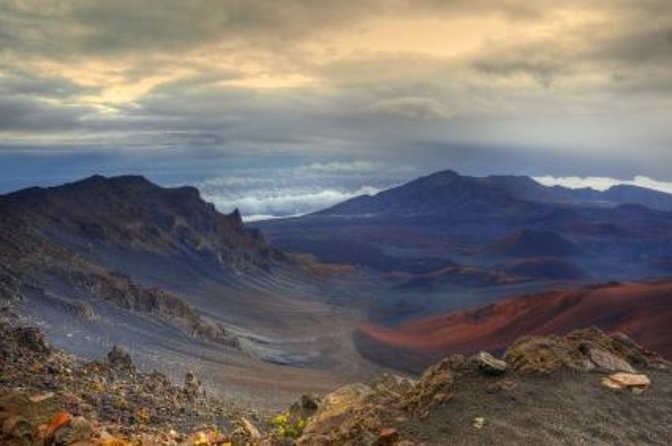
- Sunrise from the volcano summit with planned park viewing stops before the ride starts.
- Self-guided 15-mile descent from about 6,500 ft, with the famous “Fabulous 29 switchbacks.”
- Gear included (bike, helmet, gloves, windbreaker, backpack) so you’re not hunting for cold-weather basics.
- Makawao and Upcountry pacing: ride through Makawao, then choose a no-host breakfast in town.
- Bus/shuttle segments may interrupt the flow depending on road access rules in certain areas.
- Maximum group size is capped (up to 96), which helps keep the morning more organized than chaos.
Why Haleakalā Sunrise Feels Like a Different Planet
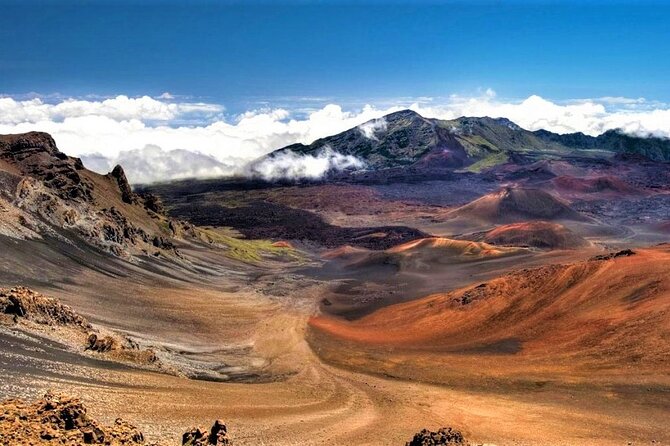
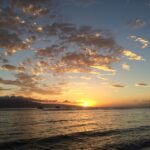
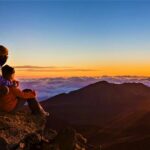
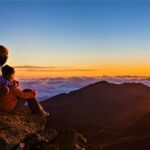
Haleakalā sunrise is not just a pretty moment. It’s a full-body weather-and-light change that happens fast. You’ll be up at a high elevation, and if the sky cooperates, you get that dramatic sun push over the horizon with the crater view in front of you.
Cold is part of the deal. Even though Maui is warm most of the year, the summit can be brutally chilly, and wind can cut through everything. The tour’s approach matters here: you’re not just standing around with thin layers. You’re set up with a windbreaker suit top and bottom, plus gloves, and there’s guidance on what to wear and when to shed layers as you begin descending.
In the best conditions, the sunrise stage is what makes the whole day worth it. And if clouds roll in? You still get the crater experience plus the morning’s atmosphere from that altitude. Either way, it’s a Maui “only-happens-here” morning.
You can also read our reviews of more cycling tours in Maui
The Very Early Start: Plan Your Sleep Around It
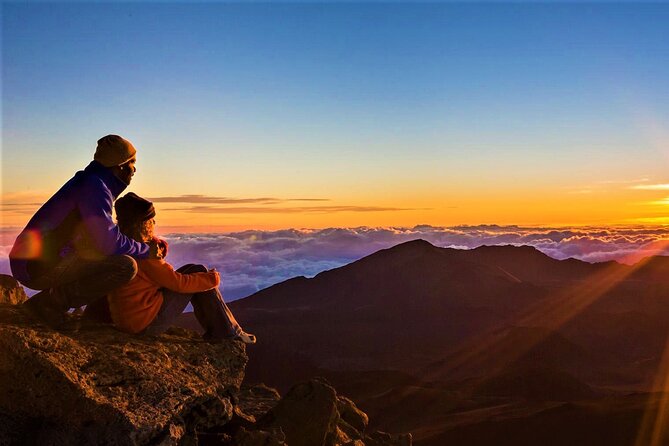
This tour begins with a pickup/meeting at 810 Haiku Rd, Haiku, HI 96708. Expect the day to start before sunrise and before your coffee has a chance. One of the most common realities from people who’ve done it: they’re arriving in the dark, check-in can start close to the stated cutoff, and you’ll be on a schedule.
Here’s what you should take from that. Don’t treat this like a late-morning outing you can casually roll into. Treat it like an expedition with a strict timeline. If you’re staying in Haiku, you’re better off than if you’re crossing the island late at night. Leave buffer time so you’re not sprinting around headlamps with cold hands.
Once you’re checked in, you’ll ride in an air-conditioned vehicle up toward the park area. The air-con matters more than you might think, because the cooler summit conditions come with a temperature drop. The air-conditioned drive helps keep you from arriving already soaked in sweat and then freezing instantly.
Park Stops Before the Bikes: The Crater Part You Don’t Rush
After the ride up, you’ll witness sunrise and make two stops within Haleakala National Park. Stop one is the Haleakala Crater area. The plan also includes a historic site and a secondary visitor center stop as part of your summit experience.
This is one of those “why this tour works” moments. You’re not expected to figure out park timing and viewpoints on your own at 3 a.m. when everything is foggy and quiet. Someone built the route so you hit the right areas for viewing and then move on.
If you care about the story behind the place, this is where the guides earn their keep. Different guide personalities show up in feedback: people mention Eddie Buddy, Corey, Dan, Russell, and Don by name. The common thread is that you’ll get facts mixed with humor, and safety is emphasized before the ride starts.
If you’re the type who wants minimal talk and maximum motion, you should know that some guests felt the morning included more talking and waiting than they expected. That doesn’t mean it’s poorly run, but it does mean your “actual bike time” mindset should be flexible.
The Downhill Bike: 15 Miles, 6,500 Ft Start, and the Famous Switchbacks
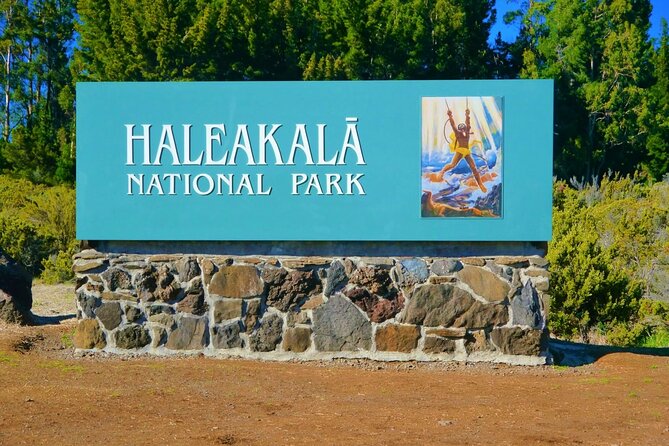
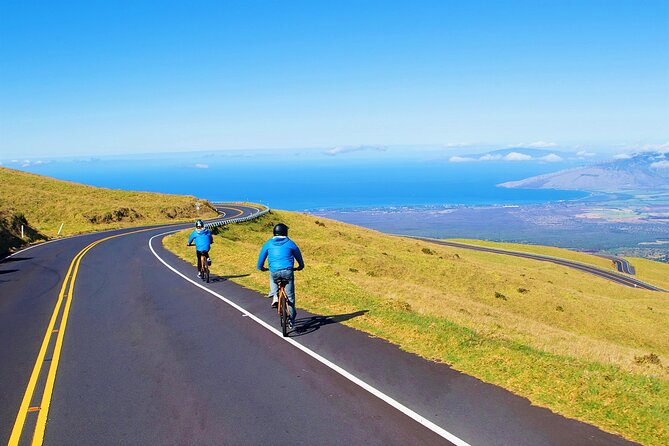
This is the headline. After the summit portion, you begin the self-guided ride from roughly the 6,500-ft level, just outside the national park entrance area.
You’re doing an about 15-mile downhill run at your own pace. That part is big. No group convoy. No one yelling stop because they’re taking a slower photo. You can ride steady, pause when the view hits you, and manage your own comfort level.
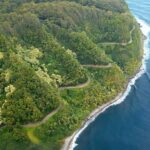
You’ll also hit the world-famous Fabulous 29 switchbacks. Switchbacks are a real skill-test, even when the overall ride is downhill. The turn frequency forces you to stay alert, keep your line, and use the brakes smoothly. The good news: the bikes are provided and are set up for this ride, and your included gear is meant for wind and temperature swings.
Road feel matters. Several people noted the road can feel tight and that braking needs attention. If your last bike ride was months ago, this is not the day to wing it. You want recent experience with basic control: starting and stopping smoothly, scanning traffic/road edges, and maintaining speed without panicking at turns.
The tour also includes a Da Kine backpack and wind gear. Practically, that means you can carry a layer system so you’re not stuck with bulky clothes while descending.
When Weather Changes the Script: Cold Summit, Possible Rain
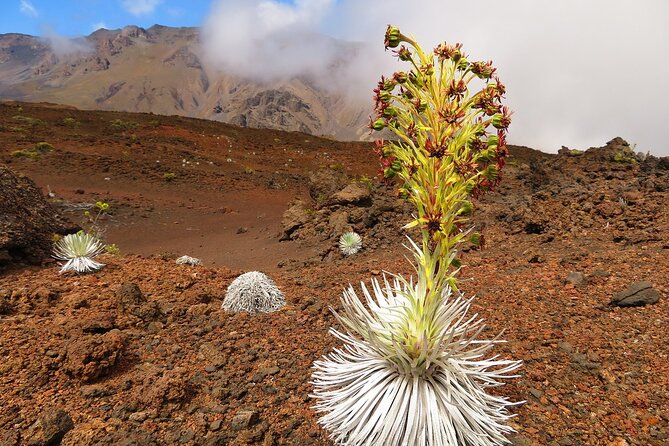
Haleakalā weather can shift fast, and the summit can be near-freezing with wind. That’s why layering is so important. The windbreaker suit is included, but you should still expect you’ll need something under it.
You might also ride in rain or damp conditions. In that case, having gear already helps, and feedback indicates you may be given rain-resistant options on the day. Even if the weather looks rough, don’t assume you’re out of luck. Sunrise may still happen with breaks in cloud cover, and the ride can still be spectacular.
A key practical tip from how people describe the experience: keep your warm layers organized. One person’s advice was to be able to leave extra layers in the van for the switchbacks, then take what you need later. That’s the kind of simple plan that turns misery into comfort.
You can also read our reviews of more guided tours in Maui

Makawao and Upcountry Maui: Bike Town Vibes + Breakfast On Your Terms
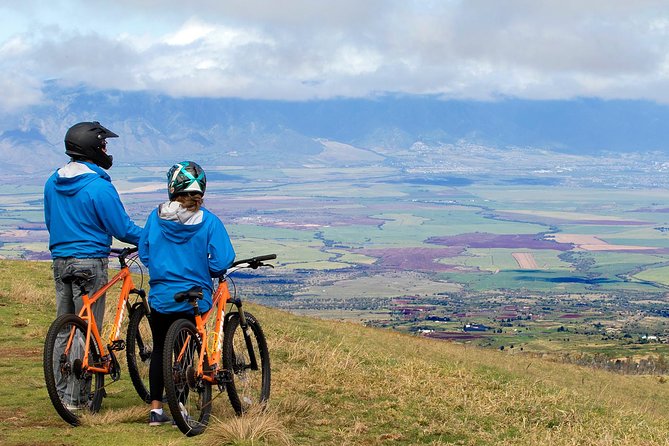
After the downhill portion, you’ll meet a shuttle that takes you through Upcountry Maui to a location just above Makawao Town. Then you’ll bike through Makawao, which is a different feel than the park ride: more town texture, local streets, and an easy chance to slow down.
This is also where breakfast comes in. Breakfast is no-host, so you’re paying on your own (bring credit cards or cash). The tour plan says you can enjoy breakfast either in Makawao or Haiku, and people report enjoying specific local spots like Ohana Island Grindz and Colleen’s. Don’t treat those as guaranteed on every day, but they’re good examples of the kind of places you’ll be passing through once you’re in town.
One subtle value point: this portion helps balance the intensity of the sunrise-bike combo. You get fresh air, a calmer pace, and a reason to stop and stretch rather than just keep rolling.
Timing Reality: Why “Half-Day” Can Still Feel Like a Full Day
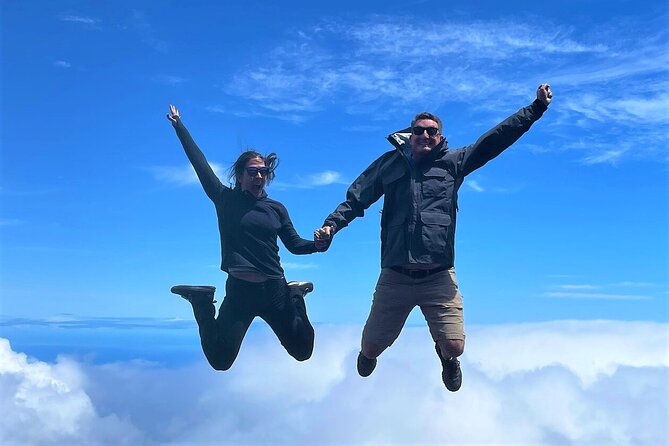
The tour is listed around 7 hours (approx.), and that tracks with many experiences. But the schedule can stretch based on conditions and planned movement between locations.
What people often notice is how much time goes into transport. You’ll be up very early, drive up to the summit, wait for sunrise timing, then move into the bike portion and shuttle segments. Some guests described long bus time and fewer minutes on the bike than they expected.
There’s also one variable you can’t ignore: biking access. One issue that can interrupt the downhill flow is that some areas may not allow continuous bike operations. If that happens, you may have to be transported by van for part of the route and then re-mount the bikes in the next permitted segment. That changes your “continuous ride” dream, but it’s not necessarily a sign of a poorly planned tour. It’s how local rules affect operations.
So here’s the honest planning advice: treat this as a morning commitment first, a bike adventure second. If you come in expecting you’ll be back to start your afternoon plans by 9 a.m., you might be disappointed. Build in cushion time.
Guide Energy: Humor, Safety Talk, and How It Affects Your Day
The guide role is strongest in the sunrise and early park portion. Names that pop up include Eddie Buddy, Corey, Dan, Russell, Larry, Don, and more. People describe them as funny, enthusiastic, and strong on area history and culture.
That’s good for most people, because the early morning can make you feel half-asleep. Humor helps. Facts help too, especially when you’re standing in wind at the rim of a volcano and you want your brain to stay awake.
Still, guide style affects your experience. A few guests felt the safety talk and storytelling took too much time for their taste, and another noted the instruction portion felt overly long. If you’re an experienced rider who hates being talked at, go in knowing you’ll get a structured explanation before you ride.
The practical upside: the safety emphasis is real. This tour is built around descending switchbacks on a public road, so it’s not a casual “just pedal” situation.
Included Gear vs. What You Still Need to Bring
This tour includes a lot of the essentials that keep you comfortable and safe:
- Kona mountain bike
- Helmet
- Gloves
- Helly Hansen windbreaker suit top and bottom
- Da Kine backpack
- Entrance fees and taxes
- Air-conditioned vehicle
- Park access
What’s not included is where you should pay attention:
- Water and snacks: bring your own
- No-host breakfast: bring credit cards or cash
- Gratuity: plan for it
For packing, your goal is simple: control temperature and protect against wind. Bring layers that you can remove and store easily. Even with the windbreaker set, you’ll likely want something warm on top early at the summit.
If rain happens, the included gear helps, but you’ll still want a plan for wet socks, a dry layer, and keeping your phone safe.
Price and Value: Is $272.58 Worth It?
At $272.58 per person, you’re paying for more than a bike rental. You’re paying for:
- Sunrise logistics at Haleakalā summit (the biggest pain point is getting there on time)
- Park entry
- A guided transport component before the self-guided ride
- Quality bike + safety gear
- A structured plan that also includes Upcountry Makawao biking and shuttle transitions
If you tried to piece this together yourself, the headache is real: permits, timing, gear, and transportation. The cost makes more sense when you treat this as a managed experience where someone handles the hard part while you handle the fun part—descending at your own pace.
That said, the value depends on what you expect from the bike portion. If you mainly want nonstop downhill time and minimal stops, you may feel the day has more waiting than you planned. If you want the whole sunrise-and-bike package with less stress and ready-to-ride gear, the price looks more reasonable.
Who This Tour Suits (and Who Should Think Twice)
This is built for people with moderate physical fitness, minimum age 15, and a minimum height of 4’10”. You also need recent biking experience. That matters because the ride involves skill at speed and control through switchbacks.
You’ll probably love it if:
- you want an organized sunrise day without hunting for viewpoints
- you like riding but want freedom over pacing
- you’re comfortable with a cold start and can handle a long morning
You should think twice if:
- you want a calm, easy bike ride with minimal transport and zero interruption
- you get motion sick easily on curvy drives (some people reported this kind of issue)
- you aren’t comfortable with downhill braking and tight turns
For couples and families who can handle early starts, it’s a bucket-list hit. For anyone who wants a full-day trip with tons of riding time, plan for the possibility that the bus/shuttle segments reduce your bike minutes.
Should You Book This Haleakalā Sunrise Bike Tour?
My call: book it if sunrise is your top priority and you want the convenience of a ready setup. The pairing of summit viewing plus a self-paced downhill descent is the winning formula.
Before you click confirm, do three quick checks:
- Can you handle a very early morning and a day that may run longer than a “half-day” label?
- Are you comfortable with downhill control and switchbacks, with recent biking experience?
- Do you pack layers and bring water and snacks so the cold and ride conditions don’t hijack your mood?
If you want maximum continuous biking with minimal downtime, you may end up wishing for a different route structure. But if your mindset is sunrise first, bike second, and comfort matters, this is a strong way to experience Haleakalā without doing the planning math yourself.
FAQ
Where does the Haleakala sunrise bike tour start?
The tour meeting point is 810 Haiku Rd, Haiku, HI 96708.
What time does the tour run?
It’s listed at about 7 hours (approx.). Real timing can feel longer due to transport, sunrise timing, and planned stops.
Is the bike ride self-guided?
Yes. You ride at your own pace during the downhill bike portion, starting from the 6,500-ft level outside the national park entrance area.
Where does the bike ride go?
You’ll ride downhill from about 6,500 ft, then later bike through Makawao and continue on toward Haiku. The tour ends back at the meeting point.
What’s included in the price?
Included items are air-conditioned vehicle, entrance into Haleakala National Park, custom Kona mountain bike, helmet, windbreaker suit (top and bottom), gloves, and a Da Kine backpack. Fees and taxes are included too.
What should I bring?
Bring your own water and snacks. Breakfast is no-host, so bring credit cards or cash. You should also pack layers for summit conditions.
What fitness and experience do I need?
The tour requires moderate physical fitness and recent biking experience.
What are the minimum age and height limits?
Minimum age is 15 years old, and the minimum height is 4’10”.
What’s the cancellation and weather policy?
You can cancel for free up to 24 hours in advance for a full refund. If the experience is canceled due to poor weather, you’ll be offered a different date or a full refund.