REVIEW · MAUI
Haleakala Summit Best Self-Guided Bike Tour with Bike Maui
Book on Viator →Operated by Bike Maui AND Haleakala EcoTours · Bookable on Viator
Haleakala downhill is the kind you remember. This self-guided Haleakala Summit bike tour blends big crater views with a 15-mile drop on custom Kona bikes, plus that bus ride up where guides like Kimo share Maui stories that make the scenery feel personal. I especially like the mix of freedom (no convoy, ride at your own pace) and the way the experience is set up for actual comfort with windbreaker gear and a packed, real-world route. The main consideration: you still need to be ready for road riding and possible route changes—some sections can be closed, and parts outside the park can feel more exposed to traffic.
Expect to start in Haiku at 8:00 am, roll up to the crater in an air-conditioned vehicle, then switch from “watching Maui” to “moving fast down Maui.” You’ll have custom bikes, a Bell helmet, and a Da Kine backpack waiting for you, and you’ll spend the rest of the day bouncing between crater time, switchbacks, and upcountry towns.
One more thing to plan for: even though you get a downhill bike highlight, the day is still a full 7 hours because you’re traveling up the mountain first—and that’s time you might spend mostly seated.
In This Review
- Key highlights worth circling
- Entering Haleakala National Park by bike, not by bus
- The morning climb: crater time plus interpretive stories
- The self-guided downhill: Kona bikes, no convoy, and the famous switchbacks
- How “route changes” affect the ride (and how to handle them)
- Makawao and Haiku: finishing in upcountry towns, not just in a parking lot
- What’s included (and why those extras matter on Haleakala)
- Price and value: does $238.59 make sense for this Maui day?
- Who should book this self-guided Haleakala bike tour
- Weather and safety realities on Haleakala (plan layers)
- Should you book this Bike Maui self-guided ride?
- FAQ
- How long is the Haleakala Summit bike tour?
- What time does the tour start?
- Where does the tour start and end?
- Is this tour self-guided or guided?
- How much biking do I do?
- What bike and safety gear are included?
- What should I bring with me?
- What are the minimum age and height requirements?
- Do I need biking experience?
- What if weather is poor or parts of the route are affected?
Key highlights worth circling
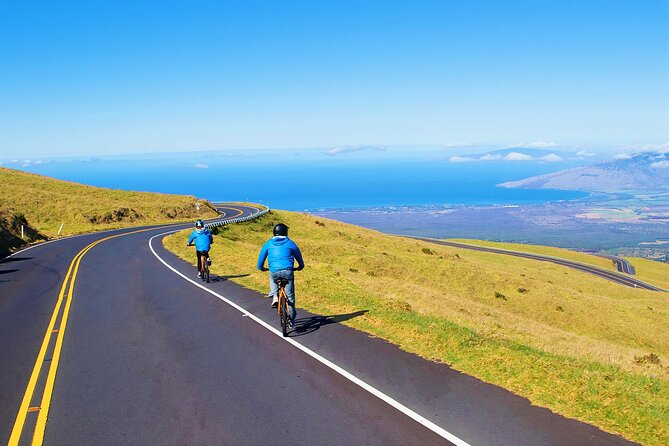
- 15 miles downhill from 6,500 ft on custom Kona mountain bikes
- The Fabulous 29 switchbacks—often the best part of the whole ride
- Helly Hansen windbreaker suit + Bell helmet + Da Kine backpack included
- Crater stop at Haleakala National Park with interpretive stories on the way up
- Makawao upcountry town riding plus a finish back in Haiku
- Route closures can happen (like sections through Kula), so expect adjustments
Entering Haleakala National Park by bike, not by bus
This tour is built around one simple idea: you come to Haleakala to stare at the crater, then you leave Haleakala by riding down it. That’s what makes it such a good Maui “one day” adventure. You’re not just hiking viewpoint to viewpoint; you’re trading height for speed and getting views from the saddle.
I like that the itinerary doesn’t try to cram in endless stops. You get the crater experience first, then the action: a long downhill ride you control yourself. The “self-guided” part matters here. You can take a breath, slow down for photos, then roll again—without a rigid group line.
Just know what kind of day it is. Even with the big bike moment, the full experience includes getting up the mountain and then getting you back down to town. If you prefer pure bike time with minimal transport, this may feel like more “logistics” than you want.
You can also read our reviews of more cycling tours in Maui
The morning climb: crater time plus interpretive stories
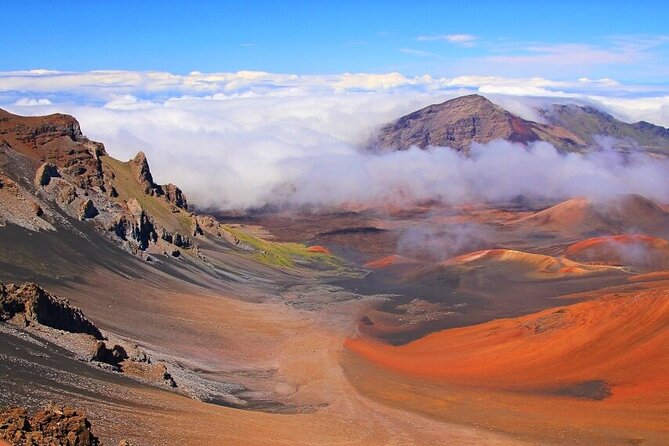
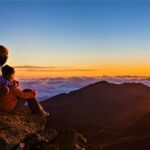
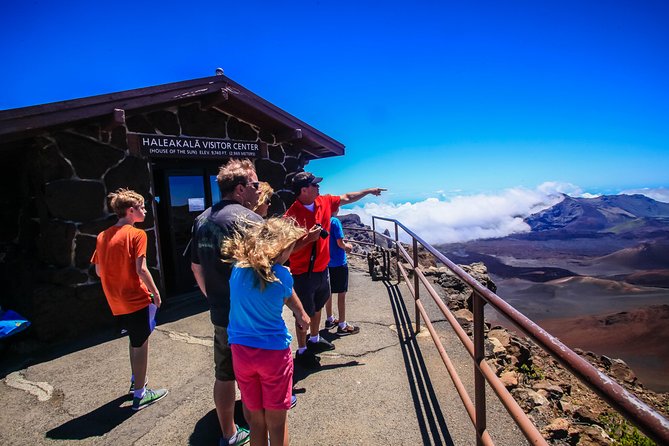
You’ll meet at 810 Haiku Rd, Haiku and head out at 8:00 am. From there it’s an air-conditioned vehicle up to Haleakala’s summit area. Before you ride, you’ll take in the Haleakala Crater stop, and your NAI certified interpretive guide shares stories about Hawaii’s history and culture.
Those bus stories are more than fluff. When you hear the land described—why it matters, how people relate to it, what you’re looking at—the crater views hit differently. It’s also a nice way to “warm up” mentally for the ride. You’ll arrive thinking you’re about to see something spectacular; you’ll leave understanding why the place has a reputation.
Here’s the practical angle: plan to dress for real temperature swings. The summit can feel dramatically colder than Haiku, and the ride can start chilly even if Maui looks sunny later.
The self-guided downhill: Kona bikes, no convoy, and the famous switchbacks
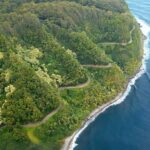
This is the main event: once you’ve experienced the crater, you’ll mount custom Kona bikes and begin a 15-mile downhill. You’ll ride from around 6,500 ft, and the big emotional payoff is the “heart” of the descent, including the world-famous Fabulous 29 switchbacks.
Two things make the riding style work:
- No convoy means you don’t have a tight pack behind you. You can stop for a photo without feeling like you’re holding everyone up.
- Your pace, your stops means you can ride smooth and steady instead of pushing harder than your comfort level.
Still, self-guided doesn’t mean “zero attention.” This is road riding downhill. One practical tip: you should expect sections where you need to be aware of cars and share the road. Some riders find certain stretches beyond the park less friendly for biking, so treat the outside-road sections like they’re the real test, not the scenic postcards.
Also consider this: the ride is long enough that stamina and focus matter. Your body needs to stay calm and controlled the entire time—especially when you’re navigating switchbacks and turns.
How “route changes” affect the ride (and how to handle them)
A key reality of Haleakala bike days: routes can be altered by closures and local rules. In particular, parts through Kula may be closed on some days, and the middle portion of the ride can be impacted. That doesn’t mean the day is a bust—it means your plan should include flexibility.
Here’s how to handle it like a pro:
- Take the route you’re given seriously and ride what’s open, even if it isn’t exactly what you expected from online descriptions.
- Keep your expectations focused on the experience: crater views, switchbacks where permitted, and safe downhill riding.
- Listen carefully during the pre-ride instructions so you don’t get stuck trying to guess what’s next.
If you’re the type who gets anxious when things change, a guided option can be worth considering. Having someone help you interpret the route and traffic conditions can reduce mental load—especially for first-timers.
Makawao and Haiku: finishing in upcountry towns, not just in a parking lot
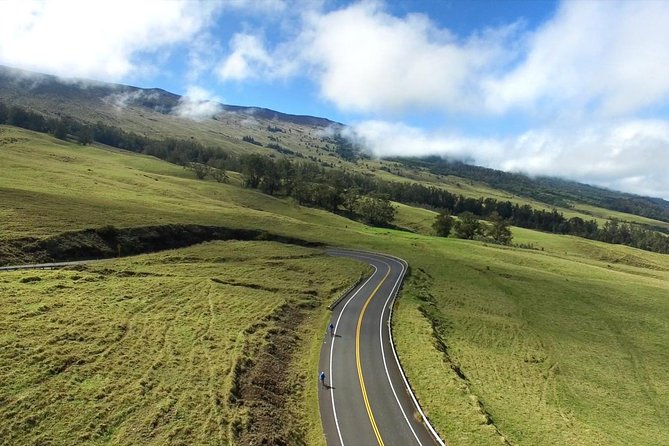
After the big downhill segment, you’ll be shuttled down to a drop-off spot just above historic Makawao. Then you bike through Makawao, the upcountry town with that laid-back plantation-era feel—winding streets, small-town pace, and a welcome break from the intensity of the descent.
From there, you continue biking back toward Haiku, where the ride finishes back at the starting area. That’s a smart design choice. You end where you started, so you’re not scrambling for a ride or trying to piece together transportation after your legs are done.
Lunch is your call. You can enjoy a no-host lunch in Makawao or Haiku, and you’ll want to bring a credit card or cash for it. The “no-host” setup is common on Maui, but it’s worth emphasizing because it changes your planning: pack light for the bike, and carry enough payment for food when hunger hits.
You can also read our reviews of more guided tours in Maui


What’s included (and why those extras matter on Haleakala)
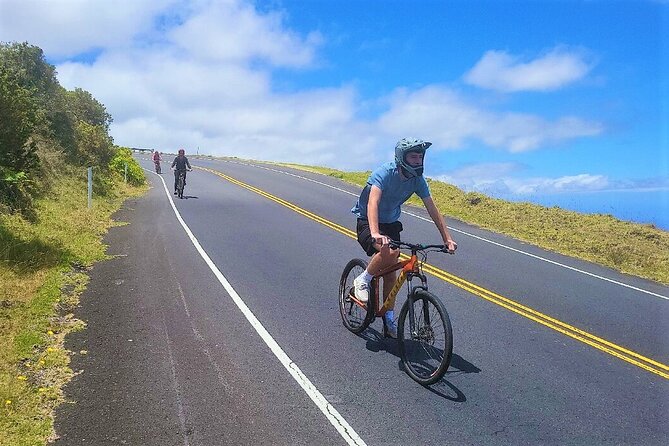
This tour isn’t just “here’s a bike, good luck.” The included gear makes a real difference on a mountain where weather can shift fast.
Included:
- Air-conditioned vehicle
- Custom Kona Mountain Bike
- Bell helmet
- Helly Hansen windbreaker suit (top and bottom)
- Da Kine backpack
- All fees and taxes
What that gear does for you:
- The windbreaker suit helps with that summit-to-downhill temperature swing. Even if you feel fine at first, wind at speed can change the comfort quickly.
- A helmet is non-negotiable for downhill confidence.
- The backpack is practical because you’ll likely need room for water, snacks, and whatever you bring for sun/rain layers.
What’s not included (so you should plan now):
- You bring your own water and snacks
- Lunch is no-host (bring a credit card or cash)
- Gratuity is not included
If you’re tempted to buy everything on the spot, don’t. Have your basics with you before the day turns into motion.
Price and value: does $238.59 make sense for this Maui day?
At $238.59 per person, this isn’t the cheapest activity on Maui. But it isn’t just a bike rental, either. You’re paying for a full-day operation around one of the most famous volcano bike routes on the island.
Value comes from the stack of what you don’t have to arrange yourself:
- transportation up in an air-conditioned vehicle
- a crater visit as part of the day
- an interpretive guide providing history and culture context
- a ready-to-ride setup (Kona bike, helmet, windbreaker suit, backpack)
- all fees and taxes included
Where the cost can feel less “worth it” is in time. Even though the downhill ride is the highlight, your total day is about 7 hours, so you’re spending part of it in transit and crater time. If you’re the type who measures value strictly by minutes spinning your wheels, you might wish the ride time were longer.
My take: it’s a fair price when you want the whole “Haleakala day” package—views, gear, and a controlled route—without managing the logistics on your own.
Who should book this self-guided Haleakala bike tour
This tour is a good match if you:
- have recent biking experience
- are comfortable with road riding downhill
- want a guided setup for safety and instructions, but prefer freedom once you start riding
- like big scenic payoffs and don’t mind a full morning
It also fits families and groups with older teens and adults. The tour lists minimum age 15 and minimum height 4’10”. It’s also capped at a maximum of 48 travelers, which is large enough for logistics but small enough that the operation still feels structured.
Who may want to think twice:
- If you’re new to biking, you might find the road sections stressful.
- If you hate the idea of potential route changes, you might prefer a format that gives you more in-ride navigation support.
And if you’re looking for a first-time confidence booster, it can be smart to ask about guided options before you commit. One rider found the guided version easier for safety and navigation.
Weather and safety realities on Haleakala (plan layers)
Haleakala weather is famously unpredictable in feel, if not always in weather itself. Even with the windbreaker suit included, you should expect:
- chilly conditions at the top or early in the day
- rain showers as a possibility
- bright sun later, meaning you can get sunburned if you only think of the cold
Bring your own water and snacks so you don’t end up hungry while waiting for the next stop. And treat the ride as “weather plus sun” day, not just “mountain cold day.”
One more safety note: you’ll be riding downhill at speed. Keep your focus on the road, not on your phone. If you need navigation help, use it briefly and safely—don’t try to ride while multitasking.
Should you book this Bike Maui self-guided ride?
Yes—if you want the Haleakala experience that mixes crater views with a long downhill ride, and you’re comfortable handling roads with cars around.
Book this tour if:
- you want self-guided freedom (no convoy) after getting setup and instructions
- you’re excited by the Fabulous 29 switchbacks and a controlled downhill day
- you like that gear is included, so you can travel lighter
Skip or switch to a guided option if:
- you’re worried about traffic or road navigation
- you’re very sensitive to route changes from closures
- you want maximum time on the bike with minimal bus riding
In short: this is a strong Maui value when you’re ready for a real downhill adventure with professional support and solid included equipment.
FAQ
How long is the Haleakala Summit bike tour?
It runs for about 7 hours.
What time does the tour start?
The start time is 8:00 am.
Where does the tour start and end?
It starts at 810 Haiku Rd, Haiku, HI 96708 and ends back at the same meeting point.
Is this tour self-guided or guided?
This specific experience is self-guided, with interpretive guidance provided during the ride up to the summit area.
How much biking do I do?
You’ll ride about 15 miles downhill.
What bike and safety gear are included?
You get a custom Kona mountain bike, a Bell helmet, and a Helly Hansen windbreaker suit top and bottom, plus a Da Kine backpack.
What should I bring with me?
Bring your own water and snacks. If you plan to buy lunch, bring a credit card or cash.
What are the minimum age and height requirements?
Minimum age is 15, and minimum height is 4’10”.
Do I need biking experience?
Yes. Recent biking experience is required, and you should have a moderate physical fitness level.
What if weather is poor or parts of the route are affected?
The experience requires good weather. If it’s canceled due to poor weather, you’ll be offered a different date or a full refund. Route conditions can also affect what sections you can ride.