REVIEW · OAHU
Oahu: Shallow Reef Scuba Dive for Certified Divers
Book on GetYourGuide →Operated by Dive Oahu Inc · Bookable on GetYourGuide
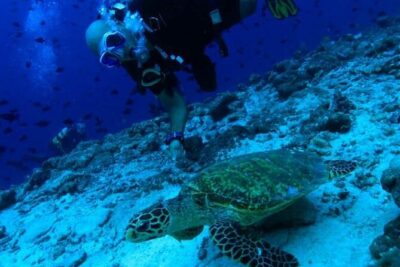
Turtles show up fast. This shallow reef scuba session in Southern Oahu puts you on crystal-clear water for an active, guided experience that focuses on reef life and easy conditions for certified divers. I like that it’s built around two reef sites in one outing, so you get more time underwater without dragging your day across the island.
Two things I really like: the crew runs a tight ship, and it shows in how calmly everything flows from waivers to tank time. In past trips, the captain Nacho and instructor Dan were highlighted for taking care of people and spotting sea life, and that kind of attention matters when you’re cruising along shallow reefs.
One consideration: this is strictly for certified divers, and you must be able to swim and follow safety rules (including not flying within 24 hours after diving). It’s also not set up for kids under 10 or for anyone who is pregnant, so make sure your group fits the requirements before you book.
In This Review
- Key highlights worth planning for
- Shallow reef scuba near Ala Moana: why this 3-hour format makes sense
- What “shallow reef” usually means for your comfort
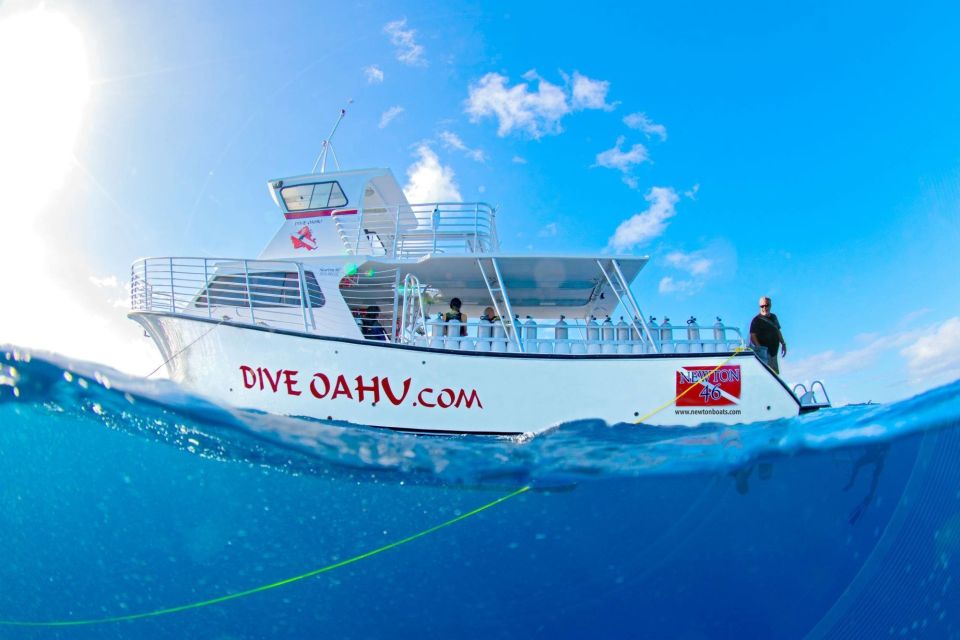
- Getting on board at Dive Oahu in Ala Moana and the 25-minute safety briefing
- The safety briefing: quick, necessary, and not just paperwork
- First underwater stop: Kaiser’s reef swim and reef-life spotting
- What to watch for on the first swim
- Turtle Canyons: volcanic reef formations and green sea turtles
- Fish and other creatures you might spot
- Two guided segments on one boat: how the 75-minute blocks play out
- Guides, captain Nacho, and instructor Dan: what “organized and safe” looks like
- Price and value: $248 for two reef sites plus gear and snacks
- Optional add-ons if you want more
- What to bring and the rules you must follow
- Practical advice: how to get the most from your shallow reef swim
- Before you go
- Underwater focus
- After the water
- Should you book this Oahu shallow reef scuba session?
- FAQ
- How long is the scuba outing?
- Where do I meet for the activity?
- Do I need to bring my diving certification?
- Is this activity for beginners?
- What happens during the first part of the outing?
- Is there another guided underwater segment?
- What should I bring with me?
- What add-ons are available when booking?
Key highlights worth planning for
- Two guided reef swims focused on shallow conditions and lots of wildlife-spotting time
- Classic Oahu reef areas like Kaiser’s and Turtle Canyons, shaped by volcanic reef formations
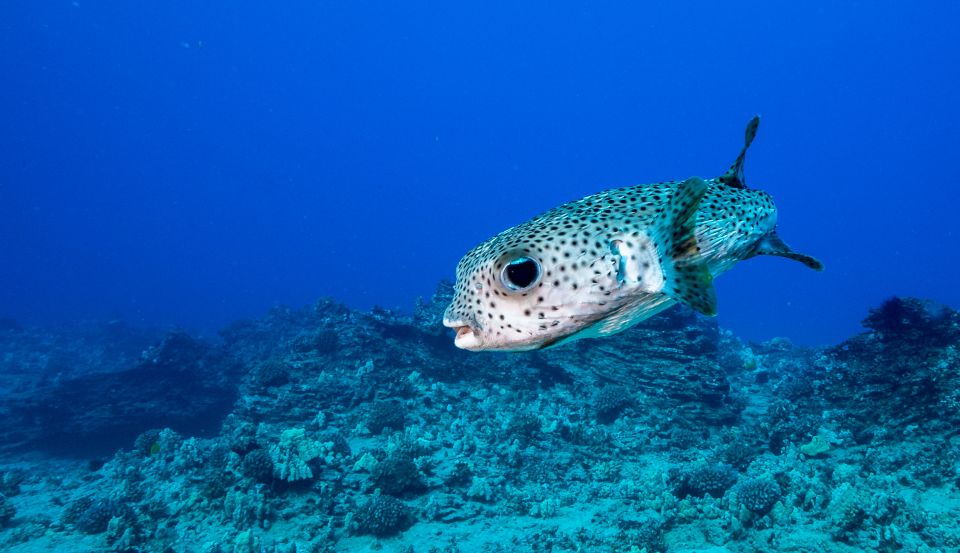
- PADI-certified instruction with an eye for marine life (including sea turtles and reef sharks)
- Premier gear rental plus snacks and refreshments, so you’re not piecing together a kit last minute
- Add-on options like GoPro rental, DPV underwater scooter, and Nitrox tank rental if you want extra gear
Shallow reef scuba near Ala Moana: why this 3-hour format makes sense
If you’re short on time in Honolulu, this kind of 3-hour shallow reef outing is a smart way to spend it. You’re not committing to an all-day schedule, and the format is designed around getting you into the water quickly while still doing a proper safety run-through.
The big value here is the mix of guidance and sites. You’re not just cruising around randomly. The plan centers on two popular reefs off Southern Oahu, with guided underwater time aimed at seeing what matters: reef structure, tropical fish, and the chance of larger visitors like sharks and turtles.
You can also read our reviews of more scuba diving tours in Oahu
What “shallow reef” usually means for your comfort
Shallow water tends to be more forgiving for planning your breathing, buoyancy, and comfort. It’s also the zone where you can see more of the reef wall and branching coral without needing a long technical descent. You’ll spend more of the outing enjoying what’s around you, rather than constantly monitoring depth like you would in deeper profiles.
Getting on board at Dive Oahu in Ala Moana and the 25-minute safety briefing
Your day starts at the Dive Oahu meeting point in Ala Moana. If you’re driving, you can park at Kewalo Basin for $2 an hour, or at Ala Moana Beach Park for free. Easy win: you’re not fighting complicated logistics at the last minute.
Plan to arrive 30 minutes early. That buffer is there for waivers and equipment fitting, and it keeps the rest of the schedule from turning into a scramble. If you’ve done scuba before, you know how much faster everything goes when you’re not trying to solve gear problems at the dock.
The safety briefing: quick, necessary, and not just paperwork
Before you hit the water, you’ll get a 25-minute safety briefing. Since this activity requires you to understand verbal English, the briefing is part of how they manage the group and keep expectations clear.
They also make the requirements plain:
- You’ll need proof of certification (PADI or another approved course).
- You must be able to swim and be in good health.
- You can’t fly within 24 hours after scuba.
That last rule is a big one. It’s not a “maybe” guideline. If you’ve got an interisland flight or a same-day departure planned, adjust your schedule now so you don’t end up with a stressful last-minute conflict.
First underwater stop: Kaiser’s reef swim and reef-life spotting
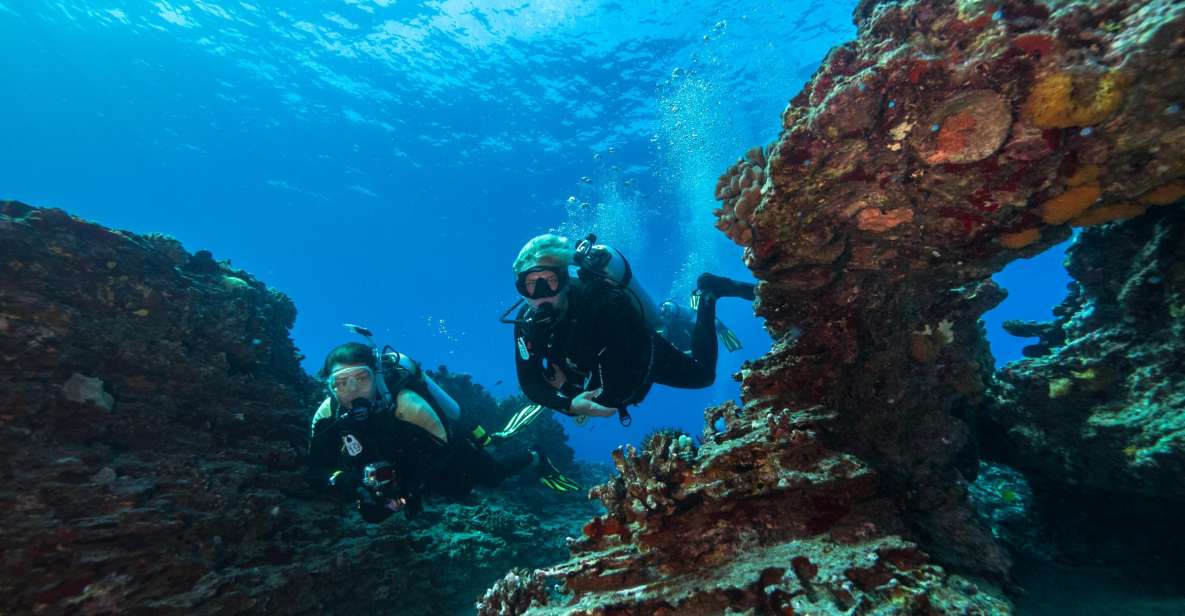
Kaiser’s reef is one of the sites built into this outing, and it’s a great “starter” location. The idea is to get you working with your instructor/guide in a familiar, shallow environment where you can settle into buoyancy and trim without feeling rushed.
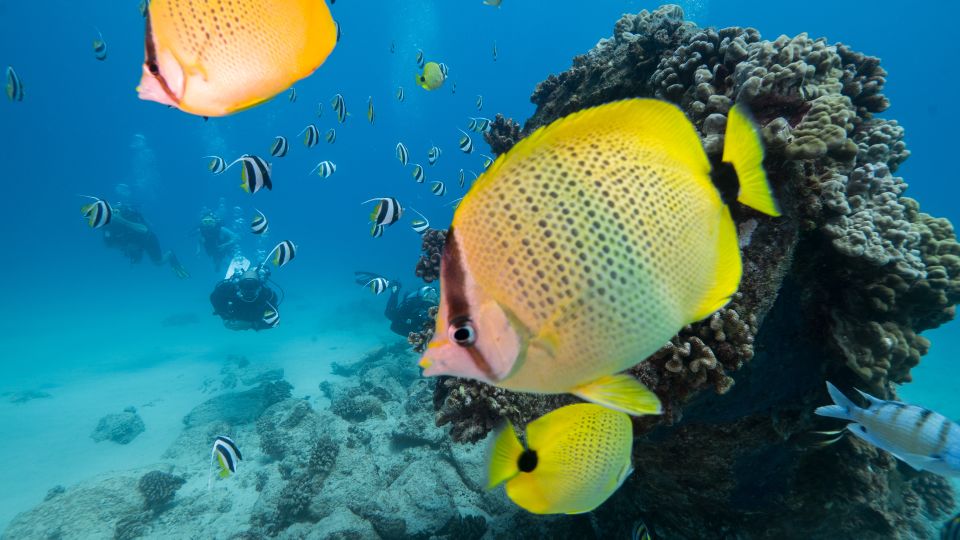
Even when conditions are simple, shallow reefs can be surprisingly active. That’s where you’re most likely to notice the smaller stuff that makes reefs feel alive: reef fish hovering in the water column, schooling patterns moving around coral heads, and the way marine life uses the reef like cover.




What to watch for on the first swim
I’d go into the first underwater segment with a simple game plan:
- Scan for fish movement near coral edges rather than staring at one spot too long.
- Check your surroundings in slow sweeps, not frantic head turns.
- Use your instructor as a reference point for where the best viewing tends to happen.
The overall theme of the outing is wildlife encounter. The pre-trip description also mentions chances like rays and sharks, plus sightings such as octopus. You might not see everything every time, but Kaiser’s style of reef terrain tends to offer plenty of “something is always going by” moments.
Turtle Canyons: volcanic reef formations and green sea turtles
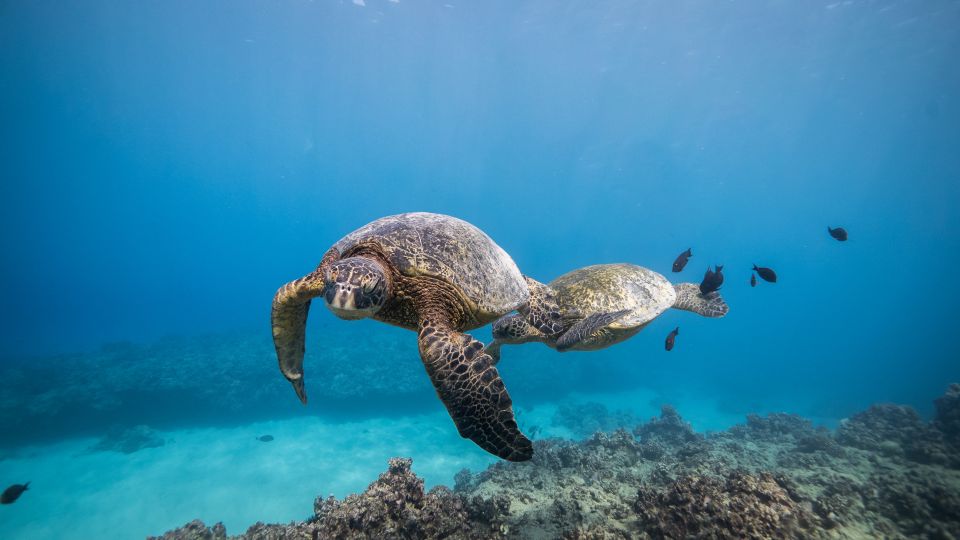
The second reef swim is the one many people remember. Turtle Canyons is known for volcanic reef formations, which creates natural channels and edges where wildlife likes to feed and rest. This is the kind of underwater scenery that helps you understand what makes Hawaiian reefs distinctive: the rock shape isn’t random, and the marine life behaves like the reef is home.
This is also where the sea turtle odds matter. The outing specifically calls out Hawaiian Green Sea Turtles, and that lines up with what divers have reported on the water—lots of turtles. If you’re hoping to connect with one of Hawaii’s most iconic animals, the schedule is built around giving you real time in a place where they show up.
Fish and other creatures you might spot
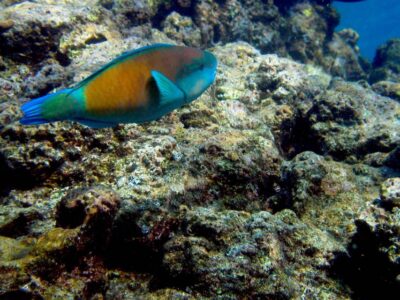
The description also highlights a mix of tropical reef species, including Gold Ring Surgeon Fish, with mentions of possible rarer sightings like Saddleback Butterflies or Flame Angels. On top of that, past outings also included white tip reef sharks, which tells you the reef isn’t just “small fish only.”
A practical note: if you focus on turtles and sharks, you’ll still miss plenty of smaller fish unless you slow your attention down. The best approach is to keep alternating between “bigger target” checks and “reef texture” checks—same swim, but you’ll end up with more memories.
Two guided segments on one boat: how the 75-minute blocks play out
The schedule is built around two underwater blocks of about 75 minutes each. In each segment, you’ll have a guided component, and the activity structure includes both snorkeling and scuba time within the broader outing.
Here’s why that matters for your comfort level:
- If you’re newer to scuba, you get a chance to calibrate while staying in shallow, controlled conditions.
- If you’re more experienced, you can focus on observing and staying relaxed rather than constantly working out logistics.
You’ll also be guided alongside experienced divers, so you’re not the only one thinking about technique and timing. That group context helps a lot, especially in the first part of your trip when you’re still feeling out the water and your gear.
Guides, captain Nacho, and instructor Dan: what “organized and safe” looks like
One of the most praised parts of this outing is the team. The equipment is described as very good, and the overall setup is repeatedly called organized and safe. That’s not just feel-good feedback—on reef swims, safety is what keeps you comfortable enough to look around.
Two names come up in the feedback:
- Captain Nacho
- Instructor Dan
That pair matters because they represent two sides of the operation. The captain runs the boat and positioning, which affects how easy it is to enter and exit the water. The instructor runs the underwater flow, like how they group you, how they spot wildlife, and how they help you stay on track.
If you want a more rewarding experience, choose calm communication. A guide who’s scanning the reef while also checking on divers makes a huge difference. You end up seeing more because you’re not distracted by uncertainty.
Price and value: $248 for two reef sites plus gear and snacks
At $248 per person for a 3-hour outing, the best way to judge value is by what you’re getting without extra costs: premier gear rental, a PADI certified instructor, guided access to reef sites like Kaiser’s and Turtle Canyons, and snacks and refreshments.
For many divers, the hidden cost is the time and hassle of coordinating gear, finding the right boat, and lining up an instructor who will actually take you to quality reef habitat. This price bundles that into a single, timed experience.
If you’re comparing options, ask yourself:
- Are you paying extra separately for tanks, weights, and regulators?
- Are you getting a guide who focuses on shallow reef wildlife spotting?
- Are you getting two structured underwater segments in one run?
This outing is designed to answer yes across the board.
Optional add-ons if you want more
When you book, you can request add-ons such as:
- GoPro rental
- DPV underwater scooter
- Nitrox tank rental
- Private guide and/or a private photographer
These are worth considering if you already know you’ll want footage or you want to cover more distance underwater. If you just want a great wildlife-focused experience without complexity, you can keep it simple and let the standard plan do the work.
What to bring and the rules you must follow
Bring the basics and keep it light. You’ll want:
- Swimwear
- Towel
- Sunscreen
- Your diving certification
The rules are also straightforward, and they’re worth reading before you show up. You must:
- Show proof of certification (PADI or approved).
- Be able to swim and be in good health.
- Understand verbal English.
- Avoid flying within 24 hours after scuba.
And if you’re bringing a partner or group member who isn’t scuba-ready, keep in mind the activity isn’t set up for everyone. It’s not suitable for children under 10 or for pregnant women.
Practical advice: how to get the most from your shallow reef swim
This is one of those experiences where small habits pay off fast.
Before you go
- Arrive early so your gear fitting doesn’t turn into a time crunch.
- Eat lightly before boarding if you’re prone to feeling off balance underwater.
- If you’re sensitive to sun, plan on sunscreen and a hat. You’ll be on deck before you ever get in the water.
Underwater focus
You’ll see more by staying relaxed and moving smoothly. In shallow water, it’s tempting to rush. Don’t. Slow movement helps you avoid stirring up silt, and it gives wildlife time to come into view.
After the water
Bring your towel and expect to transition quickly. You’ll likely leave feeling both excited and pleasantly tired, because reef snorkeling/scuba days use muscle groups you might not expect.
Should you book this Oahu shallow reef scuba session?
I’d book this if you’re a certified diver who wants a well-run, wildlife-focused experience without turning your day into a production. The mix of two guided reef swims, classic reef areas like Kaiser’s and Turtle Canyons, plus solid equipment and a team people trust (with captain Nacho and instructor Dan called out) makes it a strong value option for a short Honolulu stay.
Skip it if your group doesn’t meet the requirements—especially certification and the flying-after-rule. And if you’re traveling with kids under 10 or if someone in your party is pregnant, this isn’t the right fit based on what’s stated as suitable.
If you want a practical way to see Oahu underwater life with guidance that keeps things calm and safe, this is an easy yes.
FAQ
How long is the scuba outing?
It lasts 3 hours total.
Where do I meet for the activity?
Meet at Dive Oahu in Ala Moana.
Do I need to bring my diving certification?
Yes. Divers must show proof of certification through PADI or another approved diving course before boarding.
Is this activity for beginners?
It requires certified divers, and participants must be able to swim and be in good health.
What happens during the first part of the outing?
You’ll get a safety briefing for about 25 minutes, then you’ll go on the guided segment that includes snorkeling and scuba time for about 75 minutes.
Is there another guided underwater segment?
Yes. The schedule includes a second guided segment with snorkeling and scuba time for about 75 minutes, before returning to the meeting point.
What should I bring with me?
Bring swimwear, a towel, sunscreen, and your diving certification.
What add-ons are available when booking?
You can request GoPro rental, DPV underwater scooter, Nitrox tank rental, and/or a private guide or private photographer.