REVIEW · HONOLULU
Oahu: Whale Watching Cruise Whales Guaranteed
Book on GetYourGuide →Operated by Living Ocean Tours · Bookable on GetYourGuide
Sunset and whales off Waikiki is a win. This Oahu whale watching cruise pairs a great viewing schedule with real-time spotting for humpback whales migrating near the island. I especially like the double-decker boat layout for strong sightlines, and I also like how the guide stays on top of what you’re seeing and why it matters in the marine ecosystem. One thing to keep in mind: sightings are common, but they’re still wildlife, so you need to be okay with scanning for a while.
My main caution is motion. This cruise isn’t for people prone to seasickness or with back problems, and a few folks may find the water choppy on certain days.
In This Review
- Key things to know before you go
- From Pier B to your first whale-check
- The double-decker power boat: how it affects your photos
- Waikiki Beach whale watching: the first 45 minutes matter
- Diamond Head lighthouse: peak scenery for sunset spotting
- How the guide commentary makes wildlife spotting easier
- When dolphins steal the show
- Seasickness, comfort, and who should skip this cruise
- Price and value: is $56 worth it?
- The deal-maker: whales are common, not magical
- What you should bring (and what not to bring)
- Who this cruise fits best
- Should you book this whale watching cruise?
- FAQ
- How long is the whale watching cruise?
- Where do I meet for the tour?
- When is the best time to go?
- Are whale sightings guaranteed?
- What’s included in the ticket price?
- What should I bring?
- Who isn’t this tour suitable for?
Key things to know before you go
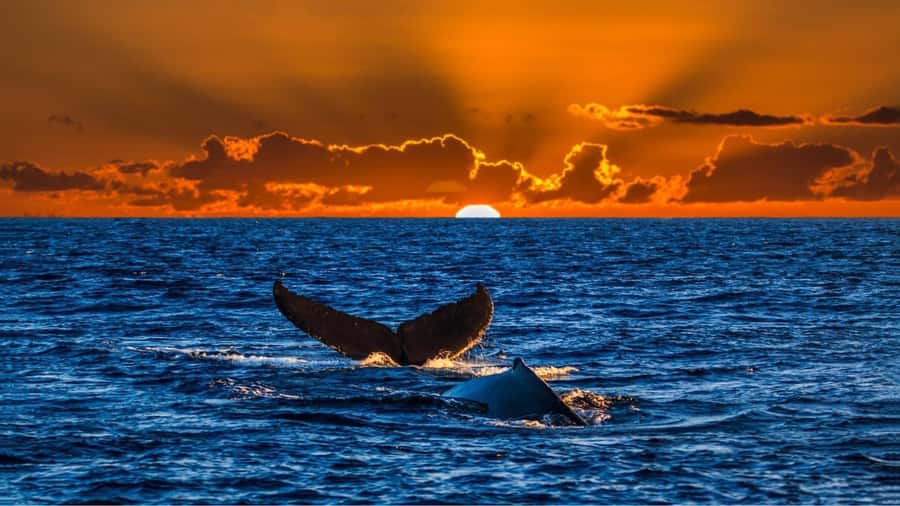
- Humpback whale season window: cruises are aligned with the January to April migration period.
- Best time to watch: afternoon and sunset give you the best mix of light and whale activity.
- Double-decker viewing: you’re not stuck with the same eye level the whole trip.
- Guides actively call the action: watch for breaches, tail slaps, and playful interactions.
- Free return if no sightings: you get another chance if wildlife doesn’t show up.
- Iconic coastline from the water: Waikiki Beach and Diamond Head show up fast on the route.
From Pier B to your first whale-check
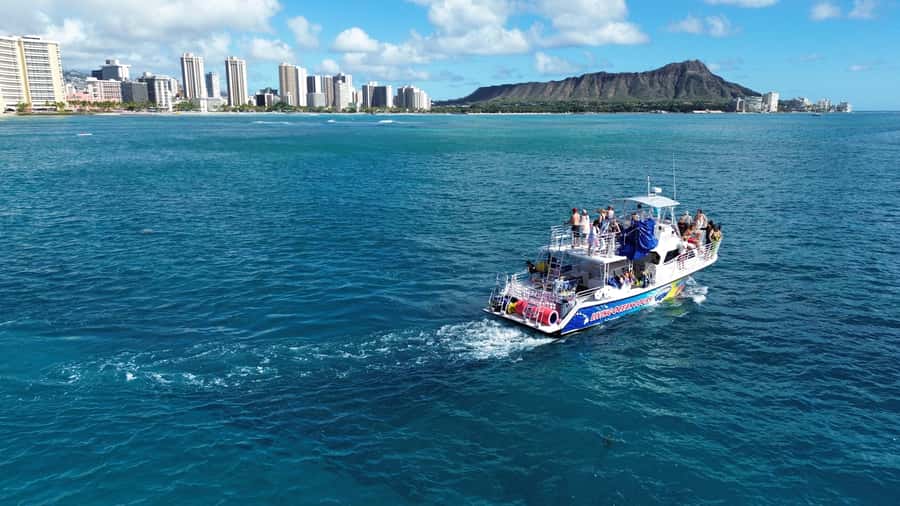
The experience starts at Living Ocean Tours in Kewalo Basin, meeting at Pier B. You’ll want to arrive with time to park, find the pier, and get yourself settled before departure—especially if you want a good spot on the upper deck.
Right away, the vibe is simple: get you out onto the water, then start scanning. These cruises are built around the idea that whales are moving through the area in search of mating and birthing opportunities during the season. That’s why timing matters. If you book an afternoon or sunset departure, you’re lining up whale-spotting with that late-day golden light over Waikiki and the headland.
And you’re not just there to look. The guide uses live commentary to explain whale behavior and marine ecology as the cruise unfolds. That turns the trip from random spotting into a hunt with context—like learning what you’re actually watching, not just where to point your camera.
You can also read our reviews of more boat tours in Honolulu



The double-decker power boat: how it affects your photos
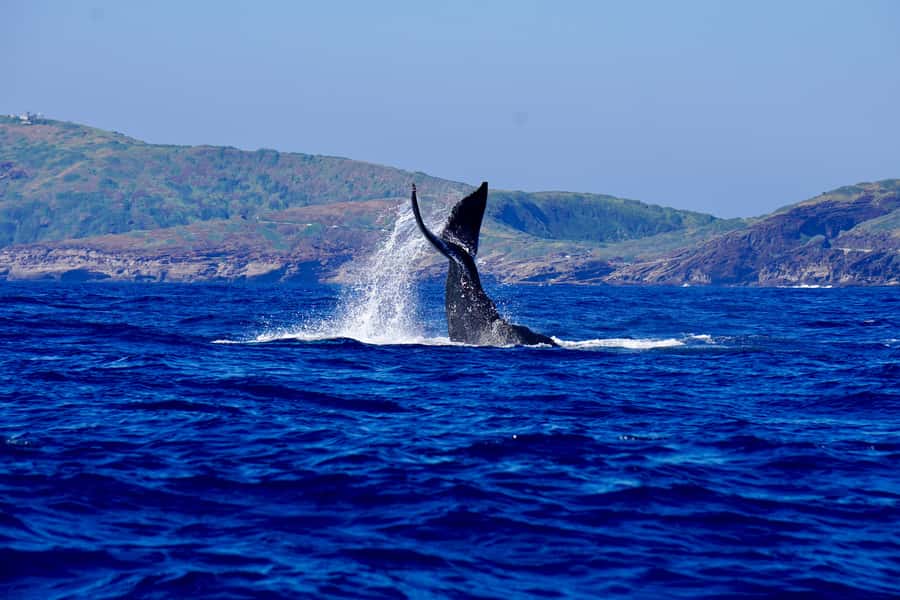
This is a double-decker power boat, and that detail isn’t fluff. Having two levels can make a big difference when whales surface at different heights and distances. You’re also not stuck behind the same row of shoulders the whole time, which helps when you’re trying to frame Diamond Head or catch a whale breach with your zoom.
You’ll also find onboard comfort perks. There are light snacks and included drinks like sodas, juices, and water. There’s also a bar with snacks and drinks available for purchase, which can help if you want something beyond what’s included. Just note the onboard rules: smoking isn’t allowed, and alcohol and drugs aren’t allowed either.
Practical photo tip: keep your camera ready but don’t stress. The biggest moments—breaches and tail slaps—tend to happen quickly after you spot movement. If your camera is already up, you’ll get more keepers.
Waikiki Beach whale watching: the first 45 minutes matter
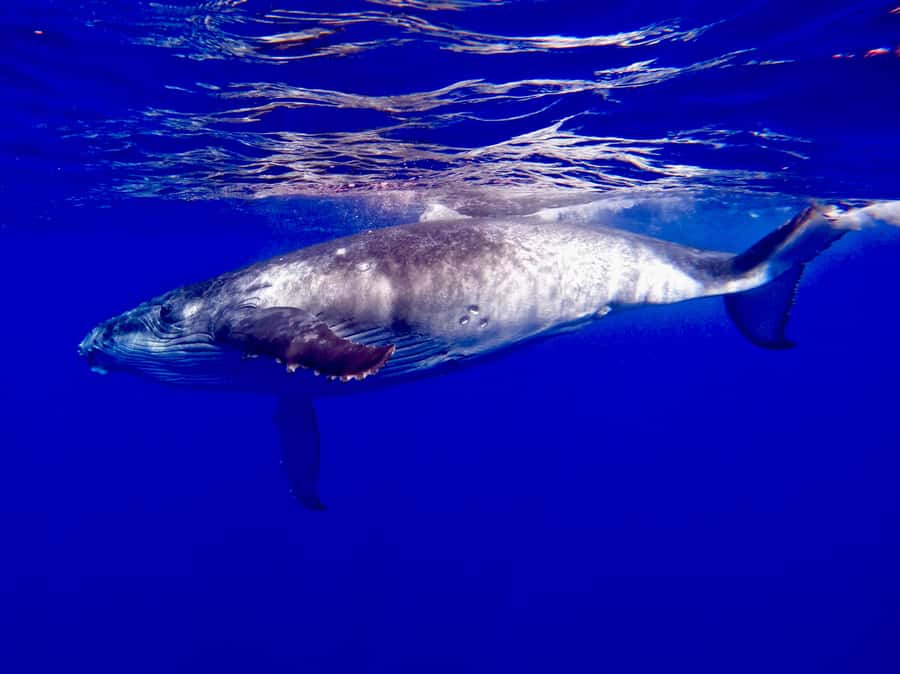
The cruise includes a dedicated whale watching stretch off Waikiki Beach. The payoff here is speed: you get moving, you start scanning, and you’re in one of Oahu’s most dramatic ocean-view zones. Even when whales are subtle at first, you’ll still be working with a clear coastline landmark, which helps you keep your bearings fast.
During this segment, your guide will be calling out what to look for—things like surface blows, changes in swim direction, and activity that can precede bigger moments. When whales do show, watch for behaviors that make humpbacks famous: breaches, tail slaps, and playful interactions. Those are not just entertaining; they’re clues that you’re seeing active, social behavior rather than a distant “maybe that’s one” sighting.
Also, sunset departures tend to give this part extra magic. Even if the whales aren’t immediate, you’re still out on the water with Waikiki Beach rolling behind you, plus the sky doing its thing. That helps the time feel like an experience, not a waiting room.
Diamond Head lighthouse: peak scenery for sunset spotting
Next comes the stretch near Diamond Head Lighthouse, another whale-watching window designed to keep the search active. This area matters because it’s visually striking from the sea, and it also gives you a different angle for spotting surfacing behavior.
If you time your cruise well, this is where the vibe often turns romantic and focused at the same time. People talk about getting strong photos in the sunset glow here, and that makes sense: Diamond Head is sharp against the water, and the light at golden hour helps you keep your camera settings steady while you track motion.
Onboard support can also help. Multiple past passengers praised the crew for being proactive about helping with pictures during sunset. That’s a real practical advantage. Whale sightings can happen suddenly, and it’s hard to aim and hit the shutter at the same time. If the crew is helping position people, you spend less time arguing with your camera and more time enjoying the moment.
One more thing to watch during the Diamond Head stretch: sometimes the action is “near enough to feel it,” not just a dot on the horizon. When whales surface close, you’ll feel that shift immediately—everyone goes quiet for a second, then starts sharing what they just saw.
How the guide commentary makes wildlife spotting easier
This tour leans hard on live commentary. The guide doesn’t just point and say whale. They connect what you’re seeing to whale behavior and marine ecology, so you know whether you’re watching feeding, traveling, or social movement.
You’ll also hear the crew talk about what the migration season means in real-world terms. From January to April, humpbacks come to Hawaii to mate and give birth. When you’re out there during that window, you’re not just hoping. You’re operating during a time when the odds of meaningful encounters are higher.
From the names that show up in praised crews, you might hear captains and staff like Captain Kevin, Captain Jason, or Captain Shawn, along with crew members including Tanner, Haley, Taylor, and Missy. You shouldn’t expect specific people every trip, but the consistent theme is clear: the best moments happen when the captain and crew actively work the search and explain what’s going on while you watch.
You can also read our reviews of more whale watching tours in Honolulu
When dolphins steal the show
Whales are the headline, but the ocean has a way of delivering bonus sightings. Several people on these cruises mentioned seeing spinner dolphins in addition to humpbacks. That’s common enough to be worth knowing: dolphins are often easier to spot quickly, and they can help you stay engaged even if whale activity is still forming.
If your cruise includes dolphins, treat that as a warm-up phase. Often, once you’re tuned into surface patterns—fast movements, quick breaks above water, and coordinated movement—you get better at tracking where humpbacks will surface next.
Seasickness, comfort, and who should skip this cruise
This is not an everyone-on-board type of outing. It’s not suitable for children under 3, pregnant women, people with back problems, or anyone prone to seasickness. That matters because even if the boat is stable, whale watching is time on open water, and the schedule doesn’t pause just because you feel queasy.
If you’re on the fence, be honest with yourself. If you’ve had trouble with motion before on boats, choose a different activity. The whole point here is to enjoy the wildlife and the views—not white-knuckle your way to a possible sighting.
A practical move: bring your essentials to the meeting point so you’re not scrambling once underway. Sunglasses, a hat, sunscreen, and a camera make the experience easier from the first minute.
Price and value: is $56 worth it?
At about $56 per person for a 90-minute cruise, the value equation comes down to what you get for that time block:
- You get a full live-guide wildlife program, not just a boat ride.
- You get a double-decker layout and a route built around two whale-watching stretches.
- You get included refreshments like sodas/juices/water plus light snacks.
- And crucially, you have a safety net: if no whales are spotted, a free return trip is offered.
So the price isn’t only about “one whale.” It’s about stacking your chances. The migration season (January to April), the afternoon/sunset timing, and the active search approach can turn a short cruise into a high-hit wildlife session.
Two small cautions on value:
- You don’t get hotel pickup or drop-off, so factor in your own time and transportation to Kewalo Basin.
- Meals aren’t included, so if you’re hungry, plan to eat before you go (or grab something else after).
The deal-maker: whales are common, not magical
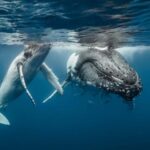
Here’s the honest balance. Whale sightings are very common, and lots of trips include multiple humpbacks—or at least a mom and calf. People also describe whales surfacing right next to the boat and pods showing up in small groups, like a pod of three.
But this is still nature. If whales don’t appear on your outing, you’re covered with a free return trip in the rare case of no sightings. That’s the closest thing to a guarantee you’ll find that still respects wildlife reality.
One more nuance: most feedback highlights captains and crew working hard to find whales, with some trips calling out that the captain stayed focused and made the most of the final minutes. Still, not every run goes perfectly—one report noted a day when no whales were spotted and the search effort didn’t feel as active. That’s an outlier, but it’s a reminder to bring patience and keep your expectations flexible.
What you should bring (and what not to bring)
The essentials are straightforward, and they make a difference on open water:
Bring:
- Sunglasses
- Hat
- Camera
- Sunscreen
Don’t bring:
- Smoking
- Alcohol and drugs
Also, because this is a sunset-friendly cruise, dress for wind off the water. Even in Hawaii, ocean breezes can cool you down. Wear something you can adjust easily once the boat speeds up.
Who this cruise fits best
This whale watching cruise is a strong match if you want:
- Sunset views plus wildlife in the same outing
- A guided experience where you learn what you’re seeing
- A short time commitment at about 90 minutes
- A realistic plan for whale spotting during the January to April season
It’s also a good choice if you’re trying to make Oahu feel special without booking a full day. This is a focused hit: get out, watch, learn, return.
If you’re traveling with kids, note the age minimum of 3+. If you’re pregnant or dealing with back issues or seasickness, this one isn’t for you.
Should you book this whale watching cruise?
Book it if you’re going in January through April, and you can do an afternoon or sunset departure. The combination of humpback season timing, two whale-watching stretches, and live guide commentary can turn a short cruise into a standout wildlife memory.
Skip it if you know you’re sensitive to boat motion, and don’t count on this being a calm, easy ride. Also remember that while sightings are common, they’re not 100% guaranteed—though you do get a free return trip if nothing is spotted.
If you want a simple decision rule: if whales are your top priority and you’re comfortable with open-water time, this is a smart value play at $56.
FAQ
How long is the whale watching cruise?
The cruise runs about 90 minutes.
Where do I meet for the tour?
You’ll meet at Pier B in Kewalo Basin Boat Harbor.
When is the best time to go?
Afternoon and sunset are the best times to be out on the water.
Are whale sightings guaranteed?
Whale sightings are very common, but they’re not guaranteed. If no sightings happen, you’ll be offered a free return trip.
What’s included in the ticket price?
Your ticket includes a 1.5-hour whale watching cruise, live guide commentary, double-decker power boat access, and light snacks plus sodas, juices, and water.
What should I bring?
Bring sunglasses, a hat, a camera, and sunscreen.
Who isn’t this tour suitable for?
It’s not suitable for children under 3, pregnant women, people with back problems, or people who are prone to seasickness.