REVIEW · MAUI
Taste of Hawaii: A Maui Farm Tour
Book on Viator →Operated by Lā Kāhea Community Farm · Bookable on Viator
Sugarcane juice beats most souvenirs. This 90-minute farm tour at La Kāhea Community Farm mixes tropical crop lessons with hands-on tasting and big Maui mountain views.
I especially like the fruit-first approach (fresh slices + sweet sugarcane juice you make) and the way the hosts connect the plants to Hawaiian and Polynesian growing traditions. One possible drawback: in wet or messy conditions, the farm walk can feel slower, and you may wish there was a bit more to see.
You’ll meet at 2100 HI-30 in Wailuku, then spend the morning with a small group (up to 35) learning what regenerative community farming looks like on the ground. Guides I heard from include Winsome and Anna, plus others like Emily, who keep the whole thing lively and practical.
In This Review
- Key things that make this Maui farm tour worth your time
- La Kāhea Community Farm: what this 90-minute tour really delivers
- Meeting at 2100 HI-30: timing, group size, and how to plan for it
- The farm walk: Haleakalā views and tropical crops you can spot up close
- What you taste: fresh fruit, sugarcane juice you make, and banana dessert
- Fruit plate and sugarcane juice
- Dessert: banana nice-cream or banana ice cream
- The farming lesson: regenerative and community-focused agriculture in plain language
- Hosts and energy: Winsome, Anna, and the team that keeps it moving
- Possible drawbacks to plan for before you go
- Price and value: why $75 can make sense for a farm tasting
- Who this tour fits best (and who should think twice)
- You’ll likely enjoy it if you:
- Consider another option if you:
- Practical tips for a smooth visit
- How to fit it into your Maui itinerary
- Should you book the Taste of Hawaii: A Maui Farm Tour?
Key things that make this Maui farm tour worth your time
- Farm-to-table tastings in small, satisfying portions instead of just a quick bite or two
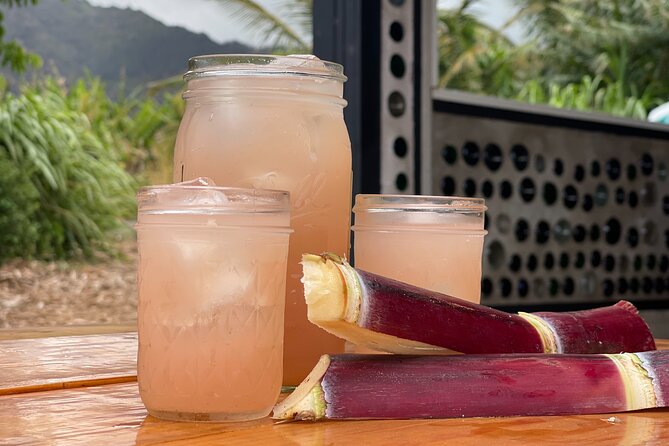
- Sugarcane juice is hands-on, not just something you’re handed
- Tropical plants tied to Polynesian crop knowledge so you’re not guessing what you’re seeing
- Real community farming goals, explained in plain language about soil and support for the local area
- Maui viewpoints from the farm with Haleakalā and the West Maui Mountains in the mix
- Friendly animal interaction is possible, including pig feeding if timing and conditions line up
La Kāhea Community Farm: what this 90-minute tour really delivers
This tour is built around one simple idea: food tastes better when you know where it comes from. At La Kāhea Community Farm, the tasting walk is the main event, and the education is woven into it—so you leave with both flavors and new names for the plants you sampled.
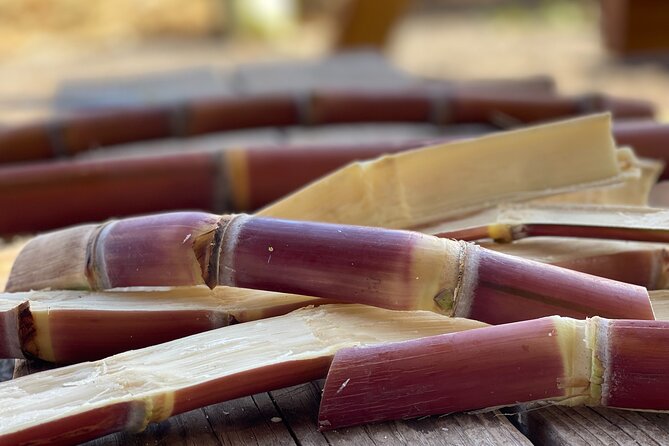
What you’re likely to remember most is the mix of sweet and refreshing items. Many people highlight a plate of fresh fruit early on, then the big moment: making and drinking sugarcane juice. Then the tour wraps with a dessert, often banana nice-cream or banana ice cream, plus macadamia nuts when available. It’s the kind of sequence that makes the time feel balanced—learn a bit, taste a bit, walk a bit, repeat.
I also like that the tour doesn’t pretend it’s an amusement park. It’s a working farm that’s still growing and evolving. That means you’re watching a real process, not a staged show.
You can also read our reviews of more tours and experiences in Maui

Meeting at 2100 HI-30: timing, group size, and how to plan for it
The tour runs about 1 hour 30 minutes, starting at 10:30 am, and it ends back at the meeting point. You’ll start at 2100 HI-30, Wailuku, HI 96793.
A practical note: the group max is 35, so you’re not packed into something huge. That matters for tasting tours because you want people to actually hear explanations and have time to interact. With a smaller group, it feels more like a guided farm morning than a rushed hop-on experience.
Also, this one books ahead—on average about 32 days in advance—so if your Maui dates are set, plan early. The farm experience depends on timing, hosts, and weather conditions.
The farm walk: Haleakalā views and tropical crops you can spot up close
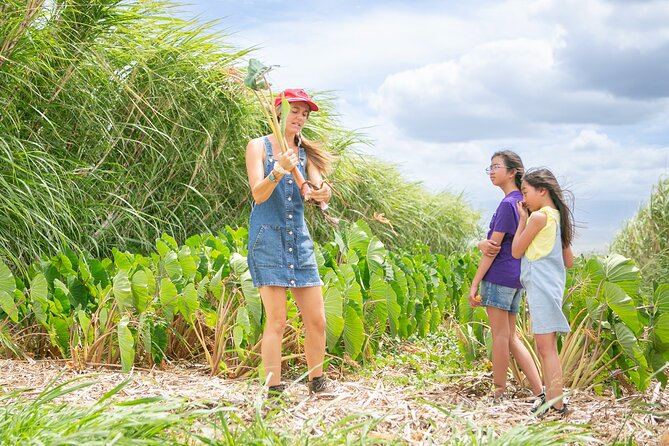
Your main stop is the La Kāhea Community Farm itself, where you’ll be guided through tropical Hawaiian crops and sustainable growing methods. The setting is part of the point. Many people mention the views toward Haleakalā and the West Maui Mountains, which helps the tour feel like more than just a tasting table.
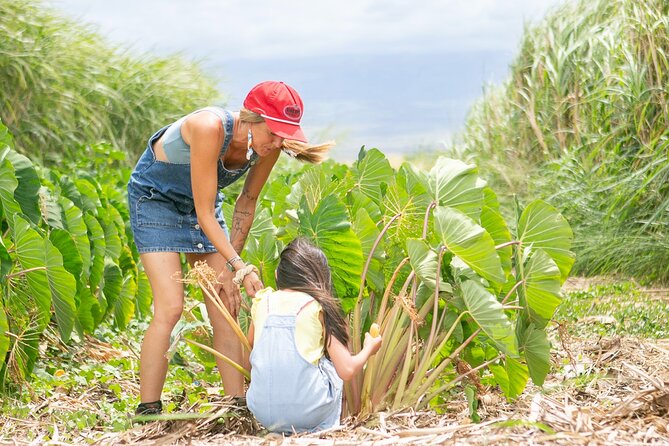
You can also expect close-up plant moments. One theme that comes through strongly is learning what’s growing there and why it matters. People share that the hosts explain leaves and fruits, plus how plants arrived and spread through Polynesian voyages—so you’re not just looking at random tropical greenery.
There’s even a chance to interact with farm animals, including pigs. You might feed them, if the farm day allows it. It’s one of those experiences that’s fun for adults but also has real kid appeal—just remember this is still a working farm environment.
What you taste: fresh fruit, sugarcane juice you make, and banana dessert
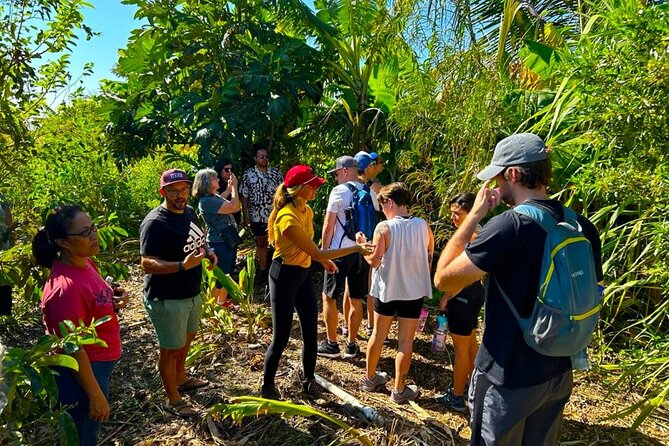
This tour earns its name with food that feels intentionally chosen for variety. Most tastings center on items grown locally on the farm, so the flavor is the first lesson.
Fruit plate and sugarcane juice
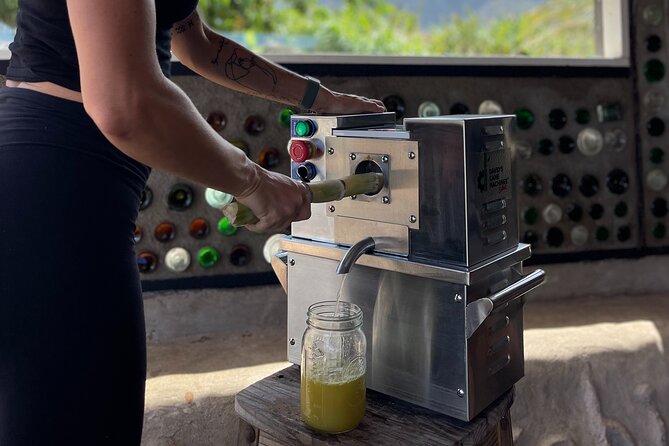
A common start is a plate of sliced fresh fruit. Expect a mix of flavors that show off what can thrive in Maui’s conditions. Then the standout: sugarcane juice. Several people mention the satisfaction of doing it yourself—squeezing or pressing sugarcane and then drinking it fresh, sometimes described as a natural, energizing kind of drink.
If you’re the type who likes to understand what you’re eating, you’ll probably enjoy how the hosts tie the juice to the farm’s approach. It’s not just sweet; it’s a direct product of the crops they’re talking about.





Dessert: banana nice-cream or banana ice cream
After the main tour portion, dessert often appears. People specifically call out banana nice-cream and banana ice cream, sometimes with roasted macadamia nuts. That pairing shows up because it’s classic island agriculture—banana and macadamia together feel like a “Maui grown” finale.
And if you’re a fruit-tour person, you’ll appreciate that this isn’t only about tasting fruit from a generic market. It’s tied to what’s on the farm right now.
The farming lesson: regenerative and community-focused agriculture in plain language
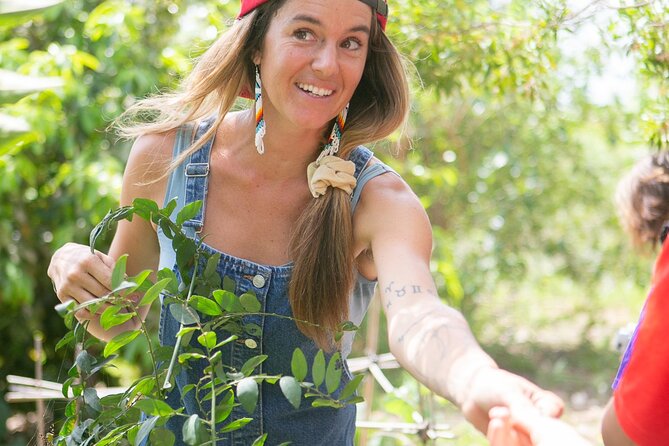
The best part for many people is the reason behind the growing. Rather than only describing methods, the tour frames farming as something that supports the environment and the surrounding community.
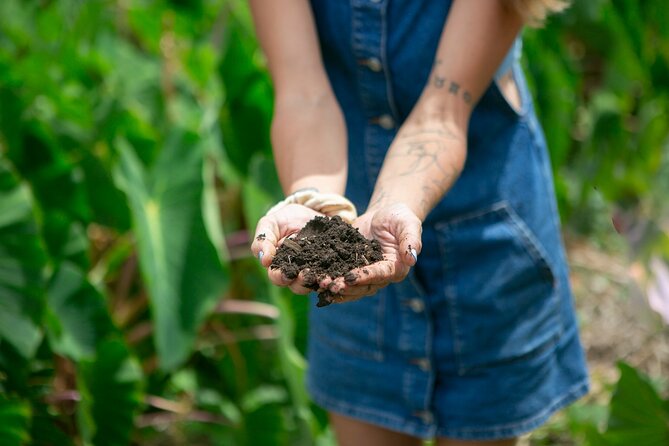
A lot of the explanation centers on regenerative and restorative farming ideas—how the farm works to improve soil health and reduce harm while still producing food. People also mention that the hosts share practical discussion of farming practices, not just high-level ideals. The tone shows up as down-to-earth: why certain crops are grown, what natural systems look like, and what the farm aims to do long-term.
Another strong theme is learning about plants introduced by Polynesians: which ones are important, what their leaves and fruits look like, and how they fit into the island’s food story. If you’ve ever wanted Hawaiian agriculture to feel more specific than a general brochure, this portion is a good match.
Hosts and energy: Winsome, Anna, and the team that keeps it moving
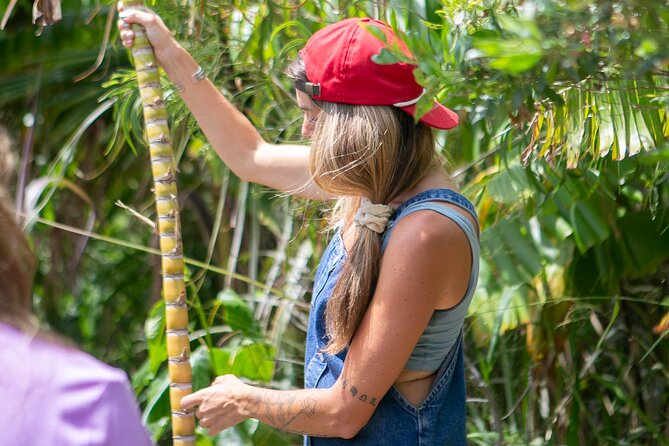
The experience seems to run on warmth and momentum. People repeatedly mention names like Winsome and Anna, along with Emily in some groups. Other names show up too, like Jake, Whit, and Jakke, but the consistent thread is that the hosts combine farming knowledge with an upbeat, welcoming style.
Why this matters: tasting tours can go flat if the guide is only reading facts. Here, the tour feels like a conversation about food, land, and why the farm exists. That makes the time pass quickly—and it’s also why solo travelers, couples, and families tend to rate it so highly.
Possible drawbacks to plan for before you go
No tour is perfect, so here’s what to keep in mind.
- Weather can change how the farm day feels. If it’s raining, the tour might be slower or feel less polished. One comment mentions the farm being a bit stunted by rain, with the overall look described as messy.
- It’s not a huge sightseeing circuit. The experience is focused on one farm stop and related tastings. If you’re expecting many separate photo stops or a long walk through multiple areas, you might want to pair it with other Maui activities.
- Kid expectations vary. While many people say families enjoy it, one review suggests it’s not ideal for very young children.
The upside is that the pace stays low-stress for the length of the tour. It’s designed to be doable even on a day when you’re tired from driving around Maui.
Price and value: why $75 can make sense for a farm tasting
At $75 per person, this isn’t the cheapest Maui activity. But the value math looks better when you think about what’s included.
You’re getting:
- a guided farm visit focused on tropical crops and farming practices
- a tasting setup that commonly includes a fruit plate
- sugarcane juice you help make
- and a dessert experience, often banana ice cream or nice-cream with macadamias
That’s not just snack-size. It’s a real taste of the farm’s produce plus an education component that helps you connect flavors to farming choices.
Also, the farm setting is small-group. That makes the per-person price feel more reasonable because you’re interacting with hosts rather than standing in a crowd.
Who this tour fits best (and who should think twice)
This is a strong match if you want Maui that feels local and hands-on.
You’ll likely enjoy it if you:
- like food tours where the tasting teaches you something
- want a gentler morning activity instead of a heavy hike
- enjoy learning how agriculture works, especially regenerative or community-led farming
- travel with a mix of ages and want something interactive
Consider another option if you:
- want a big multi-stop sightseeing day
- don’t like weather-dependent outdoor activities (this one requires good weather)
- have very small kids who may struggle with farm-walk pacing
Practical tips for a smooth visit
A couple practical things come up repeatedly:
- Bring water and sunblock. People specifically point out it can be dry on this side of Maui, so hydration and sun protection matter.
- Wear comfortable shoes. You’re walking on a working farm surface, and you’ll want traction.
- Arrive ready to listen and taste. The tour works best if you treat it like an active experience, not a sit-and-watch museum.
If you’re sensitive to rain plans, keep a flexible day near this tour time. Weather can affect how the farm day looks and moves.
How to fit it into your Maui itinerary
This tour’s timing makes it easy to use as a morning anchor. Starting at 10:30 am means you can still do a beach stop, a scenic drive, or another activity after you eat dessert.
It also pairs well with other food- and culture-oriented experiences because it gives you a farm-to-table lens. After this, you’ll probably notice local produce and farming decisions more clearly when you’re out and about.
And since it ends where you start, you avoid complicated transfers. That’s a real travel-day win.
Should you book the Taste of Hawaii: A Maui Farm Tour?
Yes, if you want an authentic Maui experience that mixes tastings, tropical crop education, and community farming in about 90 minutes. The strongest reasons to book are simple: the sugarcane juice moment, the fruit tastings, and the hosts like Winsome and Anna who keep the vibe welcoming and informative.
Skip or switch plans only if you’re expecting a long lineup of varied sights. This is one farm stop done well, with outdoor walking and food-driven storytelling.
If your Maui trip has space for a low-stress morning and you love real, grown-on-island flavors, this is an easy yes.