REVIEW · MAUI
Waves Hawaii Surf School in Kihei Maui
Book on Viator →Operated by Waves Hawaii Surf School · Bookable on Viator
You’ll stand up faster than you expect. A 2-hour surf lesson in Kihei with expert coaching is one of the most efficient ways to get real skills without a long, complicated setup. What makes it especially appealing is the mix of land instruction first and then practical wave time right away.
I especially love that you get outfitted with the right gear—rash guard, reef shoes, and a surfboard—so you can focus on learning instead of shopping or guessing. I also like the way instructors break things down by level, from true first-timers to people who already surf. One watch-out: the ocean is still the ocean, so if you’re planning this on a marginal-weather day, you may want flexibility.
In This Review
- Quick highlights from Waves Hawaii Surf School
- Why this Kihei-to-Makena surf lesson makes sense
- Finding the meeting spot at 1900 S Kihei Rd (Kalama Park)
- What you wear and how fast you get on the board
- The land lesson: learning the pop-up without the chaos
- Into the water at Makena State Park: waves, paddling, and real timing
- Private vs group lessons: choosing the right pace
- Gear and photos: what you’ll get, and what costs extra
- Instructor quality: why people leave smiling
- The real value of the price ($103.12 per person)
- Who should book this surf lesson in Maui
- Tips to make your two hours go smoother
- Should you book Waves Hawaii Surf School in Kihei?
- FAQ
- Where do we meet for the surf lesson?
- How long is the lesson?
- Are private and group lessons both available?
- What’s included with the lesson?
- What costs extra during or after the lesson?
- Is this suitable for young children?
- What fitness level do I need?
- Is the instruction offered in English?
- What if weather is poor?
Quick highlights from Waves Hawaii Surf School
- Kalama Park check-in in central Kihei makes it easy to find and easy to park
- Land lesson before you hit the water, so your first session isn’t just flailing
- Gear is included: rash guard, reef shoes, and a board
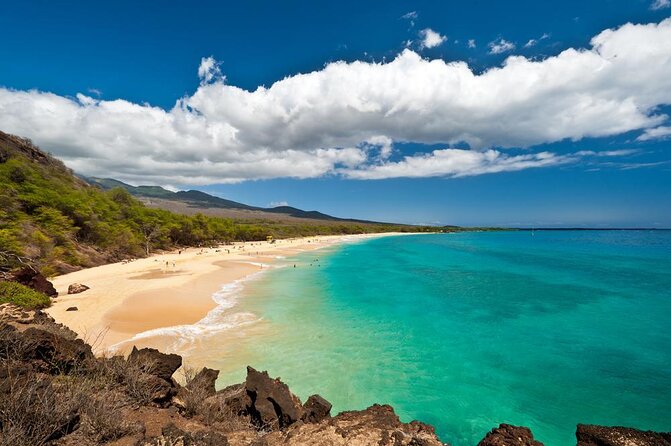
- Makena State Park is the water spot, with time to practice technique and get into waves
- Student-to-instructor attention feels high, with instructors working closely when it’s time to paddle and pop up
- Photos are optional, but the photographer is active and can help in the water if needed
Why this Kihei-to-Makena surf lesson makes sense
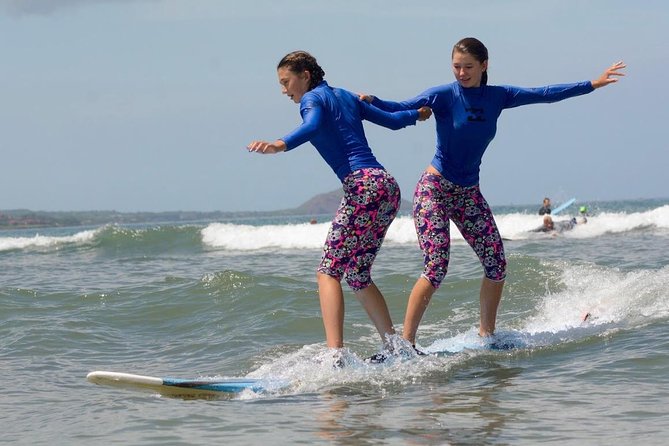
If you’re new to surfing, the biggest hurdle isn’t courage. It’s knowing what to do with your body once you’re on the board. This is why I like this lesson format: you start with instruction that makes the next step easier, then you go practice while the details are still fresh.
Kihei is a practical base, and this school’s meeting point puts you near local shops and restaurants. That matters because surf days can run a little “ocean-clock” depending on conditions. A lesson that starts in a straightforward place helps you keep the day calm instead of stressful.
And at about $103 per person for roughly two hours, you’re paying for something specific: coaching that targets your technique, plus the gear to make the session actually usable. For a first-time activity, it’s a solid value.
You can also read our reviews of more tours and experiences in Maui.


Finding the meeting spot at 1900 S Kihei Rd (Kalama Park)
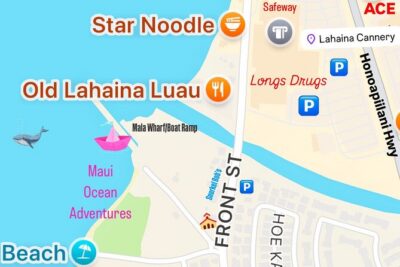
You’ll meet at 1900 S Kihei Rd, Kihei, HI 96753, and the lesson ends back at the meeting point. Show up a little early so you can check in without rushing. This is the kind of activity where being five minutes late can mean you spend the first chunk waiting around instead of learning.
A big perk for me is the location. Kalama Park sits in the heart of south Maui’s Kihei area, and it’s easy to navigate compared with far-flung beach setups. If you have friends or family watching, the shore setup is also convenient for keeping an eye on what’s happening and capturing the action on your phone.
No hotel pickup is included, so plan on getting yourself there. If you’re staying outside Kihei, factor in the drive time.
What you wear and how fast you get on the board
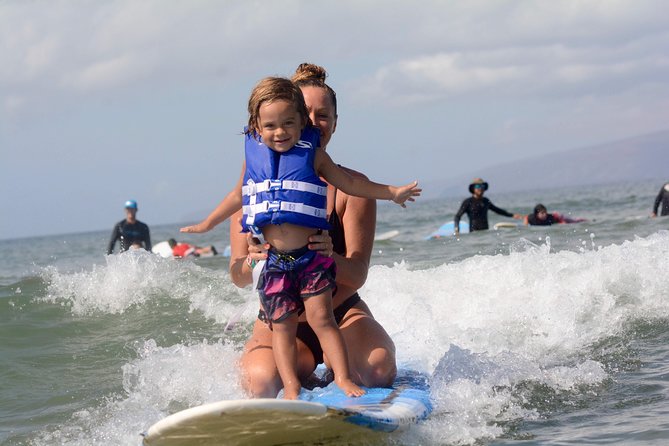
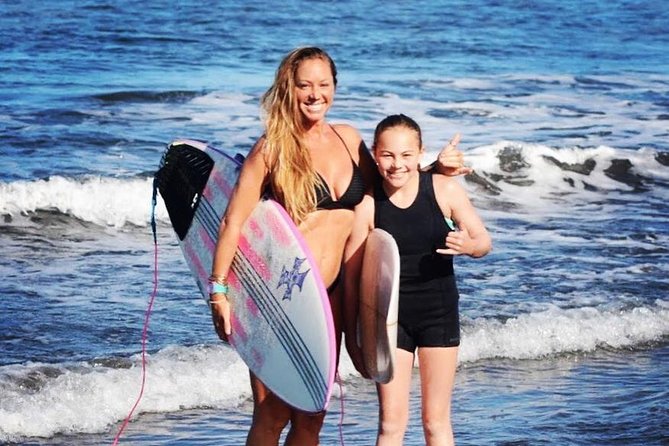
Once you’re checked in, you’ll be welcomed and suited up. You can expect a rash guard, reef shoes, and a surfboard. That combo isn’t just for comfort—it’s for learning safely and comfortably around the shore environment. One common theme from instruction feedback is that the reef shoes matter because there can be rocks underneath.
After the gear goes on, your instructor gives a brief safety talk, then you’re into the learning mode. The early sequence is important: safety basics first, then land coaching, then water time. It keeps the nervous energy from turning into sloppy technique.
And yes, it’s normal to feel awkward at first. That’s the whole point of getting coached quickly rather than trying to figure it out on your own.
The land lesson: learning the pop-up without the chaos
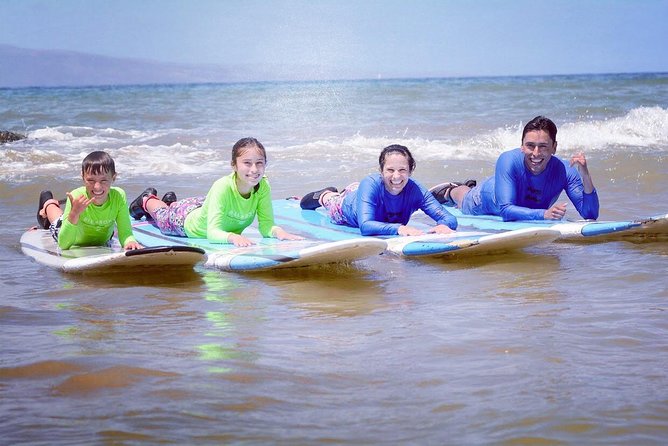
Your lesson starts with land training. This is where your instructor helps you get the fundamentals before you’re balancing in moving water. You’ll learn the basic movements and how to position yourself so that when the wave timing comes, you have a chance to execute.
This “land first” approach is why so many first-timers pick up confidence quickly. It’s easier to practice body mechanics on solid ground than to learn them for the first time while your board is already moving.
Also, the best instructors adjust on the fly. You’ll get feedback aimed at your level—so an 11-year-old learning for the first time isn’t getting the same cue as a teen who’s paddled a couple sessions already. Instructors like Sophie and Jessica (from one family’s experience) were noted for being encouraging and friendly, helping kids focus on technique rather than getting overwhelmed by perfect timing.
Into the water at Makena State Park: waves, paddling, and real timing
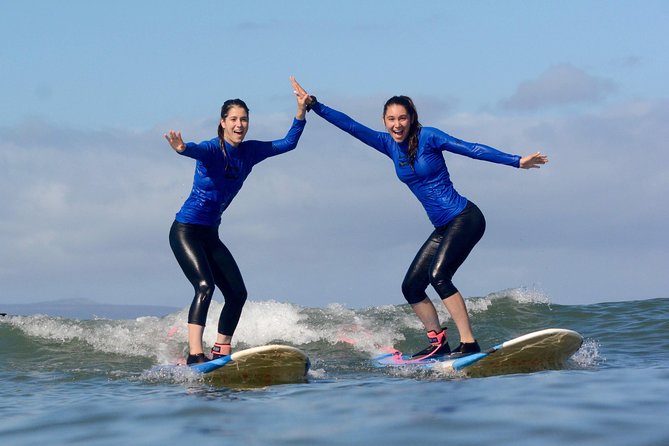
After you’ve built the basics on land, it’s time for the ocean. The water session happens at Makena State Park, a well-known area for south Maui surf conditions. Once you’re out there, your instructor’s job is to connect your technique to what the ocean is doing.
Here’s what you can expect to work on:
- Paddling positioning so your board sits where it should
- When to paddle and when to prepare for the next step
- How to get up as the wave energy arrives
The coaches also tend to manage pacing in a smart way. In one shared experience, instruction guidance helped a younger surfer paddle back out without burning themselves out, while allowing the student to own more of the timing as they improved. That balance—hands-on support early, then more independence later—is a huge part of why people finish feeling like they actually learned something.
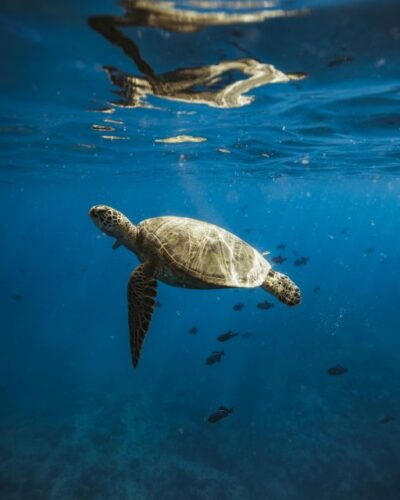
And sometimes the ocean adds personality. One family noted seeing sea turtles while surfing, which is the kind of reminder that you’re not just doing a sport—you’re sharing space with the marine world.





Private vs group lessons: choosing the right pace
This school offers private and group options. Both can be great, but they serve different needs.
A group lesson can be excellent if you’re social, want the energy of other learners, and like learning by watching others succeed. It also tends to be the best fit if you’re comfortable taking cues on the fly and trying things quickly.
A private 1-on-1 lesson is a stronger choice if you want maximum attention, especially for younger kids. The school specifically suggests that children under 8 should book a private lesson. If you’re traveling with a family, that recommendation is worth taking seriously; younger kids often need more direct cueing and reassurance.
Either way, the lesson is structured so you’re not just thrown into the water. You’re coached until you can stand and ride at least some waves—then coached again as you improve.
Gear and photos: what you’ll get, and what costs extra
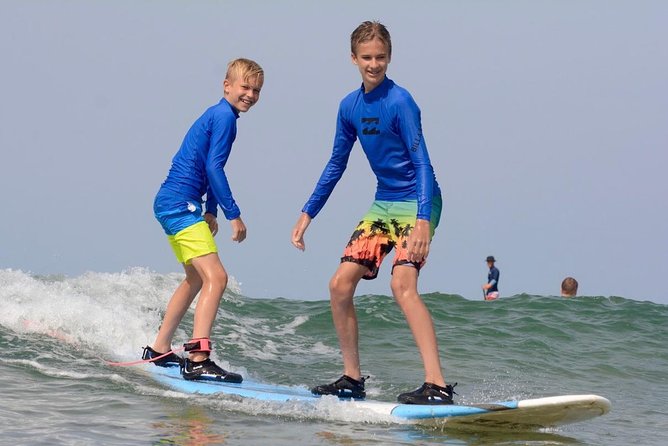
All surf gear is included: rash guard, reef shoes, and the surfboard. That’s a key value point. Renting or buying those items separately can turn a “cheap day” into a more expensive one pretty fast.
Souvenir photos are not included, but there’s a photographer option for purchase. One thing I like here is that the photographer isn’t stuck on the shore with a long lens. In at least one experience, the photographer helped in the water if a younger surfer needed a push back out into the waves. That makes photos more likely to capture real moments instead of just awkward waiting time.
Hotel pickup and drop-off also aren’t included, so keep transportation in mind when you’re planning timing.
Instructor quality: why people leave smiling
Instructors are the whole product here, and the pattern is clear: patient, encouraging coaching gets people up faster. Multiple named instructors came up in different stories, including Sasha, Lucas, Carlos, and Funchie, each noted for making learning feel manageable and fun.
Two practical teaching styles show up often:
- Instructors give clear land instructions so you know what to practice
- Instructors then guide you in the water when you’re paddling and when it’s time to stand
A frequent win is helping students focus on technique first. That reduces the usual beginner problem: going too hard mentally on timing while your feet and balance are still unknown.
There’s also a safety element that makes a real difference for coastal learning. One surf lesson included help with safe dismount from the board given rocks near the shore. That’s the kind of detail that keeps a beginner day from turning into scraped knees and bad memories.
The real value of the price ($103.12 per person)
At $103.12 per person for about two hours, you’re paying for three things that matter on Maui:
- A professional instructor who can correct what your body is doing
- All key gear so you don’t waste time or money getting ready
- A structured lesson flow (safety → land technique → water practice)
If you try to DIY surf, the “cost” isn’t only money. It’s time: time to learn basics, time to rent gear, time to figure out where to stand, and time lost when you’re not comfortable. Here, the structure speeds you up.
Also, the lesson experience caps at maximum 30 travelers. That doesn’t automatically mean every group will be tiny, but it signals they plan for control and managing a decent number of students safely.
Who should book this surf lesson in Maui
This is a great fit if you’re:
- A first-time surfer who wants real technique, fast
- A family traveling together who wants an activity that keeps kids moving and engaged
- Someone who can handle moderate physical effort and doesn’t mind getting a bit wet
It also suits mixed skill groups. In one described family setup, instructors adjusted support so each person got the right level of help, rather than treating everyone the same.
If you’re someone who gets easily overwhelmed, I’d take comfort in the lesson design. You’re not thrown into the surf without a land base. You’re taught, then guided, then allowed to build.
Tips to make your two hours go smoother
You’ll have a better lesson if you show up ready to learn, not still sorting gear or second-guessing the plan.
A few practical ideas:
- Bring a little snack and water plans for after the lesson
- Expect to use the reef shoes and follow instructor guidance around shore safety
- If you’re booking a group option, understand that pacing may vary by skill level
- Don’t overthink timing on your first try; focus on the instructor’s specific cue
And since this is weather-dependent, don’t schedule something critical right after your lesson window. Maui weather can shift.
Should you book Waves Hawaii Surf School in Kihei?
I’d book this surf lesson if you want the fastest path to standing up and getting wave time, without turning your Maui trip into a gear hunt. The combo of land technique, real instructor feedback, and included surf gear makes it feel like a complete beginner package. Add in the extra help around rocks and the active photographer option, and you’re set up for a fun, low-stress morning.
Skip it only if you’re not able to do moderate physical activity, or if you dislike the idea that the ocean conditions matter and plans may shift with weather.
If you’re aiming for a first surf that’s more than a quick souvenir photo, this is one of the more sensible ways to get there in about two hours.
FAQ
Where do we meet for the surf lesson?
You meet at 1900 S Kihei Rd, Kihei, HI 96753, USA. The activity ends back at the meeting point.
How long is the lesson?
The surf lesson is about 2 hours.
Are private and group lessons both available?
Yes. You can choose between private and group options.
What’s included with the lesson?
You get a professional instructor and all surf gear, including a rash guard, reef shoes, and a surfboard.
What costs extra during or after the lesson?
Souvenir photos are not included and are available to purchase. Hotel pickup and drop-off are also not included.
Is this suitable for young children?
Children under the age of 8 should book a private 1 on 1 lesson.
What fitness level do I need?
Travelers should have a moderate physical fitness level.
Is the instruction offered in English?
Yes, the lesson is offered in English.
What if weather is poor?
This experience requires good weather. If it’s canceled due to poor weather, you’ll be offered a different date or a full refund.