REVIEW · MAUI
2 Hours Private Surf Lessons
Book on Viator →Operated by Goofy Foot Surf School, Inc · Bookable on Viator
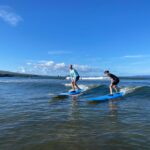
A private surf lesson in Maui can turn nerves into wave rides quickly, especially with coaching that’s aimed at your level. This 2-hour session with Goofy Foot Surf School is built around undivided instructor attention and the simple goal of helping you catch more useful waves. You’ll get set up with provided surf boards and spend the time focused on technique, not guesswork.
I love that the meeting spot in the Olowalu/Waikapu area is described as easy to find, so you spend less time wrangling directions and more time paddling.
I also love that the lesson is truly private, so the coach can adjust the plan if you’re a first-timer or if you’re coaching a kid who needs extra hand-holding. The main drawback to consider is weather: it’s a good-weather activity, so plan flexibility helps.
In This Review
- Key highlights worth your attention
- Waikapu Meet-Up in Olowalu: Getting There Without Stress
- Why Two Hours Private Is the Right Choice (Even If You’re a Beginner)
- From Board Checks to First Stance: How the Lesson Usually Moves
- Gear up and set expectations
- Coaching while you’re learning
- Water time and wave attempts
- Wave Count, Turning, and Confidence: What You’ll Work On
- Coaches With Real Patience: How Different Ages Get Supported
- Mother Ocean Reality Check: Weather and Safety Stuff You Should Not Ignore
- Value on Maui: What You’re Really Buying in This Private Session
- Should You Book Goofy Foot Surf School’s 2-Hour Private Lesson?
- FAQ
- How long is the private surf lesson?
- Is this lesson private or shared?
- Where does the lesson meet?
- Are surf boards provided?
- What language is the instruction in?
- Do I need to wait for confirmation after booking?
- What if the weather is bad?
- What’s the cancellation window?
Key highlights worth your attention
- True private coaching: Only your group participates, so you’re not waiting your turn for feedback.
- Boards included: You use the surf boards provided, which cuts down on what you need to bring.
- Built for learning conditions: The instruction is aimed at creating the right conditions for aspiring surfers.
- More wave reps: Private time often means more attempts, which can translate into more confidence fast.
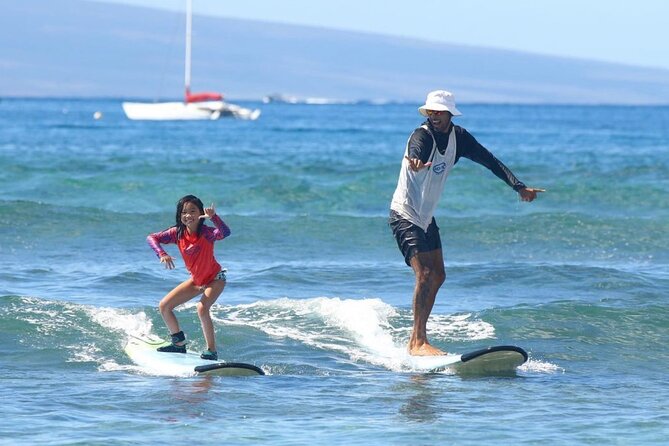
- Coaches who stay on the job: Stories include instructors staying close with kids instead of cutting loose.
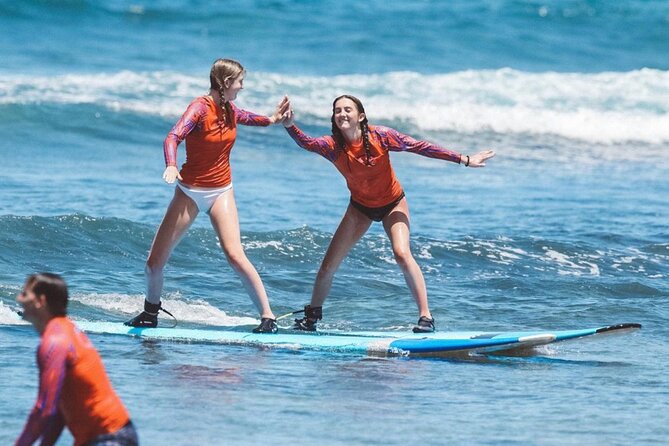
- Works across ages and levels: You’ll see everything from very young beginners up through teens.
Waikapu Meet-Up in Olowalu: Getting There Without Stress
This lesson starts at a specific meeting point in the Olowalu area: QCX6+G5 Olowalu, HI. The good news is that the session is described as easy to find, and that matters more than people expect. Maui traffic, sun, and beach logistics can turn a 10-minute delay into a whole mood shift.
You’ll have a mobile ticket, and the activity ends back at the meeting point. That round-trip setup is practical if you’re also planning other Maui time later the same day. Also, the area is noted as near public transportation, so you’re not totally dependent on a rental car.
One more practical note: since this is a private activity, your group format is cleaner than a big public class. That usually means less waiting for gear, less crowd noise, and more direct instruction per person.
You can also read our reviews of more private tours in Maui



Why Two Hours Private Is the Right Choice (Even If You’re a Beginner)
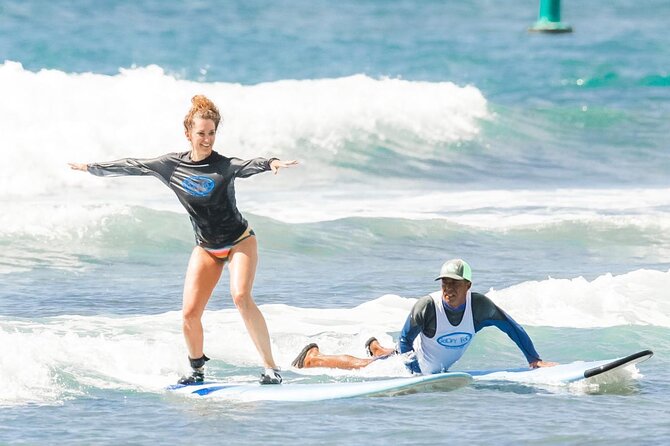
Private surf lessons work because they compress the learning curve. Instead of learning by watching others, you get feedback aimed right at what you’re doing—paddling, popping up, and turning—while you’re still in the middle of trying it.
I like that this lesson is designed to build from your current level and improve your wave count. That detail is key. Surfing progress is mostly about reps. Two hours doesn’t sound long until you’re standing up, turning, and realizing you’re not just getting tossed into the ocean and hoping for luck.
There’s another value angle here: instructors have years of teaching experience, and the format is described as focused instruction with ideal learning conditions. That helps you spend time on the right problems. Beginners often waste energy on the wrong fixes, like trying to force speed instead of getting stable on the board.
Possible consideration: you’ll feel the ocean workout. Even with help, you’ll be paddling out and back in enough to get tired. If you or your kid is prone to quitting when tired, plan for water breaks and a calmer mindset.
From Board Checks to First Stance: How the Lesson Usually Moves
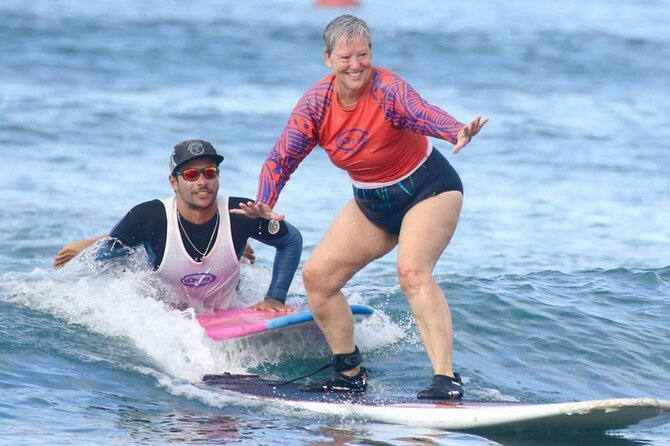
The lesson time is organized around getting you into the water and coached step-by-step. While the exact minute-by-minute schedule isn’t listed, the structure is consistent with how effective surf instruction works.
Gear up and set expectations
First comes meeting up, then getting the surf board you’ll use during the session. Since boards are provided, you’re not juggling your own equipment—one less thing that can slow you down. Then your coach sets the plan based on your experience level and what you can realistically learn in two hours.
Coaching while you’re learning
Expect instruction that stays practical and focused. The lesson description emphasizes aiming for ideal learning conditions, and the real win in a private format is that the coach can adjust on the fly. If you’re struggling with getting up, the coaching stays on that until it clicks.
You can also read our reviews of more tours and experiences in Maui

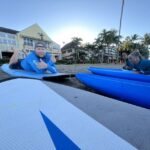
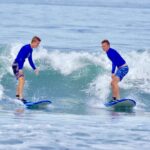

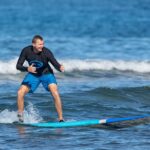
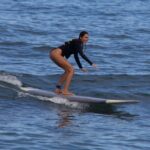
Water time and wave attempts
Private lessons are also about repetition. The session is intended to increase your wave count, which is exactly what you want: more attempts mean more opportunities to correct mistakes while they’re fresh.
The stories from families and beginners point to moments like getting help to catch a wave, then building from there into your own successful rides. One example includes a beginner who was able to surf a wave with some help, and another includes a kid who logged 18 runs in two hours. Those aren’t guarantees, but they show how the coaching time tends to be used.
Wave Count, Turning, and Confidence: What You’ll Work On
Surfing improvement usually comes from mastering a few core skills. In a private lesson, you can focus on those instead of getting random advice.
Here’s what the coaching emphasis likely means in real terms:
- Balance and the pop-up: Getting stable quickly on the board is the gateway to everything else. When balance improves, wave rides become easier.
- Turning and control: Beginners often move in straight lines at first. When you learn basic turning, the wave stops feeling like a conveyor belt.
- Wave riding with feedback: The point of staying on you is that you can get corrections immediately, before you repeat the same mistake ten more times.
If you’re a true beginner, the lesson’s design is aimed at helping you take surfing to the next level and not just survive the ocean. One of the strongest signals from the experience write-ups is patient coaching. That matters because beginners don’t need harsh criticism—they need calm guidance and a coach who can explain things clearly while you’re trying to stand.
And if you’re returning after an earlier dabble, the private format can help you fix the gaps that keep you from progressing. One story describes a surfer taking beginner skills to the next level, focusing on standing more consistently, finding balance, and making it toward turning.
Coaches With Real Patience: How Different Ages Get Supported
This lesson is a private experience, but it’s also built to handle wide range differences—especially when kids are involved. Several write-ups highlight instructors adjusting to the needs of younger students, including staying close and giving one-on-one attention when needed.
Here’s what that can look like in practice:
- A young child may get more direct handling and frequent returns to the board. One family described an instructor who essentially worked in tandem with a younger surfer, shuttling them back and forth on a big board.
- For multiple kids with different ages, the coach may split attention or rotate support so each kid gets coached instead of simply watched.
The names you may see associated with excellent experiences include Kalani, Hawea, Fabio, Kelani, Javier, Curran, and Cody. Those examples come from real lesson stories and give you a sense of the teaching style: patience, encouragement, and keeping the learning fun so kids actually want to return.
One detail I love for families is that it doesn’t turn into a throwaway session. Multiple families describe serious instruction for kids, not just supervision. In other words, two hours is long enough for kids to get real wave time and still have it feel like play.
Mother Ocean Reality Check: Weather and Safety Stuff You Should Not Ignore
Surfing is weather-dependent, and this activity requires good weather. That’s not a minor note—it’s the whole ballgame. Wind, waves, and water conditions affect whether a lesson can run safely and productively.
Because the activity is weather dependent, it’s smart to keep your day flexible. If weather cancels things, you’ll either get a different date or a full refund.
On safety: you’ll be in professional coaching hands with surf instruction focused on ideal learning conditions. While specific safety gear isn’t listed, the coaching itself is the safety mechanism—having someone watch what you’re doing, guide where you’re paddling, and help you handle your first rides.
Also, service animals are allowed. That’s a nice practical detail if you’re traveling with a dog and you don’t want to scramble for an alternate plan.
Value on Maui: What You’re Really Buying in This Private Session
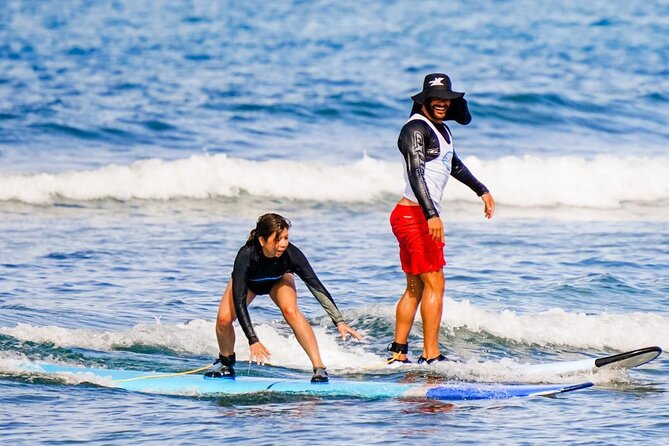
You’re paying for time with one instructor and a lesson tailored to your needs. That’s different from group lessons where you might get feedback only once every few attempts.
Here’s how to judge value without guessing:
- If you want progress fast, private coaching usually helps because the feedback loop is tighter.
- If you’re traveling with kids, the private setup can reduce stress. Your child isn’t waiting for attention.
- If you’re a beginner, boards included and a coach focused on learning conditions reduce the odds of wasting your best Maui water time.
Also, two hours is long enough to experience real change. It’s not just a “try it once” session. One story includes a kid completing 18 runs, and another includes teens getting up quickly. Those hint at a coaching approach that pushes for meaningful reps.
One more small value booster: the lesson ends back at the meeting point, so you’re not stuck figuring out how to get back after wet gear and saltwater exhaustion.
Should You Book Goofy Foot Surf School’s 2-Hour Private Lesson?
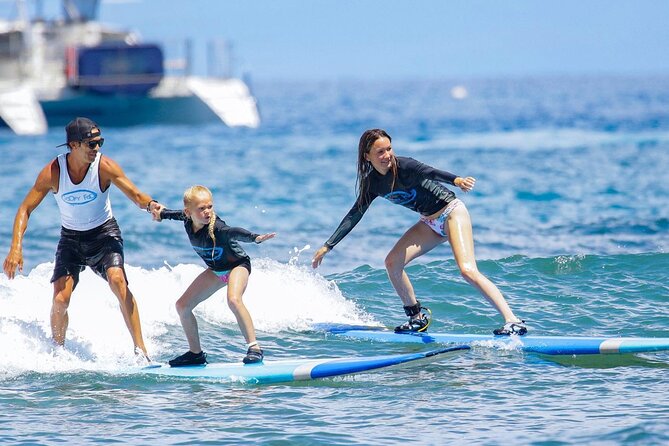
I’d book this if you fall into any of these categories:
- You’re new to surfing and want coaching that explains what to do while you’re doing it.
- You’re bringing kids (especially younger kids) and you want the instructor to stay focused on them.
- You want more wave attempts in the time you have on Maui, not just a scenic ocean stroll.
I might think twice if you’re extremely time-tight and cannot handle weather changes, because good weather is required. Also, if you know you hate being in the ocean when you’re tired, plan for breaks and a calmer pace. Surf lessons are physical, even when they’re fun.
Overall, this is a solid choice for anyone who wants a focused, private start in Maui surf—complete with patient instruction, provided boards, and a two-hour block designed to produce real wave riding, not just good intentions.
FAQ
How long is the private surf lesson?
It runs for about 2 hours.
Is this lesson private or shared?
It’s private. Only your group will participate.
Where does the lesson meet?
The start meeting point is QCX6+G5 Olowalu, HI, USA, and the activity ends back at the meeting point.
Are surf boards provided?
Yes. You use the surf boards provided.
What language is the instruction in?
The lesson is offered in English.
Do I need to wait for confirmation after booking?
You receive confirmation at the time of booking.
What if the weather is bad?
The experience requires good weather. If it’s canceled due to poor weather, you’ll be offered a different date or a full refund.
What’s the cancellation window?
You can cancel for a full refund if you cancel up to 24 hours in advance of the experience’s start time.