REVIEW · HONOLULU
First-Time Scuba Diving in Honolulu + Free Videos
Book on Viator →Operated by Try Scuba Diving-Honolulu · Bookable on Viator
First swim day jitters, handled with calm. This Honolulu try-scuba session pairs a full safety talk with real gear fitting, so you go from nervous to comfortable fast. What I like most is the patient instruction and the fact you leave with a take-home GoPro video plus photos you can share afterward. One thing to keep in mind: water clarity and conditions can vary, and in rougher or murkier moments the marine sightings may feel less dramatic.
You’re not dealing with a huge crowd here. With a cap of 16 people per booking, you get hands-on time with your instructor, and that matters a lot when you’re learning mask, regulator, and breathing basics. Plus, this is set up for first-timers and people with moderate experience—no certification needed.
The limit is also real: you’re in sheltered, shallow water with a max depth around 15 feet, and you’ll be asked to be comfortable in the water and able to walk with equipment. If you hate the idea of wearing a mask for an entire session, or you aren’t okay getting waist-deep, this may not feel like a relaxing vacation activity.
In This Review
- Key highlights you’ll actually care about
- What you’re signing up for at Honolulu’s Try-Scuba Lesson
- Where you meet: Magic Island Lagoon and what the start feels like
- Gear fitting, mask rules, and staying comfortable fast
- Safety briefing and learning in waist-deep water
- Ala Moana Beach Park waters: what you might see at up to 15 feet
- The GoPro promise: take-home video and photos you’ll actually use
- Price and value: why $89 can be a smart first step
- What to expect when the session is short
- Who should book (and who might want a different plan)
- Weather, clarity, and why your day might vary
- How to prepare like a pro (without overthinking it)
- Should you book this Try-Scuba session in Honolulu?
- FAQ
- How long is the scuba experience in Honolulu?
- What does the tour cost?
- Do I need prior scuba certification?
- What’s the maximum depth you’ll reach?
- Where do I meet for the tour?
- Is hotel pickup and drop-off included?
- Do I need to know how to swim?
- Can I wear glasses while using the scuba mask?
- What happens if weather is bad?
- Can I get a refund if I cancel late?
Key highlights you’ll actually care about
- Small-group setup (max 16) keeps the lesson personal and the pacing calm
- Full gear fitting and safety seminar so you’re not guessing in the water
- No certification required—this is a true try-scuba experience
- Shallow, guided session (about 15 feet max) built for comfort and confidence
- GoPro take-home video and photo sharing so you can remember it clearly
- Instructors praised by name such as Danny, Alex, Nick, and Rida for patience and clarity
What you’re signing up for at Honolulu’s Try-Scuba Lesson
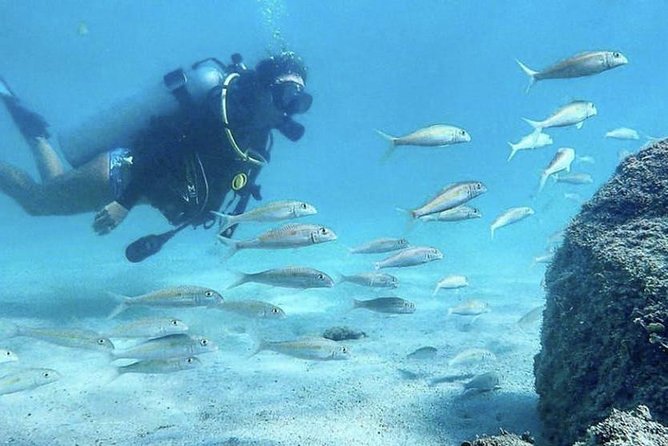
This is a 1 hour 30 minutes (approx.) introduction to scuba, built for people who want the experience without a certification course. You’ll start on shore with wetsuit and scuba gear fitting, then move into the water for coaching that’s focused on safety and comfort first, fun second, and wildlife second-in-command.
The “small group” part isn’t marketing fluff. When you’re learning how everything works—mask seal, buoyancy basics, breathing rhythm—you need a guide close enough to correct you quickly. The feedback repeatedly points to instructors staying patient and checking on everyone, including nervous first-timers. Names that come up a lot include Danny, Alex, Nick, Rida, and Aleksander, with consistent praise for clear instruction and staying with people who need extra time.
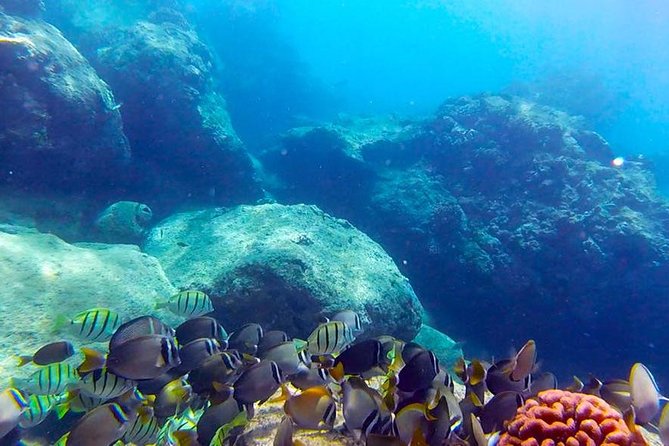
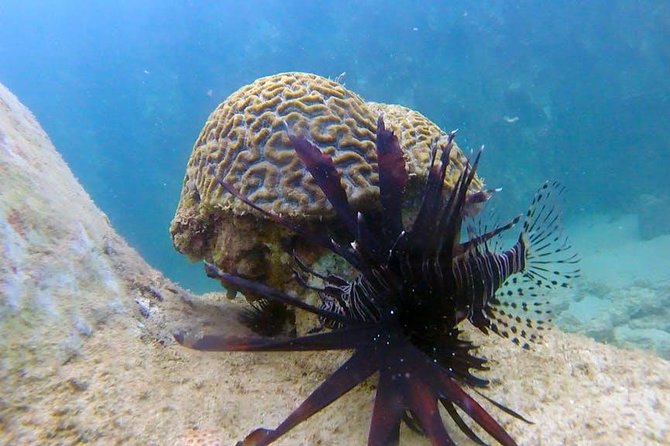
The wildlife element is the other big reason to book. Depending on conditions, you may spot green sea turtles, octopuses, sea stars, and colorful reef fish. Some reports even mention dolphins and jellyfish. Just remember: it’s nature, not a theme park. If visibility is lower, the fish will still be there—you might just notice them less easily.
You can also read our reviews of more scuba diving tours in Honolulu
Where you meet: Magic Island Lagoon and what the start feels like
Your meeting point is at Magic Island Lagoon in Honolulu (96815). That matters because it sets expectations: you’re in a sheltered lagoon-style environment designed for controlled practice, not an open-ocean setup.
Once you meet your guide, you’ll get fitted with a wetsuit and the scuba kit. The fitting part is more important than it sounds. A good fit helps your mask sit right, keeps your breathing comfortable, and makes the whole experience feel calmer. The instruction also begins on land with a safety seminar, so you’re not handed a bunch of equipment and told to figure it out.
You should also know the activity ends back at the meeting point. In other words, you’re not signing up for a long day of transfers and waiting. It’s a concentrated block where you learn, go in the water, and come back with footage to prove you actually did it.
One practical note from the rules: you need moderate physical fitness and you must be able to walk with equipment. That’s usually manageable for most people, but it does mean no “I only move via elevator” plans.
Gear fitting, mask rules, and staying comfortable fast
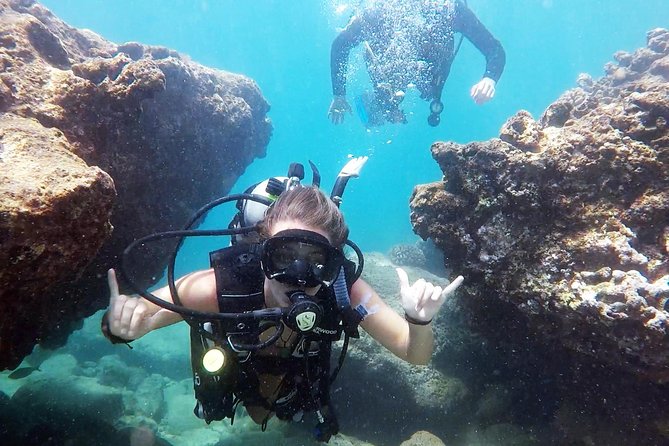
The lesson starts with the practical stuff: wetsuit, regulator, and mask fit. Expect to get coached on how the gear should feel and how it’s supposed to work. Several pieces of feedback highlight how instructors made nervous people feel safe on land and underwater, which is exactly what you want during a first lesson.
If you wear glasses or contact lenses, read the mask rule carefully. Prescription glasses can’t be worn under scuba masks. Contacts are allowed, or you can go without them. Also, underwater magnification changes perception, so objects may appear about 25% closer and larger. That can be reassuring when you’re scanning for marine life.
Here’s what I’d do as a prep move: plan your comfort before you arrive. If contacts are part of your routine, make sure you’ve got spares. If you normally rely on glasses, consider whether you’re okay going without for a short period. The experience is short, but you’ll still be wearing the mask while you practice breathing.
And if you’re wondering about towels and warmth: it’s a wetsuit situation, so you’ll be fine for the duration. You’ll want to be prepared for the sun and the walk from parking or transit to the meeting area, since Hawaii’s weather doesn’t care about your schedule.
Safety briefing and learning in waist-deep water
After the fitting and safety seminar, you’ll begin underwater practice in waist-deep water. This is where the lesson earns its keep. Starting shallow lets you focus on basic movements and breathing without the pressure of going deeper right away.
Your instructor stays with you and provides guidance as you build confidence. The common thread in feedback is that instructors are thorough and patient—especially for first-timers and for people who get anxious. One reviewer even described doing mask and fin adjustments without panicking, with the instructor working patiently through the issue.
Once you’re comfortable, you go a bit deeper—still within the session limit (max depth around 15 feet). This is enough to feel the “scuba” difference from snorkeling, but it’s not so deep that a first session becomes stressful.
Also, you’ll likely have your guide taking photos or video while you’re underwater. That means you’re not constantly trying to manage a camera at the same time you’re learning your new gear rhythm.
Ala Moana Beach Park waters: what you might see at up to 15 feet
You’ll spend time around Ala Moana Beach Park as part of the experience flow. Think “easygoing, sheltered waters” rather than rugged open-ocean conditions. That’s the trade for a low-stress first lesson.
What wildlife can you expect? The experience is built around the chance to see:
- Green sea turtles
- Octopuses
- Sea stars
- Bright tropical reef fish
Some feedback also mentions corals and additional marine life like boxfish, sea cucumbers, and jellyfish.
The maximum depth is around 15 feet, and you’ll work gradually. If you’re hoping for dramatic underwater scenery, the truth is simple: this is a short, beginner-focused session. You’ll see plenty, but you’re not going far. The upside is that the risk feels lower and the learning feels doable.
One important reality check: conditions matter. Winds and water clarity can shift, which may change how “wow” the water looks. One low rating described murky water and a wall that limited marine life, so it’s possible to get less wildlife than you hoped for on a given day. If your whole plan depends on perfect visibility, keep some flexibility in your schedule.
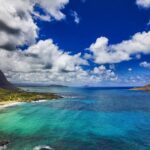

The GoPro promise: take-home video and photos you’ll actually use
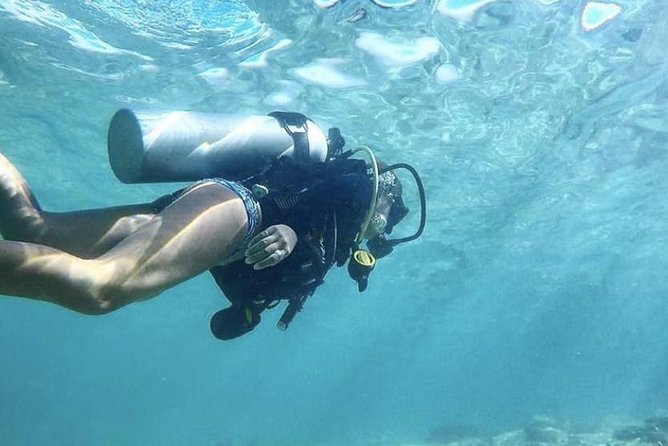
Here’s a big part of the value: you get GoPro footage of your underwater adventure. The tour description says you’ll receive the video at the end of the session, and multiple reviews mention photo and video sharing via airdrop afterward.
That matters because underwater memory is easy to lose. Your brain is busy learning to breathe and not feel weird in a mask. Having an instructor record and then share your results means you can relive the moment without trying to operate a camera one-handed while finning.
Also, the tour includes complimentary videos, but with a clear caveat: if the camera malfunctions, there’s no refund for the tour. That’s not unusual for activity-based gear filming, but it is worth knowing so you don’t expect a perfect recording every time.
If you want to maximize your video results, listen closely during coaching. Small adjustments—like how you position your body and how you kick—can change what’s visible on camera. Your guide is the one who knows the best approach, so take their cues instead of experimenting.
Price and value: why $89 can be a smart first step
At $89 per person, you’re paying for more than “someone takes you in the water.” The price bundles:
- Instruction plus a safety seminar
- All scuba gear/equipment
- A small-group experience
- Take-home GoPro video and complimentary video/photos
Compared to paying separately for a rental and lessons, this kind of package usually makes sense—especially if you’re new and don’t know what gear costs yet. You’re also buying time and confidence: the lesson structure helps you avoid the classic first-time problems like improper mask fit or getting panicky about breathing.
Is it a bargain? It’s priced like an accessible intro activity, and the reviews support that with near-universal recommendations and a strong average rating (4.9). The most convincing part is how often first-timers report feeling safe quickly because the instruction is patient and organized.
What I’d budget for, though: tipping. One review explicitly suggested bringing extra cash to tip the instructor. Tipping isn’t listed as required, but since instructors are clearly doing real hands-on teaching, I think it’s a nice way to say thanks if you feel you were guided well.
What to expect when the session is short
This is not a half-day adventure. It’s approximately 1 hour 30 minutes, and your time underwater is paced for new divers. That can feel perfect if you’re anxious and want the experience without getting stuck in uncertainty for hours.
Some feedback even notes it can feel short beyond the underwater portion, though the general tone is that the structure still gives you what you came for. You’ll get enough time to learn the basics, feel the difference from snorkeling, and spot marine life.
Here’s how to make a short session work for you: be mentally ready to learn. If you go in treating it like a casual swim, you’ll likely miss the coaching moments that make the experience easier. If you go in listening and accepting corrections quickly, you’ll come out calmer and more confident—plus with great footage.
Who should book (and who might want a different plan)
This fits best if you:
- Want no certification required scuba experience
- Are a true beginner or have moderate experience
- Want guided help in shallow water up to about 15 feet
- Like the idea of a small-group lesson rather than a crowded class
It’s also a decent option for families, including kids, as long as everyone can handle mask time and being comfortable in the water. One review mentioned a 10-year-old doing well in calm conditions with guided snorkeling and airdropped photos, which suggests the company is used to teaching people across ages.
Rethink it if you:
- Are not comfortable in the water
- Can’t walk with equipment
- Have trouble with mask use (especially if you rely on glasses under the mask—those aren’t allowed)
- Need open-ocean conditions for the kind of wildlife you’re picturing
Also, the rules note no swimming experience is required, but you still must be comfortable in the water. That’s a key difference.
Weather, clarity, and why your day might vary
This experience is weather-dependent. The cancellation info says it requires good weather, and if it’s canceled due to poor weather, you’ll be offered a different date or a full refund.
There’s also an insight in the reviews: plans can change due to winds and water clarity. That lines up with real ocean conditions around Oahu—especially for sheltered spots where visibility can shift fast.
So if you’re planning this on a day when you might also do other water activities, keep your schedule flexible. Your instructor will adapt, and you’ll still get the learning portion. Just don’t build a fantasy around one specific animal appearing on cue.
How to prepare like a pro (without overthinking it)
You don’t need special gear. The operator provides everything. Your job is to show up ready to be taught.
Do this:
- Be comfortable with the idea of being waist-deep, then gradually going deeper
- Wear or bring what keeps you comfortable in the sun before and after (the session itself is short)
- If you wear contacts, bring your supplies
- If you normally wear glasses, plan for contact lenses or going without, since glasses can’t go under the mask
During the session, focus on the basics your guide likely emphasizes: slow, steady breathing; listening to instructions; and staying relaxed when you feel the water pressure change. Several reviews highlight that instructors are calm and supportive with nervous first-timers. You’ll get that same kind of guidance—if you let it work.
And yes: consider bringing a tip. You’ll be in a close coaching environment, and the feedback makes it clear instructors take safety and comfort seriously.
Should you book this Try-Scuba session in Honolulu?
Book it if you want a low-key first scuba experience with real coaching, included gear, and a take-home GoPro video. The value is strong for $89 because you’re paying for instruction, equipment, and content to remember the moment.
Skip it only if you know you’re uncomfortable in water or you can’t manage the mask setup. Also, if you’re coming specifically for perfect underwater visibility, keep your expectations flexible. Conditions affect clarity, and one negative report described murky water with limited marine life.
If you’re game to learn, stay calm, and trust the instructor—especially instructors like Danny, Alex, Nick, Rida, or Aleksander praised for patient teaching—you’ll likely leave feeling proud you did it.
FAQ
How long is the scuba experience in Honolulu?
It runs about 1 hour 30 minutes (approx.).
What does the tour cost?
The price is $89.00 per person.
Do I need prior scuba certification?
No certification is needed. This is designed as an introductory try-scuba lesson.
What’s the maximum depth you’ll reach?
The max depth is around 15 feet.
Where do I meet for the tour?
The meeting point is Magic Island Lagoon, Honolulu, HI 96815, USA.
Is hotel pickup and drop-off included?
No. Hotel pickup and drop-off is not included.
Do I need to know how to swim?
No swimming experience is necessary, but you do need to be comfortable in the water.
Can I wear glasses while using the scuba mask?
Prescription glasses cannot be worn under scuba masks. Contact lenses are allowed, or you may go without.
What happens if weather is bad?
The experience requires good weather. If it’s canceled due to poor weather, you’ll be offered a different date or a full refund.
Can I get a refund if I cancel late?
You can cancel up to 24 hours in advance for a full refund. If you cancel less than 24 hours before the start time, the amount you paid is not refunded.