REVIEW · MAUI
Group Surf Lesson at Ka’anapali Beach
Book on Viator →Operated by Island Style Adventures - Maui Surf School Kaanapali · Bookable on Viator
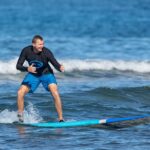
Surfing on Ka’anapali Beach feels easier than you’d think. I like the 30-minute safety lesson and the small-group coaching that keeps instruction close. One thing to watch: meeting instructions can be confusing, so arriving early really matters.
This lesson runs about 1 hour 30 minutes, with check-in 30 minutes before you’re scheduled to start. You also get all the gear—rash guard, reef shoes, and a surf board—and a staff photographer who captures the session on the beach and in the water.
In This Review
- Key things I’d plan around
- Where You Meet at Ka’anapali Alii Resort (and why it matters)
- The 30-minute land lesson: safety, stance, and beach coaching
- Paddle out for the main event: about an hour in the water
- Small group size: how it affects your results on Maui
- Included gear that makes the lesson feel low-friction
- Photography during the lesson: optional, but confirm the details
- Who this Ka’anapali surf lesson is best for
- Value check: why this 1.5-hour format works
- Tips to make your lesson day smoother (based on what can go wrong)
- Should you book Island Style Adventures in Kaanapali?
- FAQ
- How long is the group surf lesson on Ka’anapali Beach?
- Where do I check in for the lesson?
- What’s included in the surf lesson?
- Is the lesson offered in English?
- Do I need surf experience to join?
- What age is this group lesson recommended for?
- What fitness level do I need?
- How many people are in the group?
- Are photos included?
- What happens if weather cancels the lesson?
- How does cancellation work?
Key things I’d plan around
- Arrive 30 minutes early so you can get your bearings at Ka’anapali Alii Resort
- Safety first on land before you ever paddle out
- Small-group attention (you’re not stuck with a huge crowd)
- All key gear included so you’re not hunting for rentals
- Optional photo purchase at the end, with instructions that are worth checking on
Where You Meet at Ka’anapali Alii Resort (and why it matters)
Your surf lesson starts at Kaanapali Alii Resort, 50 Nohea Kai Dr, Lahaina, HI 96761. The timing is tight on purpose: check in happens 30 minutes before the lesson start, so you have a buffer to locate your instructors and get your gear sorted.
I’d treat the meeting spot like part of the experience. A few people have run into trouble with vague directions and no clear visual cue, so you’ll save stress by showing up early and staying ready to confirm you’re in the right place. A mobile ticket is part of the process, so have it accessible.
You can also read our reviews of more tours and experiences in Maui

The 30-minute land lesson: safety, stance, and beach coaching
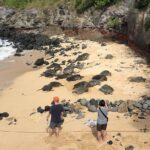
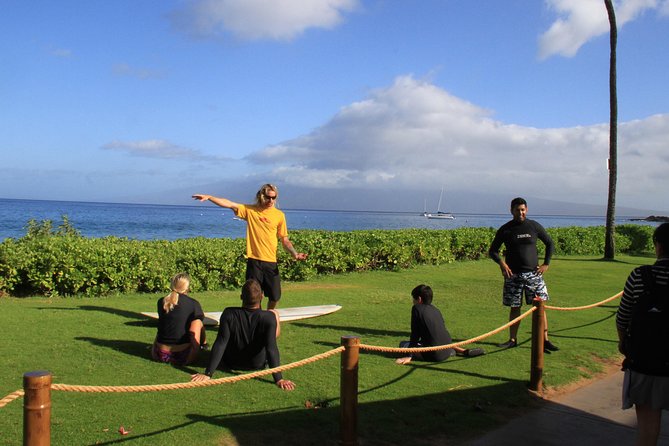
Before you go into the ocean, you’ll get a 30-minute land/safety lesson. This is where the school sets expectations and helps you avoid the most common beginner mistakes—like guessing, rushing, or paddling in the wrong way for the conditions.
This part is also the difference between a chaotic first surf session and one where you start feeling like you know what to do. Instructors are described as patient and encouraging, and you’ll get practical guidance on how to move with the board, what to listen for, and what to do when you’re getting ready to enter the water.
One caution: if you’re someone who needs very clear, loud instruction to stay on track, keep an extra close ear on land and don’t be shy about asking follow-up questions right there. There’s been feedback that in some group situations the coach can be hard to hear, so I’d use the land lesson as your chance to get totally aligned before the waves start.
Paddle out for the main event: about an hour in the water
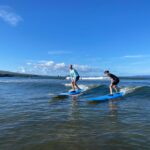
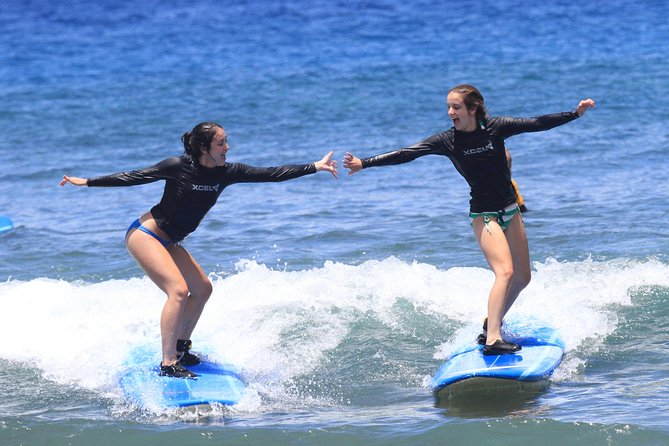
After land training, you spend about an hour (plus) surfing in the ocean. The big selling point here is how coaching is structured. The lesson is designed so the instructor’s focus is split across a small group—described as help for you and two others.
That matters because surfing is mostly feedback. In a small group, you’re more likely to get targeted pointers at the exact moment you need them—when to paddle, when to try standing, and what to adjust after a wave.
A few highlights show up again and again in the feedback: people catch waves quickly, first-time surfers stand up at least once, and instructors give clear in-the-moment cues. If you’re going with family, the teaching style is often described as friendly with kids and adults learning in the same session.
Conditions can vary day to day. You might find yourself practicing near areas that feel a little rough underfoot, so bring a realistic mindset: this is hands-on ocean time, not a polished surf movie set. Also, you should have moderate physical fitness, since paddling and getting up takes energy.
Small group size: how it affects your results on Maui
This is capped at a maximum of 15 travelers, which helps keep the lesson from turning into a giant production. In practice, smaller numbers tend to mean more attention, faster troubleshooting, and less waiting.
I also like that the group is designed with beginners in mind. People describe getting personalized coaching, even in a group format, and more than a few mention being able to stand up by the third wave. That’s a strong sign the structure is working.
Family planning note: the lesson is not recommended for children under age 8. If you’re traveling with a younger child, a private lesson is the better route. (Your child will likely get more direct support, and you’ll avoid the mismatch between beginner surf pacing and a younger attention span.)
Included gear that makes the lesson feel low-friction
You don’t need to bring your own board or basic surfwear. The lesson includes:
- Rash guard
- Water shoes (reef shoes)
- Surf board
That’s a big value point because beginner surfers often get stuck on rentals, sizes, or uncomfortable gear. With this included, you can focus on technique instead of shopping for the right equipment before your lesson.
The reef shoes matter more than people expect. Even if the water looks inviting, Maui’s shoreline can be mixed—so having the right footwear helps you move safely from meeting area to water and keeps you comfortable while learning.





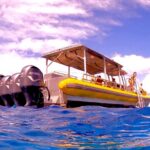
Photography during the lesson: optional, but confirm the details
A staff photographer works throughout the entire session, including while you’re in the water. Photos are described as optional for purchase at the end, which means you shouldn’t expect every image to be free.
Here’s the practical piece: if a photo package matters to you, ask how it works at the end of the lesson. Some people have found the process a little inconsistent—like promises not matching what they saw in real time—so don’t assume you’ll automatically receive instructions later. Get clarity while you’re still on the beach.
If you want the best odds of getting great shots, pay attention to your instructor’s timing cues. Photos tend to capture the moments you’re actually doing the right thing: paddling, setting your stance, and riding the wave.
Who this Ka’anapali surf lesson is best for
This lesson is a strong fit if you want a guided first try with enough structure to learn quickly. It’s especially good for:
- First-time surfers who want coaching that focuses on standing and wave timing
- Couples and small groups who prefer a shared experience but still want real instruction
- Families with kids 8 and up (the school notes younger children aren’t recommended for group lessons)
- Solo beginners, since feedback and safety guidance can still be hands-on in a small group
English is the offered language, so if you’re traveling with someone who prefers English instruction, you’re covered.
You’ll also enjoy this most if you’re comfortable with moderate effort. Surfing is more work than most people expect—paddling, balancing, wiping out, and getting back into position. The good news: the session is designed around learning, not endurance.
Value check: why this 1.5-hour format works
Even without talking about price, you can judge value by what you get for your time.
Here’s what’s built into the experience:
- A full 30-minute land lesson so the ocean part doesn’t start from zero
- About an hour-plus actually in the water, where you learn by doing
- Included gear (rash guard, reef shoes, surf board)
- Small-group focus that aims for more coaching per person
- Parking validation up to 3 hours, which helps if you’re driving and plan to stay nearby
The biggest payoff is the time split. Many beginner activities either spend too long on setup or too little on coaching. This one gives you enough instruction before you paddle out, so you’re not guessing your way through the waves.
Tips to make your lesson day smoother (based on what can go wrong)
To avoid the common hiccups, I’d do three things:
First, arrive 30 minutes early. That’s not wasted time—it’s what gets you from parking and confusion to knowing exactly where your team is setting up.
Second, listen on the beach like it’s the start of the water session, because your first successful wave often depends on one cue you’ll hear just before going in. People who did well in their lessons talk about paying attention to what the coach says.
Third, if photography matters, ask for the process before you leave the beach. Since photos are optional, you want the clearest answer on what you can buy and how you access any files.
Should you book Island Style Adventures in Kaanapali?
I’d book this surf lesson if you want a beginner-friendly Maui experience with structured safety training, gear included, and a small-group coaching style that helps you get feedback in the moment. It’s especially appealing if you’re aiming to stand up and catch real waves during your first try.
I would reconsider if you’re traveling with a child under 8 and want a group format, or if you’re planning the trip around guaranteed photo delivery without needing to confirm the end-of-lesson process. In those cases, a little extra planning (or a private lesson) can save you disappointment.
If your goal is simple—learn to surf in a real ocean setting with supportive instruction—this one is an easy yes for many people.
FAQ
How long is the group surf lesson on Ka’anapali Beach?
The lesson is about 1 hour 30 minutes total, with 30 minutes of check-in beforehand, plus a 30-minute land/safety lesson, and then about an hour-plus in the water.
Where do I check in for the lesson?
Check in is at Kaanapali Alii Resort, 50 Nohea Kai Dr, Lahaina, HI 96761. The activity ends back at the meeting point.
What’s included in the surf lesson?
The lesson includes a local guide, rash guard, water shoes, a surf board, and parking validation for up to 3 hours.
Is the lesson offered in English?
Yes, the lesson is offered in English.
Do I need surf experience to join?
The experience is designed for beginners, and it includes an initial land safety lesson before you go into the water.
What age is this group lesson recommended for?
Group setting is not recommended for children under age 8. For younger children, a private lesson is suggested.
What fitness level do I need?
The lesson is recommended for travelers with a moderate physical fitness level.
How many people are in the group?
There is a maximum of 15 travelers.
Are photos included?
There is a staff photographer during the lesson. Photos are optional for purchase at the end of the lesson.
What happens if weather cancels the lesson?
This experience requires good weather. If it’s canceled due to poor weather, you’ll be offered a different date or a full refund.
How does cancellation work?
You can cancel for a full refund up to 24 hours in advance. If you cancel less than 24 hours before the experience start time, the amount paid isn’t refunded.