REVIEW · MAUI
Hike Honolua Ridgeline
Book on Viator →Operated by HeleWai Eco Tours · Bookable on Viator
A ridgeline hike with real conservation behind it. You’ll hike the Honolua Ridgeline and learn how crews protect water at the Puʻu Kukui Watershed Preserve, right from the trail. It’s a short outing that feels like you’re being let in on a Maui secret—without the maze of a big bus tour.
I love that the hike is only about two miles and moves at a relaxed pace along shaded ridgeline paths, with walking sticks provided for stability. I also love the ecology focus, from plants and what’s invasive to why local conservation matters. One drawback to plan for: there can be slippery spots, so grippy shoes help.
In This Review
- Key highlights to know before you go
- Why Honolua Ridgeline feels different from a typical Maui walk
- Getting there: Lahaina meeting point and the 9:00 start
- Private conservation lands near Puʻu Kukui: what you’re actually supporting
- The 2-mile Honolua Ridgeline walk: pace, shade, and footing
- Lookouts, native trees, and invasive species talk that makes sense
- Learning about Maui water: why the Puʻu Kukui story matters on the trail
- The end-of-hike pineapple bite: nice touch, not a meal
- Group size and guide style: why the conversation feels personal
- Who should book this Honolua Ridgeline hike (and who should skip it)
- Price and value: what makes it worth your time
- When the weather turns: plan for good conditions
- Should you book Honolua Ridgeline with HeleWai Eco Tours?
- FAQ
- How long is the Honolua Ridgeline hike?
- How far do you hike?
- Where does the tour start in Lahaina?
- What time does the hike start?
- What language is the tour offered in?
- How fit do you need to be?
- What’s the group size limit?
- Is the tour weather-dependent?
Key highlights to know before you go
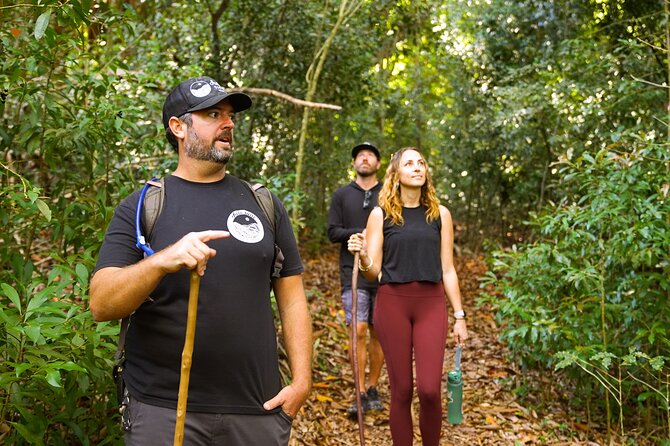
- Private conservation lands near Puʻu Kukui give the hike a purpose beyond views.
- A 2-mile ridgeline walk with a guide-led pace keeps it manageable for most people with moderate fitness.
- Native forest education is practical, not just facts—think water, plants, and habitat changes.
- Guides like Jason, Yancy, and Kevin bring the trail to life with plant and conservation talk.
- Small group size (max 12) makes it easier to ask questions and slow down at the best spots.
Why Honolua Ridgeline feels different from a typical Maui walk
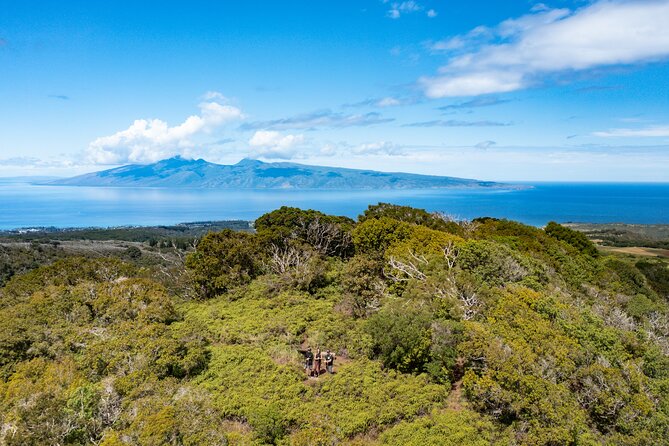
Most Maui hikes give you scenery and call it a day. This one gives you scenery, plus the story of how the island’s ecosystems are managed and protected. You’ll be walking through native forest and nearby private conservation lands linked to the Puʻu Kukui Watershed Preserve, so the whole route has a “why” built in.
The best part is that the learning isn’t stuck in a lecture. It happens while you’re standing there—under the shade, along the valley ridgeline, and at lookouts where you can actually see what the landscape is doing. The guides connect the trail to the island’s water connection, including how conservation work supports the watershed.
And yes, you’ll get views too: ridgeline sightlines down valleys, plus forest moments where big trees can catch your eye. It’s the kind of outing that makes you look back at Maui and see more than postcards.
You can also read our reviews of more hiking tours in Maui

Getting there: Lahaina meeting point and the 9:00 start
You meet at 800 Office Rd, Lahaina, HI 96761, with a start time of 9:00 am. The experience runs about 3 hours 15 minutes total, and it ends back at the same meeting point.
That timing matters. A mid-morning start helps you dodge the worst heat, and it gives you time to still enjoy the rest of your day after the hike. Since the hike portion is only around 2 miles (3.2 kilometers), the extra time in the overall duration usually comes from introductions, guide stops, and interpretation along the way.
If you like a plan that’s simple—meet, hike, learn, return—this is that kind of tour.
Private conservation lands near Puʻu Kukui: what you’re actually supporting
One of the smartest things about this hike is that it isn’t just public trail time. You’re exploring private conservation lands near the Pu’u Kukui Watershed Preserve, guided by a team that understands the area and what needs protecting.
What does that mean for you? You’re not only looking at Maui ecology—you’re seeing a living system in action and hearing how conservation teams think about it. Expect explanations tied to thriving native habitat and the watershed that feeds water needs in Hawaii.
The “aha” moment usually comes when the guide shows how conservation work connects to something basic: water. On Maui, water isn’t just a resource; it shapes where plants grow and how forests function. When you hear that tied back to what you see on the ridge, the explanations land differently than they would in a classroom.
The 2-mile Honolua Ridgeline walk: pace, shade, and footing
This hike is about 2 miles total, and it’s designed for travelers with moderate physical fitness. From what guides and guests describe, the effort level tends to feel manageable, with a pace that works for people who aren’t hardcore hikers.
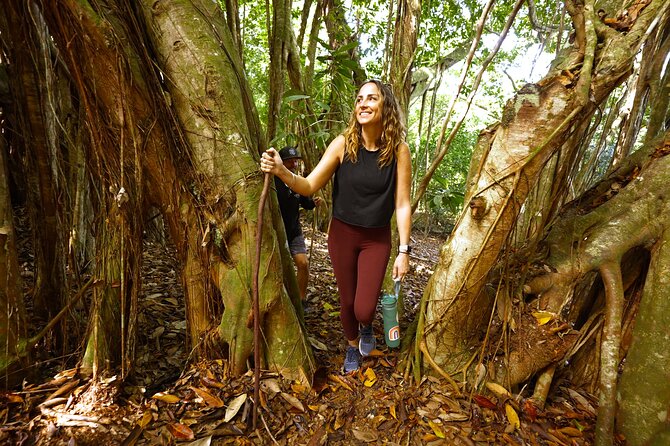
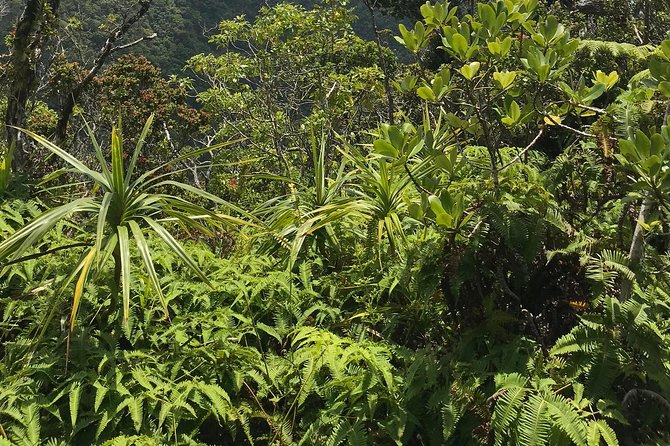
You’ll be walking beneath a canopy of shade along the valley ridgeline, which is great for comfort and makes the route feel cooler and calmer than exposed hikes. That shade also helps you stay focused on the plants and details your guide points out.
Now for the practical part: the trail can include slippery spots. That means you should treat “moderate” as “bring your best footing.” If the ground is wet, or if you’re stepping over slick leaves and uneven rock, you’ll want shoes with good grip. If you’re the type who worries about balance, it’s even more reason to use the walking sticks the guide provides.
Lookouts, native trees, and invasive species talk that makes sense
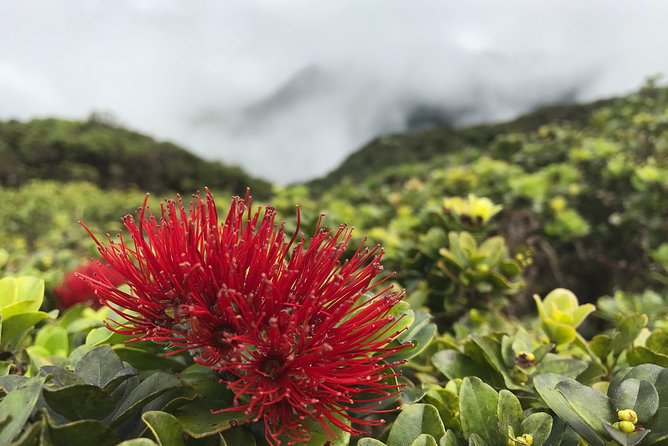
The ridgeline portion is where the views do their best work. You’ll reach points where you can look out into valleys and get a sense of how the preserve area fits into Maui’s bigger water and forest picture. These are the moments that make the hike feel worth it, even if you’re short on time.
But the tour doesn’t treat views as the only reward. The guide uses the walk to teach you how to “read” the forest. In the shaded areas, expect plant-focused stops and comparisons of native and invasive species—not just names, but how those plants change what the ecosystem can do.
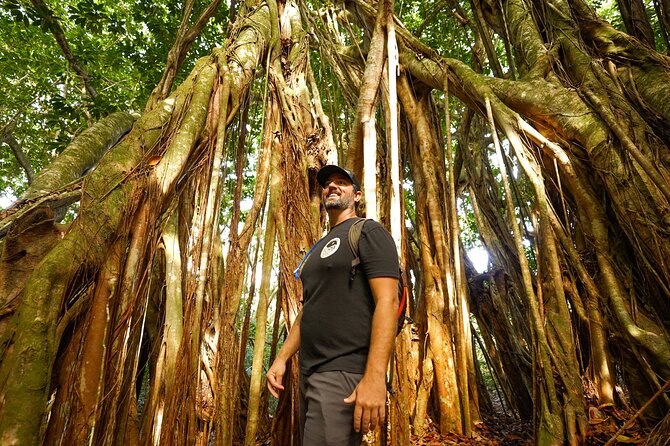
People also call out seeing standout trees along the way, including one very large banyan in the forested stretch. Even if you’re not a botany fan, these moments help you understand why conservation teams care about specific plants and specific places, not just “green stuff.”
And the guide will keep the pace interpretive: you’re moving, but stopping often enough that you’re not rushing through the point of the hike.




Learning about Maui water: why the Puʻu Kukui story matters on the trail
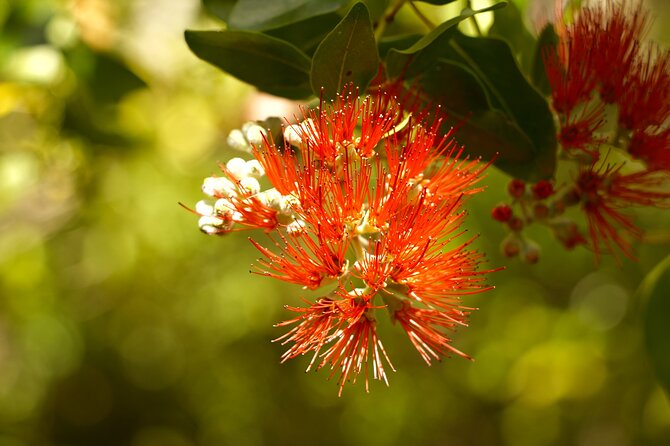
The Puʻu Kukui theme isn’t an extra topic tacked on at the end. It’s the lens the guide uses to help you understand what you’re standing in.
You’ll learn about the watershed and how conservation work supports the health of the area. You’ll also hear about Hawaii’s sacred connection to water, which adds a cultural layer to what might otherwise feel like a nature lecture.
Here’s why I think that connection is a big value: it changes how you interpret everything else. When you see how plants and forest structure relate to water, the ridgeline stops become more than scenic pauses. You start to notice the ecosystem as something functional, not decorative.
The end-of-hike pineapple bite: nice touch, not a meal
At the end of the hike, you may be offered Maui Gold pineapple as an option for a bite. This is one of those small details that often becomes a highlight because it’s local and it feels tied to the island.
Still, it’s important to set expectations. Some guests feel the snack is very small, like a few pieces rather than anything that truly replaces food. If you’re the kind of traveler who needs a full meal soon after you hike, plan to eat after—don’t count on the pineapple to do that job.
Think of it as a palate-reset and a sweet closer, not a lunch.
Group size and guide style: why the conversation feels personal

This tour caps at 12 travelers, which is a sweet spot for a hike like this. With a smaller group, you’re more likely to get clear answers and more attention at the stops where you want extra context.
Guides named in the experience include Jason, Yancy, and Kevin, and guests describe them as friendly, upbeat, and passionate about Maui ecology and conservation. You’ll hear plant talk throughout the hike, plus explanations about what conservation teams do and why the area matters.
If you enjoy asking questions—like what you’re looking at, what’s native, and what’s being managed—this setup helps you actually get those answers while you’re still standing next to the plants.
Who should book this Honolua Ridgeline hike (and who should skip it)
This hike is a strong fit if you want:
- A moderate hike that still feels meaningful
- A guided nature experience focused on Hawaii’s ecology and conservation
- A chance to see Maui from a ridge with valleys in view, without committing to a long, punishing trek
- A tour that works for mixed ages, since it’s been described as family friendly (including a 12-year-old) and manageable for non-hikers
You might skip it if:
- You’re craving a long, hard workout and expect miles and elevation
- You strongly prefer hikes with minimal stops and minimal talking
- You need a substantial snack or full meal during the activity
In other words, this is for people who enjoy learning while walking, not for people who only want motion.
Price and value: what makes it worth your time
We don’t have the exact price here, so I’ll judge value by what you actually get for the time and effort.
You’re paying for three things working together:
- Access and context: private conservation lands near Puʻu Kukui, not just public trail wandering
- A guide who brings the place to life: plant talk, native vs. invasive explanations, and conservation purpose
- A manageable distance: about 2 miles, usually under shade, with walking sticks for stability
That combination is what makes the experience feel “worth it” even if you’re not trying to crush a hike that day. It’s not only a scenic walk; it’s a guided ecology lesson that stays active the entire time.
When the weather turns: plan for good conditions
The experience requires good weather. That’s a smart reality check for any ridgeline hike—wet ground can mean more slippery footing, and poor conditions can affect trail safety.
If conditions are bad, the tour can be canceled and you’ll be offered a different date or a full refund. So if you’re watching the forecast, keep an eye on your timing and make sure you have another open slot in your schedule.
Should you book Honolua Ridgeline with HeleWai Eco Tours?
Yes, you should book it if your idea of a great Maui day includes ecology, water, and a guided walk that stays practical. I like that the hike is short enough to feel doable, yet the interpretive focus makes it more than a casual stroll.
Book it especially if you want to understand Maui beyond beaches—by learning how native forest and watersheds connect, and by walking through private conservation lands near Puʻu Kukui with a small group.
Skip it if you want a long strenuous challenge or if you’re expecting a full meal from the pineapple bite. Treat the snack as a sweet bonus, not the main event.
If you want your Maui to come with meaning, this is a very solid choice.
FAQ
How long is the Honolua Ridgeline hike?
The experience lasts about 3 hours 15 minutes.
How far do you hike?
The hike is about 2 miles (3.2 kilometers).
Where does the tour start in Lahaina?
The meeting point is 800 Office Rd, Lahaina, HI 96761, USA.
What time does the hike start?
The start time is 9:00 am.
What language is the tour offered in?
The tour is offered in English.
How fit do you need to be?
It’s described as requiring moderate physical fitness.
What’s the group size limit?
The tour has a maximum of 12 travelers.
Is the tour weather-dependent?
Yes. It requires good weather, and if it’s canceled due to poor weather you’ll be offered a different date or a full refund.