REVIEW · HONOLULU
Hike to the top of KokoHead Crater – Private Transportation/Group
Book on Viator →Operated by Hawaii Waterfall Hike!! · Bookable on Viator
Koko Head is famous for a reason. This is one of Oahu’s most recognizable climbs, built on an old tramway with railroad ties, and you’ll earn a huge reward at the top over the east side of the island. What I like most is the private-group feel (max 4 travelers) and the fact that your guide helps you with the climb and the photos, not just directions. One consideration: this is a serious stair workout—if you don’t usually hike or exercise, you may want a gentler alternative.
I also appreciate how clearly the pacing is set up for a 3-hour block. You get pickup, a short drive to the trail, a guided climb up and down, and time at the top to take in the view at your own speed. If you’re prone to getting dizzy on steep grades or you know you’ll need extra breaks, tell your guide early so they can pace you from the start (Brian was especially on top of this in the feedback I reviewed).
Here’s the deal in plain terms: you’re trading comfort for altitude. And if you show up prepared, this hike delivers one of the best “we did it” moments on Oahu.
In This Review
- Key highlights to know before you go
- Why Koko Head feels like the real Oahu workout
- Pickup, small group size, and how the tour keeps moving
- The climb itself: 1048 steps, steep rhythm, and smart pacing
- How to pace yourself (so you don’t hate step 600)
- The top of Koko Head: the view, your time, and photo help
- How long should you stay at the top?
- The descent: why going down is part of the workout
- Value for $92: what you’re really buying
- Weather and “conditions matter” reality check
- Who should book this Koko Head hike—and who should rethink it
- Should you book Koko Head with private transportation and a guide?
- FAQ
- How long is the Koko Head Crater hike?
- Is pickup included?
- How many people are in the group?
- Who is this hike best for?
- What should I expect to climb?
- What happens if the weather is bad?
Key highlights to know before you go

- 1048 steps on railroad ties from an old tramway structure
- Max 4 travelers, so you’re not lost in a crowd
- Guide stays with you up and down and keeps things moving
- Photo help at the lookout, plus encouragement along the way
- Time at the top is flexible, based on how long you want to linger
- Total time about 3 hours, with driving built in
Why Koko Head feels like the real Oahu workout
Koko Head Crater is one of those hikes you’ve probably seen already—usually from the angle that makes the stairs look impossible. The fun part is that it’s not just a photo-op. The route is steep, direct, and relentless in the way good workouts are: you stop thinking, you start climbing, and your legs start negotiating with gravity.
The payoff is also very “Oahu east side.” From the top you can see a lot of coastline and ocean direction that you don’t get from more central viewpoints. It’s the kind of vista that makes the effort feel earned instead of just exhausting.
And yes, the numbers matter here. You’ll climb 1,048 steps made of railroad ties. That’s a lot of repetitive lifting of your body up and over the same pattern, which is exactly why good pacing and gear make a difference.
You can also read our reviews of more private tours in Honolulu



Pickup, small group size, and how the tour keeps moving
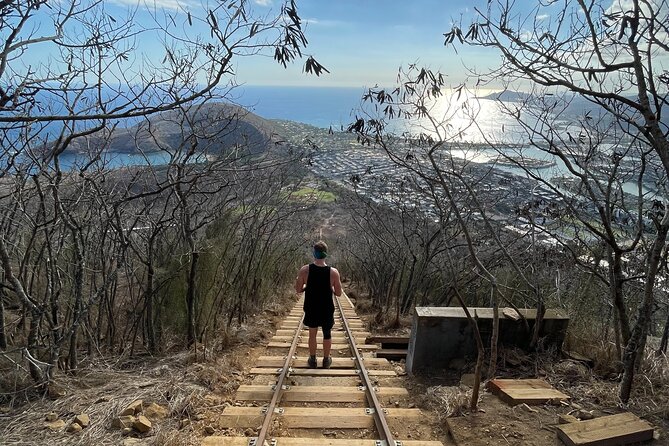
This isn’t a huge bus-and-rush situation. The group size caps at 4 travelers, and you’ll be working directly with a guide for the hike itself. That small group limit shows up in the experience: fewer people means less waiting at turn points, more time for your questions, and easier pace adjustments when someone needs a slower rhythm.
Pickup is offered, and the schedule is straightforward:
- About 30 minutes driving to the trail
- About 2 hours hiking
- About 30 minutes driving back
That adds up to roughly 3 hours total.
The guide also handles the on-the-ground logistics so you don’t waste time figuring out where to park or what the trail condition is like that day. Plus, your mobile ticket and pre-booking confirmation help keep you from juggling paperwork right when you’re trying to meet the group.
If you’re coming from a cruise port or a hotel, this kind of setup is a smart way to spend limited vacation hours. Instead of building your own transport plan for one tough hike, you show up, climb, and go home.
The climb itself: 1048 steps, steep rhythm, and smart pacing
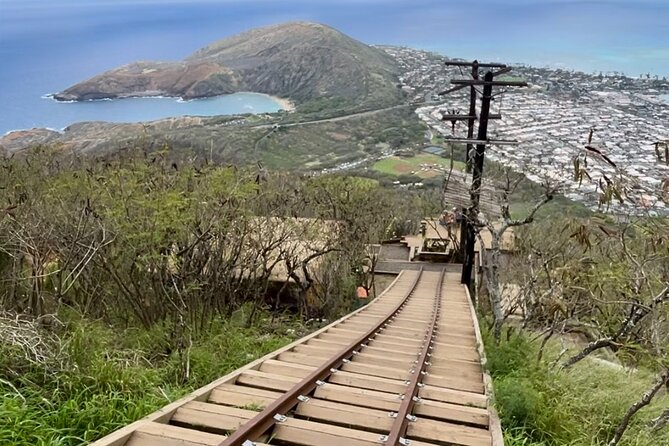
The hike goes up the old tramway route inside Koko Head Crater. In practice, that means the trail feels like a long set of stairs that never really lets you catch your breath the way a rolling path might.
Here’s what the experience is like when you’re on it:
- You’ll be stepping over railroad ties, one after another.
- Your breathing will rise quickly, especially if you start too fast.
- You’ll need to keep your balance with each step because the surface is uneven compared to a typical staircase.
The guides in the feedback I reviewed—especially Brian—were praised for being motivating and for keeping constant communication so you know what comes next. That matters on a climb like this, where the mind can spiral into questions like How far is left? Am I doing this wrong? How many breaks do I need?
A good guide helps you manage that. Brian was described as pushing people forward while also making sure they documented the climb with photos and useful climb stats. The theme here is encouragement plus structure.
How to pace yourself (so you don’t hate step 600)
You’ll do best if you go in assuming you cannot sprint this. Aim for a steady climb where you can talk in short sentences. If you start with a shaky pace early, you’ll pay for it later.
If you’re older or you’re returning from inactivity at home, plan for slower steps and shorter rest breaks. One of the strongest pieces of advice from the feedback: Brian took care of a person who got dizzy mid-trail by running back and forth between the group members to check on them. That’s a reminder that conditions and bodies vary—tell your guide quickly if you feel off.
The top of Koko Head: the view, your time, and photo help
The summit isn’t a quick glance. Your guide can keep you up there as long as you want, because the view is the reason you did the work.
From the top, you’re looking out across the east side of Oahu. It’s dramatic because the crater funnels your attention outward—there’s a “whoa” factor when you finally level out and see how the island unfolds in front of you.
This is also where the tour’s “guided” part really earns its keep. You’re not just left to pose yourself with your phone and hope you got the shot. In the feedback, guides were specifically praised for taking amazing pictures and keeping the climb documented. Brian, in particular, was credited with making sure the group got photos and climb documentation during the challenge.
If you want to do this smartly, bring your phone and camera gear, but also let the guide handle the timing of photo moments. When you’re climbing hard, it’s hard to think about framing. Someone who’s done the route repeatedly can help you get shots without you stopping for long stretches.
You can also read our reviews of more hiking tours in Honolulu






How long should you stay at the top?
You’ll likely want enough time for:
- a relaxed look around (don’t rush this)
- a few photos from different angles
- a moment to breathe before the descent
Because the schedule is built into the full 3-hour plan, staying too long could cut into the return, but the tour is designed so you can linger. In plain terms: plan to take advantage of the time you’re given, and you won’t feel like you’re on a countdown timer.
The descent: why going down is part of the workout
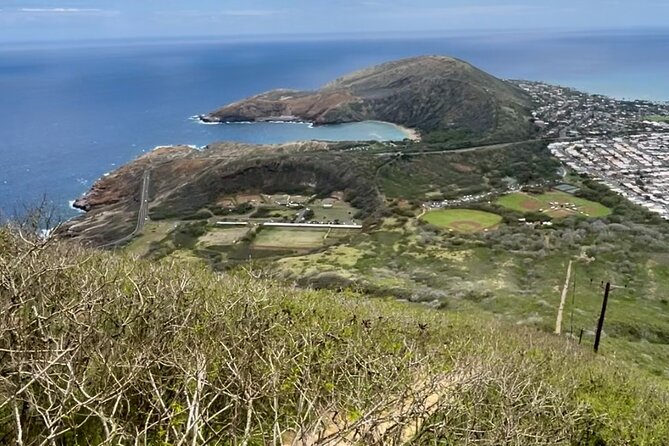
Most people focus on going up, and then the descent surprises them. Coming back down can be just as tough for your legs, especially on uneven steps or when fatigue makes your foot placement less careful.
Your guide hikes with you both up and down. That’s not a small detail. A guided return keeps the rhythm steady and helps avoid the classic mistake: everyone speeds downhill because they’re relieved, then their knees pay for it.
If you’re taking photos during the climb, remember you’ll need enough energy to safely move your body down. I like that the tour is built around a full climb cycle with a guide present, rather than just dropping you off at the top and hoping you manage the stairs yourself.
Value for $92: what you’re really buying
At $92, you’re paying for more than a ticket to a trail. You’re buying:
- pickup and transportation to the start area
- a guide who stays with you up and down
- help with photos and climb documentation
- a small group experience (max 4 travelers)
If you’ve ever tried to DIY this hike, you know the time adds up fast—finding the meeting point, sorting transport, then handling the climb without any “someone’s got your back” support. For a tough hike like Koko Head, that support turns into real value.
Is it the cheapest way to do it? Probably not. But it’s a good value if you want your day to feel efficient and guided, especially if you’re short on time in Honolulu.
The strongest signals from the experience feedback are about the guide quality. Brian was described as communicative before the hike, motivating during the climb, and responsive to people who needed extra attention. That’s exactly the kind of service that costs extra when you DIY.
Weather and “conditions matter” reality check
This experience depends on good weather. If weather conditions are poor, the tour can be canceled and you’ll be offered a different date or a full refund.
For you, the practical takeaway is simple: pick a day with flexibility if possible. And if you see rain or rough conditions on your plans, don’t assume you’ll still be able to do a steep stair climb. These kinds of hikes get much less fun when traction is questionable.
Who should book this Koko Head hike—and who should rethink it
This is for you if you want:
- a serious workout
- a famous Oahu challenge with big payoff views
- a guide who stays involved and helps with photos
- a smaller-group experience where you’re not fighting for space
The tour data also makes it clear you should have a strong physical fitness level. It’s not just “some steps.” It’s 1,048 and it’s steep.
You might reconsider if:
- you don’t work out regularly and steep climbs make you struggle
- you have health concerns that make dizziness or overheating more likely
- you want something scenic but not physically demanding
One more detail that can matter: service animals are allowed, so if that’s part of your travel needs, this option accommodates it.
Should you book Koko Head with private transportation and a guide?
If your idea of a great day is earning an iconic viewpoint, I think you should seriously consider booking this. The combo of transport, a small group (max 4), and a guide who actively supports the climb and your photos is exactly what turns a tough hike into a memorable one instead of a stressful one.
Book it if you’re ready to work. Bring water, wear good shoes, and pace yourself. Then let the guide help you hit that top with your energy intact.
Skip or choose a gentler hike if you’re not confident in your ability to handle a steep railroad-tie stair climb. For some people, that effort is worth it. For others, it steals the joy from the views.
FAQ
How long is the Koko Head Crater hike?
The total experience is about 3 hours, including roughly 30 minutes of driving to the trail, about 2 hours hiking, and about 30 minutes driving back.
Is pickup included?
Pickup is offered. The experience includes driving you to the trail start area and then bringing you back.
How many people are in the group?
The tour has a maximum of 4 travelers.
Who is this hike best for?
It’s intended for travelers with a strong physical fitness level, since it’s described as very active and involves climbing many steps.
What should I expect to climb?
You’ll hike up the old tramway route at Koko Head Crater, climbing 1,048 steps made of railroad ties to reach the lookout.
What happens if the weather is bad?
This experience requires good weather. If it’s canceled due to poor weather, you’ll be offered another date or a full refund.