REVIEW · HONOLULU
Manoa Falls eBike to Hike
Book on GetYourGuide →Operated by Bike Tour Hawaii · Bookable on GetYourGuide
That rainforest waterfall is closer than you think. This Manoa Falls eBike to Hike tour strings together Waikiki city riding, then a guided walk into Mānoa Valley. You’re on an electric bicycle with a communication setup, so you get the fun of biking without turning the day into a leg-day punishment.
I especially love how the guide keeps things moving without rushing. You’ll get a small-group ride, plus a real guided hike to Mānoa Falls, with time to stop, look, and learn as the valley’s weather shifts. I also like the practical inclusions: helmet, cold water, snacks, and lunch are handled for you.
One drawback to keep in mind: the trail can get slick when it’s wet, and the day mixes riding plus hiking. If you’re not steady on two wheels or you hate slippery footing, this route won’t feel relaxing.
In This Review
- Key things you’ll notice on this tour
- How this Manoa Falls eBike-to-hike day actually feels
- Meeting at Kūhiō Beach Hula Show and finding your bike guide fast
- The Waikiki bike ride: you get the overview before the rainforest
- Climbing into Mānoa Valley on an eBike: multiple microclimates in a short time
- The rainforest hike to Mānoa Falls: easy effort, slippery conditions
- At the waterfall: what to expect when the rain goes quiet
- Your guide makes the day: Kelly, pacing, and thoughtful details
- Lunch, snacks, and getting fed without killing the vibe
- Value check: is $169 for two wheels and a guided rainforest hike worth it?
- Who should book this tour, and who should skip it
- Practical packing tips so you feel comfortable on that rainforest trail
- Should you book the Manoa Falls eBike to Hike tour?
Key things you’ll notice on this tour
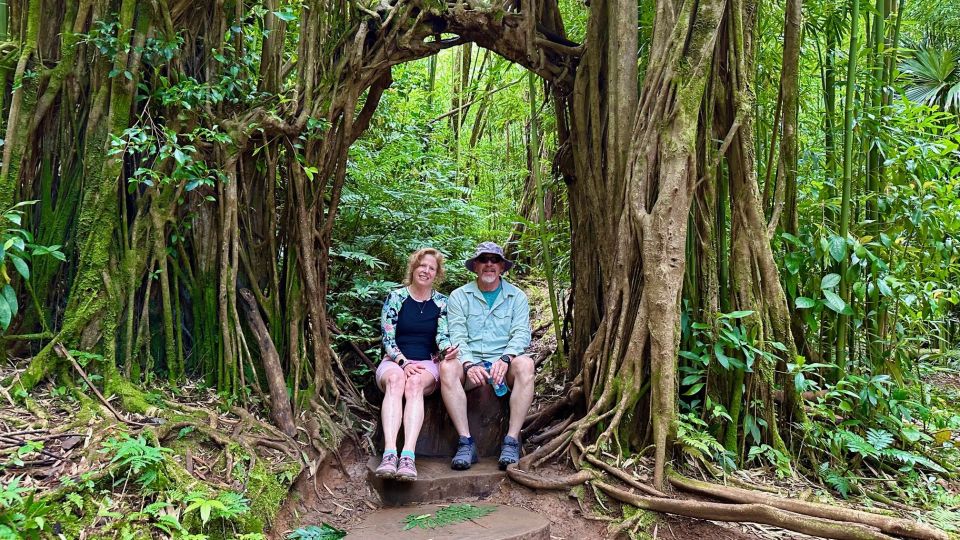
- Electric eBike comfort: riding uphill to the trail area feels doable, not exhausting.
- Guided hike to Mānoa Falls: an easy-to-moderate rainforest walk with time at the waterfall.
- Rainforest reality: it can be humid and muddy, and the path can be slippery.
- Waikiki-to-valley pacing: enough city riding to get context, then enough hike time to enjoy the goal.
- Guide attention: Kelly is specifically mentioned as informative and patient with families.
- Movie-famous waterfall energy: Mānoa Falls shows up in films, including Fantasy Island vibes.
How this Manoa Falls eBike-to-hike day actually feels
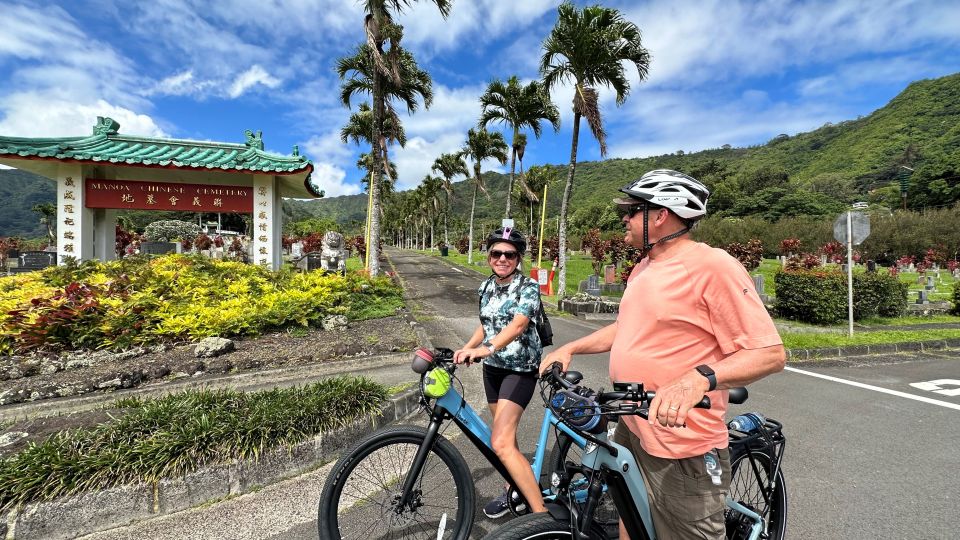
This tour works because it splits your time between two different kinds of Hawaii: the city rhythms of Waikiki, and the older, wetter mood of Mānoa Valley. On the bike, you get an overview of the area and the neighborhoods you’d usually just drive through. Then the hike changes the soundtrack completely—birds, dripping branches, and that damp greenhouse feel you only get in a rainforest.
The big win is how the electric bicycle changes the math. You still climb, but you’re not fighting every single uphill switchback with your lungs. That lets you arrive ready for the hike rather than spent from the ride. If you want the waterfall experience without turning the day into survival mode, this format is a smart choice.
Your guide also sets expectations early: the hike is often described as easy, but the conditions are what can make it tricky. Wet feet and slick roots are real. So this isn’t a “barely walk” outing, but it’s very workable for people who can handle short hiking and biking.
You can also read our reviews of more cycling tours in Honolulu

Meeting at Kūhiō Beach Hula Show and finding your bike guide fast
Your day starts at the Kūhiō Beach Hula Show area, in the Waikiki Beach / Kuhio Beach Hula Mound / Banyan Tree zone. The meeting point is across Kalakaua Ave from the Hyatt Regency Waikiki Towers. When you arrive, look for a guide wearing a green Bike Tour Hawaii T-shirt near the bike rack by the beach.
This matters more than it sounds. Waikiki has a lot of motion, and you don’t want to waste time hunting for your group while the morning slips by. Once you spot the guide, they’ll get everyone sorted and ready for the ride.
The tour is designed for a group of up to 6, which makes a difference. Smaller groups are easier to manage on stop-and-go city riding and during photo moments at the lookout points. You also get more direct answers to your questions, instead of shouting them to the back of a bus.
The Waikiki bike ride: you get the overview before the rainforest
You’ll start with about 1.5 hours of biking in Honolulu. This isn’t just transportation. It’s part sightseeing, part orientation. Expect to roll through neighborhoods while your guide points out architecture and helps you connect the dots between Waikiki’s urban vibe and the valley that’s waiting a bit farther up.
In a city like Honolulu, that context helps. You’ll notice how the road grades change, where the neighborhoods feel more residential, and how the air starts shifting as you head toward the greener parts. One of the reviews praised this piece specifically for letting the group see a lot of the city on the way up—and that’s exactly what you should aim for: use the ride to build your mental map.
Also, the eBike setup includes a communication system integrated into the bicycles. That’s a practical feature for a tour group. It makes it easier to hear instructions and keep things organized at stops without feeling like you’re constantly playing catch-up.
Climbing into Mānoa Valley on an eBike: multiple microclimates in a short time
Once you’re pointed toward the valley, you’ll feel the work. The biking portion includes around 390′ of elevation gain. With an electric assist, the climb is smoother, but it’s still a climb—so you’ll want to ride with some intention, not just coast with your hands limp.
The guide also brings you into Mānoa Valley multi-micro climates. Translation: weather can change fast over a relatively short distance in the mountains. One moment you might feel warm and dry; the next you’re under a cooler, damp canopy where everything looks darker and wetter. That shift is part of what makes the hike so atmospheric.
You’ll also start picking up the tour’s cultural and nature themes. The description highlights engagement with local fauna and ancient Hawaiian culture as you ascend. In practice, that usually means your guide doesn’t treat the rainforest like scenery only. You’ll hear what to look for and why the area matters beyond the waterfall photo.
The rainforest hike to Mānoa Falls: easy effort, slippery conditions
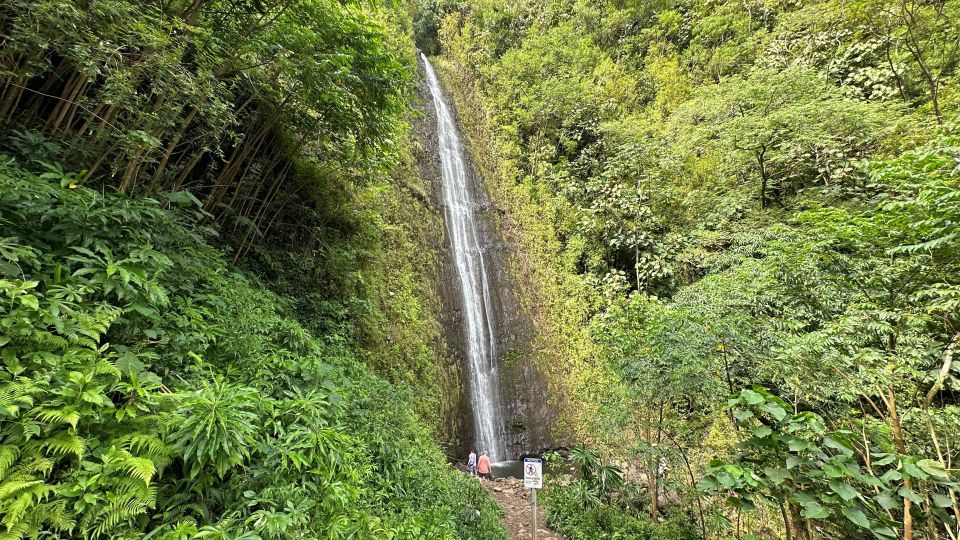
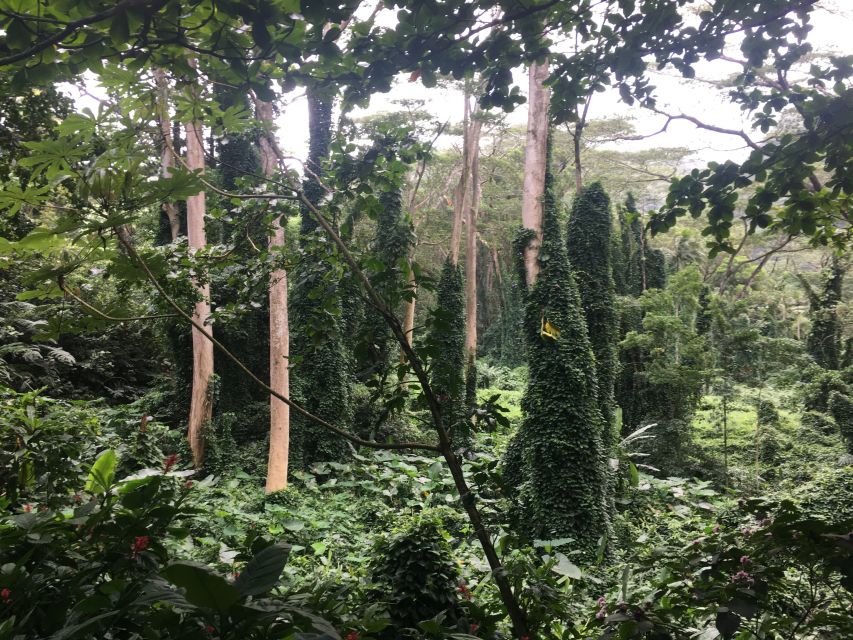
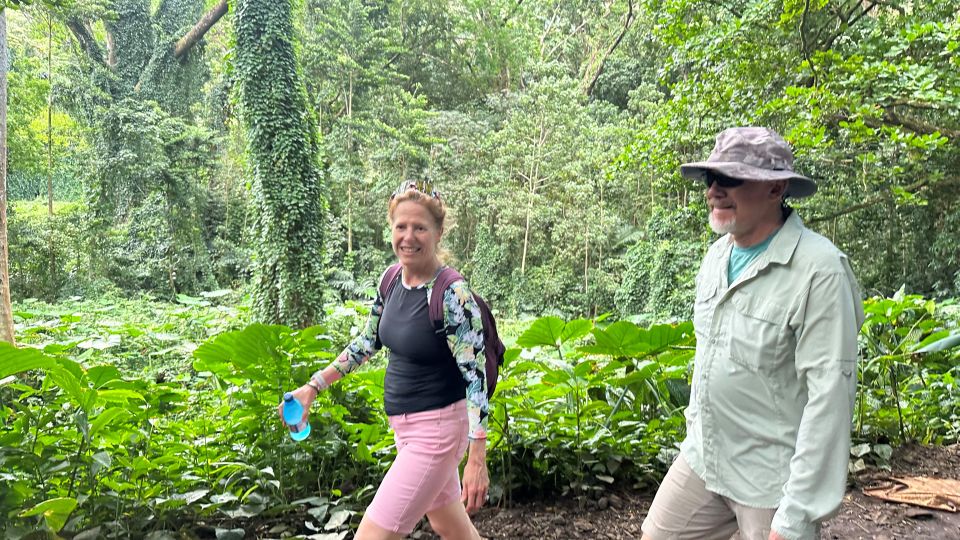
The hike to Mānoa Falls is about 3/4 mile up into a valley through a rain forest, with roughly 330′ of elevation gain. Another part of the tour description frames the hike as a picturesque 1-mile walk toward the falls and notes a larger elevation gain figure depending on how it’s measured. Either way, plan for a short hike that’s more about footing and humidity than distance.
It’s often labeled easy, and that’s true in terms of time—most people do it in about 1–2 hours, depending on trail conditions and how long you linger at the waterfall. But there’s a big caveat: the trail can be slippery when wet. Rainforest trails get damp. Roots, mud, and leaves don’t care that you have an eBike story to tell later.
Bring comfortable shoes or hiking shoes with decent grip. If you wear soft sneakers with slick soles, you’ll feel the difference fast once the trail gets wet. Also bring rain gear. Even if it’s not raining hard, the rainforest can mean misty dampness and soaked ground.
You’ll be provided disposable rainwear, which is a nice safety net. Still, I’d rather you arrive with shoes you trust and a basic rain layer you can move in, so you don’t feel trapped by discomfort while you hike.
You can also read our reviews of more hiking tours in Honolulu


At the waterfall: what to expect when the rain goes quiet
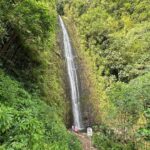
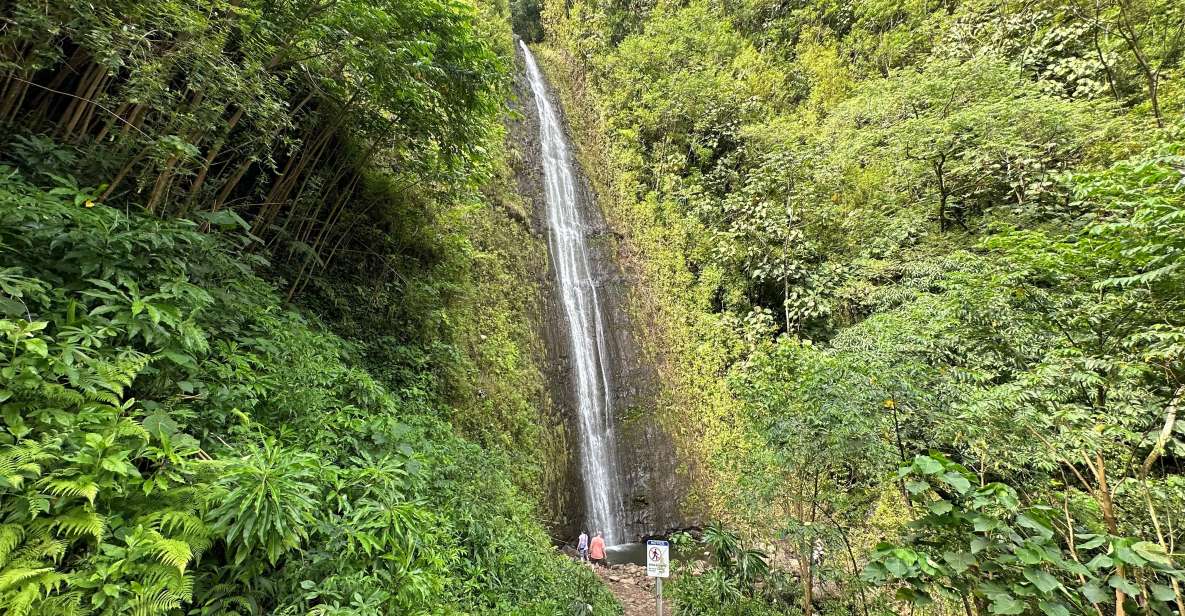
Mānoa Falls is the destination. The trail leads you there through rainforest that has appeared in movies, and the tour materials even point to Fantasy Island connections. That “movie location” reputation matters, because you’ll recognize why the setting is so popular: tall green walls, misty air, and a dramatic plunge that feels bigger than its trail length suggests.
One review notes the waterfall was more like a trickle due to minimal rainfall, but the hike still felt beautiful. That’s a helpful reality check. If you’re visiting when the islands have had light rain, you may not get a massive curtain of water. The rainforest still gives you sights, textures, and that damp Hawaiian atmosphere, even when the falls aren’t at peak volume.
So what’s the best mindset? Treat it like a rainforest visit first, and a waterfall display second. You’ll get the value either way if you show up prepared for a possible smaller flow.
Your guide makes the day: Kelly, pacing, and thoughtful details
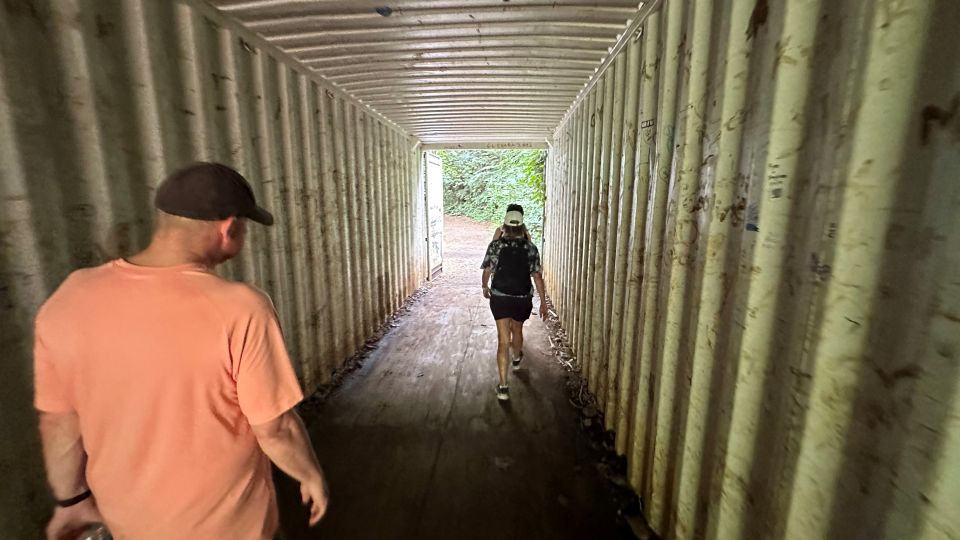
The guide experience is one of the strongest reasons to book this tour. In one review, Kelly is described as very informative, with a pace that felt perfect. Another review specifically praises Kelly’s patience with a family and mentions that he took over 100 pictures to share afterward. That kind of extra effort turns a good day into a memorable one, because you don’t just scramble to grab your own shots while watching your footing on the trail.
You’ll also feel the guide’s “thought of everything” approach. Included water, snacks, and lunch help keep energy steady, especially since the day combines a ride plus a hike. When you’re warm from biking and then cool down on shaded trail, having a snack timing plan matters.
One small snag to consider: there’s a food stop along the way, but the cafe experience can vary. One reviewer said the cafe wasn’t their favorite because it wasn’t the guide’s usual pick, since the normal option was closed in low season. The takeaway for you is simple: don’t frame this as a gourmet food tour. It’s a functional, included meal break that keeps you fueled for the waterfall.
Lunch, snacks, and getting fed without killing the vibe
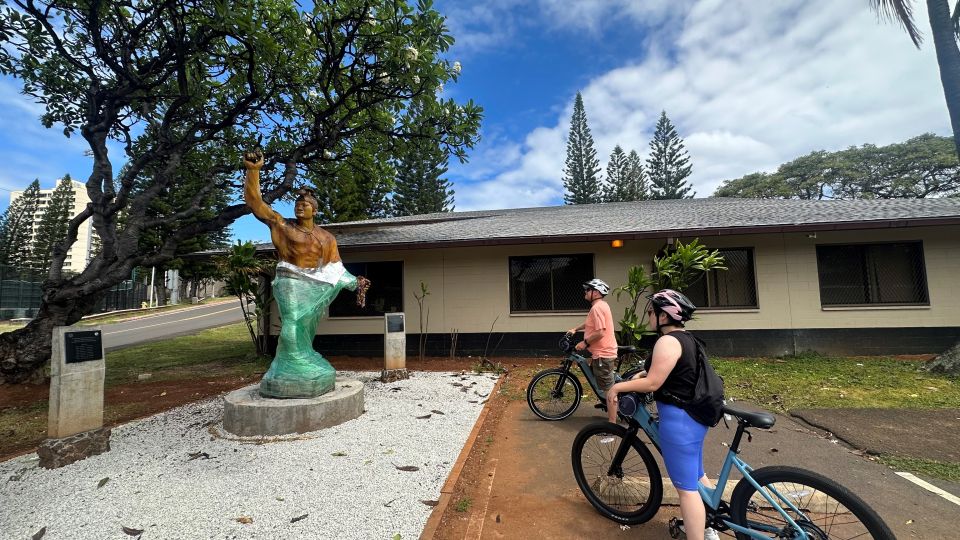
You’ll be offered snacks and lunch, plus cold water included in the price. There’s also a regional food stop of about 35 minutes during the return portion of your day. After that, there’s a short bike segment to get you back to the meeting area.
This timing is practical. It keeps you from arriving at the waterfall hungry and it prevents the late-afternoon hangry scramble that can happen when food is not planned. It also gives you a chance to reset after the hike before the ride back.
If you’re the type who likes to taste local food, this stop gives you a sampling moment without turning your schedule into a scavenger hunt. Just know it’s one stop, not a full restaurant itinerary.
Value check: is $169 for two wheels and a guided rainforest hike worth it?
At $169 per person for a 4-hour experience, the price can look “not cheap” at first glance. But when you break down what’s included, it makes more sense.
You get:
- Electric bicycle
- Helmet
- Snacks
- Lunch
- Cold water
- Park entry
You also get a live guide (English, German, Korean, Japanese) and a small-group format limited to 6 participants. Those details reduce friction for you: fewer logistics, less waiting, and more time spent actually enjoying the hike.
Not included: hotel pickup and drop-off. That means you’ll need to get yourself to the meeting point near Waikiki. If you already plan to be in that area, you’ll likely feel like this is good value. If you’re staying far away and would normally pay for transport, factor that cost into your decision.
In short: this isn’t the cheapest way to reach Mānoa Falls. It is one of the least stressful ways—especially if you want to bike partway and keep the day family-friendly and manageable.
Who should book this tour, and who should skip it
This is a solid match if you:
- Can ride a bike confidently enough for city streets and a guided pace
- Want a guided rainforest hike that’s short enough to feel doable
- Prefer an organized day over DIY planning in wet terrain
- Want a healthy, active activity with a clear destination payoff
It’s not for everyone. The tour isn’t suitable for:
- People who can’t ride a bike
- Anyone under 4 ft 9 in (150 cm)
- People over 80 years
- Pregnant women
- People with mobility impairments
Also, bring a realistic expectation about conditions. The trail is considered easy, but wet conditions can make it slippery. If that kind of footing stress sounds like a bad time, you’ll want to think twice or ask your guide about conditions before you commit.
Practical packing tips so you feel comfortable on that rainforest trail
If you only remember one thing, remember this: shoes and rain gear. The rainforest doesn’t do dry dust. It does damp ground and slick leaves.
Bring:
- Comfortable shoes or hiking shoes
- Rain gear (poncho or light waterproof layer works)
- Anything you normally use for mosquitoes in wet areas—one review strongly recommended bug spray
Also, consider wearing breathable layers. Hawaii humidity can change quickly as you climb, and you’ll be biking part of the time before you hike. If you start the hike drenched in sweat, you’ll feel it when the shade cools down.
Should you book the Manoa Falls eBike to Hike tour?
I think you should book this if you want Mānoa Falls as a one-day experience that balances city sights, a guided rainforest hike, and the convenience of included food and gear. The small group size and the fact that you get a real guide who knows how to pace the day—Kelly is a standout example—make this feel like a cared-for outing, not a rushed checklist.
Skip it if you’re mainly looking for a DIY, ultra-flexible hiking adventure, or if you’re worried about slippery trail conditions and can’t comfortably handle wet footing. And if you can’t ride a bike or you fall into the tour’s stated height or mobility limits, you should look for a different kind of day.
If you’re in Waikiki and you want the waterfall payoff without overthinking logistics, this is a very reasonable way to do it.