REVIEW · HONOLULU
Battleships of WWII at Pearl Harbor Departing from Waikiki
Book on Viator →Operated by Hawaii Island Experiences, LLC · Bookable on Viator
Solemn battleships meet royal Honolulu. I love the small-group attention and the USS Arizona boat ride with calm harbor views; the one catch is that a good chunk of time at the memorials is self-paced, so go in with questions ready. This is also a solid value at $116.99 because you get guided storytelling plus timed access to the major sites without the usual headache of figuring out transports and tickets.
What makes this experience especially interesting is the mix: WWII on Ford Island, then a shift to Hawaii’s monarchy and landmark churches in downtown Honolulu. Add the early 7:00am start, the hotel pickup in Waikiki, and the respectful, quiet atmosphere at the Arizona Memorial, and you get a day that feels both powerful and practical.
In This Review
- Key highlights to look forward to
- A WWII day that doesn’t waste your time
- Getting from Waikiki to Pearl Harbor smoothly (and on time)
- Visitor Center first: set the story before the memorial quiet
- The harbor boat ride to USS Arizona Memorial
- USS Arizona Memorial: where the names do the talking
- A gentle caution about expectations
- Battleship Missouri: the last U.S. battleship, and the surrender story
- USS Oklahoma Memorial: a different kind of impact
- Honolulu downtown after Pearl Harbor: narration with a human scale
- Punchbowl (National Memorial Cemetery): views you’ll carry home
- Iolani Palace: monarchy in the middle of modern Honolulu
- Kawaiahaʻo Church and the palace-government story
- Price and value: what $116.99 is buying you
- Timing and pacing: a long day that still makes sense
- What to bring (and what to leave behind)
- Who should book this tour
- Should you book this Pearl Harbor and Honolulu day?
- FAQ
- What time does the tour start?
- Are hotel pick-ups included in Waikiki?
- How long is the tour?
- Is the tour guided, and what language is it in?
- Are admission tickets included for the main Pearl Harbor attractions?
- Do you visit Pearl Harbor museums?
- Can I bring a purse or bag into Pearl Harbor?
- Is food included during the tour?
- How big is the group?
- Are there any important on-site rules?
Key highlights to look forward to
- Waikiki hotel pickup and drop-off so you’re not fighting traffic before the first stop
- USS Arizona Memorial boat transfer on a U.S. Navy-operated ride across the harbor
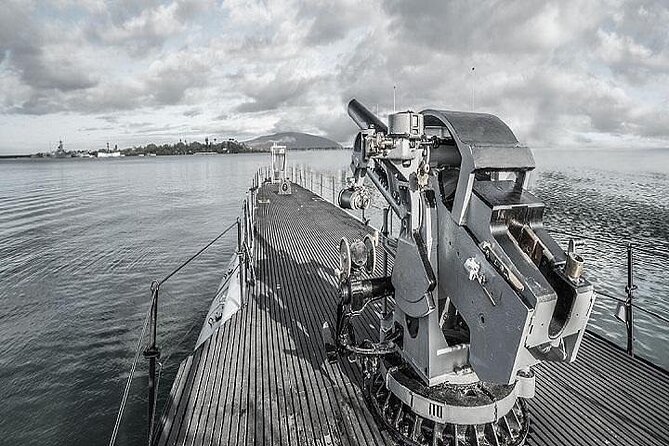
- Guided deck experience on Battleship Missouri with views of quarters, artillery, and the surrender moment
- Ford Island remembrances beyond the Arizona including the USS Oklahoma Memorial
- Downtown Honolulu add-ons like Iolani Palace, Punchbowl views, and Kawaiahaʻo Church narration
A WWII day that doesn’t waste your time
There’s a reason Pearl Harbor is a top draw in Hawaii: it’s history you can’t fake. But the hard part is making sure the day connects the dots instead of turning into a checklist of plaques. This tour works because you start with context at the Visitor Center, then move through the memorials in the right emotional order.
I also like that you’re not stuck on a bus for half the day. You get a timed flow—Visitor Center film, a short harbor boat ride, then multiple memorial stops, followed by downtown Honolulu highlights. At the end, you’ll still be thinking about what you saw, but your head won’t feel like it’s only doing WWII the entire way.
You can also read our reviews of more tours and experiences in Honolulu.

Getting from Waikiki to Pearl Harbor smoothly (and on time)
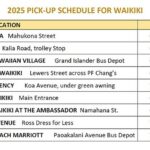
Start time is 7:00am, with pickup from most major Waikiki hotels. That matters more than it sounds. A day built around specific boat and memorial timing can fall apart fast if you’re trying to self-navigate from your hotel.
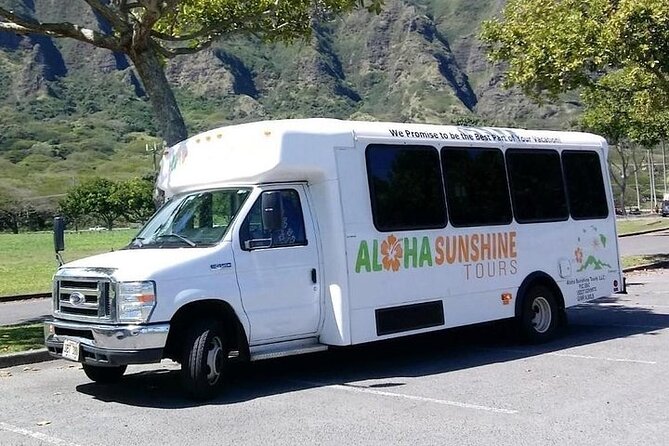
You’ll ride in an air-conditioned vehicle, and you’ll get shuttle service connecting you from the Pearl Harbor Visitor Center toward the USS Missouri Memorial. Translation: you can focus on what you came for instead of playing parking and routing games.
Small-group size is capped at 24 travelers. That doesn’t mean you get a private tour, but it does mean the guide can actually manage questions, pacing, and “where do we go next” moments.
Visitor Center first: set the story before the memorial quiet
Your first stop is the Pearl Harbor Historic Sites Visitor Center. This is where you build the background before you’re standing on sacred ground. You’ll see exhibits covering the events leading up to the December 7, 1941 attack, plus a 23-minute documentary film that frames the USS Arizona Memorial and the broader impact.
The payoff here is emotional clarity. When you walk onto a memorial later, you’re not guessing what you’re looking at or why it matters. You already know the basic timeline, so the experience hits harder in a way that feels earned, not accidental.
One practical note: admission tickets for the attractions on your day are provided by your guide. That reduces time spent at counters and helps keep the schedule on track.
The harbor boat ride to USS Arizona Memorial
After the orientation, you board a U.S. Navy-operated boat for a short crossing to the USS Arizona Memorial area. The ride is about 10 minutes and is described as calm, with views of surrounding military installations.
I love this part because it changes the perspective fast. You go from museum-style history to real water and real scale. Even if you’ve seen photos before, you’ll feel the geometry of the harbor—where ships were, where people moved, and how that morning unfolded in a physical space.
Be ready for the atmosphere once you arrive. This is not a casual stop where you chat loudly and take random selfies. Visitors are encouraged to maintain respectful silence while at the USS Arizona Memorial, and the whole experience is designed for reflection.
USS Arizona Memorial: where the names do the talking
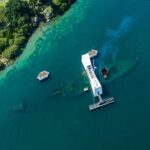
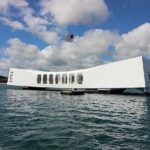
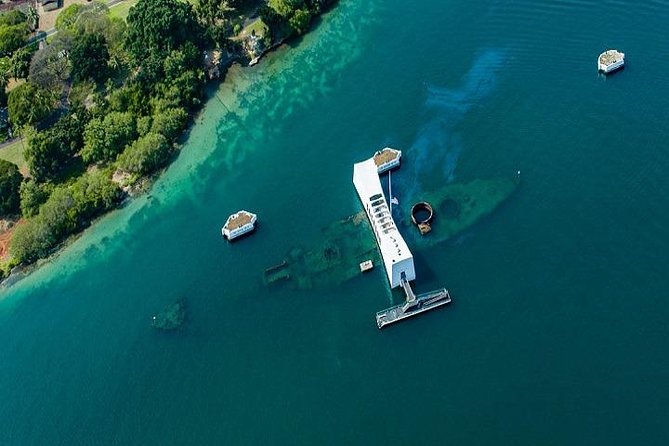
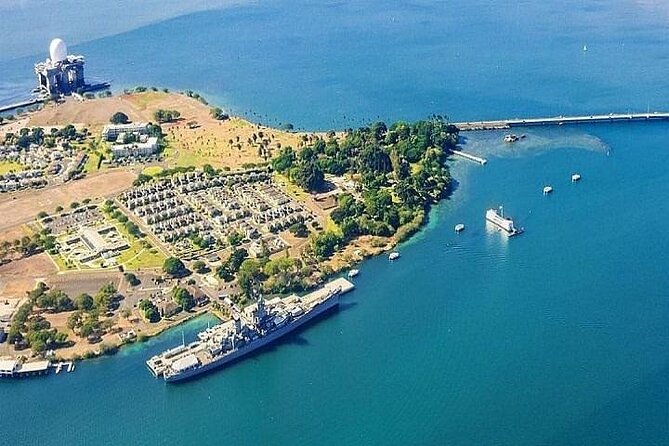
The USS Arizona Memorial is a white, open-air structure spanning the remains of the sunken battleship. You can look down to view parts of the wreckage in the water below. The ship’s outline is visible under the surface, and oil droplets rise—often referred to as The Tears of the Arizona—which adds a haunting, almost impossible-to-ignore presence to what you’re seeing.
Inside, you’ll also encounter the Remembrance Wall with the names of the 1,177 crew members who lost their lives aboard the USS Arizona. This is the moment where the visit stops being about facts and becomes about people.
You’ll spend about 1 hour 45 minutes here. That length is useful. It gives you time to do the slow looking: the water view, the names, the quiet. If you rush, you miss what makes this stop so unforgettable.

A gentle caution about expectations
Because part of the experience is reflective and self-paced, don’t plan to treat this as a rapid-photo-and-move-on stop. If you want to “get it all” in the shortest time, you may feel a little annoyed. If you can slow down, you’ll get something far better than a souvenir.
Battleship Missouri: the last U.S. battleship, and the surrender story
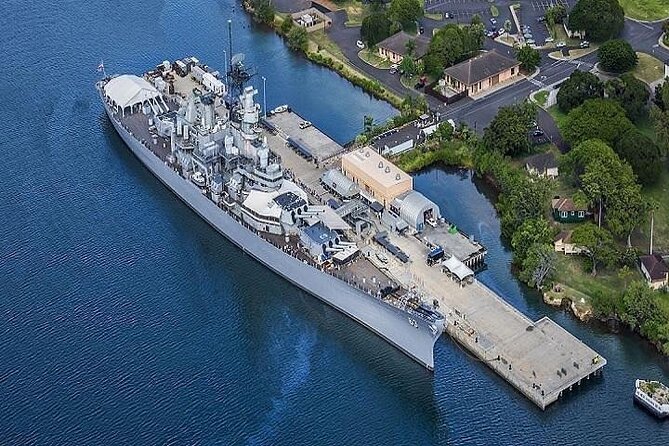
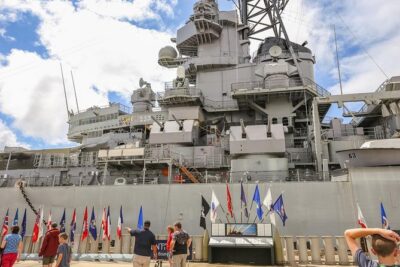
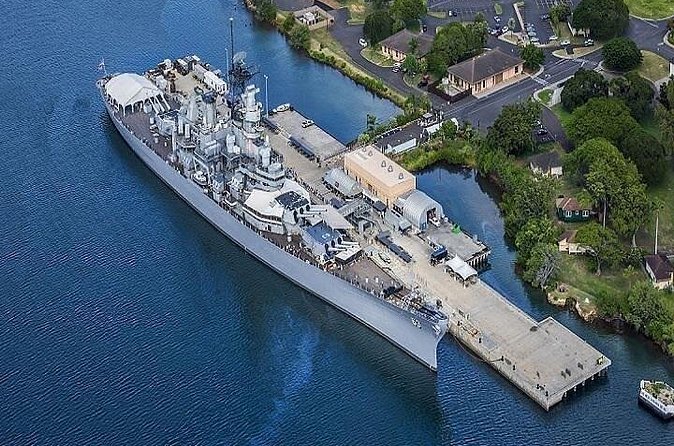
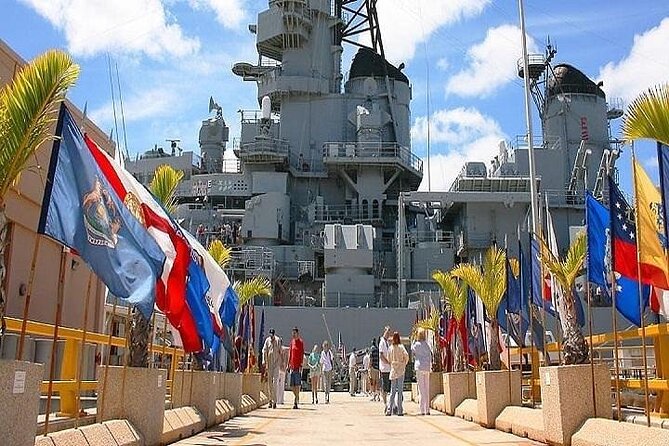
Next you move to the Battleship Missouri Memorial. This is the deck walk of the last battleship the U.S. ever built, and it’s tied to big WWII closure. You’ll step into the footprints of General MacArthur and Admiral Chester Nimitz, and the experience includes the surrender chapter: the Instrument of Surrender was signed on the Missouri in 1945.
The guided deck tour is about 2 hours and includes several standout elements:
- Viewing officer and crew quarters
- Seeing artillery positions
- A view connected to a kamikaze aircraft crash
- A surrender ceremony component
What I like here is the contrast. At the Arizona Memorial, the story is restraint and loss. On the Missouri, the story has machinery, structure, and the final shift toward ending the war. It helps the full day feel like a complete arc instead of separate stops.
If you’re a military history buff, this deck walk is the payoff you were hoping for when you booked a battleship-focused tour.
USS Oklahoma Memorial: a different kind of impact
You’ll also visit the USS Oklahoma Memorial, which is the only land-based memorial at Pearl Harbor. It honors more than 400 servicemen who died aboard the ship during the Dec. 7 attacks on Ford Island.
This one can feel quieter than the Arizona at first, but it’s just as important. Being land-based means your vantage point is different—you’re not looking straight into wreckage in the same way. Instead, you’re meeting the memorial as a dedicated space for remembrance, with its own emotional weight.
You’ll spend about 2 hours here. That’s enough time to take in the full meaning without treating it like a quick detour.
Honolulu downtown after Pearl Harbor: narration with a human scale
After the heavy WWII portion of the day, the tour shifts gears to Honolulu. You get about 45 minutes on the historic downtown Honolulu portion, narrated by your expert guide.
This is where the experience becomes more than a military day. You start connecting the dots between place and identity—what Honolulu is today, how it developed, and how Hawaii’s story fits into the larger world.
I appreciate this pacing. Many tours slam you with too much history in one direction. This one gives your brain a chance to reboot while still keeping the guide’s story voice going.
Punchbowl (National Memorial Cemetery): views you’ll carry home
The tour includes a stop at the National Memorial Cemetery of the Pacific, sitting on top of an extinct volcano known as Punchbowl. The grounds are described as beautifully maintained, with thousands of U.S. military members resting there, marked by rows of white headstones against lush greenery.
The best practical reason to include Punchbowl is the views. From the crater location you can see downtown Honolulu, Diamond Head, and the coastline. So you get remembrance plus a sense of geography—how the city and sea surround the cemetery and help frame what you’re seeing.
Bring a moment for quiet here too. This isn’t just sightseeing. It’s a place built for honoring service members.
Iolani Palace: monarchy in the middle of modern Honolulu
Then it’s on to Iolani Palace, the only royal palace in the United States. You’ll learn about Hawaii’s monarchy and hear stories about King Kalākaua and Queen Liliʻuokalani, the last reigning monarchs.
The stop is brief—about 15 minutes—but it matters because most visitors arrive at palace buildings without the political context. With a guide narrating the monarchy story, you’ll understand what these walls represent in Hawaiian history.
From the palace area, you’ll also view the King Kamehameha Statue, a symbol of Hawaii’s unity and strength, in front of Aliʻiōlani Hale, where the Hawaii State Supreme Court is now housed.
Kawaiahaʻo Church and the palace-government story
Your guide also shares talk story about the original government building of the Hawaiian Kingdom in the same area. It’s one of those stops that’s easy to miss if you’re just walking and not listening—so pay attention.
You’ll also visit Kawaiahaʻo Church, often referred to as the Westminster Abbey of the Pacific. It’s described as one of the oldest Christian places of worship in Hawaii, and your guide covers its significance and role in Hawaii’s religious history.
Even if you only spend a short time here, it adds a key layer: Hawaii’s story isn’t just about war and not just about royalty. It includes community, belief, and government as lived experience.
Price and value: what $116.99 is buying you
At $116.99 per person, you’re paying for far more than a ride and a few photos. The major “cost sinks” are handled for you:
- Arizona Memorial boat admission is included
- USS Missouri admission is included
- You get shuttle service around Pearl Harbor sites
- Tickets for the attractions are provided by your guide on the day of the tour
That’s the real value. On your own, you’d likely juggle transport, timed entries, and ticket lines. Here, the day is structured to prevent delays from snowballing.
You also get narration throughout—about both Hawaiian history and the military landmarks—plus a small group size of up to 24 travelers. That’s the part you can’t easily price, and it’s the difference between watching history and understanding it.
The only drawback on the value side is that this isn’t a full museum experience. Museums are not part of this tour. If you want deep museum time, you’d need a different option.
Timing and pacing: a long day that still makes sense
This tour runs about 7 to 9 hours. It’s long enough to feel like a full day, but the itinerary avoids the trap of bouncing between too many unrelated stops.
You’ll start early, spend substantial time on the major Pearl Harbor memorials, and then finish with Honolulu landmarks. That structure makes sense: you need morning energy for the emotional heavy-lifting, then you can close with lighter, place-based history.
Wear comfortable shoes. You’ll be walking much of the tour, and there’s a note that it’s not recommended if you cannot walk 4 city blocks.
And keep weather in mind. Sites are subject to close due to stormy weather, which can affect the exact flow of the day.
What to bring (and what to leave behind)
Pearl Harbor has strict bag rules. Purses and bags are not allowed inside. You can store bags for $7.00 each. Clear plastic bags are allowed, like those used for stadium events where contents are readily visible. Bags containing medical equipment unsuitable for lightweight transparent bags are allowed.
No smoking is allowed on the visitor center grounds or at the memorial. No swimwear is allowed.
This is one of those tours where being prepared saves your mood. If you show up with the wrong bag setup, you’ll spend time sorting instead of learning.
Also, plan for meals on your own. There are a few dining options at the Visitor Center and near Battleship Missouri, such as food trucks, snack stands, or cafes, so you can grab something before or after your tour.
Who should book this tour
This is a strong match if you:
- Care about WWII military history and want the main memorial sites without log-juggling
- Appreciate a guided story, not just a self-guided walk through
- Want a full-day combo of Pearl Harbor plus downtown Honolulu landmarks
It’s also a good fit for first-time visitors to Honolulu who want one “big day” that covers both international history and local place.
Should you book this Pearl Harbor and Honolulu day?
If you want a structured, guide-led day that hits the key Pearl Harbor memorials and then adds monarchy and Honolulu landmark stops, I’d book it. The included Arizona boat access, USS Missouri admission, and guided narration make the $116.99 price feel reasonable for what you get.
I’d think twice only if you prefer fully self-guided museum time or you hate reflective quiet stops. This day is designed for respect and pacing. If that fits your style, you’ll leave with stories you’ll remember for a long time.
FAQ
What time does the tour start?
The start time is 7:00am.
Are hotel pick-ups included in Waikiki?
Yes. Pickup is offered from most major hotels in Waikiki, and drop-off is also included.
How long is the tour?
The tour runs about 7 to 9 hours.
Is the tour guided, and what language is it in?
Yes, you’ll have expert narration of historical landmarks and Hawaiian royal history, and the tour is offered in English.
Are admission tickets included for the main Pearl Harbor attractions?
Yes. Admission tickets for the attractions on your tour are provided by your guide on the day of your tour, including Arizona Memorial boat admission and USS Missouri admission.
Do you visit Pearl Harbor museums?
No. Visiting the museums is not part of this tour. If you want museums, you’d need a Complete Pearl Harbor Experience option.
Can I bring a purse or bag into Pearl Harbor?
No. Purses and bags are not allowed inside Pearl Harbor. Bags can be stored for $7.00 each.
Is food included during the tour?
Meals are at your own expense.
How big is the group?
The tour has a maximum of 24 travelers.
Are there any important on-site rules?
No smoking is allowed on the visitor center grounds or at the memorial. Visitors are encouraged to maintain respectful silence while on the USS Arizona Memorial.