REVIEW · HONOLULU
History & Culture Tour in Honolulu via Segway
Book on Viator →Operated by Segway of Hawaii - Kakaako · Bookable on Viator
Honolulu history moves fast on a Segway. This tour gives you a quick, guided loop through key places like Mission Houses, Iolani Palace, and Aloha Tower, without turning the day into a long foot slog. I especially loved the two-way radio headsets for clear guidance and the small group size that keeps things personal.
The main thing to think about is the good-weather requirement. If it’s canceled for poor weather, you’ll need to switch dates. Also, you’ll spend the day on a Segway, so you should be comfortable standing and doing short rolling segments even if you’re not a speed person.
You start in Kaka‘ako at Segway of Hawaii (1687 Kalauokalani Way) around 9:00am, then cruise along the waterfront and finish back at the same spot. Transfers from Waikiki are available for an extra $20 per person round-trip, which is worth it if you don’t want to time your ride across town.
In This Review
- Key Highlights You’ll Actually Feel on the Ground
- Why This Honolulu History Tour Works Better on Two Wheels
- Getting Started at Kaka‘ako: Safety, Helmets, and a Smooth Learning Curve
- Mission Houses, Kawaiahao Church, and Honolulu Hale: Where Honolulu Started
- King Kamehameha Statue to Supreme Court Grounds: Power in Gold
- Iolani Palace and Royal Barracks: From Ruling Kingdom to Museum
- State Capitol Architecture and Hotel Street to Chinatown: Culture in Motion
- Bishop and Merchant Streets: Honolulu’s Old-School Streets That Still Matter
- Honolulu Harbor and Aloha Tower: The Day Shifts to the Sea
- Kaka‘ako Waterfront Park, Point Panic Surfers, Ehime Maru Memorial, Echo Stone
- Ala Moana Regional Beach Park Finish: A Peaceful End to a Busy City Loop
- Two-and-a-Half Hours of Value: What You’re Paying For
- Who This Tour Fits Best (and Who Might Want Something Else)
- Should You Book This Honolulu Segway History and Culture Tour?
- FAQ
- How long is the Segway history and culture tour?
- What does the tour cost, and what’s included?
- Where is the meeting point, and when does it start?
- Is this tour in English?
- Can first-time riders participate?
- Are there pickup locations in Waikiki?
- How many people are on the tour?
- What happens if the weather is bad?
Key Highlights You’ll Actually Feel on the Ground
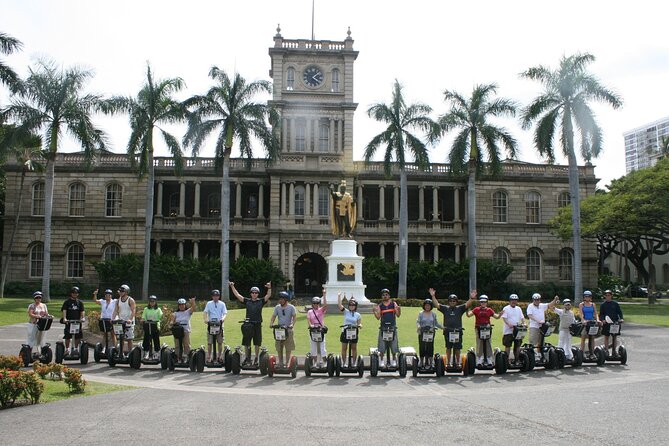
- Two-way radio headsets make it easy to ask questions and hear directions
- Max 8 travelers keeps the pace smooth and the guide’s attention steady
- Photo-friendly stops at places like Kamehameha’s statue and Aloha Tower
- 19th-century-to-today story flow across court, palace, harbor, and Chinatown
- A real waterfront ending along Ala Moana Regional Beach Park
- First-time Segway friendly thanks to helpful, safety-focused guidance
Why This Honolulu History Tour Works Better on Two Wheels
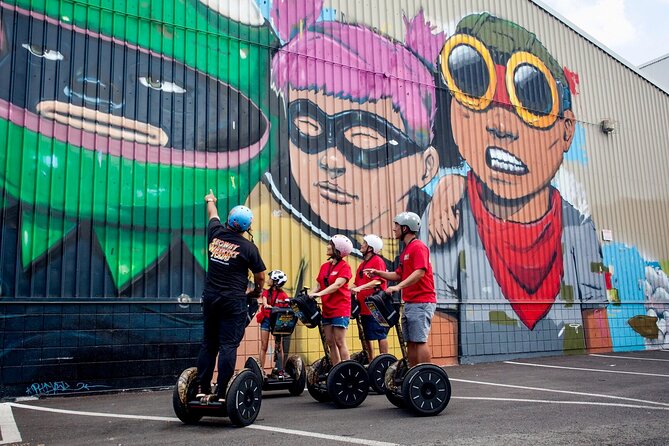
Honolulu can be tricky if you’re trying to see “the important stuff” in just a couple hours. Roads are busy, blocks stretch longer than you think, and parking or walking can eat your time. This is one of those tours where you get your bearings fast, then keep learning as you roll from landmark to landmark.
The payoff is the pacing. On foot, you’d be choosing between distance and depth. On a Segway, you can cover a lot without arriving at each stop already exhausted. And the guide helps you connect the dots: who held power, where decisions were made, and how those places shape daily life now.
You can also read our reviews of more historical tours in Honolulu


Getting Started at Kaka‘ako: Safety, Helmets, and a Smooth Learning Curve
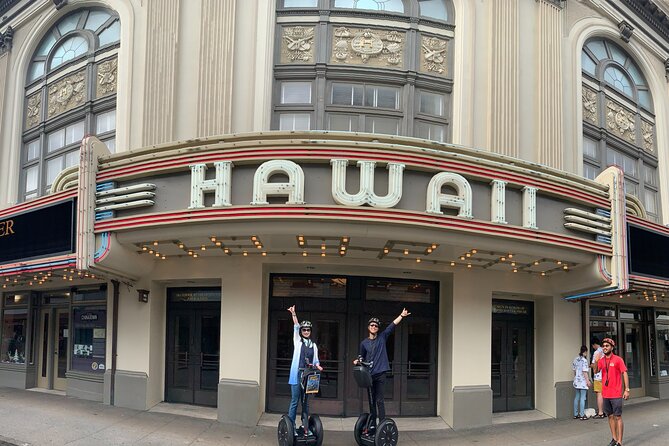
The tour begins at Segway of Hawaii in Kaka‘ako (1687 Kalauokalani Way). It’s set up so you can jump in without making a full day out of preparation. You get a helmet and a radio headset, and the guide uses the system to talk clearly as you move.
Even if it’s your first Segway, you’re not being thrown into traffic alone. People often pick it up quickly because the guide is focused on comfort and control first. You’ll also see why the headset matters: when you’re riding, it’s hard to hear someone without electronics, and the tour runs best when everyone stays connected to what’s happening ahead.
Small groups help here too. With a maximum of 8 travelers, you’re not guessing where you fit in the line or whether the slowest rider will stall everything. The result feels like a calm city cruise with frequent stops for actual story time.
Mission Houses, Kawaiahao Church, and Honolulu Hale: Where Honolulu Started
Your early stops are about origins—how the city looked when outside missionaries first shaped institutions in Hawai‘i. You’ll see the Mission Houses (built in 1820) and the historic church next door, also from 1820: Kawaiahao Church and its graveyard. This is where many former Ali‘i (royalty) are buried, so it’s not just architecture—it’s memory in stone and ground.
Across King Street, you’ll also spot Honolulu Hale, the city hall. That connection matters: the tour doesn’t treat old Honolulu like a museum display. It uses real locations to show continuity—religion, government, and public life all grew from the same early era.
One of my favorite parts of these first stops is how the guide ties the buildings to power. You’re not only learning dates; you’re learning who influenced decisions and why those institutions were placed where they were.
King Kamehameha Statue to Supreme Court Grounds: Power in Gold
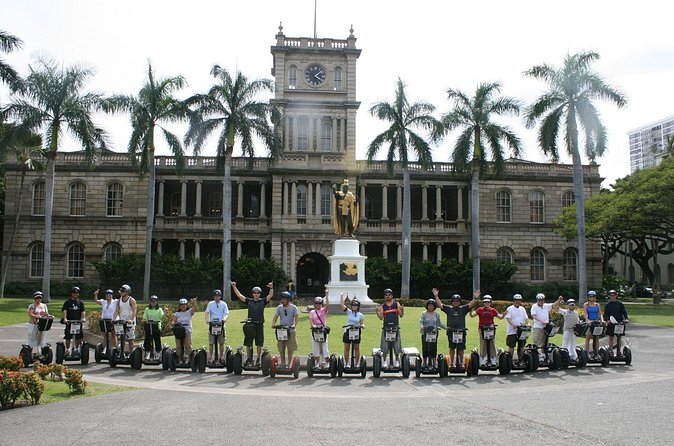
Then you glide to the gold-encrusted King Kamehameha Statue. It’s one of three in the world, and it stands in front of the Hawaii State Supreme Court building—once the seat of Hawaii’s government when it was a nation. This is one of those areas where you can stand and look around and realize you’re in the center of legal authority, not just a pretty plaza.
A practical benefit here is the view angles. Because you’re rolling between stops, you don’t miss the best sight lines while you’re walking uphill or crossing streets. The guide keeps things organized so you get a moment to look, then move on without losing the storyline.
If you like political history—monarchs, law, nationhood—this section will feel like a quick map of authority, drawn on real streets.
Iolani Palace and Royal Barracks: From Ruling Kingdom to Museum
Next comes the heart of the whole tour: Iolani Palace and Royal Barracks. This is the only palace on American soil built by King Kalakaua, and today it functions as a museum. Even if you don’t go inside on a timed visit, the grounds give you plenty to absorb as you glide around.
You’ll check out banyan trees on the property, stop near the Queen Lili‘uokalani statue, and learn who she was in the last chapter of Hawaiian monarchy. The story line here doesn’t sugarcoat the hard part: the Americans overthrew her government and the Hawaiian Nation.
This stop can hit differently depending on what you came into the day thinking about. If you mostly know Hawai‘i as beach time, this is where the tour resets your understanding. The palace grounds turn abstract history into something spatial—you can feel how close power was to everyday life.
Also, the pace helps. You’re not trying to squeeze a full museum visit into a short window. Instead, you get orientation that makes any later independent exploring feel way more meaningful.




State Capitol Architecture and Hotel Street to Chinatown: Culture in Motion
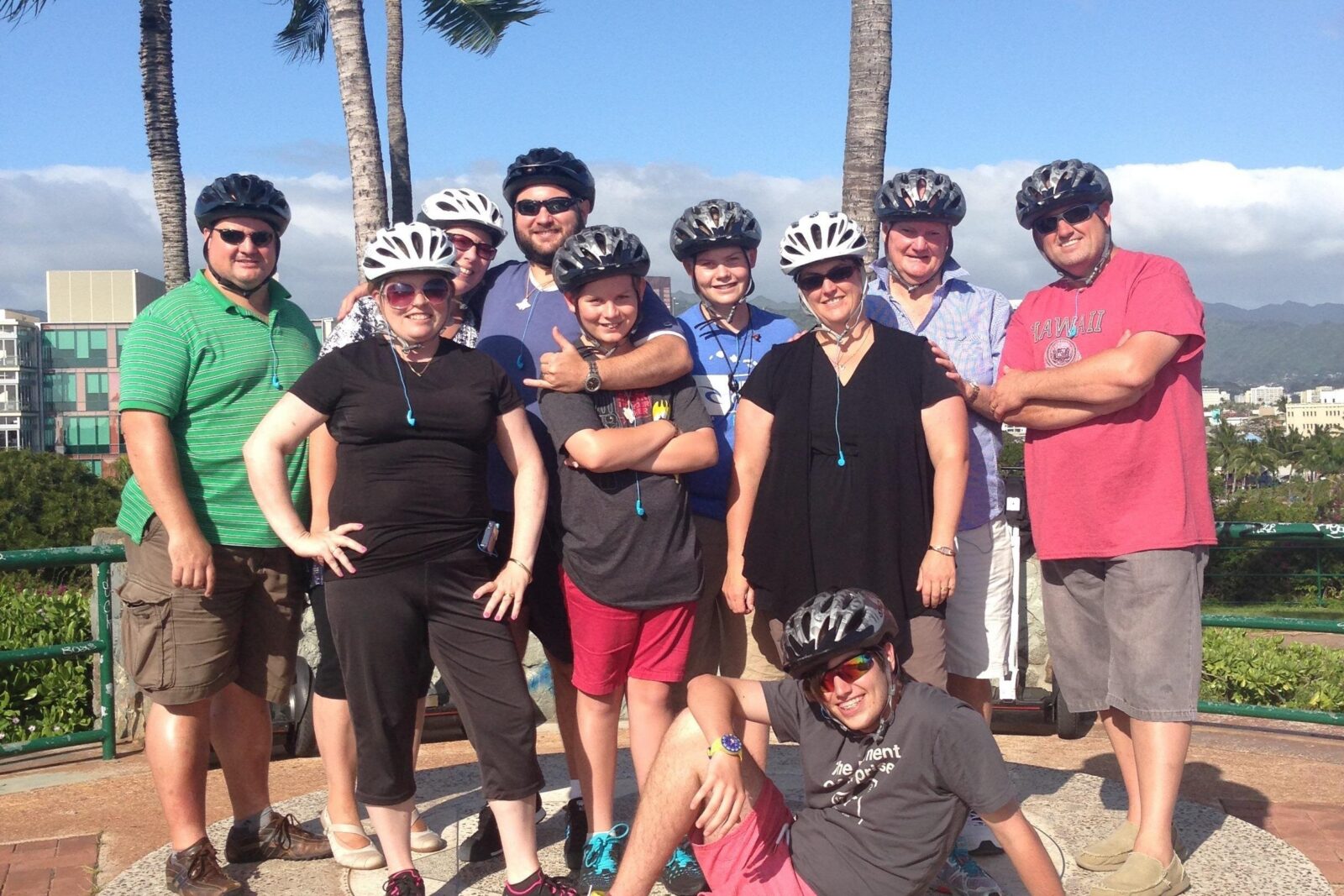
After the palace, you head toward the Hawaii State Capitol building, known for its unique architecture. Even if architecture isn’t your main obsession, you’ll still appreciate how the guide uses the building to connect old governance to newer forms.
Then it’s off to State Art Museum nearby areas and along historic Hotel Street. The tour frames Hotel Street as a corridor with a colorful past, and you’ll feel that vibe as you move toward Chinatown.
Chinatown’s Shopping Mall is where the tour shifts from grand institutions to everyday people and food culture. You’ll see noodle factories and open markets, plus a mix of residents and visitors from around the world. This is also where the small-group format helps again. You can stop, look, and ask about what you’re seeing without getting swept into a crowd crush.
If you’re hungry, this section naturally creates snack motivation—just remember you’re on a riding schedule, so you’ll likely want to plan where to eat after the tour finishes.
Bishop and Merchant Streets: Honolulu’s Old-School Streets That Still Matter
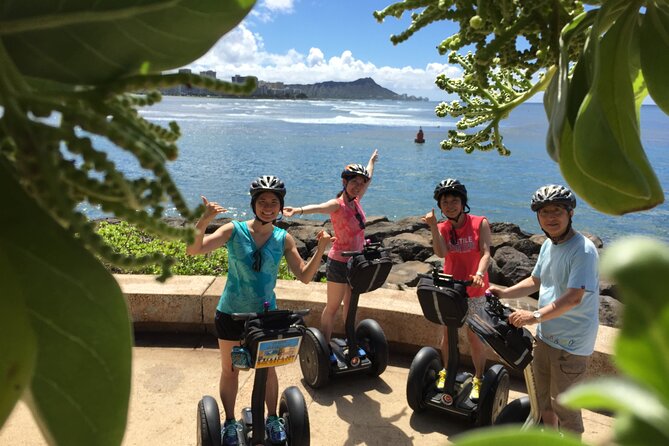
Then you roll along Bishop Street, nicknamed Honolulu’s Wall Street, tied to the city’s financial history. The tour also points out Merchant Street as the first paved street in Honolulu. Even if you don’t know this before, the street-level details help you understand why certain blocks became powerful.
You’ll also see historic transportation buildings that are more than 150 years old. That’s a small detail, but it changes how you see the city. Honolulu wasn’t just ruled by kings and courts—it was built into motion by trade, transportation, and commerce.
I like this part because it teaches you to read a city like a timeline. The streets aren’t backdrops. They’re clues.
Honolulu Harbor and Aloha Tower: The Day Shifts to the Sea
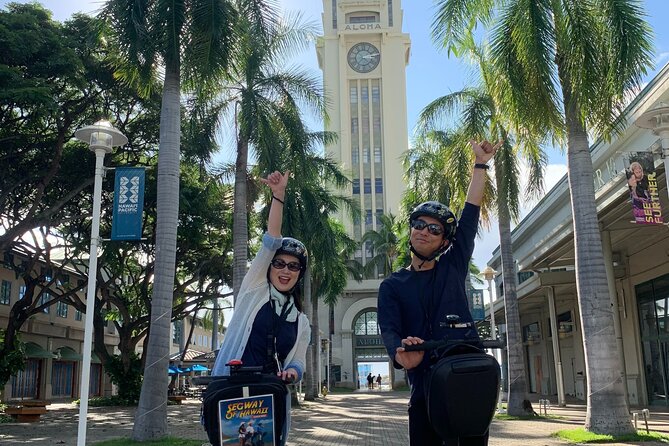
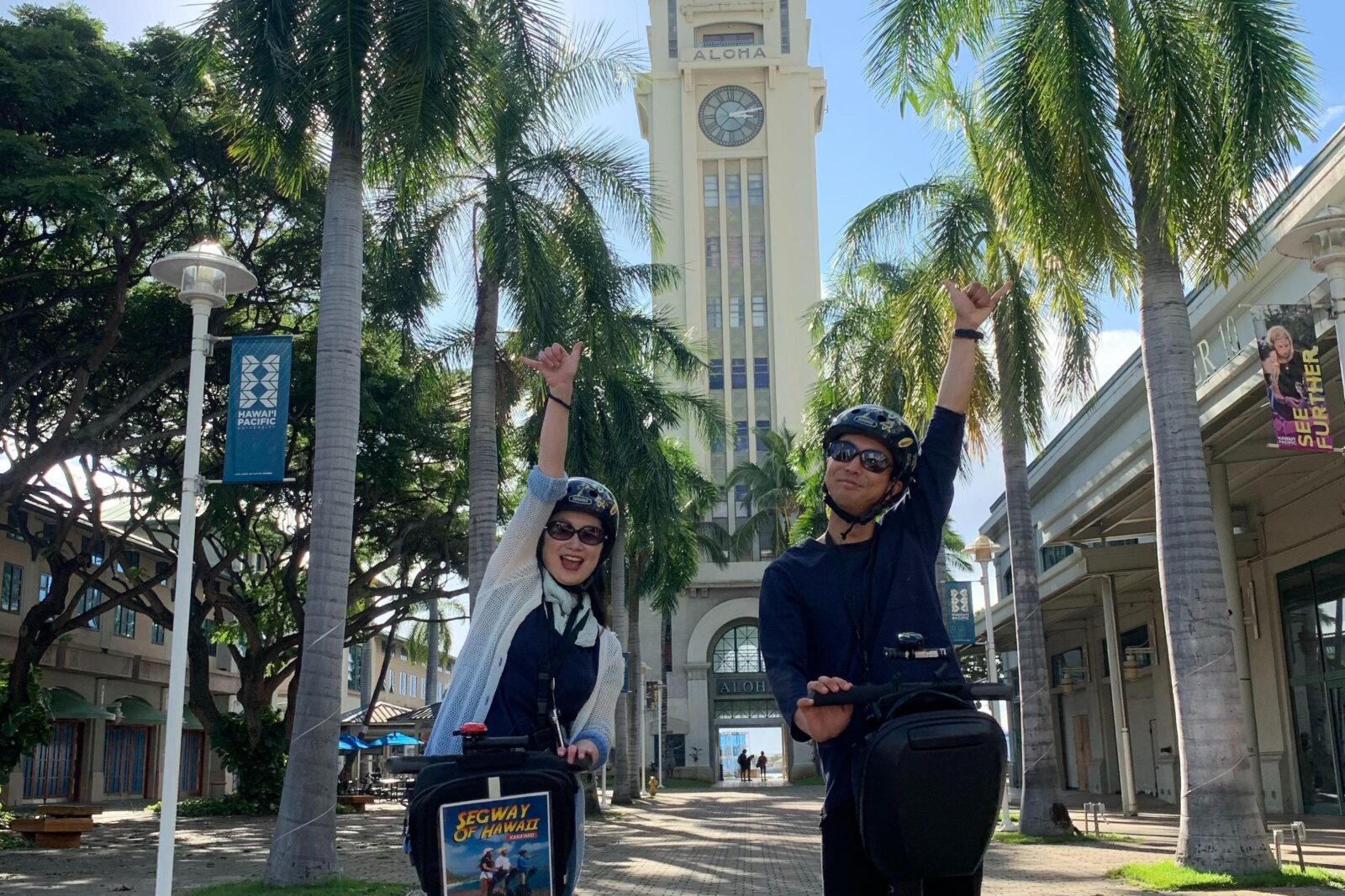
When you reach Honolulu Harbor, the tour leans into the maritime side of the story. Aloha Tower is a big highlight, built in 1926 and at the time the tallest building in Hawaii. You’re not just hearing trivia—you’re standing in the context where ships, goods, and people changed Honolulu’s role.
One of the most memorable parts is the restored coral reef nearby, along with fish that come to feed close by. That makes this section feel like history meeting nature in the same frame. It’s also one of those visual moments that’s hard to fake with reading alone.
Practical note: harbor areas can be windy and bright. Your helmet and headset still matter because you’ll be moving and stopping without always turning fully toward the guide. If you’re sensitive to sun, bring sunglasses and something to protect your eyes.
Kaka‘ako Waterfront Park, Point Panic Surfers, Ehime Maru Memorial, Echo Stone
After the harbor, you glide toward Kaka‘ako Waterfront Park. You’ll pass a Promenade area and catch surfers around Point Panic—another reminder that Honolulu’s culture isn’t frozen in the past. Then you ride up the hill for the Ehime Maru Memorial and the Echo Stone.
This portion adds emotional texture. Memorials aren’t always cheerful, but they’re part of understanding Hawai‘i as a place touched by real global events, not just local legend. The Echo Stone also gives you a sensory break from pure “look and learn” time, which keeps the tour from feeling like nonstop lectures.
If you like tours that balance big landmarks with meaning, this is where the tour earns extra points.
Ala Moana Regional Beach Park Finish: A Peaceful End to a Busy City Loop
You finish back at the meeting point along the ocean in Ala Moana Regional Beach Park. This matters more than it sounds. After cutting through downtown, it’s a relief to end with a more open, breezy stretch where you can reset your brain.
It also gives you a natural spot to plan what comes next: a late lunch, a quick swim if you’re staying nearby, or just a calm walk without the pressure of “we’re in a schedule.”
Two-and-a-Half Hours of Value: What You’re Paying For
At $254.14 per person for about 2 hours 30 minutes, you’re paying for three things: speed, guidance, and logistics. You’re not renting a Segway and learning on your own. You’re getting a guide who can connect each stop’s meaning so you don’t just see landmarks—you understand them.
The included items—bottled water, helmet, and a knowledge-rich headset setup—help keep the experience comfortable and focused. And the small-group cap of 8 travelers is a big part of the value. With fewer people, the guide can slow down when questions pop up and keep the line organized.
The other value piece is the transfers option. If you’re staying in Waikiki, paying the extra $20 per person round-trip can save you time and stress. You’ll still start in Kaka‘ako, but you won’t have to figure out the timing of your own trip across town.
For balance: if you love long walks and want to linger inside museums, you may feel the tour is more “seeing and hearing” than “staying all day.” This isn’t a half-day museum pass. It’s a fast, guided circuit.
Who This Tour Fits Best (and Who Might Want Something Else)
This tour is perfect for history buffs who want a faster alternative to walking. It’s also great if you’re short on time and want a city overview that actually makes sense afterward.
It’s especially good if you’ve never ridden a Segway and want a confident first experience. Guides like Jeanne and Michael have a reputation for making the tour feel safe and enjoyable, and the group format keeps it from feeling chaotic.
You might want to pick a different style of activity if:
- You hate moving around for 2.5 hours even at a relaxed pace
- You want lots of time to go inside buildings rather than view them from the outside
- You’re visiting during poor weather odds and don’t want scheduling flexibility
Should You Book This Honolulu Segway History and Culture Tour?
If you want a smart way to cover major landmarks in downtown Honolulu with clear explanations and an easy ride, I’d book it. The headset system and small-group setup keep the experience from feeling like a factory tour, and the route hits both power sites and everyday culture—palace grounds, court-related landmarks, Chinatown markets, and harbor history.
The only real hesitation is weather. If your trip timing is tight and the forecast looks shaky, keep your expectations flexible. But on a decent day, this is one of those activities that gives you more understanding than you’d get from wandering alone.
FAQ
How long is the Segway history and culture tour?
It runs about 2 hours 30 minutes.
What does the tour cost, and what’s included?
The price is $254.14 per person. Bottled water is included, and you also get a helmet plus a two-way radio headset.
Where is the meeting point, and when does it start?
You start at Segway of Hawaii – Kaka‘ako Store (1687 Kalauokalani Way, Honolulu, HI 96814). The start time is 9:00am, and the tour ends back at the meeting point.
Is this tour in English?
Yes, it’s offered in English.
Can first-time riders participate?
The tour says most travelers can participate, and the guidance during the Segway experience is described as making a first ride feel manageable.
Are there pickup locations in Waikiki?
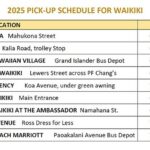
Yes. There are four pick up locations in Waikiki, with a $20 per person round-trip transfer fee to get from Waikiki to Kaka‘ako. You’ll need to contact Segway of Hawaii – Kaka‘ako to schedule pickup.
How many people are on the tour?
The group size is capped at a maximum of 8 travelers.
What happens if the weather is bad?
This experience requires good weather. If it’s canceled due to poor weather, you’ll be offered a different date or a full refund.