REVIEW · HONOLULU
Honolulu: Liljestrand House Architectural Tour
Book on GetYourGuide →Operated by Liljestrand Foundation · Bookable on GetYourGuide
A preserved mid-century house in Honolulu is a rare treat. The Liljestrand House tour is a focused, 90-minute look at Hawaiian modern architecture through the work of Vladimir Ossipoff and the people who lived here. I love how personal it feels, not like a museum walkthrough.
I’m especially taken by the view-management ideas Ossipoff used to shape what you see from inside. You’ll also notice how carefully the design works with natural materials, and how the original furnishings and artworks help connect the architecture to real life.
One thing to plan around: the house is not air-conditioned, and it can get quite hot in summer and fall. If you’re heat-sensitive, go earlier in the day and wear light layers.
In This Review
- Key moments you’ll remember
- Why the Liljestrand House is more than a pretty building
- The 90-minute flow: what happens during the tour
- Inside a preserved mid-century home: what you’ll actually see
- Vladimir Ossipoff: the design brain behind the views
- How the Liljestrand family story lands in the rooms
- The guide matters: what you should listen for
- Price and value: is $78 fair for 90 minutes?
- Practical tips: shoe policy, heat, and what not to bring
- Who should book this tour (and who might skip it)
- Should you book the Honolulu Liljestrand House Architectural Tour?
- FAQ
- Where is the Liljestrand House Architectural Tour located?
- How much does the tour cost?
- How long is the tour?
- How many people are in the group?
- Is there a live guide?
- Is the house air-conditioned?
- Do I need to remove my shoes?
- Are pets or big bags allowed?
- Are smoking or vaping allowed?
- Can I get a refund if I cancel?
Key moments you’ll remember
- A small-group tour (10 people max) keeps the pace relaxed and the questions coming
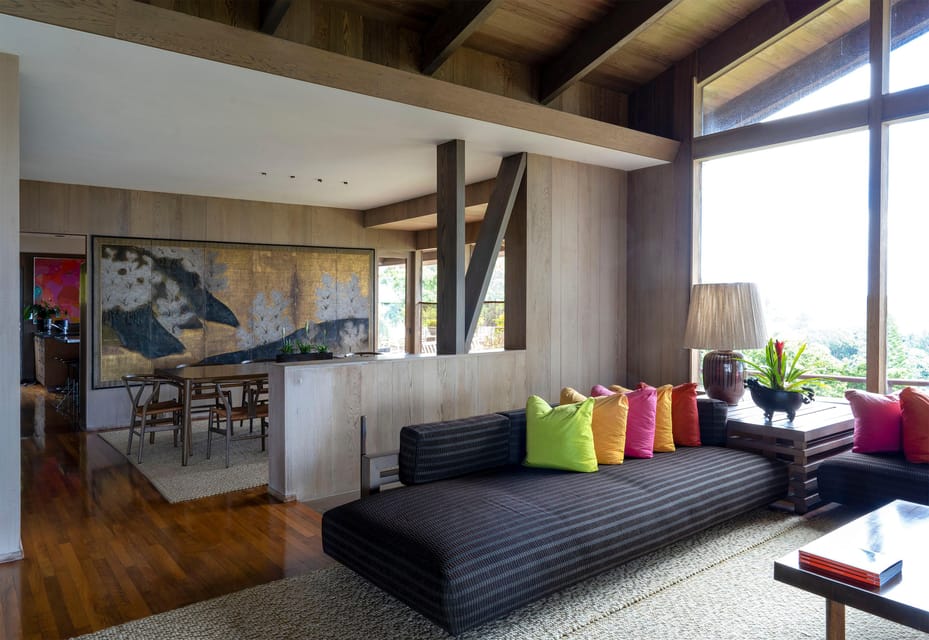
- Original furnishings and artworks help you read the house like a lived-in design
- Ossipoff’s design principles, especially how views are framed, get explained clearly
- The Liljestrand Foundation’s preservation mission is part of what you’re supporting
- Wood floors mean shoe removal, so yes, you’ll go barefoot or in socks for parts of the visit
- Live English guide, including docents with first-hand connection to Ossipoff, like Perry
Why the Liljestrand House is more than a pretty building
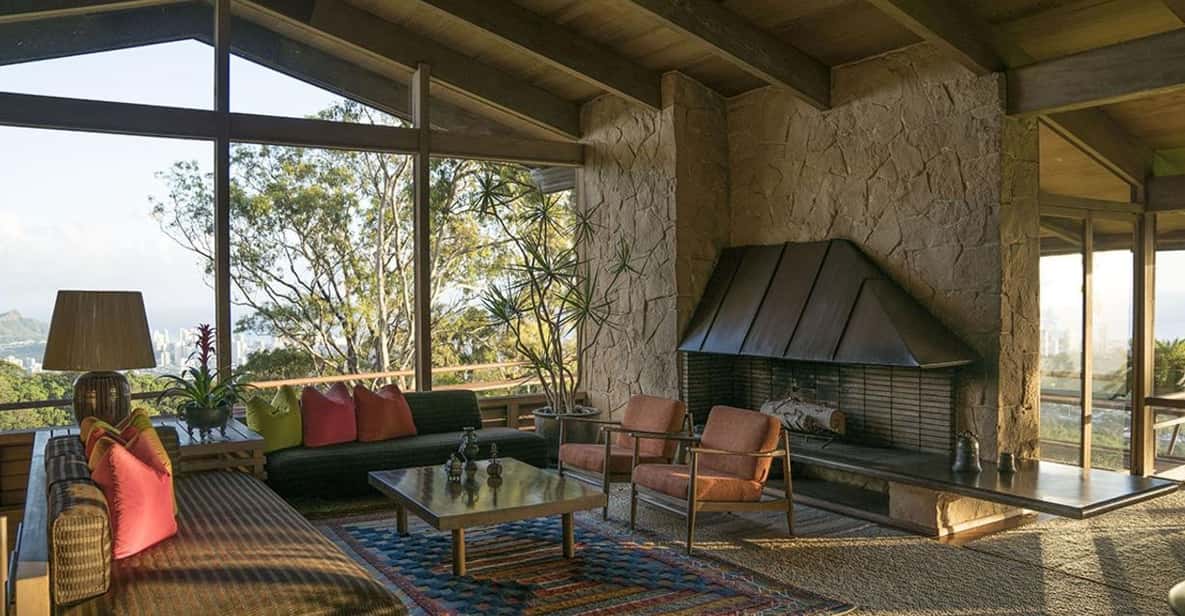
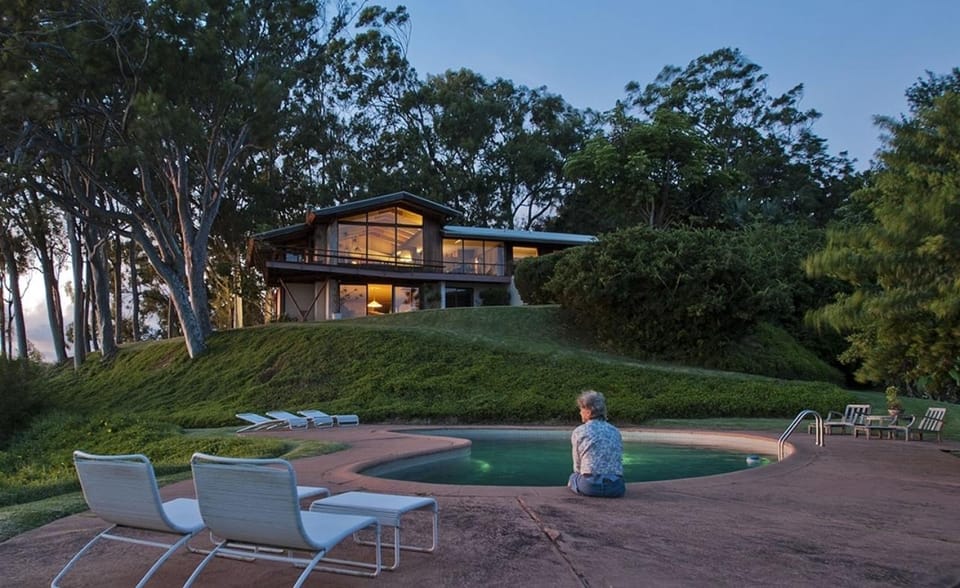
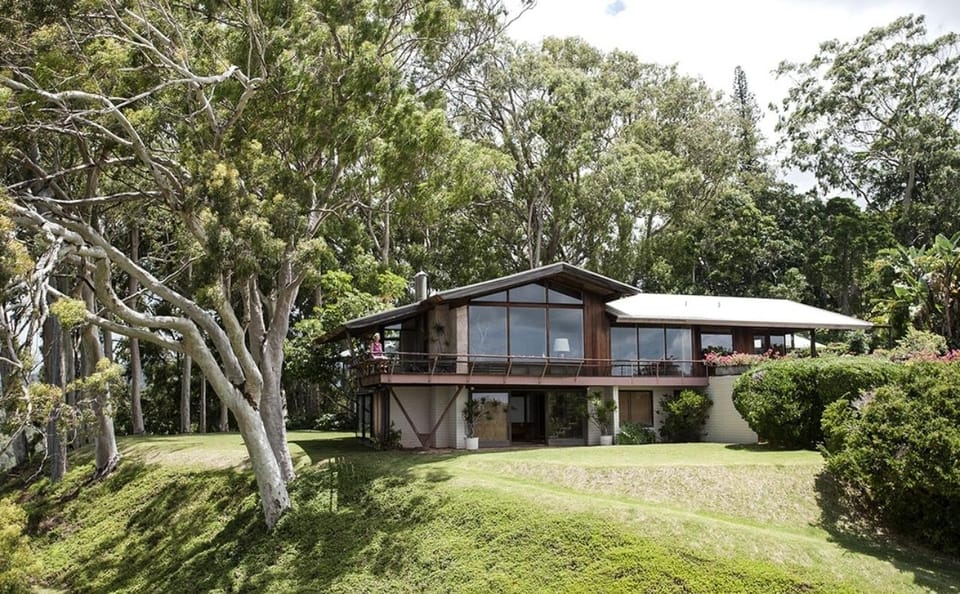
The Liljestrand House is one of those places where architecture fans and casual sightseers can both get something. You’re not just touring rooms. You’re learning how an era of design tried to respond to Hawaii—its light, breezes, and the pull of the outdoors.
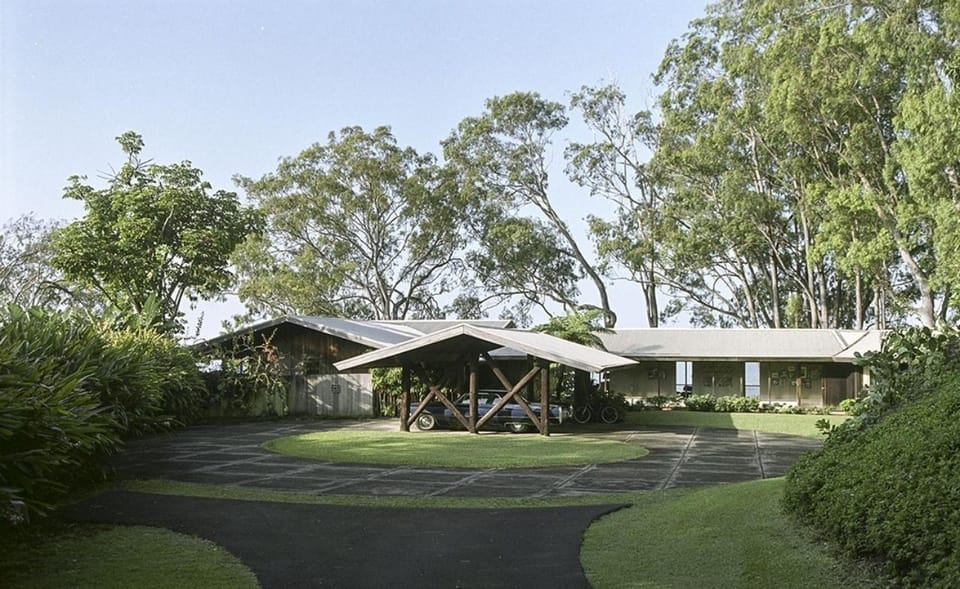
What makes this tour click is its tight focus. You spend your time on the parts that explain how and why the house works. That includes the preserved mid-century character, the preserved interior feel, and the design thinking credited to Vladimir Ossipoff.
And because it’s a foundation-run preservation site, you’re also supporting the effort to keep the house available for education and cultural enrichment. That matters, because mid-century homes can be easy to demolish or quietly “update” out of existence.
You can also read our reviews of more tours and experiences in Honolulu.



The 90-minute flow: what happens during the tour
The tour runs for 90 minutes with a live English guide. It’s paced for a small group, capped at 10 participants, so you’re not herded like a slow conveyor belt.
You can expect the visit to feel like a guided reading of the house. The guide moves you through key spaces and points out design decisions that might otherwise look like good taste. The goal is to help you understand the architecture as a system: arrangement, sightlines, materials, and how the interior connects to outdoor life.
Because it’s a house, the tour isn’t endless. Instead of rushing through lots of rooms, you’ll get enough time in each important area to notice details like how objects are positioned and how the space feels when you’re standing where the design intended.
Inside a preserved mid-century home: what you’ll actually see
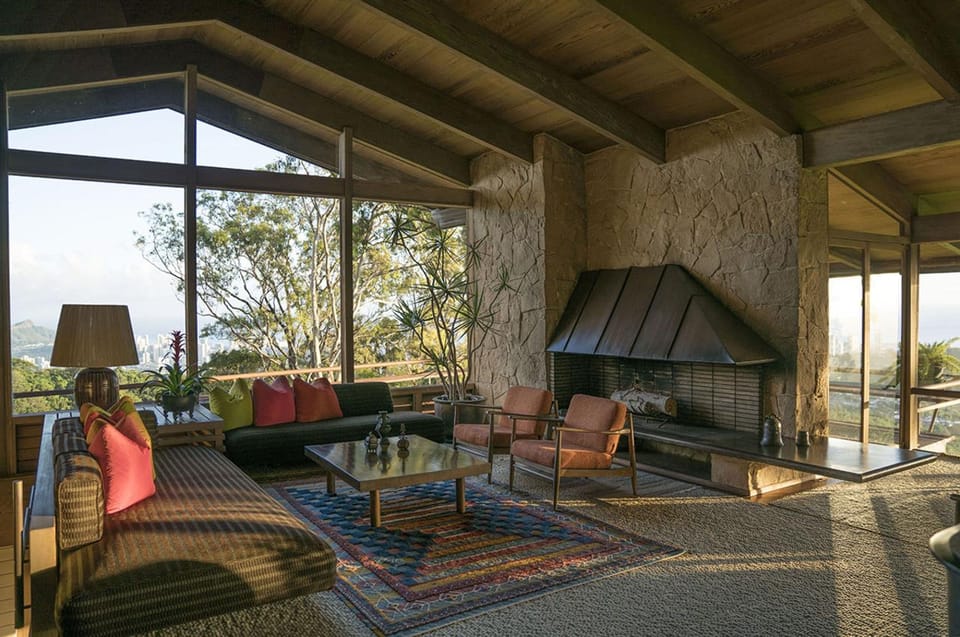
One of my favorite parts is the way the house stays preserved rather than fully staged. The tour highlights the original furnishings and artworks, which gives you clues about how the Liljestrand family lived in the space.
That matters because architecture can feel abstract when you only see walls and windows. Here, you can connect design to daily life. You can also spot the care put into maintaining the character of the home, down to the way the layout supports comfort and movement.
As you move through rooms, look for how the house handles light and openness. Even without being told, you’ll start to see that Ossipoff’s choices weren’t random. They were aimed at making the house feel connected to its setting and to everyday routines.
Vladimir Ossipoff: the design brain behind the views
Ossipoff’s influence is the heart of the tour, and the guide’s job is to make his design principles understandable in plain language.
A major theme is view management—not just having a view, but controlling where your eye goes. You’re being trained to notice sightlines: where the house directs you, where openings frame what’s outside, and how the interior layout supports that experience.
The tour also focuses on how Ossipoff worked with natural materials and design choices that fit the environment. That’s a good reminder that modern architecture in Hawaii wasn’t just “copy-paste modern.” It was modern thinking adapted to local realities—sun angle, indoor-outdoor living, and comfort.
If you like design details, this part will feel like the tour finally gives you the key to reading the place. If you’re not an architecture nerd, you’ll still get a clear story: the house has a logic, and once you see it, the rooms make more sense.
How the Liljestrand family story lands in the rooms
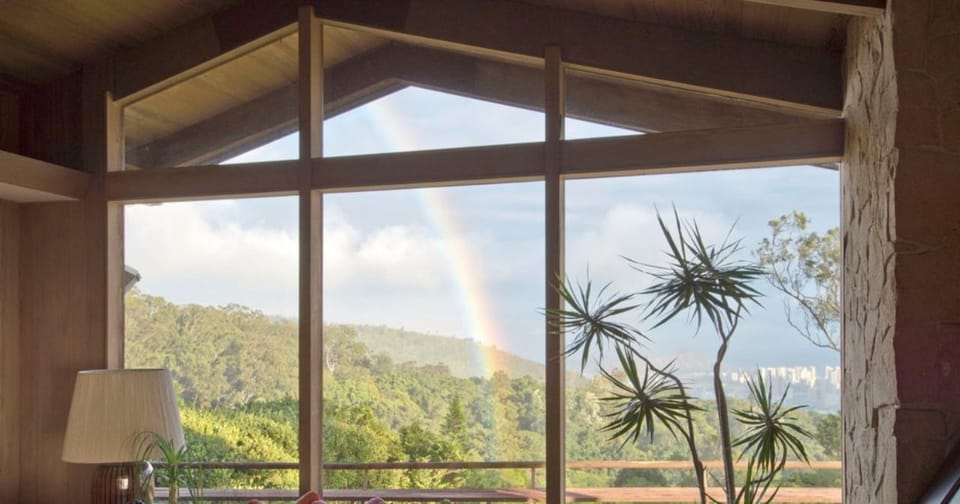
This isn’t only about a designer and a building. You also learn about the Liljestrand family and their long friendship with Ossipoff. That personal connection is what turns a house from a static artifact into something human.
The guide helps you understand the house as a place shaped by relationships and preferences, not just by professional plans. When original items are still here, they act like evidence. They show what mattered to the people who lived there—style, function, and the feeling they wanted in everyday life.
I like tours that explain context without turning into a lecture. This one aims for that balance. You’re left with a stronger sense of how design decisions connect to real people, real taste, and how they used the spaces.



The guide matters: what you should listen for
A standout theme from the experience is the quality of the docent. One guide, Perry, was highlighted for bringing in-depth, informative interpretation, plus extra perspective from real connection to Ossipoff.
That’s exactly what you want from a house tour. The guide should help you notice things quickly: the right angles, the meaningful material choices, and the “why” behind what you’re seeing. When the docent has lived context or personal familiarity, it tends to make the explanations feel less like facts on a page and more like walking with someone who cares.
So during your tour, don’t just look at what’s pretty. Listen for explanations of how the house shapes what you see and how the design supports daily living. That’s where the tour feels most worth it.
Price and value: is $78 fair for 90 minutes?
At $78 per person for a 90-minute small-group tour, you’re paying for access plus expert interpretation. This isn’t a self-guided stroll through a public building where you can read a few signs.
The value is strongest if you care about design details—especially mid-century architecture and the way architects respond to place. The preserved interior matters here, and the foundation preservation mission adds a practical reason to go beyond sightseeing.
If you’re mainly hunting for big-name landmarks, you might find it pricier than a casual outing. But if you enjoy quality explanations and want to learn how Hawaiian modern architecture was designed to work, $78 starts to make sense fast.
The “small group” limit is part of the value too. With only 10 participants, you typically get more attentive guidance and less waiting around.
Practical tips: shoe policy, heat, and what not to bring
Plan for your feet first. Because the wood floors are fragile, the tour asks you to remove your shoes. That can mean socks only or other floor-friendly options your guide provides. Either way, wear shoes you can get on and off easily.
Next up: the house is not air-conditioned. In summer and fall, it can be quite hot. I’d treat this like a weather-dependent experience: go earlier, bring water if allowed in your group’s instructions, and wear breathable clothing.
Also keep your bag light. Pets, backpacks, large bags, tripods, extension poles, and selfie-sticks are not permitted. The rules help protect the home and keep paths clear. If you’re used to travel photography gear, double-check what you’re carrying before you arrive.
Finally, no smoking or vaping is allowed. It’s a straightforward rule, but worth noting if you’re traveling with smokers in your group.
Who should book this tour (and who might skip it)
This tour is a great fit for people who like architecture, design explanations, and preserved homes with original furnishings and artworks. If you enjoy learning how designers shaped views and movement through a space, you’ll probably leave thinking about it for days.
It’s also a strong choice for anyone who wants a smaller, calmer experience. The 10-person max makes it feel more like a guided visit than a crowd event.
The tour is not suitable for children under 10, so plan accordingly if you’re traveling with kids. If you’re bringing a younger child, you’ll likely want a different kind of activity.
If you’re sensitive to heat or you strongly dislike removing shoes, factor that in ahead of time. The architecture is worth it to many people—but the comfort details are real.
Should you book the Honolulu Liljestrand House Architectural Tour?
Book it if you want a focused, expert-led look at Hawaiian modern architecture—especially if Ossipoff and mid-century design interest you. The preserved interiors, the emphasis on design principles like view management, and the quality of docent interpretation (including guides like Perry) are exactly the kind of reasons this tour earns its strong reputation.
Skip it or reconsider if you need air-conditioning, or if removing shoes and hot indoor temperatures would make the visit uncomfortable. Also, if your idea of a great trip is lots of outdoor time and minimal rules, this is a house tour with clear constraints.
If you match the vibe—design-minded, curious, and okay with a warm, shoe-free interior—you’ll likely find the 90 minutes well spent.
FAQ
Where is the Liljestrand House Architectural Tour located?
It’s in Honolulu, Hawaii, United States.
How much does the tour cost?
The price is $78 per person.
How long is the tour?
The tour lasts 90 minutes.
How many people are in the group?
It’s a small group limited to 10 participants.
Is there a live guide?
Yes. You’ll get a live tour guide in English.
Is the house air-conditioned?
No. The house is not air-conditioned, and it can be quite hot during summer and fall months.
Do I need to remove my shoes?
Yes. Because of the fragile wood floors, you’re asked to remove your shoes.
Are pets or big bags allowed?
No. Pets, backpacks, and large bags are not permitted.
Are smoking or vaping allowed?
No. Smoking and vaping are not allowed.
Can I get a refund if I cancel?
Yes. There is free cancellation up to 3 days in advance for a full refund.