REVIEW · HONOLULU
Honolulu: Magic Island & Beach Segway Tour
Book on GetYourGuide →Operated by Sidewalk Surfing Tours · Bookable on GetYourGuide
Honolulu is pretty even when you stay put, but seeing Magic Island and the coast from a Segway adds motion, wind, and fresh angles. This 2-hour, small-group ride pairs classic landmarks like Diamond Head and Waikiki with quieter spots along Ala Moana and Kaka’ako.
I love that the route is designed for an easy pace, with no hills to fight, so beginners don’t spend the whole time white-knuckling the handlebars. I also like the practical, bilingual guidance, with English and Japanese support plus a warm, patient teaching style (Timon is one guide name that shows up in the experience).
One thing to consider: this tour isn’t for everyone. There’s a minimum age of 9, and it’s not suitable for people with back problems or wheelchair users.
In This Review
- Key points to know before you go
- Entering Honolulu’s best Segway-friendly corridor
- Meeting at Kewalos Basin Park and getting your footing
- Ala Moana Park: greenery, ocean air, and an easy start
- Magic Island Lagoon: calm water and iconic Honolulu angles
- Kaka’ako Waterfront Park and Point Panic: coastal drama, easy riding
- Ehime Maru Memorial: a quiet, meaningful pause
- Kaka’ako Park lookout: where your photos actually get better
- What the Segway training really gives you
- Who this tour fits best (and who should skip it)
- Price and value: why $156 can make sense
- Practical tips so you enjoy the ride more
- Should you book Honolulu: Magic Island & Beach Segway Tour?
- FAQ
- What’s the duration of the Honolulu Magic Island & Beach Segway Tour?
- How much does the tour cost?
- Where do I meet the guide?
- What’s included in the price?
- Are there weight, health, or mobility restrictions?
- What languages are the guides?
- Is the route beginner-friendly?
- Is food or drink allowed during the tour?
Key points to know before you go
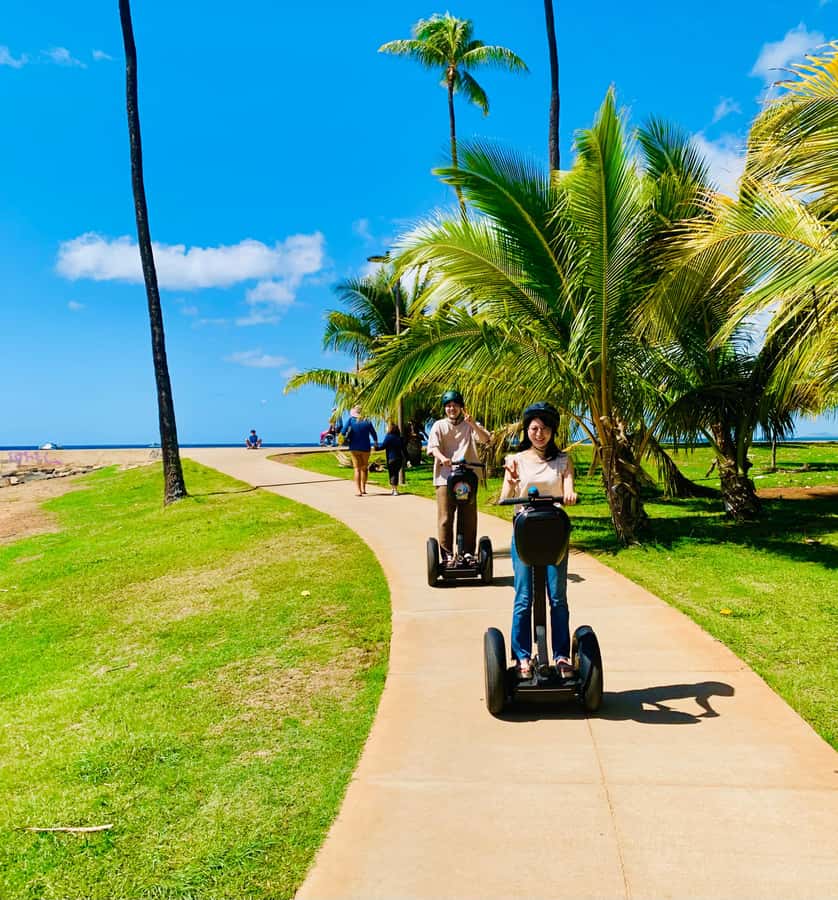
- Flat, beginner-friendly route: You’ll spend most of your time on an easy-glide path with no hills to navigate.
- Big photo views in a short loop: Ocean viewpoints like Kaka’ako Park are built in, so you aren’t just riding—you’re stopping for photos.
- Iconic Honolulu landmarks from the distance: You’ll catch Diamond Head and Waikiki in the background while moving through the neighborhoods.
- Historic stop at Ehime Maru Memorial: A calm moment that gives the tour more meaning than just sightseeing.
- Small group (up to 7): More room to learn, ask questions, and get comfortable before you roll.
Entering Honolulu’s best Segway-friendly corridor
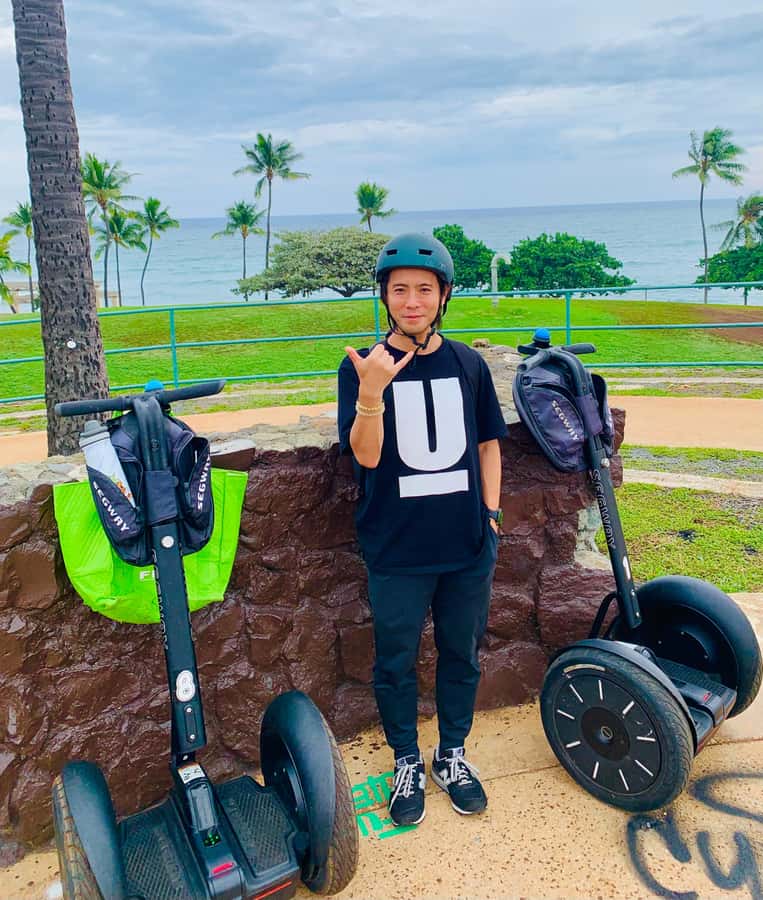
This tour is a smart choice if you want Honolulu scenery without committing to long drives or a full-day schedule. You’re based around central oceanfront areas—Ala Moana and Kaka’ako—so the feel is walkable and scenic, not rushed and traffic-heavy.
The big selling point is that the ride is built around comfort. The tour focuses on flat paths, which matters more than people think. On a Segway, hills can turn a fun outing into a balancing test. Here, you can focus on steering, staying relaxed, and enjoying the breeze.
You’ll also get a small-group setup, limited to 7 participants. That size makes a difference for first-timers. Training and corrections can happen faster, and you won’t feel like you’re being swallowed by a big crowd.
You can also read our reviews of more tours and experiences in Honolulu.

Meeting at Kewalos Basin Park and getting your footing
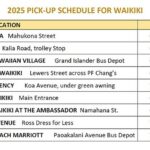
You start at Kewalos Basin Park pier, next to the food trucks and the Makani Catamaran tour counter. There’s a large letter sign that says Food Trucks, and the Segway practice begins there in the parking lot.
Before you roll out on the main route, you’ll do Segway training and get helmeted up. This early practice is part of why the tour works well for people who are nervous at first. Even if your first attempt feels wobbly, the guide has time to help you get your balance before you’re exposed to the wider sights.
Logistically, this meeting point is useful: you’re not trying to find a tiny office in a maze of hotels. It’s right where you’d expect an activity hub—near the pier and food trucks—so you can arrive, check in, and get ready without guessing.
Ala Moana Park: greenery, ocean air, and an easy start
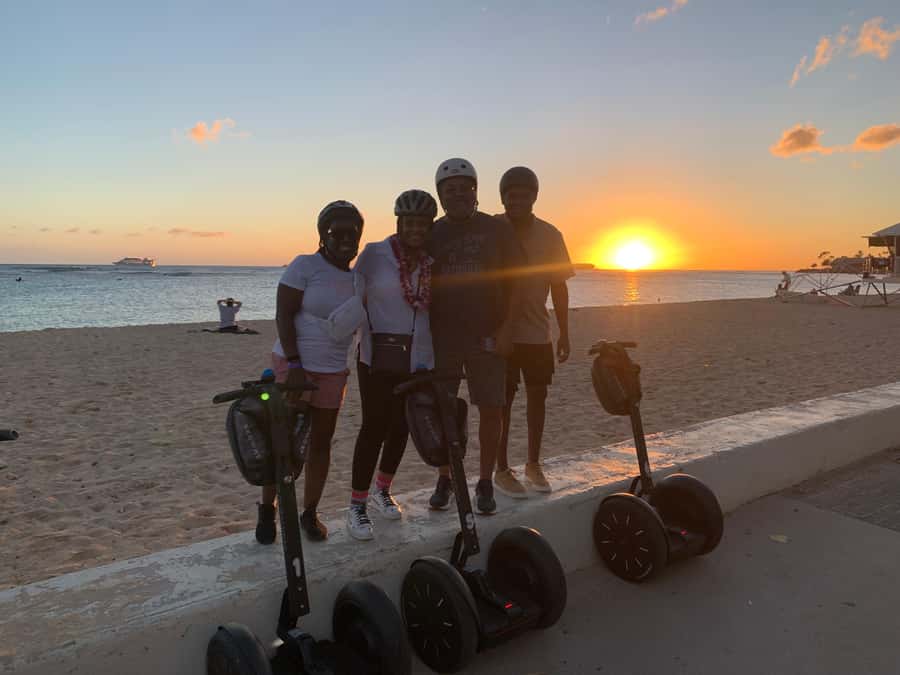
The tour begins by moving through Ala Moana Park, which is one of the best places to learn in Honolulu’s coastal environment. You get lush greenery, open sight lines, and frequent chances to look toward the water while still staying on a manageable route.
Why that matters: when you’re learning Segway basics, it helps to have space and visibility. Ala Moana Park gives you both. You don’t feel trapped in tight turns, and you’re not staring at the ground the whole time just to stay steady.
As you ride, you’ll also pass by the Ala Moana Center area and the lively Ala Moana Beach zone. Even from a Segway, you get the “I’m in Honolulu” feeling fast—shops, beach energy, and the sense that everything is close.
Magic Island Lagoon: calm water and iconic Honolulu angles
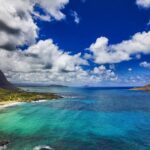
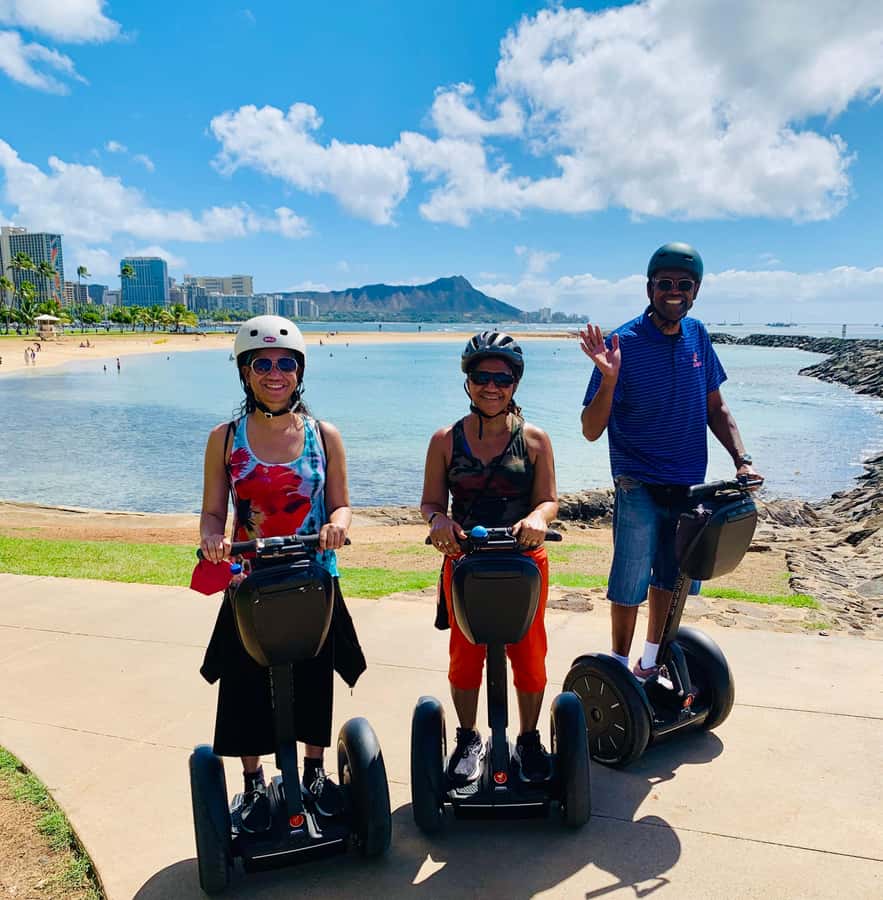
Then you head toward the highlight area: Magic Island Lagoon. This is the kind of spot where you slow down naturally, because the view does half the work for you. The lagoon area is visually quiet compared to the bustle elsewhere, so you can focus on the ocean light and the shoreline.
You’ll also see famous Honolulu geography from the road. Diamond Head and Waikiki show up in the distance, giving your photos that classic postcard framing. The best part is that you’re not stationary for long. You get motion, wind, and changing angles as you glide.
If you like taking pictures, this is one of the stops where it clicks. You can capture scenic ocean view shots without waiting for the perfect moment for crowds. The tour is designed to give you time to stop and shoot.
Kaka’ako Waterfront Park and Point Panic: coastal drama, easy riding
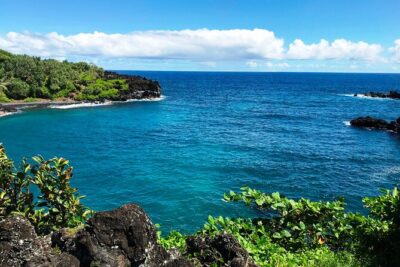
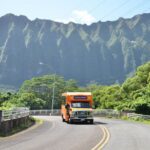
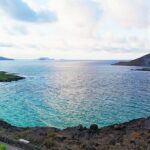
Next comes a shift toward Kaka’ako Waterfront Park and the Point Panic lookout area. This part is all about coastal perspective. The coastline looks more dramatic here, and the water lines feel more defined—so your photos often come out with stronger contrast.
Point Panic is especially good if you want that “this is why people come to Oahu” feeling. You’re higher than the beach level in typical lookout fashion, which makes the horizon look bigger. Even in a short tour, this makes the ride feel like more than a loop.
It stays beginner-friendly, too. The important detail is that the route avoids hills, so the effort stays low while the scenery stays high. That combination is what keeps the experience relaxed.

Ehime Maru Memorial: a quiet, meaningful pause
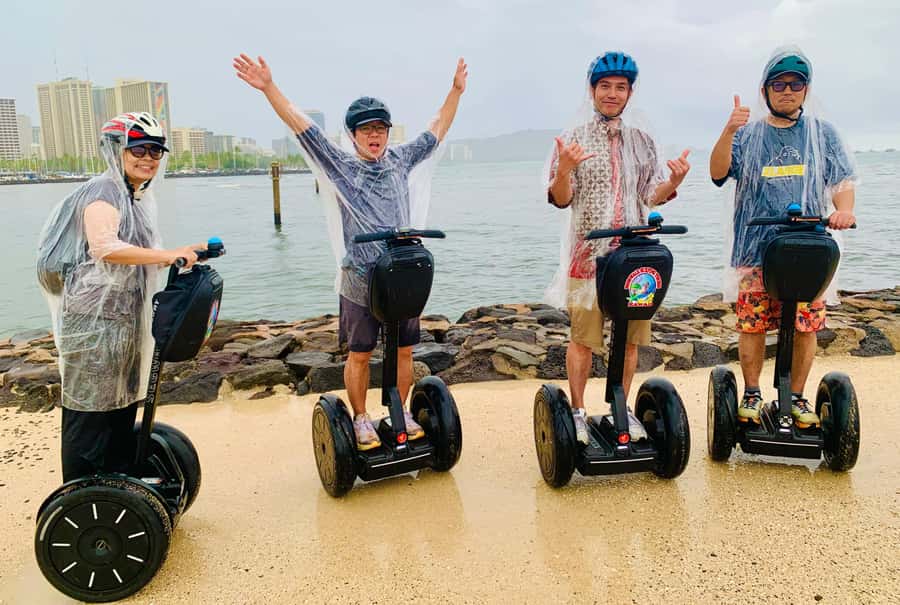
You’ll also pass the Ehime Maru Memorial. This is a respectful stop that adds context beyond ocean views and landmark photos.
Practically, it’s also a useful break. After you’ve been rolling for a bit and taking in the coast, you get a calmer moment where the pace naturally slows. If you like travel that has a human side, this stop is a good fit.
The tone here is more reflective than celebratory. That’s not a flaw—it’s a nice balance inside a short, fun activity.
Kaka’ako Park lookout: where your photos actually get better
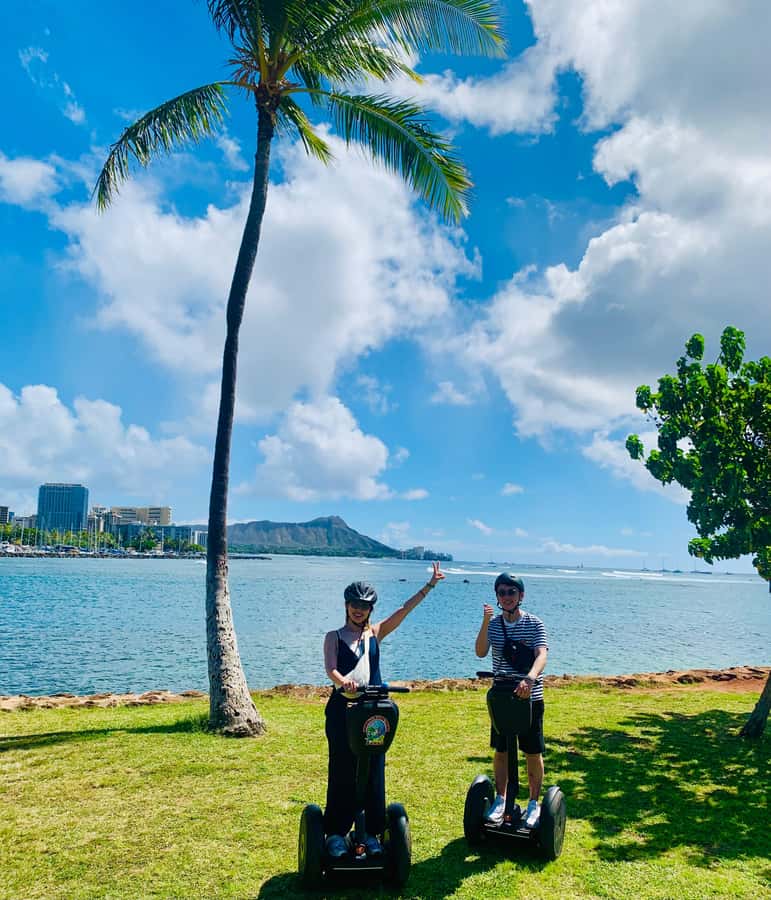
After the memorial, you continue to the Kaka’ako Park lookout. This is where the tour earns its “photo-friendly” reputation. The views are designed for pictures, and the riding continues at a pace that doesn’t make you feel rushed.
If you’re thinking, I want to leave with something better than phone screenshots of ocean, this is the part to pay attention to. Stand still, take a few frames, and let the horizon line do the work. The tour also gives you moments to stop so you’re not snapping while you’re still learning to ride.
And yes, you’ll likely notice the wind more than you expect. That wind is part of the fun. It makes the experience feel like you’re actually outside in Hawaii rather than just moving through it.
What the Segway training really gives you
A two-hour Segway tour can be either a quick thrill or a smooth, confidence-building experience. The difference comes down to training and how the guide handles first-timers.
The included helmet and training matter, but so does how quickly you’re taught the basics: balance, how to steer calmly, and how to keep your focus up instead of down. In the feedback, people highlight that the instruction is clear and that you can get the hang of it surprisingly fast.
Language support is another plus. The tour offers English and Japanese, and guide help in Japanese is mentioned as especially reassuring—particularly for families and first-timers. Even if you speak English well, bilingual guidance can reduce anxiety because you feel like nothing gets lost.
Who this tour fits best (and who should skip it)
This tour is best for you if you want a short, scenic Honolulu experience with minimal physical strain. Because the route avoids hills and the pacing is relaxed, it works for both beginners and experienced riders who just want a pleasant loop.
It’s also a good match for people who prefer small-group attention. With up to 7 participants, you have a better chance of getting help when you need it.
Skip it if you’re dealing with back problems, need wheelchair access, or have a child under 9. The tour is built around the Segway experience, and the physical requirements aren’t set up for those situations.
Price and value: why $156 can make sense
At $156 per person for a 2-hour guided Segway tour, this isn’t a budget activity. But it’s also not an expensive “just ride around” option. You’re paying for three things that usually cost extra when they’re missing:
- Training plus gear (helmet, guide instruction) so you aren’t figuring it out on your own
- A curated route across multiple standout areas in a short time window
- Guided stops at viewpoints and an included historical memorial moment
You’re also not doing this alone. The small group setup helps you learn comfortably, and the guide keeps the experience moving at the right speed.
If your travel style is a mix of classic sights and hands-on fun, this price is easier to justify. If you’re just trying to tick off a single landmark, a cheaper walking tour might suit you better. But if you want the sensation of gliding between beach neighborhoods and viewpoints, the cost-to-experience ratio is fairly reasonable.
Practical tips so you enjoy the ride more
This tour is straightforward, but a few choices will help you feel comfortable from start to finish.
Bring comfortable shoes and wear clothes that can handle Hawaii sun and coastal wind. You’ll want a camera, since the route includes multiple scenic spots where stopping is part of the plan.
Don’t plan on snacks. Food and drinks aren’t allowed during the tour, so do eat before you arrive and bring water expectations accordingly. The tour info points you toward packing water, sunscreen, and a camera—follow that.
Also, consider timing. One experience note highlights that morning can feel easier on the body thanks to less harsh sun and more comfortable wind. If you have scheduling flexibility, morning is often a win for photo and comfort.
Should you book Honolulu: Magic Island & Beach Segway Tour?
Book this tour if you want an easy Segway intro that still delivers real Honolulu highlights: Magic Island Lagoon, Ala Moana Park, Ala Moana Beach area, Kaka’ako Waterfront Park, Point Panic, and the Ehime Maru Memorial. It’s a great “two-hour satisfaction” activity—fun, scenic, and structured.
Don’t book if your situation doesn’t match the requirements. Age minimum is 9, and it’s not suitable for back problems or wheelchair users. And if you hate being out in the sun, make sure you can handle sunscreen and weather-wind exposure.
FAQ
What’s the duration of the Honolulu Magic Island & Beach Segway Tour?
It runs for 2 hours total.
How much does the tour cost?
The price is $156 per person.
Where do I meet the guide?
Meet at Kewalos Basin Park pier, next to the food trucks and the Makani Catamaran tour counter, next to the large sign that says Food Trucks.
What’s included in the price?
You get a live tour guide, a helmet, and Segway training.
Are there weight, health, or mobility restrictions?
The tour is not suitable for people with back problems or wheelchair users, and participants must be at least 9 years old.
What languages are the guides?
The tour is guided in English and Japanese.
Is the route beginner-friendly?
Yes. The route is designed for a leisurely ride with no hills to navigate.
Is food or drink allowed during the tour?
No. Food and drinks are not allowed during the tour.