REVIEW · HONOLULU
Battleships of World War II Departing from Waikiki Area
Book on Viator →Operated by Pearl Harbor Oahu · Bookable on Viator
Pearl Harbor hits harder from the water. This small-group day ties together the tragedy of USS Arizona with the dramatic turning point on USS Missouri, then adds a bit of Hawaii’s royal history. I especially love how the itinerary keeps moving without feeling rushed, and you get guided context right when it matters. One possible drawback: this is a full-day grind in warm weather, with a lot of walking and some sites that can close due to conditions.
The best part is the balance: solemn memorial time, followed by a walk on a living piece of WWII history that ends with the surrender story. I also like that pickup and key admissions are handled for you, so you’re not fighting lines or figuring out logistics at the last minute. If you’re hoping for a museum-heavy Pearl Harbor visit, note that museums are not part of this plan, so you may need a different tour for that.
In This Review
- Key highlights to look for before you go
- WWII battleships plus royal Honolulu: why this mix works
- Pickup from Waikiki and how to plan your 7 to 9 hour day
- Pearl Harbor Visitor Center first: exhibits, the 23-minute film, then the harbor ride
- USS Arizona Memorial: open-air reflection and the names on the wall
- Walking USS Missouri: the last battleship, MacArthur and Nimitz footprints, and surrender drama
- USS Oklahoma Memorial: a land-based look at another massive loss
- Downtown Honolulu, Punchbowl crater views, and the feeling of scale
- Iolani Palace and historic government spaces: Hawaii’s monarchy in short form
- What you’re really paying for at $122.99 per person
- Practical stuff that makes or breaks the day
- Should you book this WWII battleships day from Waikiki?
- FAQ
- What is the duration of the tour?
- Does the tour include hotel pickup in Waikiki?
- What time does the tour start?
- Are the admission tickets included?
- Is the USS Arizona Memorial boat ride included?
- Will I visit Pearl Harbor museums?
- Is lunch included?
- Can I bring a bag into the Pearl Harbor area?
- Is the tour mostly walking?
- What if the memorial sites close due to weather or repairs?
- What is the cancellation policy?
Key highlights to look for before you go
- Small-group pacing keeps the day feel personal, with a maximum cap listed for this activity
- Guided narration on the way in so you’re not just staring at plaques with zero context
- Arizona boat ride included, with the memorial’s quiet, reflective setup
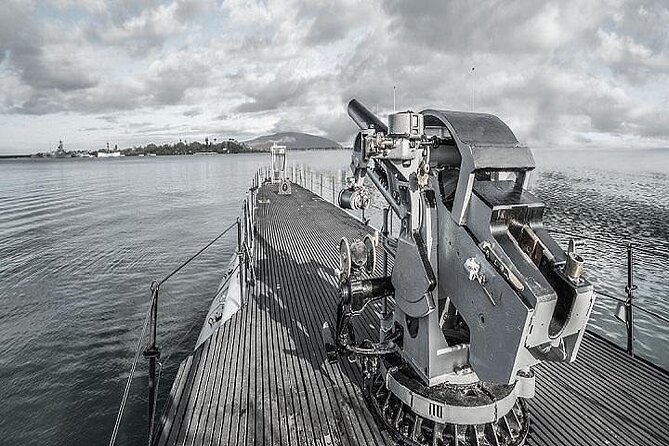
- USS Missouri deck tour and surrender story, plus areas tied to officers, crew quarters, artillery, and ceremony elements
- Punchbowl cemetery and viewpoints that make the time feel more than just a history stop
- Iolani Palace and Church area learning, a short but meaningful look at Hawaii’s kingdom
WWII battleships plus royal Honolulu: why this mix works
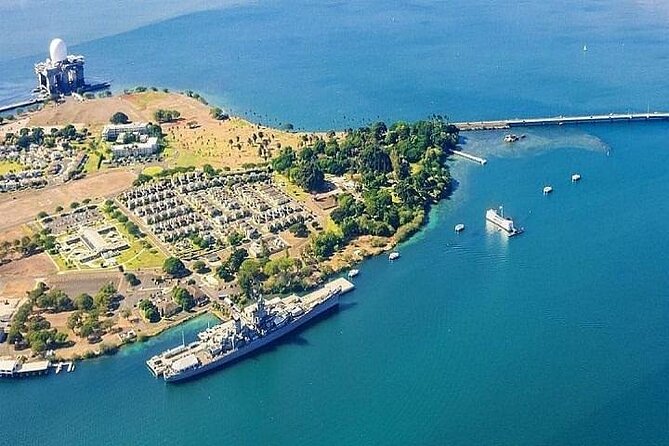
This isn’t just a Pearl Harbor checklist. It’s a day built around cause-and-effect: what happened on December 7, 1941, how the war turned from disaster toward surrender, and then how Hawaii’s own story continued after the smoke cleared.
The WWII battleships portion gives you two emotional bookends. First comes the USS Arizona Memorial, designed for reflection. Then you step onto USS Missouri, a ship that played a key role in ending the war. That change in mood isn’t accidental. It helps you understand Pearl Harbor not as a single moment, but as a hinge in modern history.
Then you add two Hawaii anchors: the view from the National Memorial Cemetery at Punchbowl and time around Iolani Palace (plus the nearby Aliʻiōlani Hale area and the Kamehameha statue). Even in just a few stops, you get a feel for how the islands’ royal era and its later U.S. ties shaped what visitors see today.
You can also read our reviews of more tours and experiences in Honolulu.

Pickup from Waikiki and how to plan your 7 to 9 hour day
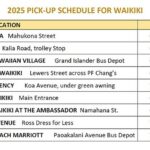
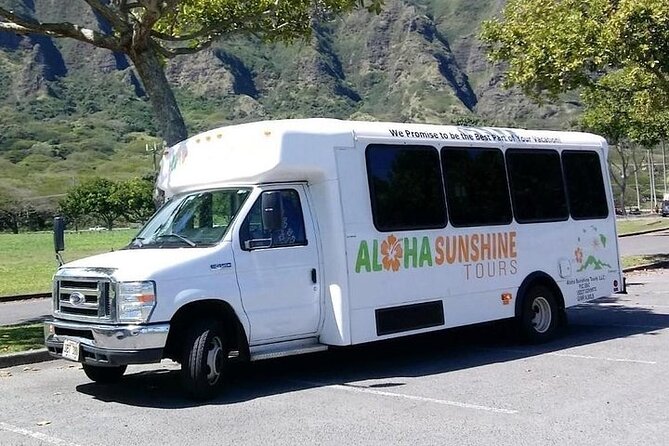
This starts early: 7:00 am pickup from most Waikiki hotels. If you’re flying in on Southwest or Hawaiian, there are specific pickup points at the Honolulu airport terminals listed in the booking details, which can make arrivals easier.
The day runs about 7 to 9 hours, and it’s built as a sequence: boat ride, memorials, then a long guided deck experience, then city highlights. You’ll be sitting in an air-conditioned vehicle during transitions, but you’ll also do plenty of walking once you’re on-site.
A practical tip: wear shoes that handle uneven areas and lots of steps. Even if you feel fine at 9 am, warm weather and memorial-stroll pacing can catch up by late morning.
Pearl Harbor Visitor Center first: exhibits, the 23-minute film, then the harbor ride
You’ll begin at the Pearl Harbor Historic Sites Visitor Center, where you can explore exhibits that set the stage for the attack on December 7, 1941. The included documentary runs about 23 minutes and gives you the big-picture arc—what led up to the attack, what happened during it, and why the USS Arizona Memorial matters.
Then comes one of the more underrated parts of the day: you board a U.S. Navy-operated boat for the short ride across the harbor to the memorial. It’s typically calm and gives you visual context for the military installations around you. In other words, you’re not just learning history—you’re watching the geography that shaped it.
Tickets for these attractions are provided by your guide the day of the tour, so you aren’t juggling paperwork while you’re trying to get seats on the boat.
USS Arizona Memorial: open-air reflection and the names on the wall
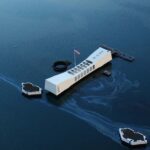
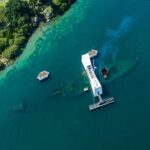
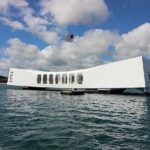
The USS Arizona Memorial is a white, open-air structure spanning the remains of the sunken battleship. The design encourages quiet, and the atmosphere is meant for remembrance, not sightseeing.
Inside, you can look down into the water to see parts of the wreck. You may notice the “outline” of the ship below the surface, and oil droplets sometimes rise to the water—often referred to as The Tears of the Arizona. It’s the kind of detail that makes the place feel personal, not like a movie set.
At the far end, the Remembrance Wall lists the 1,177 crew members who were lost aboard USS Arizona. When you’re standing there, the scale hits. It turns the story from dates and headlines into names and human cost.
Respectful silence is encouraged here, and honestly, you’ll understand why once you’re inside. You don’t need to force emotion. The memorial’s setup does that work for you.
If a closure happens. The sites can be affected by conditions, and you may sometimes get alternate viewing if access is limited due to repairs. I’d build your day with the mindset that the experience is still meaningful even if you can’t go exactly where you planned.
Walking USS Missouri: the last battleship, MacArthur and Nimitz footprints, and surrender drama
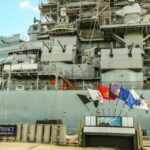
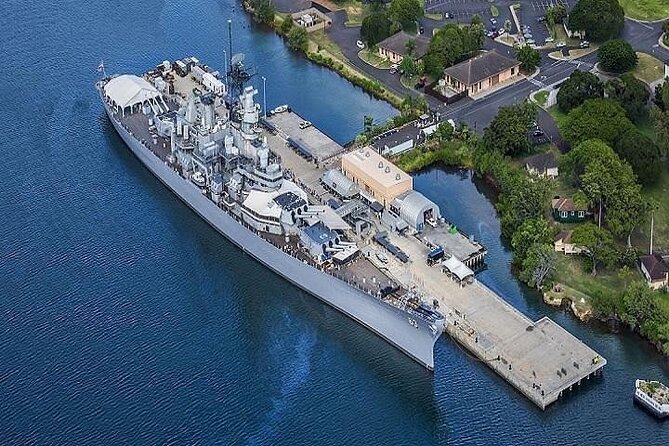
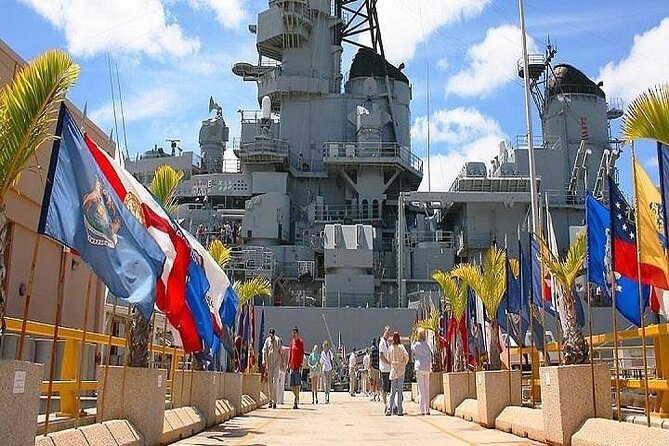
After Arizona’s quiet, USS Missouri Memorial is where the day gains momentum. You’ll walk the deck of the last battleship the U.S. ever built, and you’ll follow guided routes that include areas tied to major figures and key WWII moments.
This guided deck tour includes:
- viewing officer and crew quarters
- stops around artillery
- a kamikaze aircraft crash area (a sobering reminder of how the war was fought)
- elements tied to the surrender story
The big highlight: it was on the deck of USS Missouri in 1945 that the Instrument of Surrender was signed, helping end WWII. That’s not just a line in a brochure. Walking where it happened makes the end of the war feel less abstract.
The footsteps of General MacArthur and Admiral Chester Nimitz are part of the experience too—small markers that help you place the people behind the decisions.
One consideration: since this is a deck walkthrough, you’ll be on your feet for much of the stop. If heat is an issue for you, plan to pace yourself and take advantage of shade whenever it appears.

USS Oklahoma Memorial: a land-based look at another massive loss
Next is the USS Oklahoma Memorial, the only land-based memorial at Pearl Harbor. It honors more than 400 servicemen who were lost aboard the ship during the attack on Dec. 7, 1941.
This stop matters because it broadens the story. Arizona is the headline, but Oklahoma is part of the same day’s tragedy, and it helps you avoid the common trap of treating Pearl Harbor as one ship and one moment.
It also gives you a different kind of viewing—more grounded, less about looking down into water, more about being in a fixed memorial space. If you’ve got limited time, that contrast is useful.
Downtown Honolulu, Punchbowl crater views, and the feeling of scale
After the naval sites, you shift into the city portion. You’ll spend about 45 minutes in downtown Honolulu with narration that mixes Hawaii’s heritage and modern city life.
Then you’ll get a stop at the National Memorial Cemetery of the Pacific, better known as Punchbowl. The cemetery sits on an extinct volcano crater, and it’s one of those places where the setting does half the emotional work. White headstones against lush greenery, plus the stillness of the grounds, makes it feel like a place designed for honor.
The crater also offers wide views: you can see downtown Honolulu, Diamond Head, and the coastline. That combination of memorial and panorama is a powerful way to end the day—especially after spending hours with WWII’s heavy themes.
Iolani Palace and historic government spaces: Hawaii’s monarchy in short form
The last cultural phase focuses on Hawaii’s royal era.
You’ll visit Iolani Palace, the only royal palace in the United States. The guide explains the monarchy and tells stories about King Kalākaua and Queen Liliʻuokalani, the last reigning monarchs. Even with limited time, the palace helps you understand that Hawaii had a full political and cultural system long before Western narratives flattened it.
From the palace area, you’ll also view the King Kamehameha statue, in front of Aliʻiōlani Hale (the historic building that now houses the Hawaii State Supreme Court). Your guide will “talk story” about the original government building, which is a nice touch because it keeps the information grounded in place rather than just facts on a screen.
Nearby, you’ll also stop at Kawaiahaʻo Church, often called the Westminster Abbey of the Pacific. The guide explains its significance and role in Hawaii’s religious history. This is short time, but it gives context for why early institutions and traditions shaped modern community life.
What you’re really paying for at $122.99 per person
At $122.99 per person, you’re not just buying access to memorials. You’re buying an organized day that bundles three big value pieces:
- Pickup and drop-off from Waikiki
This saves you the hassle of figuring out timing, parking, and transit between scattered sites.
- Admission included for major stops
You get the Arizona boat admission, USS Missouri admission, and the shuttle service from the Visitor Center area to the USS Missouri Memorial.
- Live narration that turns stops into a story
The guide’s explanations cover what happened in 1941, plus Hawaii’s royal family and kingdom history. That’s the difference between reading panels and understanding why they’re there.
Is it expensive? It can feel so until you compare it to the cost of buying each part separately and adding your own transport time. This tour is built for visitors who want structure and minimal friction—especially on a day that’s emotionally intense and time-sensitive.
The small group format (maximum cap listed) also matters. You’re not lost in a giant crowd, which makes it easier to hear the guide and move with confidence.
Practical stuff that makes or breaks the day
Here are the rules and realities that matter most:
- Bags and purses restrictions: You can’t bring purses and bags into Pearl Harbor. Instead, you can store bags for $7.00 each.
- Allowed items: Clear plastic bags are allowed if the contents are visible, similar to football-game style clear bags. Bags with medical equipment in lightweight, transparent form are allowed, based on how they’re packed.
- Walk comfort: Wear comfortable shoes; you’ll walk a lot. The tour is not recommended if you cannot walk about four city blocks.
- No smoking on Visitor Center grounds or at the memorial.
- No swimwear (even though you’re near the ocean, this is a formal site day).
- Meals are on your own. You’ll find some on-site dining options at the Visitor Center and near USS Missouri—food trucks, snack stands, and cafes—so you don’t go hangry, but you should still plan for it.
A small-life tip: because bag storage has a fee, pack light. If you can leave extra items in your hotel, you’ll save time and money without stressing.
Should you book this WWII battleships day from Waikiki?
Book it if you want:
- a well-paced, guided Pearl Harbor day with key admissions handled
- strong WWII context plus real time on USS Missouri
- a Hawaii cultural finish with Iolani Palace and the Punchbowl views
Skip it (or consider upgrading) if:
- you’re only interested in museum galleries—this tour explicitly does not include museum visits
- you’re heat-sensitive and don’t want a long outdoor day
- you need a more hands-on, slower paced guide experience rather than a mostly structured route with tickets handled for you
If your goal is a single, organized day that connects the dots between Pearl Harbor and the closing chapters of WWII—while still showing you meaningful pieces of Honolulu—this is a solid choice. It’s the kind of itinerary that makes the memorials feel grounded in story, not just stops on a map.
FAQ
What is the duration of the tour?
It runs about 7 to 9 hours.
Does the tour include hotel pickup in Waikiki?
Yes. Pickup and drop-off are included from most Waikiki hotels.
What time does the tour start?
The start time is 7:00 am.
Are the admission tickets included?
Yes. Admission tickets for the attractions on the tour are provided by your guide on the day of your tour, including Arizona Memorial and USS Missouri.
Is the USS Arizona Memorial boat ride included?
Yes. You board a U.S. Navy-operated boat for the ride to the memorial.
Will I visit Pearl Harbor museums?
No. Museums are not part of this tour. If you want museums, you’ll need a different Pearl Harbor option.
Is lunch included?
No. Meals are at your own expense. There are some on-site dining options near the Visitor Center and near USS Missouri.
Can I bring a bag into the Pearl Harbor area?
Purses and bags are not allowed inside Pearl Harbor. You can store bags for $7.00 each.
Is the tour mostly walking?
Yes. You’ll walk much of the day. It’s not recommended for travelers who cannot walk about four city blocks.
What if the memorial sites close due to weather or repairs?
Sites are subject to closure due to stormy weather, and the experience may be adjusted if access is limited.
What is the cancellation policy?
Free cancellation is allowed. You can cancel up to 24 hours in advance for a full refund; within 24 hours, the amount paid is not refunded.