REVIEW · MAUI
Kayak and Whale Watching Tour
Book on Viator →Operated by Tropical Guides & Outfitters · Bookable on Viator
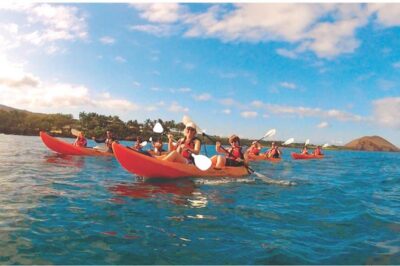
Paddling near humpbacks feels unreal. Off Maui, this is a kayak tour designed for close-but-respectful viewing of humpback whales during their winter migration, mid-December through late March. You’ll start at Makena Landing Park and spend about three hours on the water, with a small group and an experienced guide team (including guides such as Chris and Kris).
I love the way this experience focuses on water-level closeness instead of big-boat distance. You’re not just looking at whales; you’re sharing their space quietly, and the reviews back up the wow factor—sightings can be very close, and whale sounds show up in a way that feels surprisingly intimate.
One consideration: the whales are not guaranteed, and you’re also expected to have moderate physical fitness for kayaking, plus the trip runs only when weather is good.
In This Review
- Quick hits before you book
- Why kayaking with humpbacks in Maui is such a big deal
- Makena Landing Park and the 7:00am start (your day, in plain terms)
- How the 3-hour kayak time typically plays out on the water
- Getting close safely: what guides like Chris and Kris do right
- Whale behavior you can actually notice from a kayak
- What’s included (and what you’ll pay extra)
- Price and value: what you’re really paying $130 for
- Who this trip fits best (and who should think twice)
- Weather, season, and expectations: how to plan smart
- Should you book Tropical Guides & Outfitters for a kayak whale tour?
- FAQ
- Where does the kayak whale watching tour start?
- What time does the tour begin?
- How long is the tour?
- How many people are on the tour?
- Is the tour offered in English?
- What’s included in the price?
- What is not included?
- When can you see humpback whales on this tour?
- Is a whale sighting guaranteed?
- What happens if the tour is canceled due to weather?
Quick hits before you book
- Small group size (max 8) helps keep the experience calm and controlled on the water
- Humpback season timing (mid-Dec to end of March) is when Maui is most reliable
- Water-level views can make whales feel “right there,” with reported up-close moments
- Whale singing is audible from a kayak, which makes the experience feel more alive
- Guide skill matters: spot-and-position technique is repeatedly praised
- Digital photos available lets you buy keepsakes after you get back
Why kayaking with humpbacks in Maui is such a big deal
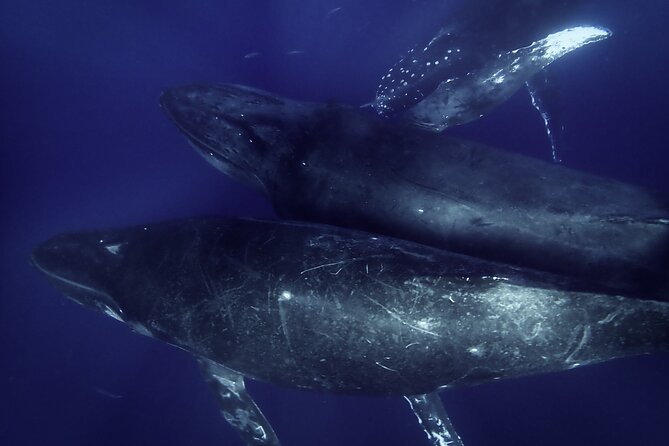
Maui is one of the easiest places to plan a humpback whale trip, because the whales arrive predictably. From mid-December to the end of March, humpbacks migrate into Hawaiian waters, bringing that classic winter show—breaching, fluking, and plenty of surface activity.
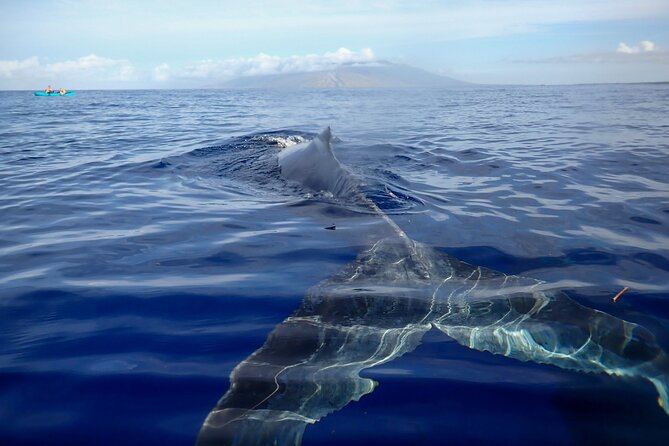
What makes kayaking special here is the perspective. On a kayak, you’re low to the water. That changes everything: you notice movement patterns fast, you feel the calm (or the chop) differently, and when the whales come up, it’s less like watching a wildlife documentary and more like sharing a quiet moment in the ocean.
The “non-invasive” approach is also the point. You’re not going to be chasing whales with engines or crowding them for selfies. The reviews consistently mention that it feels close without feeling scary, which usually means the guide is doing the boring-but-important work: reading whale behavior, choosing the right approach, and keeping everyone safe and in control.
You can also read our reviews of more whale watching tours in Maui

Makena Landing Park and the 7:00am start (your day, in plain terms)
This tour meets at Makena Landing Park, 5083 Makena Rd, Kihei, HI 96753 and starts at 7:00am. It also ends back at the meeting point, so you’re not stuck coordinating transport far from where you began.
Why start early? Two practical reasons:
- You get on the water while conditions are often better for paddling and viewing.
- If you’re hoping for more whale activity, being out earlier in the day generally gives you more opportunities to find the action.
Be ready for a real morning start. If you’re used to beach time that begins at 10am, this will feel brisk. Bring what you need for sun protection and water (the tour includes bottled water, which helps), and plan to keep your energy steady during the paddle portion.
The tour uses a mobile ticket, and it’s offered in English, which makes it pretty straightforward—no printed voucher shuffle. Confirmation is also provided at booking time, so you’re not guessing.
How the 3-hour kayak time typically plays out on the water
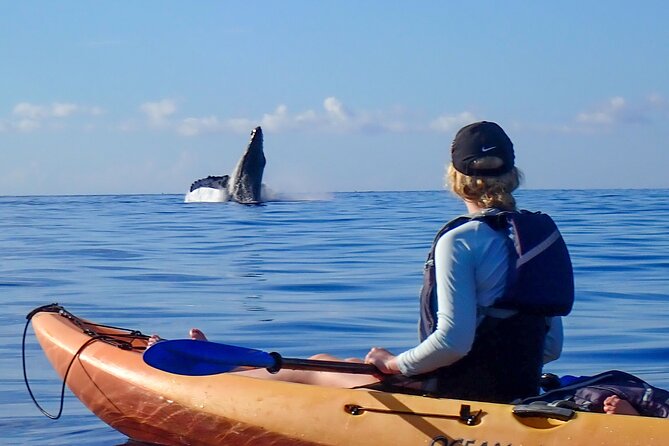
The duration is about 3 hours. That’s a sweet spot for a whale-and-kayak combo: long enough to feel like you actually got out there and made contact with the experience, but not so long that you’re exhausted before the whales even show up.
Here’s what you can reasonably expect during that time window:
- You’ll spend the morning on the water in a small group.
- You’ll paddle in the areas where humpbacks are often seen during this season.
- When whales are spotted, the guide’s job becomes positioning and timing—keeping you close enough for meaningful viewing while maintaining safe distance and calm behavior.
From the reviews, the “best moments” tend to be the ones where whales come up repeatedly and stay nearby long enough for multiple sightings. People also describe hearing whales singing underwater and above the water. That’s not constant movie-magic all the time, but it’s a big part of why this tour earns such strong ratings.
Also note the pace: kayaking is active. Even with a guide doing the heavy lifting in search and positioning, you’ll still be paddling. If you’re comfortable with moderate effort—steady strokes for a while—you’ll enjoy it more. If not, it can feel harder than the marketing photos suggest.
Getting close safely: what guides like Chris and Kris do right
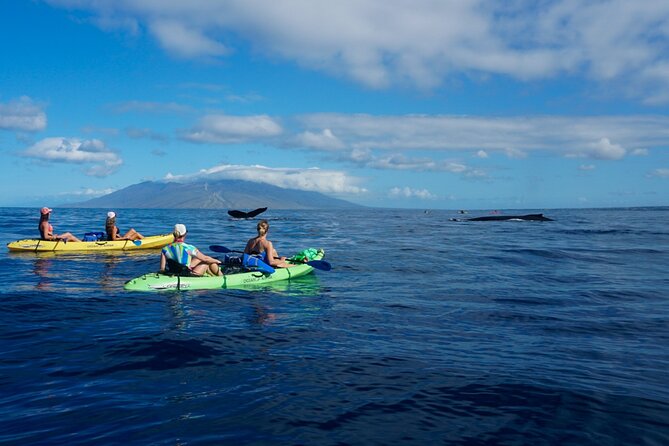
This is the part that really separates a great whale day from a merely scenic one.
Across the reviews, the most praised theme is guide professionalism and skill—people repeatedly describe guides like Chris and Kris as knowledgeable, patient, and focused on safety. The best compliments are specific: spotting whales well, waiting in the right spots, and managing the group so you get up-close views without pushing the situation.
You also see a common thread about emotional comfort. One reviewer notes that whales were close but not in a way that felt scary. Another highlights that there’s a real sense of whales being aware of you and curious, but the experience remains controlled. That usually comes from good judgment: don’t over-approach, don’t panic, and don’t let excitement turn into sloppy paddling.
If you want a practical tip before you go, it’s this: listen closely during any safety talk, and follow the guide’s lead on when to paddle, when to pause, and how to keep your distance. In a kayak, those instructions matter a lot because the ocean doesn’t care about your camera settings.
Finally, the guides are also described as fun and informative. Several reviews mention lots of helpful knowledge about Hawaii and whales—not just “there they are,” but how to understand what you’re seeing.
Whale behavior you can actually notice from a kayak
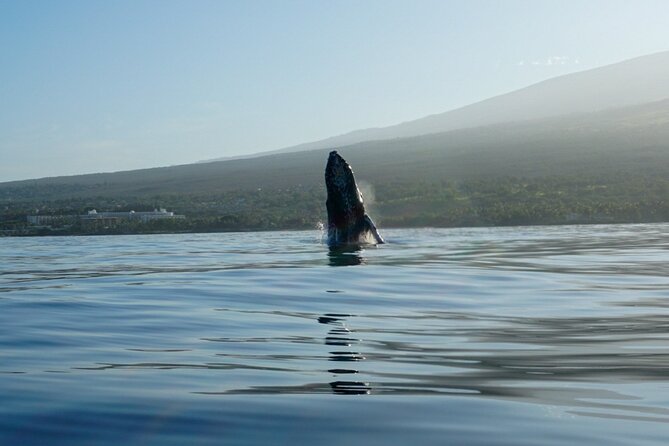
On a boat, whales can feel distant even when you can see them clearly. In a kayak, you tend to notice the small changes faster. Based on the feedback you’ll read, these are the behaviors that tend to stand out most:
- Surface activity close to your group (people report multiple whales and pods nearby)
- Fluking and spouting, which can happen when whales exhale and resurface
- Breaches close enough to feel like it happened right in front of you (reported in several reviews)
- Singing—described as audible while you’re on the kayak, not just a distant background sound
And yes, whales can interact across different groups. One review mentions seeing interactions between different groups of humpbacks. That’s the kind of detail that makes this feel less like a checkbox activity and more like a living wildlife encounter.
Still, keep expectations realistic: humpbacks migrate and move. The ocean isn’t an aquarium. Even with an excellent guide, you might not see a breach every trip. That’s why this tour earns its value through effort and expertise, not through promises.
You can also read our reviews of more tours and experiences in Maui





What’s included (and what you’ll pay extra)
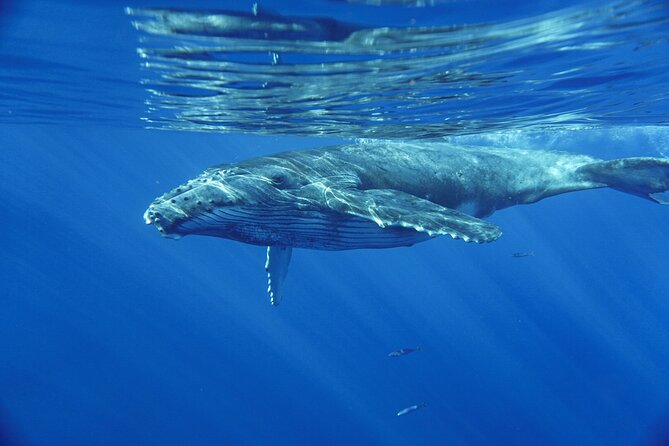
Let’s translate the fine print into real value.
Included:
- Bottled water
- Digital photos available to purchase later
Not included:
- Gratuity for guide
That photo option is worth calling out. One reviewer specifically mentions an incredible shot the guide took when the whale got very close. So if you like having professional wildlife photos without dealing with camera chaos on a moving kayak, this is a nice add-on to consider.
As for gratuity, you’ll want to budget for it. Since the experience depends heavily on the guide’s work—spotting, positioning, and safety—it’s fair to plan to tip well if you felt taken care of.
Price and value: what you’re really paying $130 for
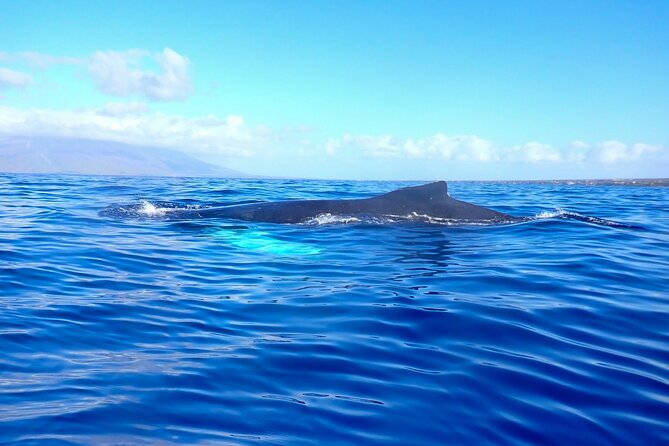
At $130 per person for about 3 hours, this isn’t the cheapest way to see whales from Maui. But it’s also not trying to be.
You’re paying for:
- Small group size (max 8), which tends to mean less crowding and easier control on the water
- Kayak time, which gives you that low, close, sensory perspective
- Guide skill and persistence, since whale sightings are partly a hunt and partly a timing game
- The option for digital photos, plus the included bottled water
Compare it to common “big boat” whale trips. If you want the feeling of being closer to the whales—close enough to hear singing and notice behavior—kayaking is the method that makes sense.
Is it guaranteed to be amazing? No whale tour is. But you do have strong signals here: the rating is 5/5 with 63 reviews, and people recommend it 100%. That doesn’t mean every day is identical, but it suggests the operator consistently delivers a high-quality experience for most people who go.
Who this trip fits best (and who should think twice)
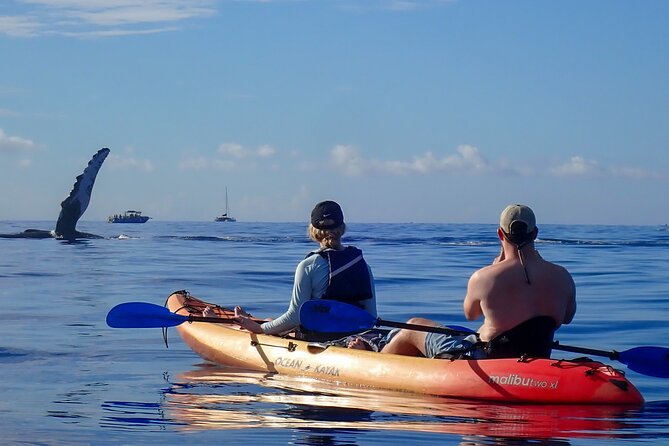
This is for you if:
- You like nature experiences where the animal is the star, not your destination photo backdrop
- You’re okay with active time on the water and can handle moderate physical fitness
- You want a smaller, more controlled group rather than a long cattle-call line
- You care about safety and calm behavior around wildlife (the guides here seem strong on that)
It may be less ideal if:
- You hate early mornings (7:00am is the start)
- You’re not comfortable kayaking effort for the duration
- You’re expecting guaranteed whale sightings every single time
One more practical point: because the experience depends on good weather, you should accept that Mother Ocean gets the final vote. If you’re traveling in the middle of winter and can be flexible, this becomes a much safer bet.
Weather, season, and expectations: how to plan smart
This tour runs in a seasonal window tied to humpback migration—mid-December through end of March. If you’re traveling outside that window, you may find fewer humpbacks and less consistent sightings.
Also plan around weather. The experience requires good weather, and if it’s canceled due to poor conditions, you’ll either get a different date or a full refund. That’s a decent safeguard for a whale tour, where wind and surf can make it impossible to paddle safely.
Now for the emotional expectation. If you’re thinking, I just want to see one whale, you’ll probably be happy. If you’re thinking, I want the most dramatic breach moment ever, you should treat that as a bonus. The reviews show people often get multiple close encounters, but whales are free-ranging. The best way to enjoy the tour is to be present and let the day unfold.
Should you book Tropical Guides & Outfitters for a kayak whale tour?
I think you should book this tour if you want the closest, most sensory way to see humpback whales in Maui—especially if you’re in season (mid-Dec to late March) and can handle a 7:00am start and moderate kayaking effort.
You shouldn’t book it if you need total predictability or you’re not comfortable with the physical side of kayaking. Also, if early mornings and variable conditions will sour the trip, you may prefer a different whale option that runs more consistently.
Bottom line: this is a small-group, guide-led experience with strong reputation signals—5-star rating, whale singing reports, and repeated praise for safety and skill from guides like Chris and Kris. For $130, you’re paying for closeness, not just distance.
FAQ
Where does the kayak whale watching tour start?
It starts at Makena Landing Park, 5083 Makena Rd, Kihei, HI 96753, USA.
What time does the tour begin?
The start time is 7:00 am.
How long is the tour?
The duration is approximately 3 hours.
How many people are on the tour?
The tour has a maximum of 8 travelers.
Is the tour offered in English?
Yes, it’s offered in English.
What’s included in the price?
Included items are bottled water and digital photos that you can purchase.
What is not included?
Gratuity for the guide is not included.
When can you see humpback whales on this tour?
It runs during the humpback season in Maui: mid-December to the end of March.
Is a whale sighting guaranteed?
Whale encounters are not guaranteed. Even though humpbacks are often seen in the area during season, the experience still depends on what the whales are doing that day.
What happens if the tour is canceled due to weather?
If the experience is canceled due to poor weather, you’ll be offered a different date or a full refund.