REVIEW · MAUI
Kayak Whale Watch and Snorkel Hawaiian Islands Whale Sanctuary
Book on Viator →Operated by Maui Adventure Tours M.A.T., L.L.C. · Bookable on Viator
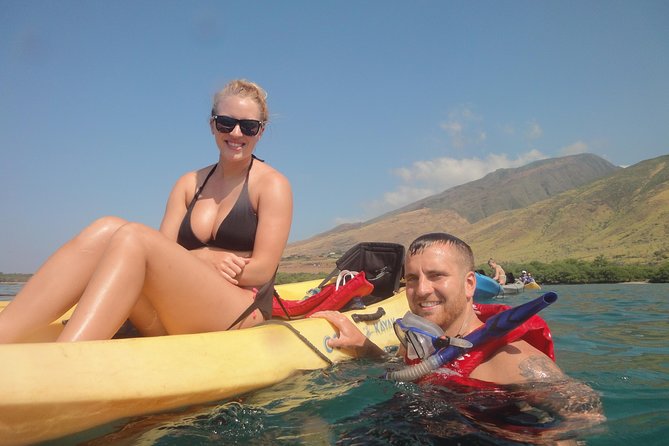
Silent water, loud whale songs. This Maui kayak-and-snorkel outing takes you to the Olowalu Turtle Reef and out toward the humpback whale sanctuary, where you can hear whales in real time through an underwater hydrophone. What I like most is that you’re paddling yourself (more control, more quiet, more “we’re really out here”), and the snorkel portion is built around seeing turtles and reef fish up close.
The only real catch is timing: humpback whale watching is December to April, so you’ll want to treat whale encounters as seasonal and sometimes shy.
In This Review
- Key Things I’d Bet On Before You Go
- Kayak + Snorkel at Olowalu: Why This Combo Makes Sense
- Stop 1: Maui Launch and Gear-Up That Sets the Tone
- Stop 2: Olowalu Turtle Reef Snorkel and the Cleaning Station Moment
- Stop 3: Whale Watch in the Hawaiian Islands National Humpback Whale Marine Sanctuary
- The Morning Rhythm: What the 4-Hour Tour Really Feels Like
- Value Check: Is $119 Worth It on Maui?
- Who This Tour Fits Best (and Who Should Think Twice)
- How to Prepare for a Smooth, Fun Trip
- Should You Book This Kayak and Snorkel Whale Watch?
- FAQ
- When can I see humpback whales on this tour?
- Are sea turtles included year-round?
- What’s included in the price?
- Do I need prior kayaking experience?
- What time does the tour run?
- How long is the tour?
- Where do I meet the tour?
Key Things I’d Bet On Before You Go
- Live hydrophone whale sounds so whale watching isn’t just visual
- Turtle Reef snorkel at a turtle cleaning station, with sea turtles and lots of tropical fish
- Small groups (up to 10 travelers) for steadier guide attention
- Included safety and water gear (life jackets, snorkel gear) plus bottled water and snacks
- Underwater HD camera rental if you want photos without buying anything
- Morning start (8:00 am) in a protected style of trip that focuses on wildlife, not racing around
Kayak + Snorkel at Olowalu: Why This Combo Makes Sense
Maui has plenty of ways to snorkel. What makes this tour different is that you start on a kayak and then go snorkel right where the action is. You’re not just rolling off a beach and hoping for luck. You’re moving with your guide to a dedicated spot at Olowalu Beach Reserve—specifically tied to sea turtle activity.
I also like the pacing of a kayak trip here: it tends to feel less like a cattle-call and more like a guided swim plan with legs. You’ll be out on calm water, then transition into snorkeling when conditions and spot selection line up.
And yes, it’s a real kayak workout if you want it to be. If you’re comfortable paddling for a while, you’ll feel rewarded when the water goes quiet and you notice things you’d miss on a boat.
You can also read our reviews of more whale watching tours in Maui
Stop 1: Maui Launch and Gear-Up That Sets the Tone
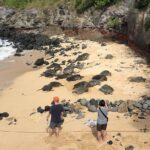
Before you ever hit the water, you’ll meet at the Olowalu meeting point (R95V+Q8 Olowalu). This tour does not include hotel pickup, so plan to handle your own arrival and parking.
Once you’re there, the early part of the trip is all about getting you ready:
- Life jacket fit and safety basics
- Snorkel gear handed out for the reef stop
- Kayak instructions for getting in/out safely and paddling as a group
- A briefing on what you might see and how to notice marine life in the moment
This is also where guide style matters. In past trips, guides such as Lance, Wesley, and Red have been praised for making people feel comfortable and explaining what you’re looking at—marine ecology, whale behavior/biology, Hawaiian history, and practical tips for the water. You’ll get more out of the tour if you ask questions early, especially about snorkel entry and getting back into the kayak after you’ve been in the water.
A small but useful tip: if it feels awkward when you’re on land, practice again with a guide watching. Getting back into the kayak can be the tricky moment on any kayak-snorkel outing, and it’s better to learn the rhythm before you’re in saltwater.
Stop 2: Olowalu Turtle Reef Snorkel and the Cleaning Station Moment
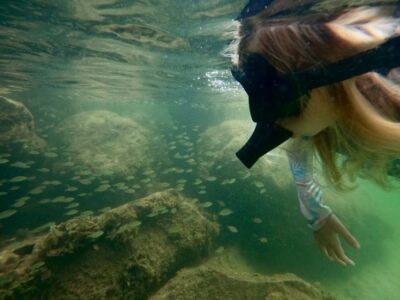
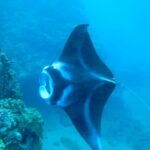
The snorkel highlight is Turtle Reef at Olowalu Beach Reserve. The goal here is clear: sea turtles and colorful tropical reef fish, often around a turtle cleaning station where turtles gather.
In practical terms, that means:
- You’ll have a defined spot to snorkel rather than aimlessly drifting
- You’re more likely to see turtles because the location and timing are tied to their behavior
- You spend time looking, not just swimming around searching
Expect a mix of reef texture and open water visibility. Some days you’ll see a lot clearly; other days the water can be murky and you’ll need to rely more on the guide’s positioning and your ability to stay patient underwater for short moments.
One thing to be ready for: you may be snorkeling where the water is deep enough that you’ll be floating above what you’re watching. That can still be great for fish, turtles, and the cleaning-station vibe—just don’t expect a shallow, step-in snorkel from the start.
When you’re done, your guide will help you regroup and get back into kayaks. If you’re traveling with kids, this is the part where calm coaching matters. One family-friendly plus: the guide support is designed to help everyone manage transitions without turning it into a stress test.
Stop 3: Whale Watch in the Hawaiian Islands National Humpback Whale Marine Sanctuary
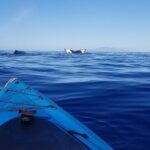
After the reef stop, the tour shifts into the whale-watching portion in offshore waters of the Hawaiian Islands National Humpback Whale Marine Sanctuary.
Here’s the key seasonal detail you should plan around:
- Humpback whales: December to April
- Turtle sightings: year-round
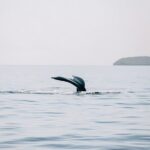
So if you’re visiting Maui in peak whale season, you’re getting the best odds for humpbacks—and the tour is built around that. In the other months, you might still see wildlife, but the whale component is not the same “this is the plan” experience.
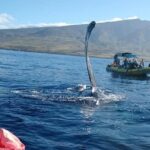
The most distinctive feature for whale lovers is the hydrophone. During the tour, you can hear whales sing live from an underwater microphone system. That changes the whole vibe. Instead of only scanning the horizon and hoping for a breach, you also get an audio cue that whales are active nearby.
Also, don’t assume every whale will be close. Even when whales are in the area, they can be far off on any given day. The best strategy is to stay with your guide’s direction, keep your eyes moving, and accept that wildlife doesn’t perform on a schedule.
The Morning Rhythm: What the 4-Hour Tour Really Feels Like
The tour runs Monday through Saturday, starting at 8:00 am and finishing around 11:30 am, with Sundays and holidays closed due to Hawaii state rules.
The full length is listed as about 4 hours, but what you experience can vary slightly depending on conditions and how long the guide spends at each stop. A useful mental model is:
- Time at launch for gear and instruction
- Paddle time to reach the turtle reef and then the whale area
- Snorkeling time at Turtle Reef
- Regrouping and paddling back in
You’ll be exposed to sun and salt spray. You’ll also be paddling, even if the guide helps set the pace. Bring sun protection seriously: reef-safe sunscreen, a hat, and something for eyes (sunglasses with a strap help).
If you get motion-sensitive, know that kayak time can still feel bouncy even in calmer conditions. The tour is not marketed as a smooth, boat-only ride, so decide based on your own comfort level with being on the water.
And please don’t plan this as a “sit and be chauffeured” activity. This is active, outdoors, and weather-dependent.
You can also read our reviews of more tours and experiences in Maui




Value Check: Is $119 Worth It on Maui?
At $119 per person for roughly a half-day, the value comes from what’s included and what you’re paying for:
- Professional guide for wildlife spotting and safety
- Snorkel gear and life jackets
- Bottled water plus light refreshments and snacks
- A whale-watching setup during the humpback season
- Live whale sounds via hydrophone
- Optional underwater HD camera rental if you want it
If you tried to replicate this on your own, you’d quickly spend money on gear, then add the mental load of finding the right spots, managing timing, and navigating entry/exit transitions with turtles and whales as the target.
That said, value depends on your expectations. If you come in thinking you’re guaranteed close-up whales and perfect snorkel visibility, you can feel disappointed. If you come in loving the experience of being on the water with a guide and enjoying the turtle reef and whale singing possibilities, the price starts to make sense.
One practical advantage: you’re capped in size. The group is designed to be small—typically up to 10 travelers (and no more than 16 people per booking). Smaller crews usually mean more attention during the transitions that matter most.
Who This Tour Fits Best (and Who Should Think Twice)
This tour is made for people who want a guided wildlife outing without needing previous kayaking skills. There’s no experience necessary, and ages 5 and up are accepted with adult accompaniment for children.
It also fits travelers who want:
- More personal attention than bigger boat trips
- A kayak-first experience that feels quieter and more hands-on
- A meaningful whale experience during humpback season, especially because you can hear whale songs live
You might think twice if:
- You’re strictly hunting for guaranteed whale sightings every single trip
- You’re not comfortable with paddling and water-based transitions
- Your comfort level with the ocean is low (it’s still ocean conditions, even when it’s a well-run day)
Physical fitness wise, the tour notes a moderate fitness level. That usually means you can manage sustained paddling, then snorkel briefly, then paddle back.
How to Prepare for a Smooth, Fun Trip
A little prep goes a long way on kayak-and-snorkel days:
- Arrive early enough to park and check in without rushing
- Wear sunscreen and a hat you trust in wind
- Bring water-safe sandals or footwear for getting around before launch (if you have them)
- Have your phone secured if you’re renting or using your own camera system (water + gear transitions are where accidents happen)
- If you get anxious in choppy moments, tell your guide early so they can place you and guide your pacing
And if the transition back into the kayak looks awkward to you, don’t hide it. Ask to watch the technique first. Clear demos make a difference, and it keeps the whole group safer.
Should You Book This Kayak and Snorkel Whale Watch?
I’d book this if you want an authentic Maui wildlife experience that blends kayaking, Turtle Reef snorkeling, and whale watching with live whale songs. The hydrophone feature is special, and the focus on turtles at a cleaning-station style area is a strong reason to choose this over a basic snorkel-only outing.
Skip or rethink it if your trip is happening outside December–April and whales are the whole point. Also be honest about your comfort with being active on the water. This is not a sit-back cruise; it’s a hands-on morning.
If you’re aiming for the best odds, plan to go during humpback season, arrive early, and set yourself up with solid sun protection. Then go with the mindset that wildlife is the schedule—your job is to stay curious, follow the guide, and enjoy the fact that Maui’s ocean is never fully predictable.
FAQ
When can I see humpback whales on this tour?
Humpback whale watching is scheduled for December to April. Whale sightings are part of the tour during that season.
Are sea turtles included year-round?
Sea turtle sightings are listed as year-round, and the snorkeling stop is designed to encounter turtles at Turtle Reef.
What’s included in the price?
The tour includes a professional guide, light refreshments, snacks, and use of snorkeling equipment. Life jackets and bottled water are also included in the tour details.
Do I need prior kayaking experience?
No. The tour states no experience is necessary. It’s recommended to have a moderate physical fitness level.
What time does the tour run?
The tour operates Monday through Saturday from 8:00 am to about 11:30 am, and it is closed on Sundays and holidays.
How long is the tour?
It’s listed as approximately 4 hours.
Where do I meet the tour?
The tour meets at the Olowalu area (R95V+Q8 Olowalu). Hotel pickup and drop-off are not included. The activity ends back at the meeting point.