REVIEW · MAUI
Maui: 3-Island Hawaiian Odyssey Helicopter Flight
Book on GetYourGuide →Operated by Maverick Helicopters Hawaii · Bookable on GetYourGuide
That bright moment in the air is worth it. From the cockpit, you get three Hawaiian islands in one short trip. I really like how this flight mixes famous landmarks with lesser-seen coast detail, and it’s easy to see why people call it the best way to grasp Molokai’s scale.
Two things I’d point you to right away: the Molokai sea-cliff views and the chance to spot big, recognizable shoreline features from above. One possible drawback: there’s no hotel pickup, so you’ll need to plan your own arrival to the meeting point and be on time.
In This Review
- Key highlights at a glance
- Why a Three-Island Helicopter Flight Works So Well
- What the 65-Minute Route Covers (and What You’ll Actually Notice)
- West Maui and Kapalua: The Start That Sets the Tone
- Elephant Rock and the Water Views That Feel Almost Unreal
- Circling Molokai’s Sea Cliffs, Fish Ponds, and Reefs
- Lanai and Shipwreck Beach: The Remote, Ragged Side
- Coming Back Over Iao Valley and Maui’s North Shore Highlights
- Small Group, Assigned Seating, and Getting the Best Window Shot
- Price and Value: What $469 Buys You in Real Terms
- The Human Side: Pilot Style and Service You Can Expect
- Before You Go: ID, Check-In Timing, and Safety Rules That Affect You
- Should You Book This Helicopter Flight?
- FAQ
- How long is the Maui: 3-Island Hawaiian Odyssey Helicopter Flight?
- Which islands does the flight cover?
- Is hotel pickup and drop-off included?
- Where do I meet for the flight?
- What is the check-in time requirement?
- Is there a tour guide onboard?
- What ID do I need to bring?
- Can I fly if I recently scuba dived?
Key highlights at a glance
- Three islands in one 65-minute hop: Maui, Molokai, and Lanai without switching vehicles
- Molokai’s massive sea cliffs as you circle the island
- Beaches and reef views that are hard to appreciate from land or boat
- Famous markers from the sky like Iao Valley, Jurassic Rock, and the Jaws surf spot
- Small group size (max 6) for a calmer, more personal flight
Why a Three-Island Helicopter Flight Works So Well
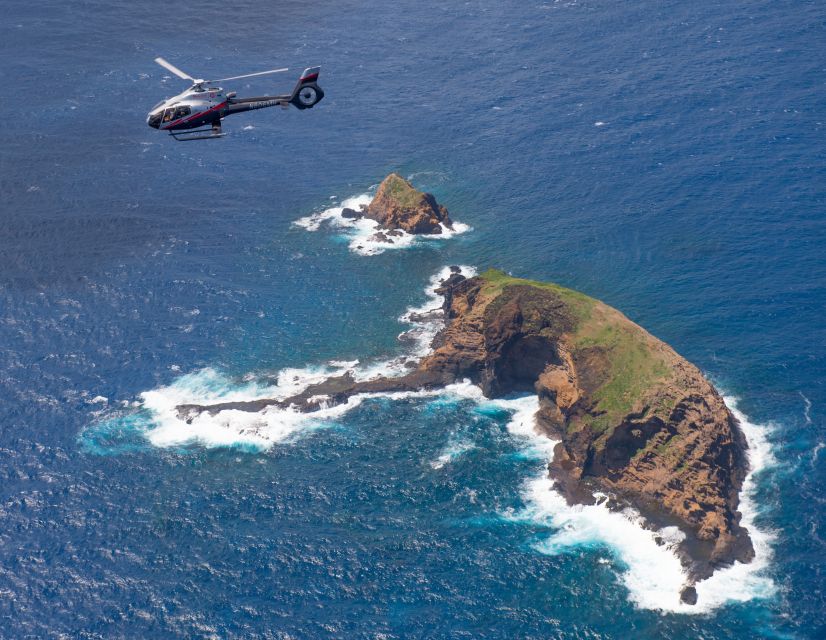
If you want Hawaii’s variety fast, this is one of the most efficient ways to do it. A helicopter shrinks distance. You’re not trading time for transfers or waiting for ferries. Instead, you’re getting a tight circuit of coastlines, valleys, and reefs in about 65 minutes.
What makes it especially satisfying is the mix of “oh wow” scenery and actual geographic understanding. From the air, Maui’s west side and the way the islands sit in the water become much easier to picture. And Molokai isn’t just pretty from a distance—circling it gives you a clear sense of how dramatic that coastline is.
The flight is run by Maverick Helicopters Hawaii, and the smaller scale shows. Reviews back up what you’ll feel in the cabin: the pilot tends to be professional and informative, and that helps you know what you’re seeing instead of just reacting to it.
You can also read our reviews of more tours and experiences in Maui
What the 65-Minute Route Covers (and What You’ll Actually Notice)
This is not a long tour with lots of stops. It’s a continuous aerial loop with a steady stream of sightlines. The route starts over west Maui and Kapalua, then heads out over water for landmark views, circles Molokai, continues to Lanai, and finally returns toward West Maui with Iao Valley and northern highlights along the way.
You’ll notice the flight has a rhythm: coastline to cliff to reef to beach, then back to valley. That pattern is useful because it keeps your eyes from getting “one-track bored.” You also get multiple chances to photograph different kinds of detail—rock formations, surf spots, and the texture of reefs.
Also, keep your expectations realistic. You’re in the air for 65 minutes, not hours. If you’re someone who wants to hop out and walk around, this won’t match that style. But if you want maximum visual payoff with minimal travel time, it’s a strong fit.
West Maui and Kapalua: The Start That Sets the Tone
The beginning of the flight matters because it sets your visual frame for everything that follows. You lift off from the Kahului area and start out over west Maui and Kapalua. From above, this stretch shows you how Maui’s geography changes quickly—coastal curves, built-up edges, and then more natural relief as you look farther out.
This is a good moment to get comfortable with motion and window angles. Early on, you’ll usually be better able to steady your phone or camera and aim at landmarks the pilot points out (or that you can identify yourself).
It’s also where you’ll feel the advantage of doing this with a small group of up to 6. Less crowding in the cabin means fewer people bumping your arm as you try for the shot.
Elephant Rock and the Water Views That Feel Almost Unreal
After the west Maui start, the flight moves over the water for views of Elephant Rock. This is one of those features you can’t truly appreciate from the usual shoreline angles, because the full shape and context only make sense when you see the surrounding water and coastline from above.
From a value perspective, this is a great example of what you’re paying for. Getting a view like this from ground level can mean long drives, awkward viewing spots, or looking at it from too far away. From the air, it becomes immediate.
If you’re planning your photos, treat this as your first “focus moment.” The lighting tends to work well for ocean texture and rock contrast, and your attention will stay hooked because everything is sharply outlined from a distance.
Circling Molokai’s Sea Cliffs, Fish Ponds, and Reefs
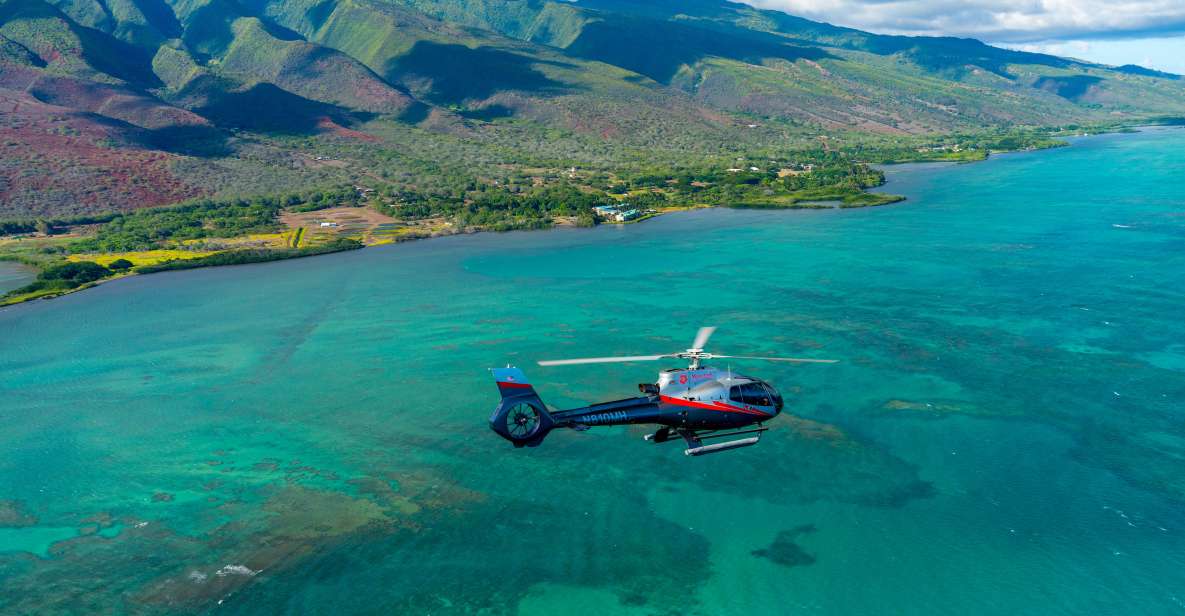
Molokai is the star of the show, and you’ll feel that in how the flight is paced. You’ll circle Molokai for spectacular views of the world’s biggest sea cliffs, plus Hawaiian fish ponds and gorgeous reef patterns.
Here’s what makes this segment special in practical terms:
- Sea cliffs look massive from above. On land, cliffs can feel like one big wall. In the air, you see the height and the way the cliffs plunge into the ocean. It’s a scale lesson.
- Fish ponds add texture and human story. From the sky, those ponds stand out as carefully shaped areas in a place that otherwise reads as wild coast and open water. You get a sense of how people historically interacted with the environment.
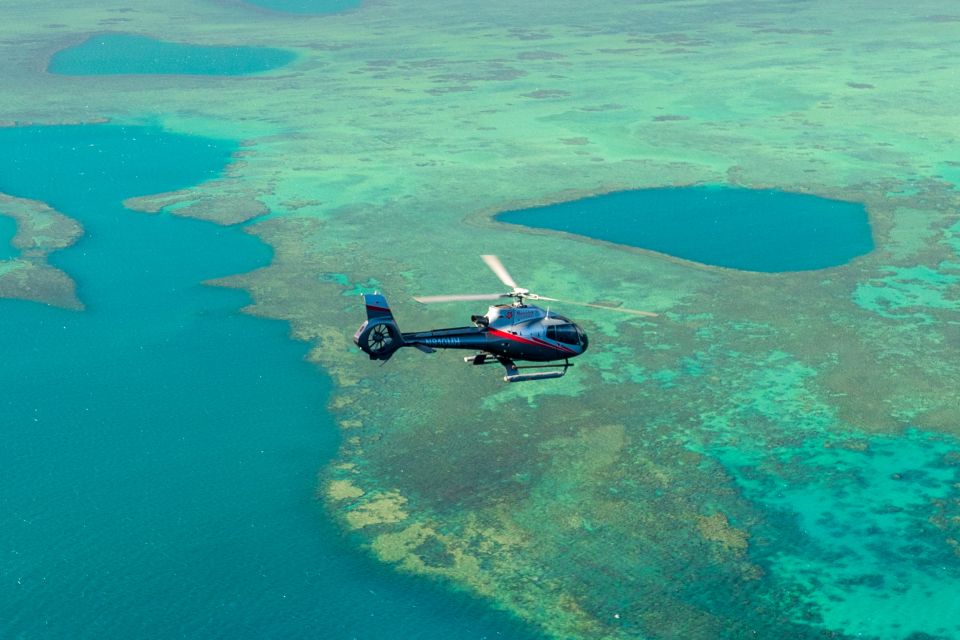
- Reefs become visible as structure, not just color. From above, reef edges and shallow zones show up more clearly. That helps you understand why certain waters look rougher or calmer from different angles.
This is also where you’ll likely want to lean into the camera work. One review specifically highlighted that the pilot gave passengers a chance for amazing photos—that matters most when the scenery is complex and you’re trying to capture both cliff lines and water movement.


Lanai and Shipwreck Beach: The Remote, Ragged Side
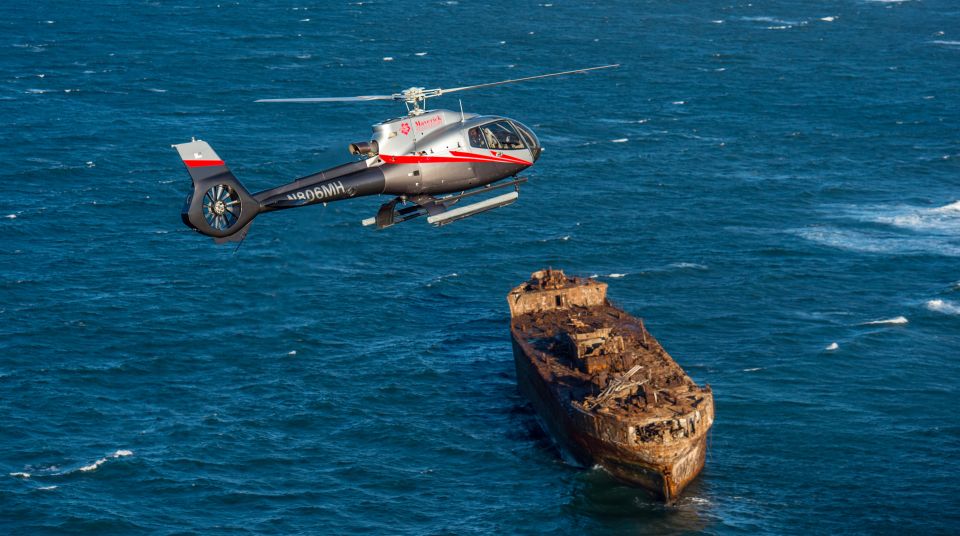
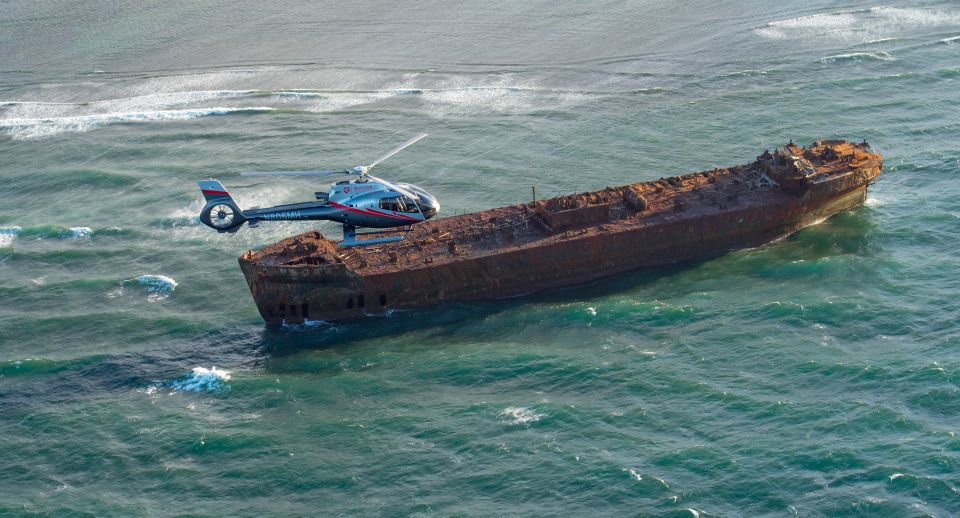
Next up is Lanai, including a flyover of Shipwreck Beach. Lanai often feels quieter and more remote than Maui, and seeing it from the air makes that vibe real. The coast looks less softened by development and more defined by rock, surf, and open space.
Shipwreck Beach, in particular, is a name that primes your attention. From the air you can better understand how the shoreline shape, rocks, and water dynamics come together. Instead of guessing what the spot looks like, you get the layout in seconds.
If you’re the kind of traveler who enjoys “place names with meaning,” this is one of the parts where the geography rewards you for paying attention. It’s not just a pretty coastline—it’s a coastline with character you can see clearly.
Coming Back Over Iao Valley and Maui’s North Shore Highlights
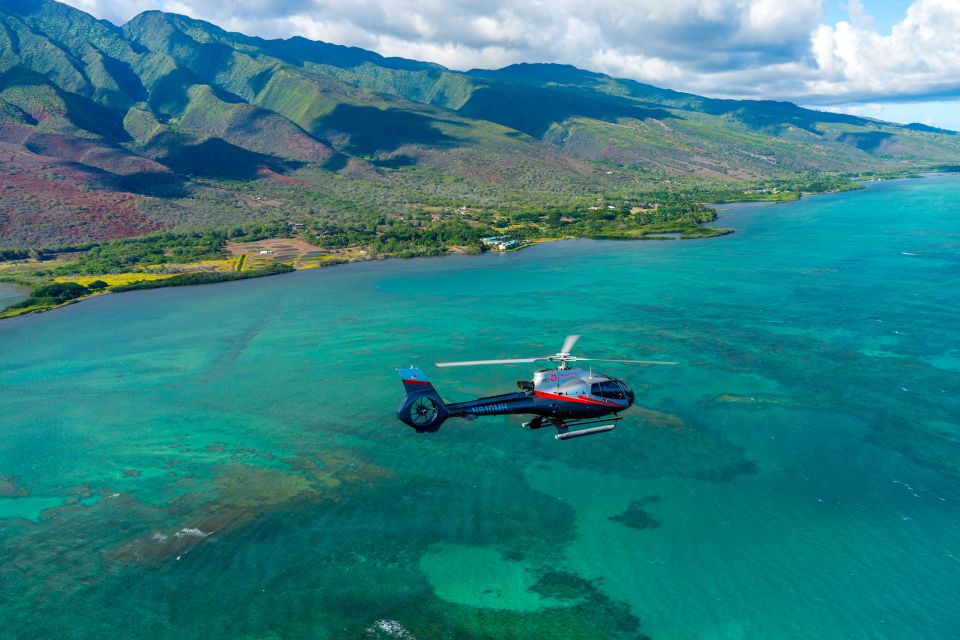
The return route brings you back toward West Maui and includes Iao Valley. From above, Iao Valley reads like a natural pocket cut into the land—less about individual buildings and more about the shape of the terrain itself.
Then you also have chances to spot Maui’s North Shore, with sights like Jurassic Rock and the Jaws surf spot. Even if you aren’t a big surfer, those names help you orient quickly. From the helicopter view, you’re not just hearing legends—you’re seeing the shoreline lines that make those surf areas famous.
One more tip: look for how the coast changes from one segment to another. Surf zones often correlate with cliff breaks, reef lines, and particular water angles. From the air, you can start to “read” why a coastline would work the way it does.
Small Group, Assigned Seating, and Getting the Best Window Shot
This flight keeps things intimate with a small group limited to 6 participants. That’s not just a comfort perk—it also changes the experience. You’ll have less cabin noise, fewer bodies competing for window space, and a better chance of hearing the live English tour guide without strain.
That said, seating is assigned based on legal weight and balance limits, and being together isn’t guaranteed. Also, if you weigh 275 lbs or more, you’ll need to purchase an additional seat. Plan for that ahead of time so there are no surprises at check-in.
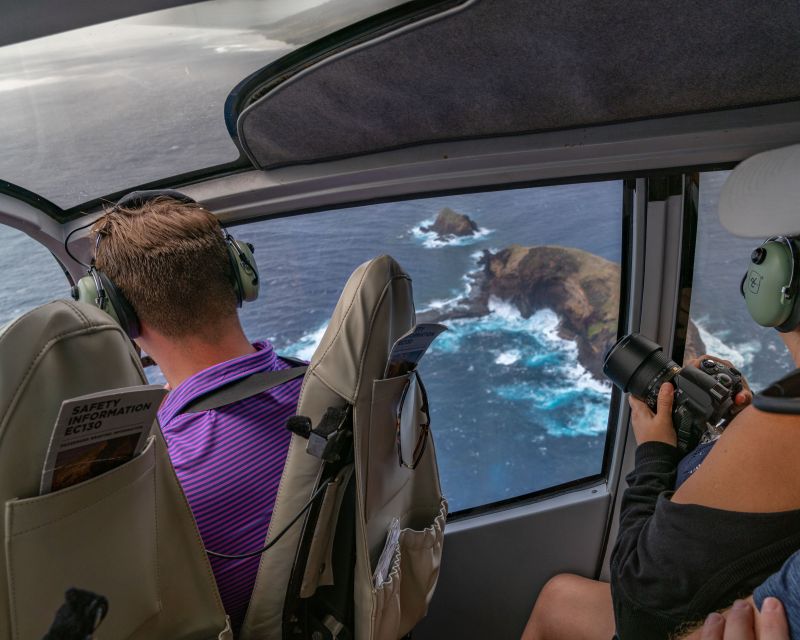
If your goal is photos, you’ll do best by being flexible. You can’t always angle a shot exactly how you want in a moving aircraft, and windows can cause glare. Instead of fighting it, aim for photos at moments when the scenery lines up cleanly—rock formations and reef edges often photograph better than wide shots through heavy glare.
The best attitude is simple: assume you’ll take multiple shots, not one perfect one.
Price and Value: What $469 Buys You in Real Terms
At $469 per person, this isn’t the cheapest way to see Hawaii. But it’s also not trying to be. This price makes sense when you think in terms of access and time.
You’re paying for:
- Three islands in one trip (Maui, Molokai, and Lanai)
- An aerial perspective you can’t easily replace with driving
- A short 65-minute experience that covers big geographic variety
For a lot of visitors, the real value is how much this flight clarifies the islands. After you see Molokai’s cliffs and reefs from above, you’ll understand why people describe it the way they do. It turns distant “scenery” into a mental map.
And because the group is capped at 6, you’re not sharing the experience with a large crowd. That can matter more than people expect—especially when you’re trying to capture photos and you want the pilot and guide’s commentary to land.
The balanced truth: if you’re on a tight budget or you’d rather spend money on hikes, snorkeling, and dinners, you might feel this is too pricey. But if you want a high-impact nature and geography overview with minimal time lost, it’s strong value.
The Human Side: Pilot Style and Service You Can Expect
Your experience hinges on the crew. The tone can vary. Most feedback emphasizes a professional, informative pilot, including time and attention for passengers to photograph the scenery. That kind of piloting is what turns a flight into something you’ll remember, not just a ride with views.
One caution from feedback: not every staff interaction is equally warm. If you’re sensitive to customer service style, that could affect your mood in the pre-flight moment. For me, the key is knowing that the main show here is the flight itself—once you’re in the air, the views do most of the work.
Before You Go: ID, Check-In Timing, and Safety Rules That Affect You
This is one of those tours where “paperwork” matters because it’s tied to boarding. You’ll want your basics ready before you get there.
Here’s what you should take seriously:
- You must bring a passport or ID card.
- All passengers 18 and older must have a government-issued photo ID. A REAL ID–compliant driver’s license or a valid passport is required. Photocopies and digital images aren’t accepted.
- You must check in at least 30 minutes prior to departure, or you can be denied boarding with no refund.
- Flights must be reconfirmed 72 hours prior to departure.
- This flight requires a minimum of four passengers, so it may be subject to schedule changes if that minimum isn’t met.
There are also specific health timing rules. If you scuba dove within 24 hours, you shouldn’t fly. The tour notes a 24-hour wait after scuba diving before flying, so plan your water time accordingly.
Finally, be aware that intoxicated guests may be denied service without refund. Basically: stay clear-headed.
Should You Book This Helicopter Flight?
Book it if you want the fastest route to understanding Maui plus two neighboring islands, and if you’re excited by cliffs, reefs, and named landmarks you can’t replicate any other way in one day. It’s especially good for first-time visitors who feel like they’ll never get the “big picture” from the ground.
Skip or think twice if you hate being on a schedule, dislike flying, or you’d rather spend that money on land-based activities where you can linger longer. Also, if you’re a stickler about sitting together, know that seating is assigned by weight and balance, so you may not be placed side-by-side.
My bottom line: if your priority is maximum scenery per hour, this three-island aerial loop is hard to beat.
FAQ
How long is the Maui: 3-Island Hawaiian Odyssey Helicopter Flight?
The flight duration is about 65 minutes.
Which islands does the flight cover?
You’ll fly over Maui, Molokai, and Lanai.
Is hotel pickup and drop-off included?
No. Hotel pickup and drop-off are not included.
Where do I meet for the flight?
The meeting point is Lelepio Place, Kahului, Hawaii 96732.
What is the check-in time requirement?
All customers must be checked in 30 minutes prior to the flight time.
Is there a tour guide onboard?
Yes. The flight includes a live tour guide in English.
What ID do I need to bring?
Bring a passport or ID card. Passengers 18 and older must have a government-issued photo ID (REAL ID–compliant driver’s license or valid passport). Digital images or photocopies aren’t accepted.
Can I fly if I recently scuba dived?
No. You must wait at least 24 hours after scuba diving before flying.