REVIEW · MAUI
The Ultimate Road to Hana Slingshot Adventure from Kihei Maui
Book on Viator →Operated by Aloha Motorsports · Bookable on Viator
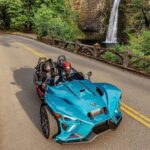
The Road to Hana looks better open-air. This private Polaris Slingshot day turns the drive itself into the main event, with a 24-hour rental plus pre-loaded, self-guided navigation from Kihei to Hana-area highlights. I like that you get the freedom to linger at photo stops and swim spots on your own clock, not a bus schedule. I also like the focus on the classics, from Ho’okipa to the Pools at Ohe’o, with no extra touring friction beyond parking and weather. The main drawback: Waiʻanapanapa State Park requires advance reservations and fees, and you can’t just walk up.
If you’re the type who likes flexibility, this setup fits well. The vehicle is open-air, you’re in control of pacing, and the stops are spaced so you can handle slow traffic, misty roads, and the simple reality of Maui driving. I’d just make sure you’re comfortable with a long, winding day and bringing gear for sudden rain.
In This Review
- Key highlights at a glance
- Why a Polaris Slingshot changes the Road to Hana
- Your Kihei-to-Hana timing: how the day really flows
- Ho’okipa Beach Park: sea turtles, reefs, and big-wave wind
- Skipping or squeezing Twin Falls: traffic vs. quick jungle payoff
- Wailua Valley State Wayside Park: panoramic viewpoints you can’t rush
- Upper Waikani Falls (Three Bears Falls): a swim stop with personality
- Puaʻa Kaʻa State Park: rainforest calm with waterfalls and pools
- Waiʻanapanapa State Park at mile marker 32: black sand, caves, blowholes, and reservations
- Wailua Falls: tall waterfall, quick roadside views, and local crafts
- Kipahulu Point Park (Pools at Ohe’o): Haleakalā National Park and Pipiwai Trail options
- Price and what $541 per group buys you on Maui
- Practical tips: weather, packing, and driving comfort
- Who this Slingshot Hana day fits best
- Should you book this Road to Hana Slingshot adventure?
- FAQ
- How much is the Road to Hana Slingshot tour from Kihei?
- What’s included with the Slingshot rental?
- What fees are not included?
- Do I need reservations for Waiʻanapanapa State Park?
- How long can we keep the Slingshot?
- What are the driver and rider requirements?
Key highlights at a glance

- Open-air Polaris Slingshot drive that makes the Road to Hana feel like a road trip, not a checklist
- You keep the Slingshot for a full 24 hours, so stop times are flexible around tide, crowds, and weather
- Ho’okipa Beach Park sea turtles are often visible late afternoon—keep a respectful distance
- Waiʻanapanapa State Park adds black sand, freshwater caves, and blowholes, but reservations are required
- Pools at Ohe’o (Kipahulu Point Park) is tied to Haleakalā National Park, and you can pair it with the Pipiwai Trail
- Freedom to skip or swap stops like Twin Falls depending on whether traffic and parking annoy you
Why a Polaris Slingshot changes the Road to Hana

The Road to Hana is already dramatic—tight turns, ocean views, waterfalls, and roadside steam from the jungle. A Slingshot adds a second layer to that feeling because you’re riding in open air. That means more wind, more sun, more sound, and better “we’re actually on the road” sensations.
Practical bonus: you’re not waiting on a driver or a group rhythm. With a self-guided route, you can pull over when something catches your eye—then keep moving when you’re done.
One more thing I appreciate: helmets are provided for all riders. So you get the fun factor without having to plan for basic safety gear.
You can also read our reviews of more tours and experiences in Maui.

Your Kihei-to-Hana timing: how the day really flows
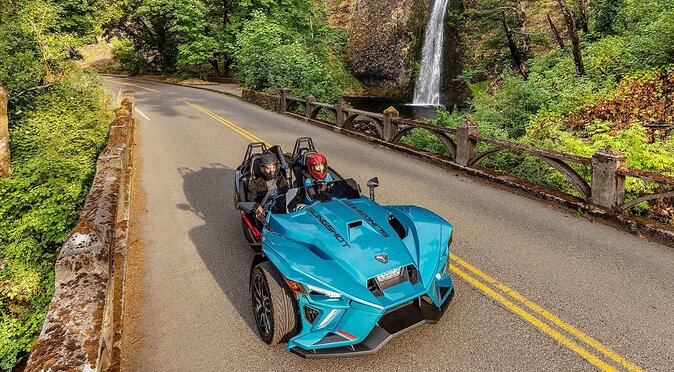
The tour runs about 1 day (approx.), and you’ll start at 1975 S Kihei Rd suite 5, Kihei, HI 96753, returning there at the end. The schedule lists average stop times (like 30 minutes at several parks), but the bigger truth is this: you have the Slingshot for 24 hours, so you’re not locked into a rigid sequence.
Plan your day around two realities. First, Maui weather can swing fast, especially near the jungle and windward side. Second, road traffic can make a “quick stop” turn into a slow one, so it pays to choose your priorities early.
If you love waterfalls, you’ll do fine. If you’re more into sea life and scenery, you’ll still have plenty of chances—just treat the drive as the main attraction, then use stops as breaks.
Ho’okipa Beach Park: sea turtles, reefs, and big-wave wind
Ho’okipa Beach Park is one of the stops that makes this route feel special, not just scenic. It’s famous for serious surf and wind sports, with waves that break over a reef system across the bay and steady winds that windsurfing fans talk about.
What makes it a standout for many people is the sea turtles. Hawaiian green sea turtles often rest on the sand, and late afternoon is a good time to look for them. They’re protected by law, so keep your distance and don’t try to get closer for photos.
This stop is short—about 30 minutes—but it’s the kind of place where you’ll want that time to scan the shoreline calmly.
Skipping or squeezing Twin Falls: traffic vs. quick jungle payoff
Here’s the honest call: I recommend planning to skip Twin Falls if you’re trying to avoid extra road slowdowns caused by hiking traffic ahead of you.
That said, Twin Falls can be worth it if your priorities lean toward easy “waterfall + a little jungle walk.” The falls are among the first accessible waterfalls on the Road to Hana and are described as relatively simple to reach. The area sits in a privately owned site that is open to the public, and it includes pools that can work for a swim.
So how do you decide? If you want the smoother drive and fewer “wait in line” moments, skip it. If you want one short hike and don’t mind that it may add pressure on the road and parking situation, you can include it.
Wailua Valley State Wayside Park: panoramic viewpoints you can’t rush
Wailua Valley State Wayside Park is a “pull over, breathe, and look” stop. From the lookout, you can see deep views into Ke’anae Valley, plus key features like waterfalls, the Ko’olau Gap, the Wailua Peninsula, and even the rim of Haleakalā Crater on a clear day.
This is also a smart stop for photos because it’s framed like a viewpoint, not a trek. You’re given about 30 minutes, which is usually enough to take pictures, stand back from the edge, and move on before the light changes.
It’s free, and it’s one of those spots where the value comes from not needing more effort than driving slowly and paying attention.


Upper Waikani Falls (Three Bears Falls): a swim stop with personality
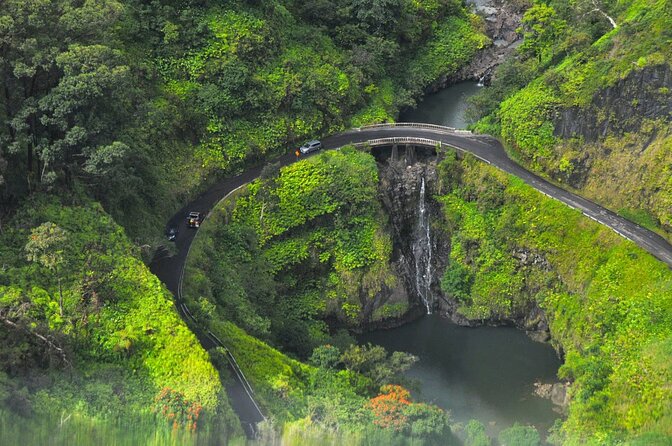
Upper Waikani Falls—often called Three Bears Falls—is another classic road-to-Hana pause. It’s a popular waterfall and swim spot, so expect that you’ll either be changing into swim mode or planning your time around it.
The key practical note: this is a short stop on the schedule (about 30 minutes), which means you’ll want to be ready quickly. If you want to swim, have your towel and shoes handy so you’re not fumbling in a muddy parking area.
Also, conditions can be slick near waterfalls. That’s normal for Maui, so keep your footing in mind even when the falls look like a postcard.
Puaʻa Kaʻa State Park: rainforest calm with waterfalls and pools
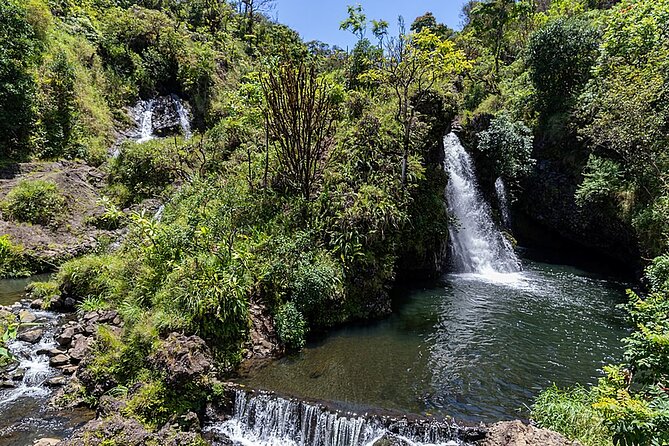
Puaʻa Kaʻa State Wayside Park is set up as a small, scenic break from driving. It covers 5 acres of rainforest, and it includes waterfalls and pools where you can picnic, cool off, or just hang out for a bit.
The description is specific about elevation (around 1,200 feet) and the proximity to Waiohue Bay (about 0.5 miles away). That matters because it helps explain the feel of the stop: it’s close enough to the coast for Maui flavor, but high enough that you’ll often feel a different air temperature and mist level.
This one is free and timed at about 30 minutes, which makes it a good “reset stop” when you want water sounds and shade without adding a long hike.
Waiʻanapanapa State Park at mile marker 32: black sand, caves, blowholes, and reservations
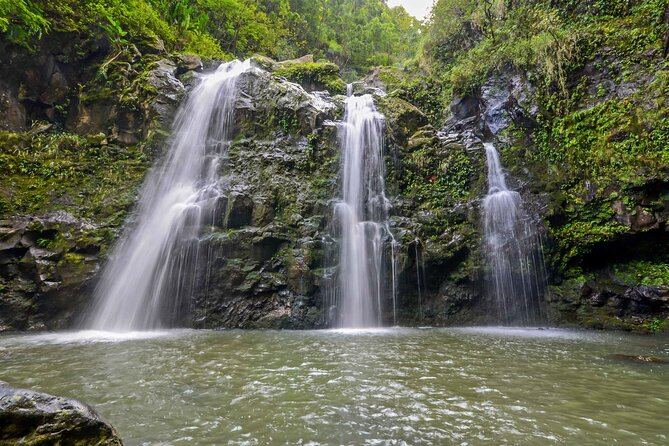
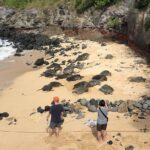
Waiʻanapanapa State Park is one of the biggest “must plan” stops on the Hana drive. It’s a 122-acre park at mile marker 32, and the name means glistening fresh water, which fits the mix of streams, pools, and tide changes you’ll see.
The standout features include a black sand beach, freshwater caves, blowholes, and ancient Hawaiian sites. If you’re paying attention to water life, the tide pools are also known to turn red several times a year—often linked to tiny shrimp.
The most important logistics point is not optional. Pre reservations and fees are now required to enter Waiʻanapanapa State Park. You won’t be able to enter without making the reservation in advance, and you should search the park name online for the instructions before you go.
If you handle that one step well, Waiʻanapanapa becomes pure payoff: dramatic coastline, unusual geology, and enough variety to keep you busy without needing a long hike.
Wailua Falls: tall waterfall, quick roadside views, and local crafts
Wailua Falls is the kind of waterfall that feels effortless because it’s right next to the road. It’s a very tall, picturesque waterfall, and there’s a bridge passing in front, which gives you a strong view angle without much walking.
There’s also a pull-off area just past the waterfall where local vendors often sell handmade goods. That’s a nice add-on if you want a small memory you can take home, not just a photo.
This stop runs about 30 minutes and is free, which makes it a good “keep moving but still see something big” moment.
Kipahulu Point Park (Pools at Ohe’o): Haleakalā National Park and Pipiwai Trail options
Kipahulu Point Park is where the trip shifts into something more time-intensive. This stop is part of Haleakalā National Park, and you’ll need the national park entrance fee. The fee is valid for three days and also gets you into the Haleakalā Summit.
Inside Kipahulu, you’re looking at the Pools at Ohe’o, also known as the Seven Sacred Pools—tiered waterfalls and pools in ‘Ohe’o Gulch. The word ‘Ohe’o translates to something special, and that theme fits the feel: cascades, quiet water, and lush vegetation around the pools.
The scheduled time is about 2 hours, which makes sense because you’ll likely want time to walk viewpoints, let water noise reset your brain, and figure out where you want to stop for photos.
One more advantage: Kipahulu Point Park is the trailhead for the Pipiwai Trail, a four-mile round trip to Waimoku Falls. It’s described as moderate and can be slippery, and you’ll pass a banyan tree plus a bamboo forest. If you plan to do the hike, treat the day like it includes an actual trail, not just a waterfall stop.
Price and what $541 per group buys you on Maui
This costs $541 per group (up to 2 people). That sounds high if you’re comparing it to a basic shuttle, but it’s a different product: you’re renting a Polaris Slingshot, not paying for a seat.
Here’s what you get:
- Use of a Polaris Slingshot for the rental period
- Helmets provided
- Pre-loaded, self-guided navigation
What you don’t get:
- Entrance fees to optional parks and attractions
So the value math is about freedom. You’re paying for the vehicle and the route help, and then you handle the park entries yourself as needed. For example, Kipahulu Point Park is a national park fee situation, and Waiʻanapanapa has reservation requirements and fees.
There’s also a refundable security deposit, listed as $750 or $1,500 at pickup. That deposit is refundable, but you should still mentally plan for the upfront amount when budgeting.
If you want the Road to Hana experience with a fun ride and no tour micromanagement, this price can make sense. If you’re mainly trying to “see the waterfalls” as cheaply as possible, you may prefer a standard car rental and a self-drive day.
Practical tips: weather, packing, and driving comfort
Weather changes quickly on Maui, especially with ocean wind and inland mist. Pack layers and bring rain gear plus sunscreen. A lightweight sweater or sweatshirt can be a lifesaver when the ride gets windy or damp.
Bring what keeps stops enjoyable:
- water and snacks
- a swimsuit and towel for waterfall and pool moments
- extra essentials, because you’ll have room for storage
The towel idea is practical. If you swim at a waterfall or cool off at pools, you’ll dry off fast, and you won’t have to sit in damp clothes on the next stretch.
Driving tip: the Road to Hana is a “slow down and plan ahead” road. Even when a stop says 30 minutes, traffic timing can stretch your day. Use the Slingshot’s self-guided setup to your advantage—don’t treat the schedule like a strict countdown.
Who this Slingshot Hana day fits best
This tour makes the most sense if:
- you want the Road to Hana experience to feel like a road trip
- you’re comfortable with open-air driving and want wind-in-your-face views
- you prefer self-guided pacing over group timing
- you and a companion want a private setup (it’s private and only your group rides)
It also works for couples and small friend groups. The pricing is per group up to 2, and you’ll start and end at the same Kihei location.
If you hate the idea of reservations, double-check your comfort level with Waiʻanapanapa’s requirements. That’s the one planning step that can turn a dream stop into a missed stop.
Should you book this Road to Hana Slingshot adventure?
Book it if you want the Road to Hana to be more than sights. This is a strong fit when you care about the experience of the drive—open-air, flexible stops, and a setup designed for your pacing.
Skip or reconsider if you’re trying to travel with minimal planning. Waiʻanapanapa requires advance reservations and fees, and park entrance costs can add up depending on which stops you choose to fully use.
My rule of thumb: if you’re willing to plan ahead for Waiʻanapanapa and you’ll actually enjoy riding a Slingshot, the value can feel very fair. If you’d rather keep costs low and avoid reservation friction, you’ll likely prefer a traditional car rental day.
FAQ
How much is the Road to Hana Slingshot tour from Kihei?
It’s priced at $541 per group, up to 2 people.
What’s included with the Slingshot rental?
You get use of a Polaris Slingshot for the rental period, helmets for all riders, and pre-loaded self-guided navigation.
What fees are not included?
Entrance fees to optional parks and attractions are not included. Kipahulu Point Park requires a National Park entrance fee, and Waiʻanapanapa State Park has reservations and fees required to enter.
Do I need reservations for Waiʻanapanapa State Park?
Yes. Pre reservations and fees are required to enter Waiʻanapanapa State Park, and entry isn’t possible without making them in advance.
How long can we keep the Slingshot?
You have the Slingshot for a full 24 hours, even though average stop times are listed in the schedule.
What are the driver and rider requirements?
The driver must be 21+ and have a valid driver’s license from any country for insurance. Passengers of any age must be able to securely sit in the seat.