REVIEW · MAUI
Maui: Beginner Discovery Scuba Dive Excursion from Lahaina
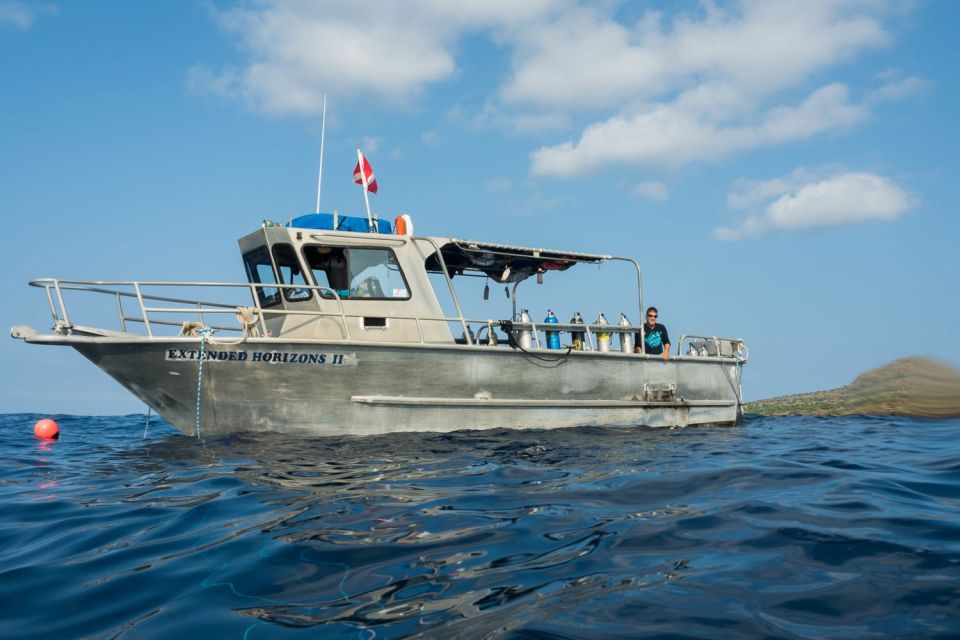
Book on GetYourGuide →Operated by Extended Horizons · Bookable on GetYourGuide
You’ll go from shore to the water fast. This beginner-friendly intro scuba session off Lahaina gives you a real PADI-style lesson first, then time in calm island water to practice breathing and buoyancy. I love that it’s built for brand-new folks, with small-group attention that keeps things manageable.
The second thing I like: you’re not just put in the water and hoped for the best. You get hands-on coaching, gear use, and safety guidance through the whole experience—often with instructors who tailor the pace when nerves show up. One consideration: you must be physically healthy, and the activity isn’t suitable for everyone (including non-swimmers, people with certain medical issues, and pregnant travelers).
In This Review
- Key things that make this intro scuba experience work
- Setting off from Lahaina: what the first hour really feels like
- A clear 3-hour timeline for complete beginners
- Shore coaching: regulator breathing and buoyancy that actually makes sense
- What you’ll see off Lahaina: turtles, reef fish, and rays
- Instructor attention in a group of 4: why it calms your nerves
- Gear and included items: what you don’t have to plan
- Price check: is $230 good value for Maui?
- Health and safety: the rules that affect whether you can go
- Conditions and expectations: rain happens, and you’ll still learn
- Who this intro scuba session is best for (and who should pass)
- Should you book this Maui intro scuba experience?
- FAQ
- Do I need scuba certification to go?
- How long is the experience?
- What group size should I expect?
- Is scuba equipment provided?
- Does the price include water?
- Is hotel pickup and drop-off included?
- Where do we meet?
- Can I fly the same day or within 24 hours?
- What medical paperwork is required?
- Who isn’t suitable for this experience?
Key things that make this intro scuba experience work
- Small group of up to 4 means more time with your instructor and less waiting around
- Shore lesson before the ocean so you learn regulator use and buoyancy in familiar conditions
- Certified PADI instructor coaching throughout, not just a quick talk
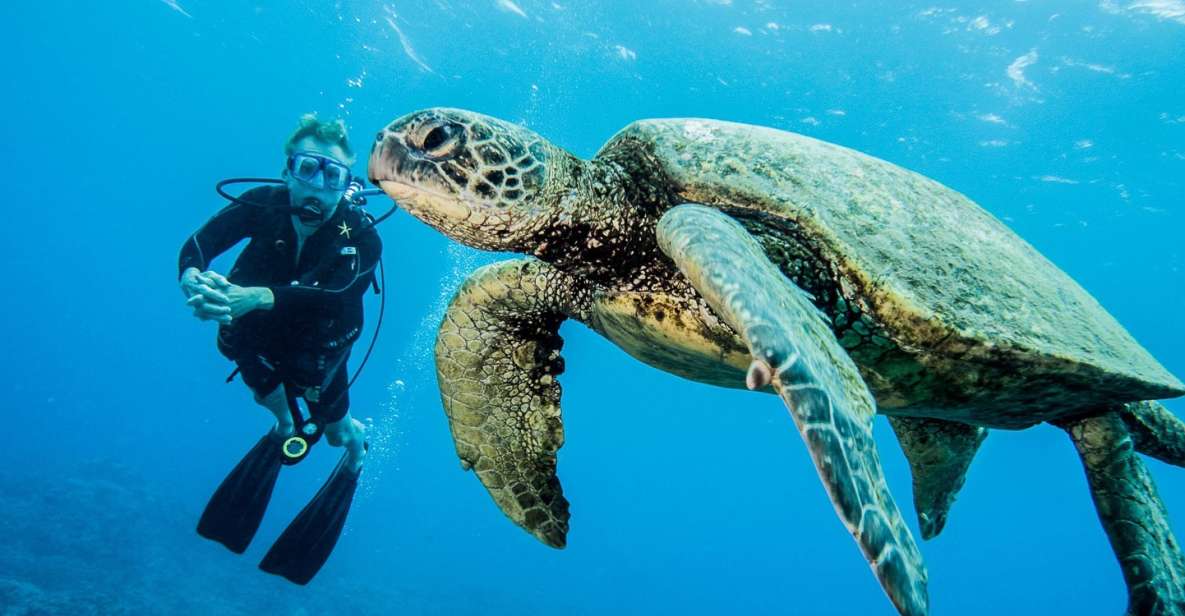
- Marine life targets like green sea turtles, reef fish, and rays
- All gear plus water included so you can show up and focus on learning
- Counts toward certification even though this class does not include the actual credential
Setting off from Lahaina: what the first hour really feels like
This experience is anchored in Lahaina, with you starting and ending at the meeting point (the exact spot and your guide’s name are sent the day before). There’s no hotel pickup, so plan to arrive on time and ready to go. That sounds minor, but it matters: with first-time scuba, the schedule is tight, and being late can throw off your training flow.
The vibe here is very “learn the basics, then go.” You’ll begin with a short classroom-style session where your instructor explains what you’ll do and how you’ll do it safely. Expect lots of small steps: how the scuba system works, how breathing through the regulator feels, and how buoyancy control keeps you comfortable.
One nice detail: the meeting logistics are intentionally simple. You start at one place, and you finish back there. No long bus rides, no multiple transfers. You’re not spending your energy navigating Maui’s roads when you’d rather be thinking about what you’ll see underwater.
You can also read our reviews of more scuba diving tours in Maui

A clear 3-hour timeline for complete beginners
The total time is about 3 hours, and it’s structured to help you build confidence without rushing. Here’s how the pacing usually lands for first-timers:
First, you suit up with the help of your instructor. Then comes the briefing: regulator breathing, safe swimming basics, and buoyancy fundamentals. The point isn’t to make you an expert. It’s to make sure you’re comfortable enough to enjoy the ocean part without panic.
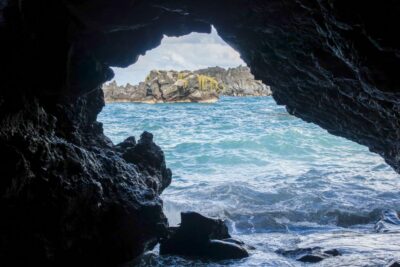
Next, you head into the calm, clear water off a tropical beach near Lahaina with your instructor. This is where you practice what you learned—while also taking in the marine scenery. You’re not doing complicated navigation. You’re learning how to move underwater smoothly, using controlled breathing and buoyancy rather than brute strength.
Finally, you wrap up back at the meeting point. Since the experience is short, every segment matters. If you’re the kind of traveler who likes a “do it, learn it, then relax” day, this format fits really well.
Shore coaching: regulator breathing and buoyancy that actually makes sense
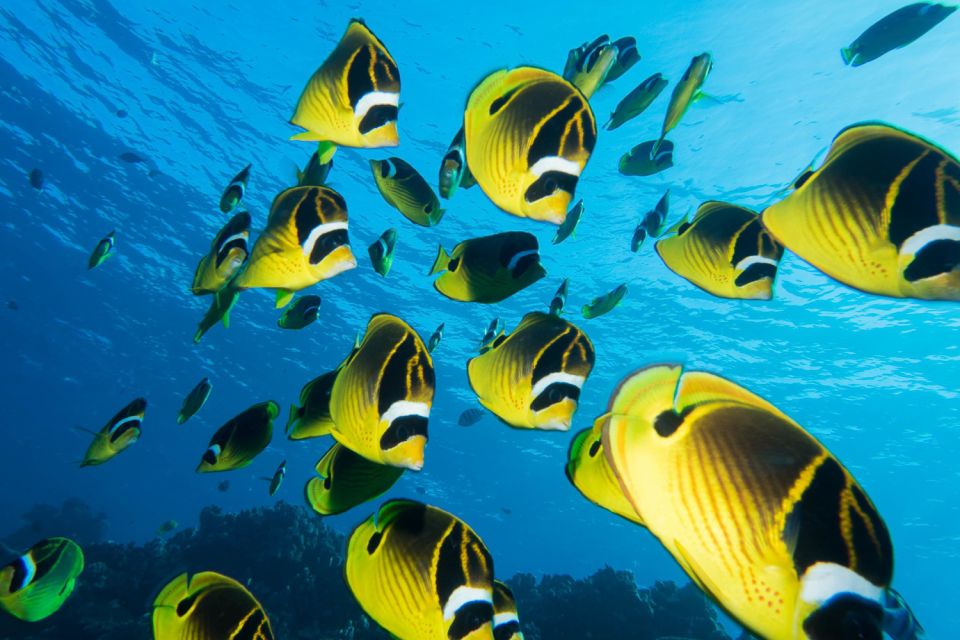
For many first-timers, the hardest part is psychological: the moment you realize you’re breathing underwater. That’s why this session begins on shore. You’ll learn how to breathe through the regulator and how to manage your body in the water column.
Buoyancy is the big skill. When you get it even a little right, everything feels easier—your legs stop working overtime, and your fin kicks stop turning into a frantic flail. The course is designed so you practice the essentials with direct instructor help, not with trial-and-error alone.
I also like that the class emphasizes safety basics while you learn. You’ll cover the key safety steps before you enter the ocean water. That helps your brain stop treating every sound and movement underwater like an emergency.
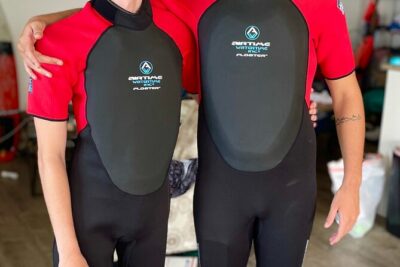
And yes, you’ll use the required scuba equipment included in the price. That matters because first-time scuba is confusing enough without adding “What size is this?” and “How does this adjust?” to the mix.
What you’ll see off Lahaina: turtles, reef fish, and rays
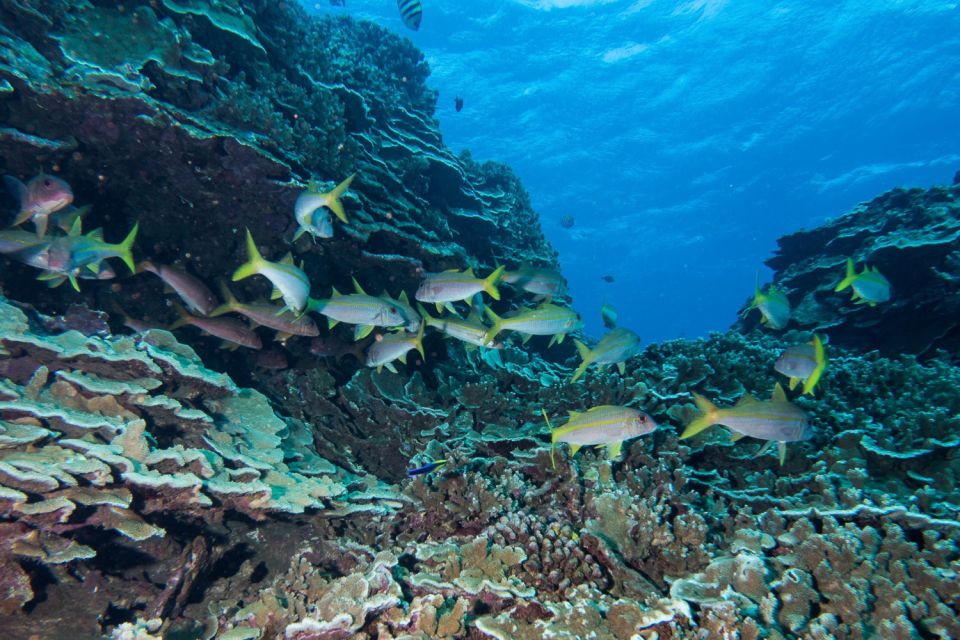
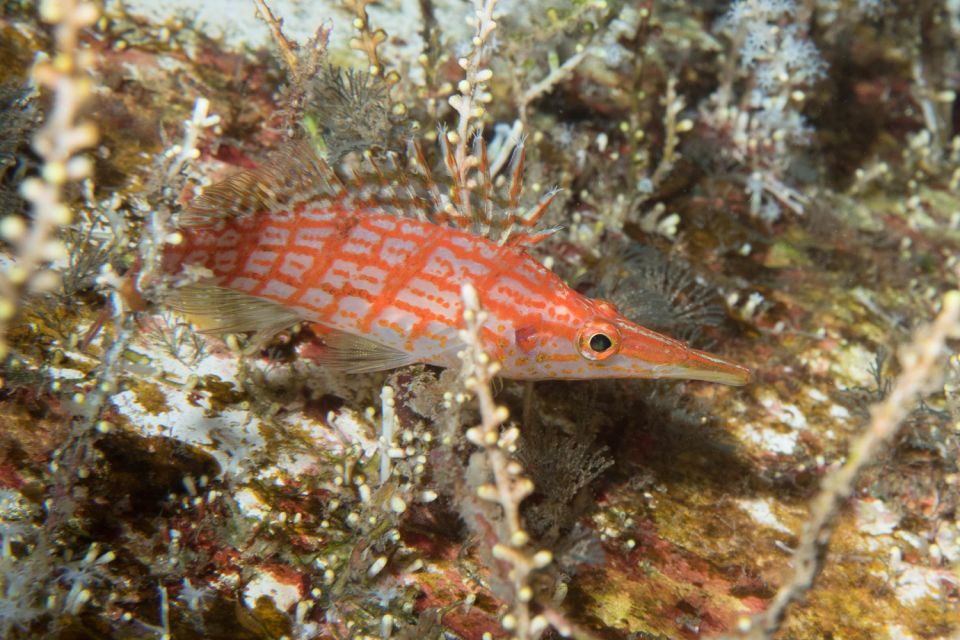
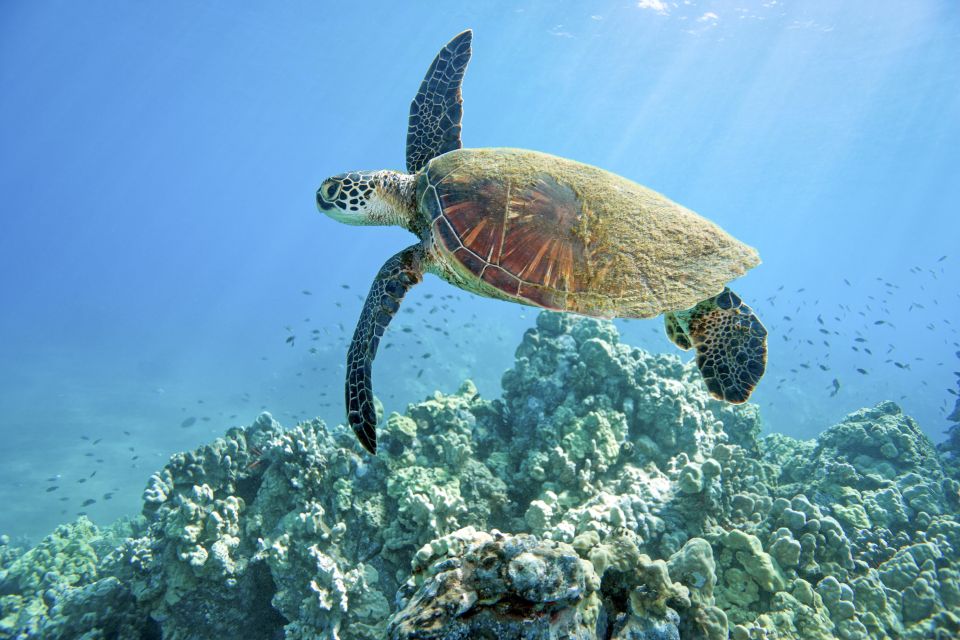
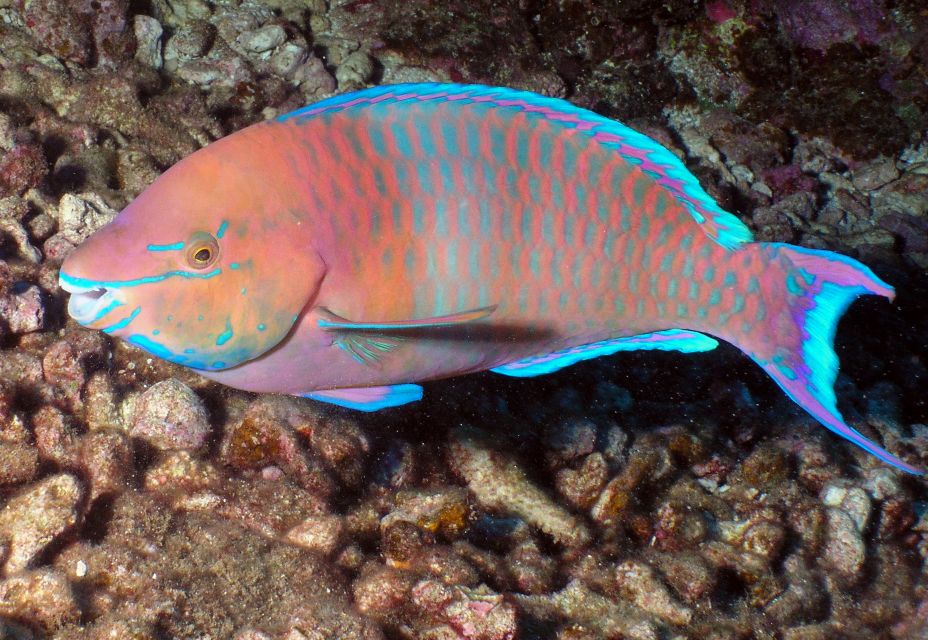
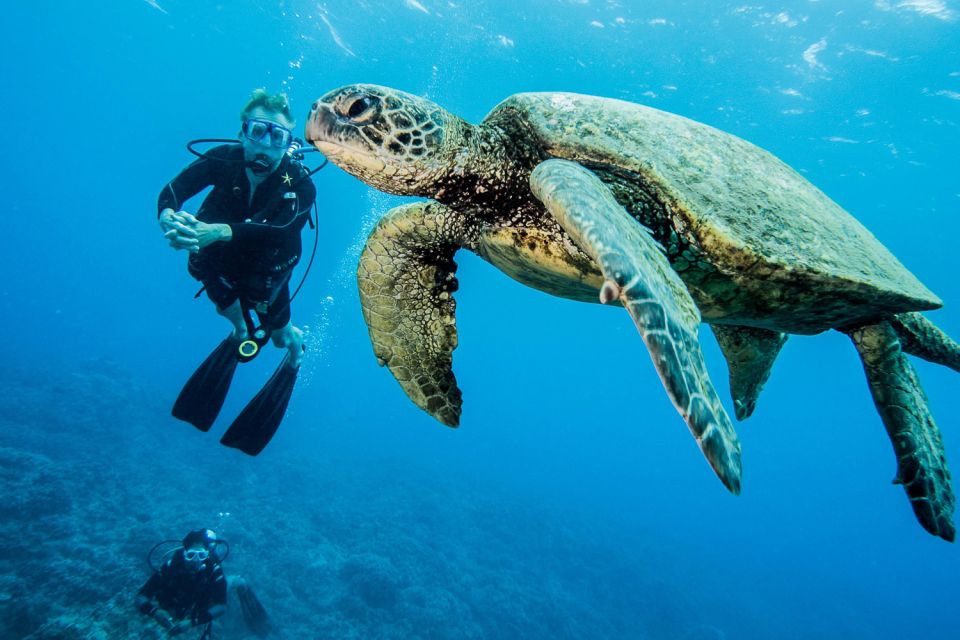
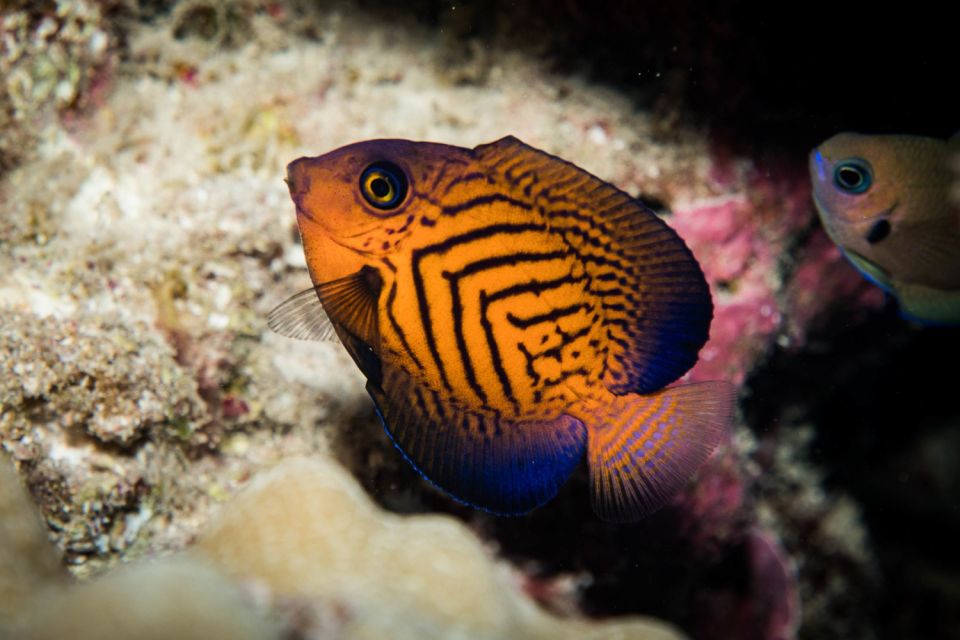
The underwater part is described as educational and fun, focused on what you can actually experience as a beginner. Expect to encounter marine life like green sea turtles and tropical reef fish. Rays may also be part of the sights, depending on conditions.
Two things are worth knowing if you’re planning your expectations:
- You’re working on skills, not trying to race through a “bucket list” checklist. That means you’ll likely spend time looking and practicing at the same time.
- Water conditions can change. One diver noted that rain and reduced underwater visibility can happen, but the experience was still memorable—specifically with spotting a turtle and lots of fish.
So if you’re thinking, I want the full-color postcard view every time, you might feel disappointed after rougher weather. If you’re more focused on learning and spotting life, you’ll probably still come away happy.
Instructor attention in a group of 4: why it calms your nerves
The small group limit—no more than 4 participants—isn’t just a marketing point. In real life, it changes how safe you feel while learning.
Instructors often coach one-on-one as needed. In the feedback you’ll find, multiple people praised the way their instructors kept things calm and explained them clearly, especially when anxiety kicked in. Names you might see in the mix include Rick, Emma, Gu, Mia, and Dave, and the common thread is strong teaching—organized, friendly, and patient.
A couple of themes show up again and again:
- Instructors tailor the pacing to your ability and comfort level.
- If you’re nervous, they use calm reassurance rather than pushing through.
- They stay engaged the whole time, not just during the initial briefing.
That’s the difference between a “try it once” moment and feeling genuinely confident about the basics.





Gear and included items: what you don’t have to plan
You’ll be provided with the required scuba equipment and water during the experience. That’s a real time-saver on Maui, where it’s easy to burn your energy on planning details you don’t need.
Because everything essential is handled, you can show up focused on the lesson. Your job is basically to listen, follow instructions, and be honest about how you’re feeling in the water.
If you’re a planner, you’ll still want to bring your standard essentials for a beach-based activity: swim-ready clothing if you prefer, sun protection, and anything you need for comfort in warm conditions. (The tour includes the scuba stuff; it won’t handle your personal sun habits.)
Price check: is $230 good value for Maui?
At $230 per person for about 3 hours, you’re paying for more than just access to ocean water. You’re paying for:
- instruction from a certified PADI instructor
- gear included
- close supervision in a tiny group
- a structured setup (shore learning + ocean practice)
I consider this value-driven if you want a true beginner introduction without the stress of sorting equipment or figuring out what to do underwater. It’s also a good fit if your goal is to build toward certification, because the course can count toward certification (though this specific class does not include the certification itself).
If you’re already an advanced diver and you mostly want long bottom time, you might not love the price-to-time ratio. But for first-timers, the focused coaching is the point—and that’s what you’re buying.
Health and safety: the rules that affect whether you can go
Before you book, read the “know before you go” notes like they matter—because they do.
- You’ll fill out a medical waiver and submit it before arrival to the local dive partner in Maui.
- You need to be physically fit and in good health.
- Flying within 24 hours after your scuba session is not permitted.
- The activity is not suitable for people with back problems, heart problems, or for pregnant women.
- It’s not suitable for wheelchair users and non-swimmers.
One extra caution from the feedback: one participant flagged that having surgery within the past 12 months could cause you to be unable to participate. Even if you’re not sure where you fit, the safest move is to ask questions early and be straight about your medical history before travel pressure builds.
If you’re anxious about safety, this type of guided beginner training is exactly where you should feel supported. Still, your responsibility is to meet the health requirements so your instructor can teach confidently and safely.
Conditions and expectations: rain happens, and you’ll still learn
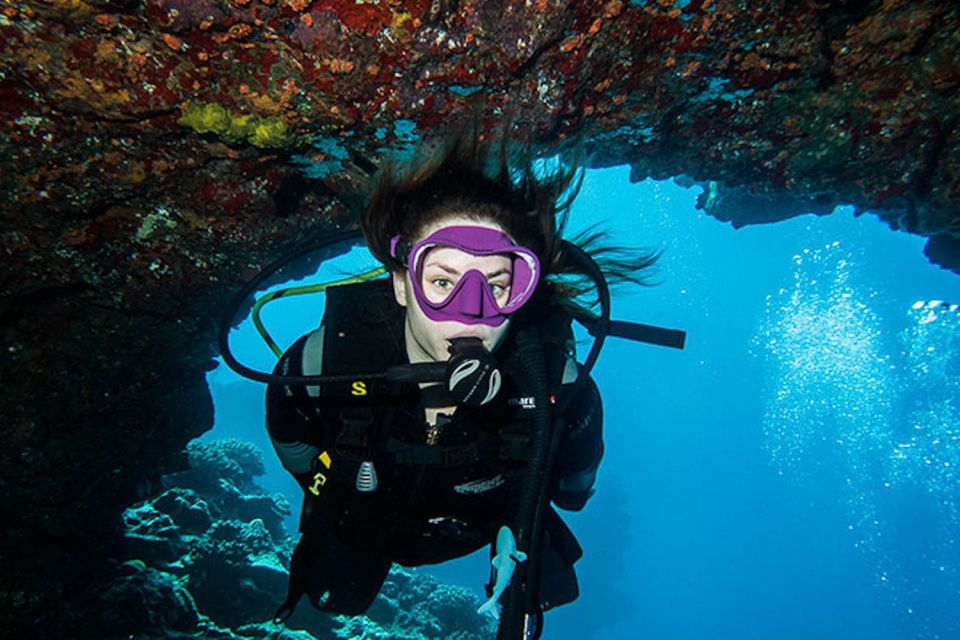
Maui weather isn’t always what you see on a forecast screenshot. One diver mentioned that rain led to erosion and reduced underwater clarity, and even then they still spotted a turtle and many fish. That’s a useful reminder: underwater visibility can vary.
If the water is cloudy, your training can still be successful. You’ll be learning skills—breathing, buoyancy, and controlled movement—regardless of whether the reef looks like a perfect postcard.
If you’re a visual “color and clarity” person, you might have to accept that the ocean has its own schedule. The good news is that your instructor is focused on helping you have a safe, positive experience even when conditions aren’t ideal.
Who this intro scuba session is best for (and who should pass)
This is designed for beginners who want to experience scuba basics without prior certification. It’s also a great “try it first” option if you think you might want to pursue certification later.
You’ll probably love it if:
- you’re new to scuba and want clear step-by-step teaching
- you want one-on-one-style attention in a small group
- you’d like to see turtles and reef life as part of your learning
- you want a short, structured activity that fits into a Maui itinerary
You should think twice or ask targeted questions if:
- you have back or heart concerns
- you’re pregnant
- you use a wheelchair
- you’re not a confident swimmer (since the activity is listed as not suitable for non-swimmers)
Should you book this Maui intro scuba experience?
I’d book it if your priority is learning scuba basics the safe way, with PADI-certified instruction and a small group that doesn’t turn your first time underwater into a chaotic free-for-all. The setup makes sense: shore practice first, ocean practice second, and time focused on comfort and control.
I wouldn’t book it if you can’t meet the medical and physical requirements, or if you’re hoping for a long, independent underwater “adventure day.” This is a beginner introduction, not a multi-hour advanced exploration.
If you’re on the fence, the decision rule I’d use is simple: if you want a guided first experience that leaves you more confident than when you started, this one is built for that outcome.
FAQ
Do I need scuba certification to go?
No. This is an introductory scuba experience and does not require certification, but it can count toward certification.
How long is the experience?
It lasts about 3 hours.
What group size should I expect?
It’s a small group limited to 4 participants.
Is scuba equipment provided?
Yes. The experience includes the use of required scuba equipment.
Does the price include water?
Yes, water is included.
Is hotel pickup and drop-off included?
No. Hotel pickup and drop-off are not included, and you’ll meet at the designated meeting point.
Where do we meet?
The meeting point and your guides name are provided the day before the dive. You should contact the operator to confirm the time and location.
Can I fly the same day or within 24 hours?
No. Flying within 24 hours after diving is not permitted.
What medical paperwork is required?
You must fill out a medical waiver and submit it before arrival to the local dive partner in Maui.
Who isn’t suitable for this experience?
It’s not suitable for pregnant women, people with back problems, people with heart problems, wheelchair users, and non-swimmers.