REVIEW · MAUI
Maui: Haleakala Sunrise Eco Tour with Breakfast
Book on GetYourGuide →Operated by Bike Maui · Bookable on GetYourGuide
Getting to Haleakala in the dark pays off big. This guided Haleakala sunrise eco tour turns pre-dawn black into orange-pink light on a dormant volcano, then you get real context about why this place matters spiritually. I also love how the certified interpretive guide ties together the geology and the living high-altitude ecosystem. One clear trade-off: it’s cold up there, and the morning can feel tight if weather doesn’t cooperate or if your breakfast timing overlaps with your view.
Most of the experience is built around a single goal—being in the right place for daybreak—so the day runs early and moves with purpose. Hotel pickup and national park entry are included, and the tour ends with breakfast in Paia after you’ve come down from Haleakala. I’ve heard praise for guides like Eddie for explaining things exceptionally well, but I’d plan to dress for wind and cold first, then trust the timing second.
In This Review
- Highlights You’ll Actually Remember
- Why Haleakala Sunrise Tours Feel Special (and Not Just Scenic)
- Getting There Early: Pickup Zones and Morning Logistics
- The Pre-Dawn Climb: From Quiet to Awe
- Haleakala Sunrise at the Summit: What You’re Aiming For
- After Sunrise: Visitor Center and Haleakala Ranch Stops
- Upcountry Maui: Learning a Different Maui
- Paia Breakfast After Sunrise: Nice Reward, Tight Timing
- Price and Value: Is $275 Worth It?
- Who This Tour Fits Best (and Who Should Skip)
- A Quick Reality Check: What Can Go Wrong
- Should You Book This Haleakala Sunrise Eco Tour with Breakfast?
- FAQ
- How long is the Haleakala sunrise eco tour?
- Do I get hotel or cruise ship pickup and drop-off?
- What’s included besides transportation?
- What day-of-week pickup sides are offered?
- What language are the guides?
- Will breakfast be served right after sunrise?
- What time of day is the sunrise part?
- Is sunrise guaranteed?
- What should I wear for Haleakala?
- Is this tour okay for kids or after scuba diving?
- What’s the cancellation window?
Highlights You’ll Actually Remember
- Pre-dawn to sunrise color shift: the sky changes from dark to pink/orange/purple on the way up to Haleakala.
- Certified interpretive guidance: you’ll get explanations of geology, native flora and fauna, and cultural/spiritual meaning.
- A descent with multiple viewpoints: Visitor Center, Haleakala Ranch, and Upcountry Maui stops keep the story going after sunrise.
- Paia breakfast (in the North Shore town vibe): you eat after sunrise in Paia, not back at the summit.
- Weather is part of the deal: if visibility is limited, you may still see craters lower down after the guide waits for clearing.
Why Haleakala Sunrise Tours Feel Special (and Not Just Scenic)
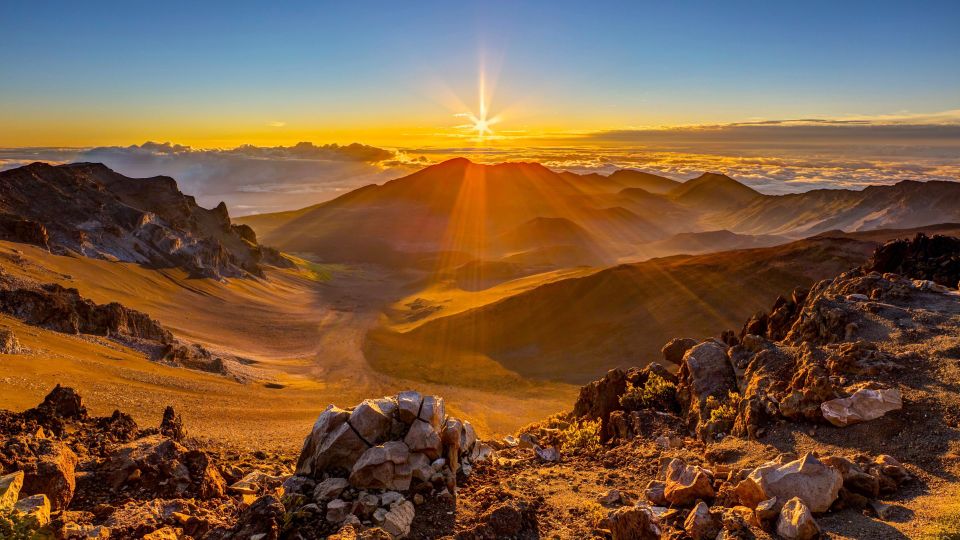
Haleakala is one of those places where the view is only half the payoff. The other half is what the guide helps you notice: how the volcano shaped the land, how plants and animals adapt to harsh elevation, and why Hawaiians treat this summit as spiritually important.
You’re also starting at roughly 10,000 feet, which changes how the whole morning feels. The air is cooler, the wind can get sharp, and the sky becomes your main event while you wait for light.
This tour also has a clear rhythm: summit for sunrise, then a paced descent that keeps you moving through different sides of Maui. That matters because many Maui days are “drive, stop, take photos, repeat.” Here, the stops feel linked by a theme—how this landscape works and what it means.
You can also read our reviews of more tours and experiences in Maui
Getting There Early: Pickup Zones and Morning Logistics
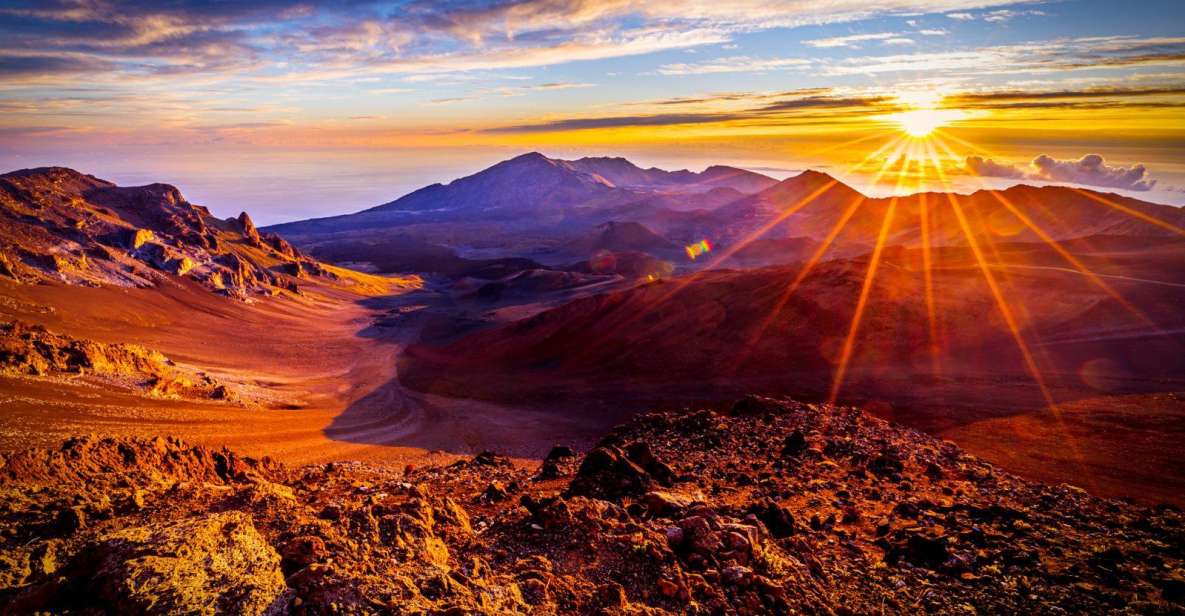
Hotel pickup and drop-off are included, and that’s a big part of the value at this price point. You don’t have to worry about parking logistics for the national park area, and you’re not relying on a rental car at sunrise hours.
One detail that can affect your day: pickup timing is split by where you’re staying and what day you go. The West & Central side runs on Monday/Thursday, and the South & Central side runs on Tuesday/Friday. Your pickup time depends on your hotel/resort/condo/harbor address, so double-check what you send before the morning of your tour.
Duration is listed as 6.5 hours, which sounds neat on paper. In real life, it means the group leaves early, you’re active for most of the morning, and the day ends after breakfast in Paia. If you’re the type who likes to sleep in and wander slowly, you’ll feel the early start.
Also: the tour is English-language, and it runs with certified interpretive guides. Expect an educational tone, not a silent van ride with a playlist.
The Pre-Dawn Climb: From Quiet to Awe
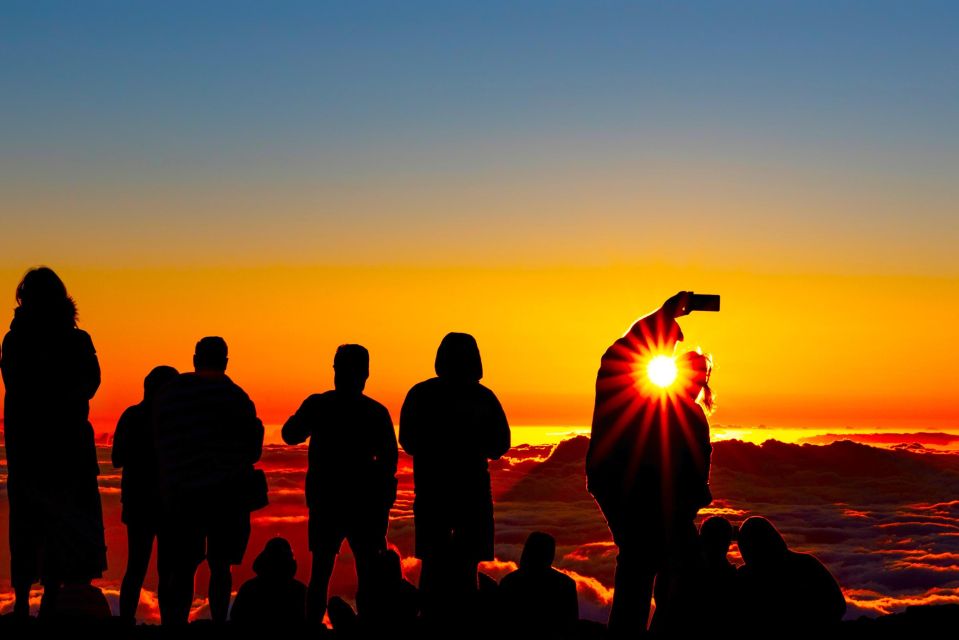
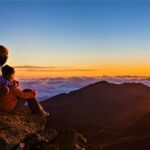
This is where you feel the “eco tour” framing in spirit, even if the main focus is sunrise and interpretation. You arrive to a cool, serene pre-dawn atmosphere—then the sky starts to respond.
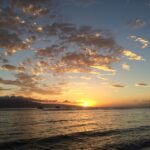
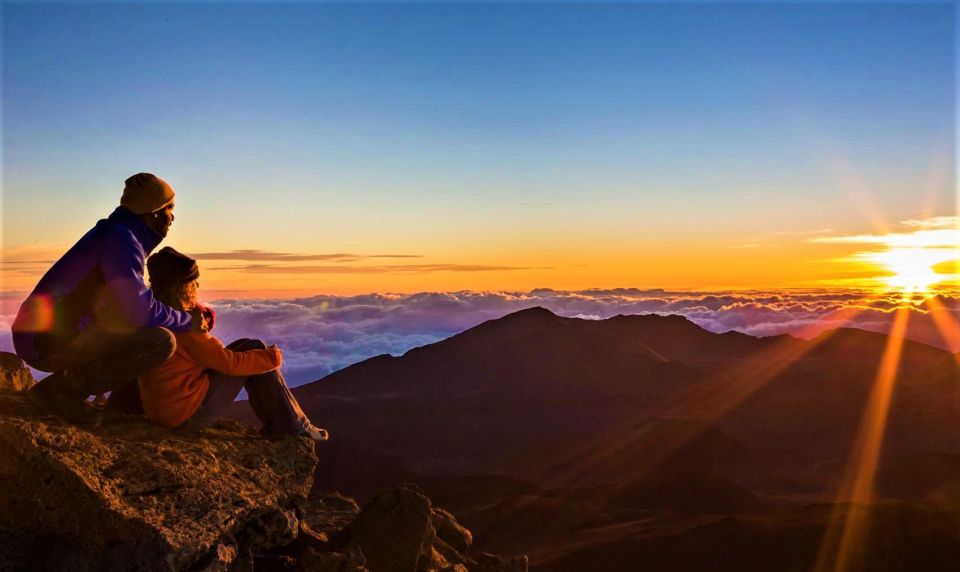
At Haleakala, you’re often waiting in near-darkness as the world slowly brightens. One review nailed the feeling: the pre-dawn darkness turning into a canvas of orange. That color shift isn’t just pretty; it’s the emotional engine of the whole experience.
Practical note: you’ll want warm layers. One past guest said the temperature wasn’t ideal and that it was really cold and windy at the summit, which is exactly what you should plan for when you’re going that high and staying exposed. A wind-resistant outer layer can make the difference between tough-but-fine and miserable.
And yes, it’s early. The tour hits the summit for daybreak, so you’ll be trading sleep for those first rays.
Haleakala Sunrise at the Summit: What You’re Aiming For
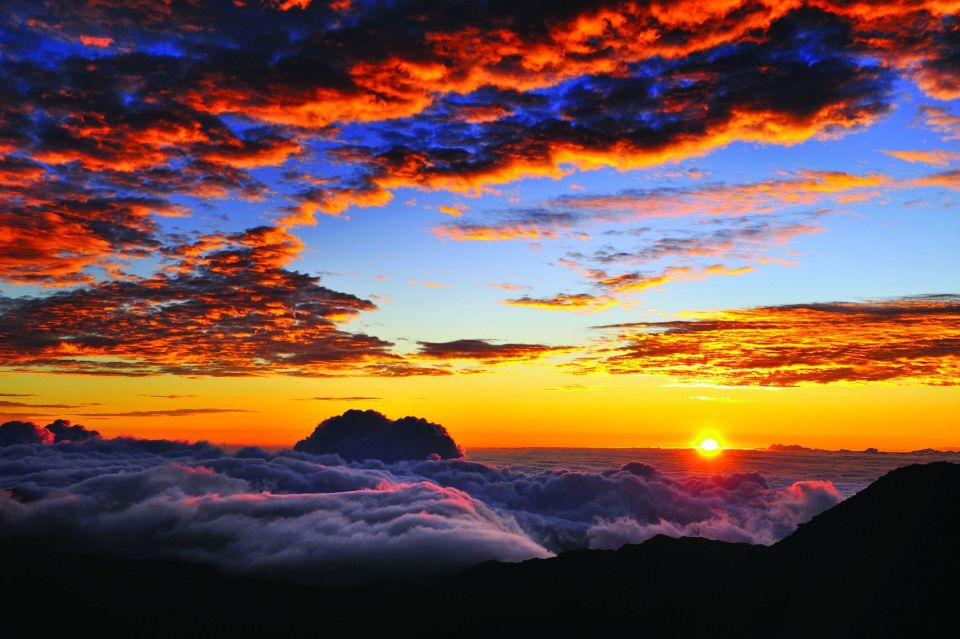
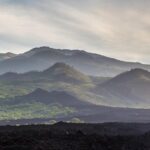
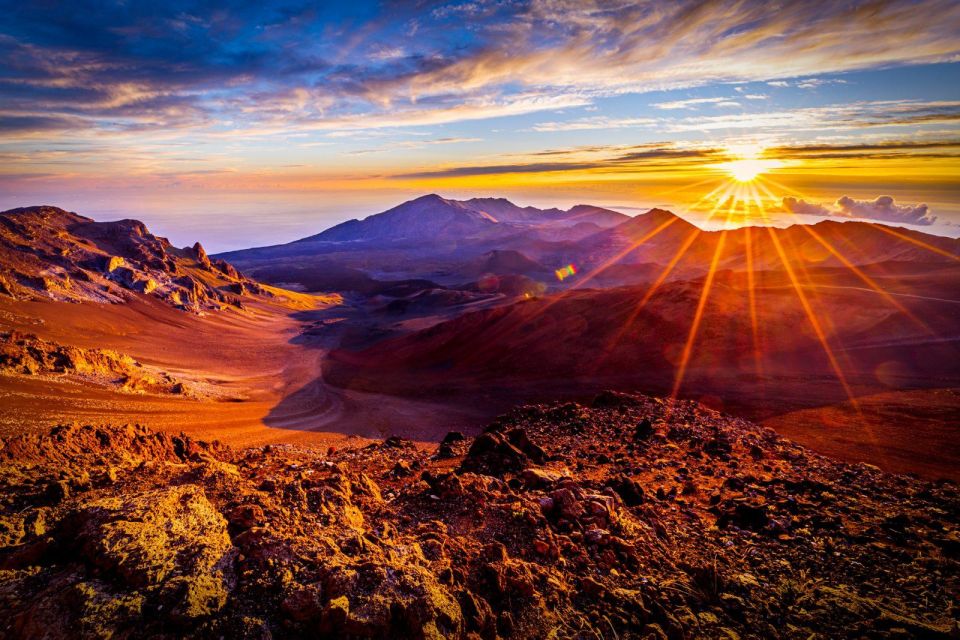
The goal is simple: watch the sunrise from the summit area of Haleakala National Park. You’ll be there as the sky transitions through pink, orange, and purple, then watch the sun climb higher.
This isn’t just “look at the sun.” The guide will explain what you’re seeing—geology, ecosystems at elevation, and how native flora and fauna survive in this high-altitude environment. You’ll also hear about the spiritual importance of Haleakala in Hawaiian culture, and how that meaning shapes how people talk about and respect the site.
A key consideration: sunrise visibility can depend on conditions. One guest reported that they didn’t see sunrise due to weather and cold, even though the guide kept trying and waited for a clearing. In that scenario, the group stopped a little further down to see craters of the volcano.
That’s a good sign for you as a planner. It suggests the guide isn’t just rushing to the photo and leaving. They’re watching the sky and adjusting if needed.
After Sunrise: Visitor Center and Haleakala Ranch Stops
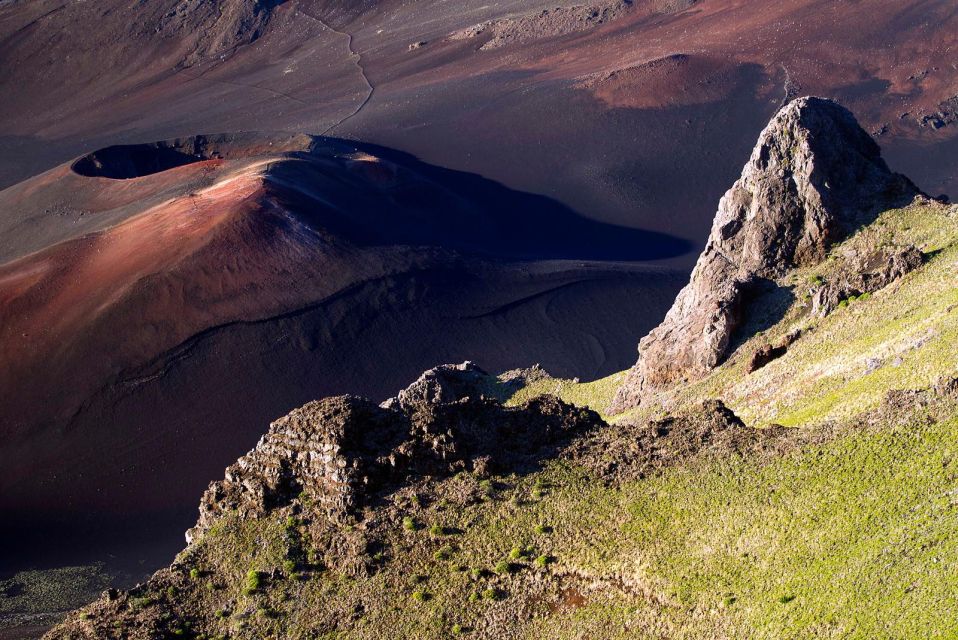
Once the sun is up, the tour shifts from “holding your breath for light” to “understand what shaped the place.” Your descent includes stops such as the Haleakala National Park Visitor Center and Haleakala Ranch.
Why those stops matter:
- The Visitor Center gives you context. Even if you already read a bit, standing there after sunrise helps the explanations stick.
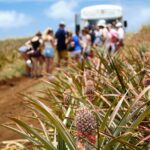
- Haleakala Ranch adds a human layer. You get a sense of how ranching and land use interact with this dramatic volcanic environment.
This part of the day can be surprisingly satisfying if you’re the type who likes meaning behind the view. Instead of just driving down, you’re building a mental map of what the landscape is doing.


Upcountry Maui: Learning a Different Maui
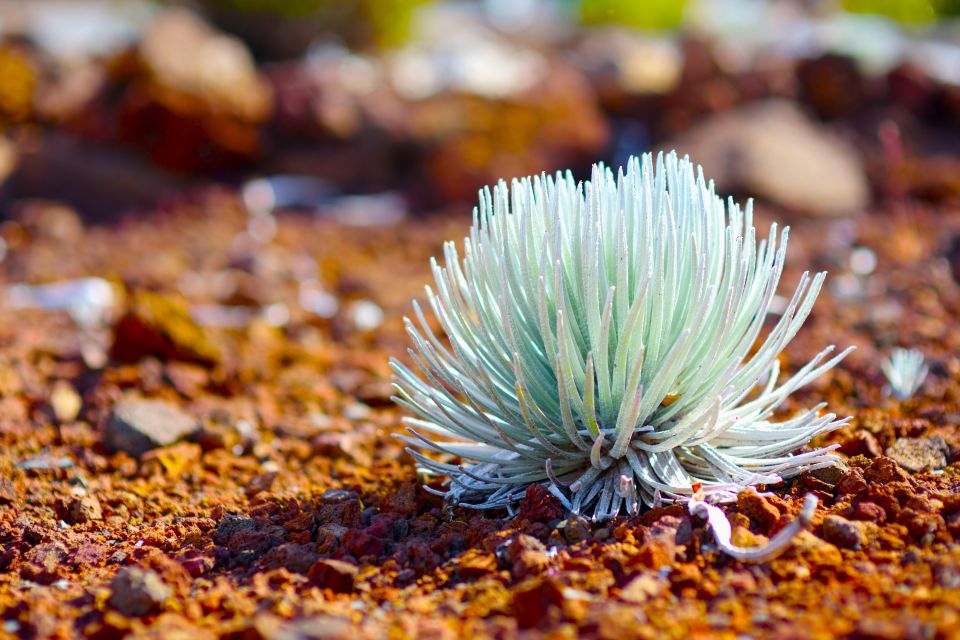
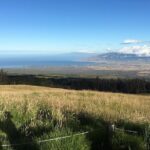
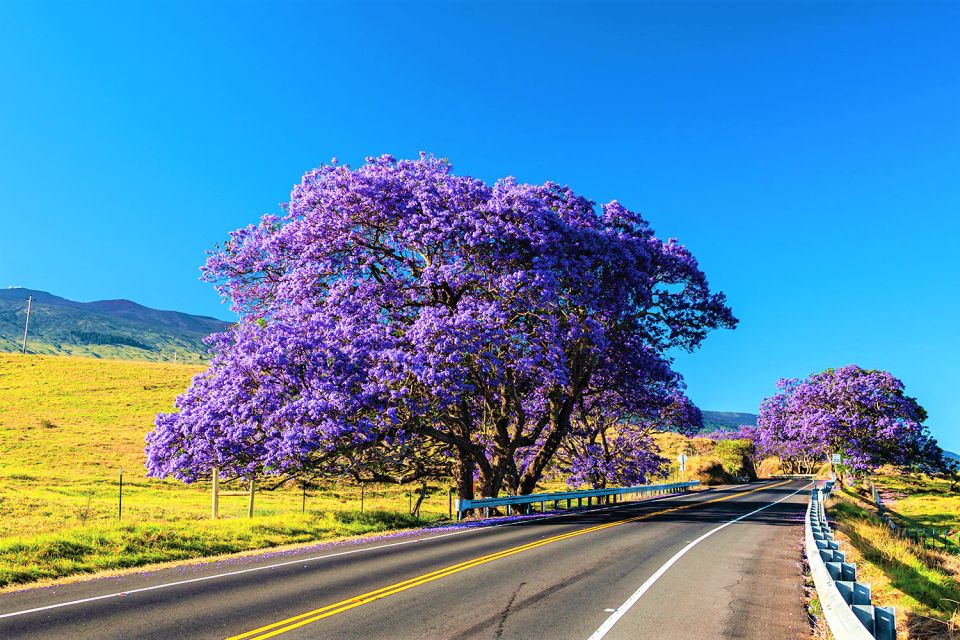
After the summit, you head into Upcountry Maui. This region is where Maui feels less like the ocean postcard and more like high-elevation Maui life—cooler air, different vegetation, and a sense of wide-open distance.
The guide helps you read what you’re seeing, with interpretation that connects the volcano story to what’s alive now. You’re not just moving through a scenic road; you’re getting the “why” behind the changes in altitude and environment.
Upcountry stops can also break up the adrenaline of sunrise. After the cold wait and the big moment, this is where the tour becomes more comfortable and more conversational.
Paia Breakfast After Sunrise: Nice Reward, Tight Timing
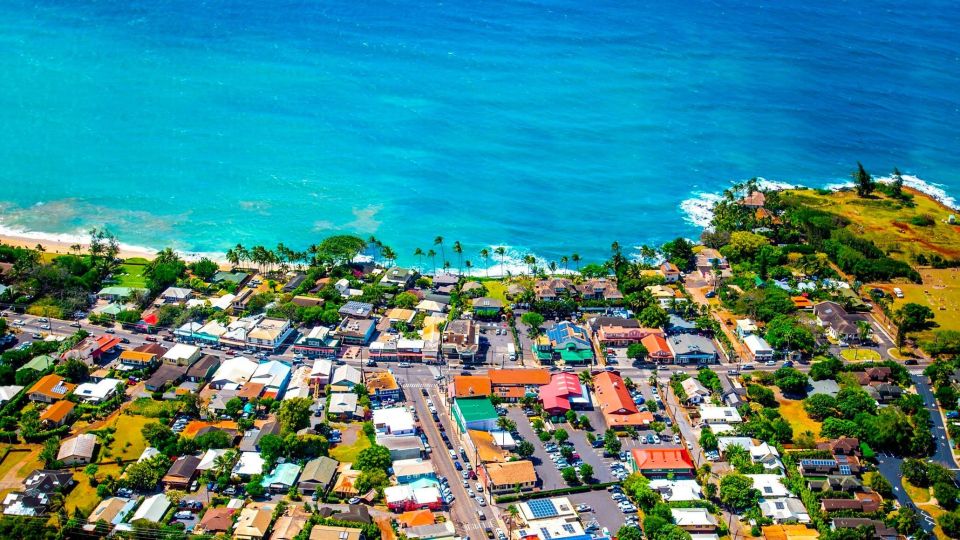
The tour ends in Paia, a charming North Shore town, for breakfast after sunrise. Breakfast is included, but here’s the one honest heads-up you should not ignore: it may not feel like a classic morning breakfast.
One review said breakfast wasn’t really breakfast, more like lunch—burgers were part of the menu—and it was served around 9 a.m. Another guest described the food as delicious but still treated it as a meal reward after the morning effort.
So what should you do with that information?
- If you expect pancakes and fruit, you might be disappointed.
- If you want a hearty, simple reset after a long early morning, you’ll probably feel fine.
Also, timing matters. One guest described being rushed at the volcano because they had to eat breakfast. That’s not the experience everyone reports, but it’s a reason to manage your expectations. If you’re the type who hates feeling time-boxed, keep your morning mindset flexible.
Price and Value: Is $275 Worth It?
At $275 per person, you’re paying for four big things: early transport (pickup and drop-off), national park entry, certified interpretive guides, and breakfast. For many Maui activities, the “guided” part is where the cost actually turns into value—especially for a place like Haleakala where altitude, ecology, and cultural meaning matter.
This tour is most likely worth it if:
- You want a guide to explain what you’re looking at, not just point at scenery.
- You don’t want to coordinate sunrise logistics on your own.
- You care about the cultural/spiritual context and the high-altitude ecosystem story.
It may feel overpriced if:
- You only care about photos and would rather drive yourself to sunrise spots.
- You expect a leisurely pace and lots of extra time at each stop.
- You strongly prefer a classic sit-down breakfast experience.
The good news is that the tour isn’t just “ride to sunrise and leave.” Between the summit, Visitor Center, Haleakala Ranch, Upcountry Maui, and the Paia meal, you’re covering a lot of Maui in one morning with interpretation throughout.
Who This Tour Fits Best (and Who Should Skip)
This experience is best for people who enjoy sunrise, don’t mind cold starts, and like learning while they travel.
It’s also a solid match if you’re fascinated by:
- volcano geology and ecosystems at elevation
- cultural and spiritual context tied to sacred Hawaiian places
- guided pacing that keeps the day efficient and focused
Not suitable for:
- children under 5
- people who have dove within the prior 24 hours
If you’ve recently been scuba diving, the altitude component is exactly why you should follow the “not suitable” guidance.
And if you’re traveling with someone who hates early mornings or hates the idea of waiting for a clearing, talk it through first. Sunrise tours are partly about conditions.
A Quick Reality Check: What Can Go Wrong
Most mornings run smoothly, but it’s smart to know what can happen. One guest said the excursion was canceled the evening before because they apparently didn’t have a tour for Friday, and parking for a self-drive plan wasn’t possible at the last minute. Another said pickup went wrong at first (driver arrived late and missed their stop) and that breakfast timing made the volcano feel rushed.
I don’t want to scare you off. I’m telling you so you can pack smart and plan with a little margin. If you’re the type who has a super packed schedule later that day, give yourself cushion. Sunrise is early, and when something changes, it can ripple.
Should You Book This Haleakala Sunrise Eco Tour with Breakfast?
Book it if you want the full Haleakala morning experience: summit sunrise, guided interpretation of geology and spiritual importance, and a real end point in Paia after you come down. The value comes from the included park entry, the guide-led education, and the structured day that connects summit to Upcountry Maui.
Skip it or choose a different option if you’re very sensitive to cold, hate time limits, or need a predictable sunrise view no matter the weather. And if you’re expecting a classic American breakfast, adjust your expectations—this meal is more like a hearty post-sunrise stop than a slow breakfast brunch.
If you do book, dress warmly and plan to treat the sunrise as the main event, not the backup plan. When conditions are good, this is the kind of Maui morning you’ll remember for years.
FAQ
How long is the Haleakala sunrise eco tour?
The tour lasts about 6.5 hours.
Do I get hotel or cruise ship pickup and drop-off?
Yes. Pickup and drop-off are included.
What’s included besides transportation?
You get entry into Haleakala National Park, certified interpretive guides, and breakfast.
What day-of-week pickup sides are offered?
The tour notes pickup is West & Central side on Monday/Thursday, and South & Central side on Tuesday/Friday.
What language are the guides?
The tour is listed as English.
Will breakfast be served right after sunrise?
Breakfast is after sunrise in Paia, and one review specifically mentioned breakfast being served around 9 a.m..
What time of day is the sunrise part?
You’ll be at the summit in the pre-dawn hours and watch the daybreak sunrise as the sky changes colors.
Is sunrise guaranteed?
No sunrise guarantee is stated. Conditions can affect visibility, and one guest reported they didn’t see sunrise due to weather and cold, though the guide still adjusted the plan to see craters lower down.
What should I wear for Haleakala?
Bring warm clothes. The summit area can be cold and windy, especially at around 10,000 feet.
Is this tour okay for kids or after scuba diving?
It’s not suitable for children under 5. It also lists that people who dived up to 24 hours prior are not suitable.
What’s the cancellation window?
Free cancellation is offered if you cancel up to 24 hours in advance for a full refund.