REVIEW · OAHU
Oahu: Pearl Harbor Aviation Museum Entry & Hangar Tour
Book on GetYourGuide →Operated by Pearl Harbor Aviation Museum · Bookable on GetYourGuide
WWII hardware, minus the museum fluff. This Pearl Harbor Aviation Museum tour takes you into surviving WWII hangars and helps you connect the dots between aircraft, people, and the attack that changed everything.
I especially like two things: walking through Hangars 37 and 79 where the WWII story is physical, and going up the Ford Island Control Tower for panoramic views. One thing to consider: this experience isn’t suitable for wheelchair users, so plan accordingly if mobility is a concern.
You’ll also get a guided, hour-long structure that keeps you moving—start at the Pearl Harbor Historic Sites Visitor Center, ride a short shuttle onto Ford Island, then return to the visitor center with a clearer sense of what you’re seeing.
In This Review
- Quick hits: what makes this hangar tour worth your hour
- Where this tour starts: the Pearl Harbor Visitor Center and the Ford Island shuttle
- WWII hangars: what Hangars 37 and 79 do to your sense of scale
- A note on the guide-led flow
- The personal story layer: artifacts and the people behind the attack
- Restoration Shop: the practical magic of keeping aircraft history alive
- The Ford Island Control Tower: panoramic views and the attack map in the sky
- What this view is really good for
- Itinerary in plain language: how the hour runs and what to watch for
- What to keep in mind during your time on site
- Price and value: what $40 per person buys you
- Practical tips before you go: shoes, water, photos, and what not to carry
- Who this tour is best for (and who may skip it)
- Should you book the Pearl Harbor Aviation Museum hangar tour?
- FAQ
- How long is the Pearl Harbor Aviation Museum hangar tour?
- Where do I meet for the tour?
- How do I get to the museum on Ford Island?
- What is included in the $40 price?
- What should I bring, and what is not allowed?
- Is this tour wheelchair accessible?
Quick hits: what makes this hangar tour worth your hour
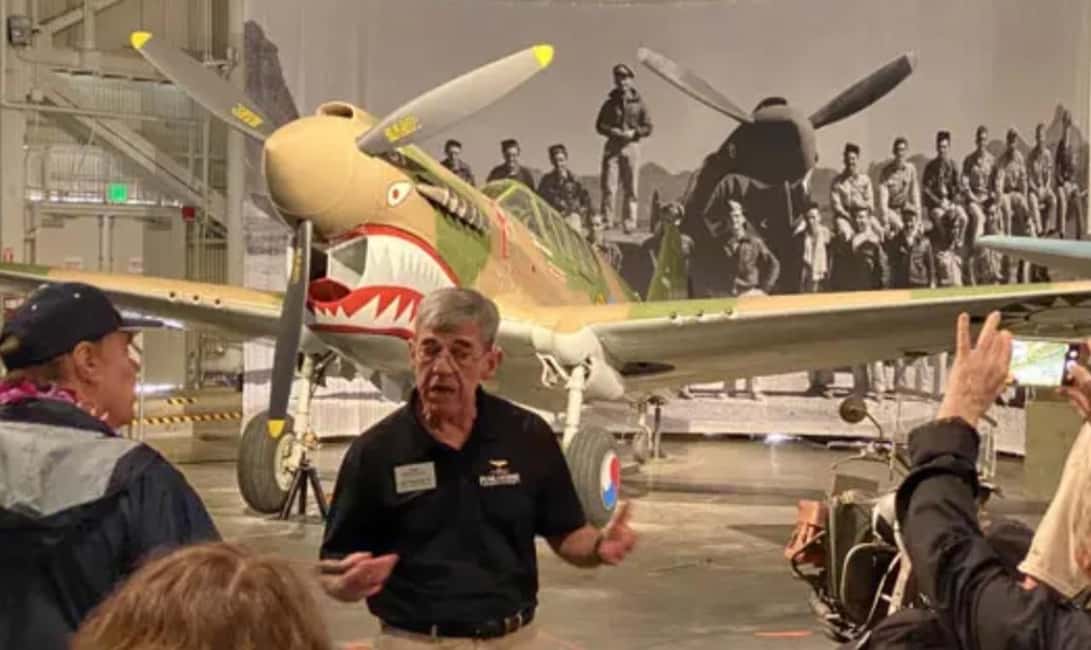
- WWII hangars you can walk inside that were tied to the Dec 7, 1941 attack
- Ford Island Control Tower climb for panoramic views and a birds-eye look across Oahu’s attack points
- Hangars 37 and 79 tour route with a guided visit that stays focused
- Restoration Shop visit for a behind-the-scenes look at aircraft restoration work
- Personal stories through exhibits and artifacts tied to the people involved
- Navy base rules: only a mobile phone and wallet allowed; no backpacks and no flash photography
Where this tour starts: the Pearl Harbor Visitor Center and the Ford Island shuttle
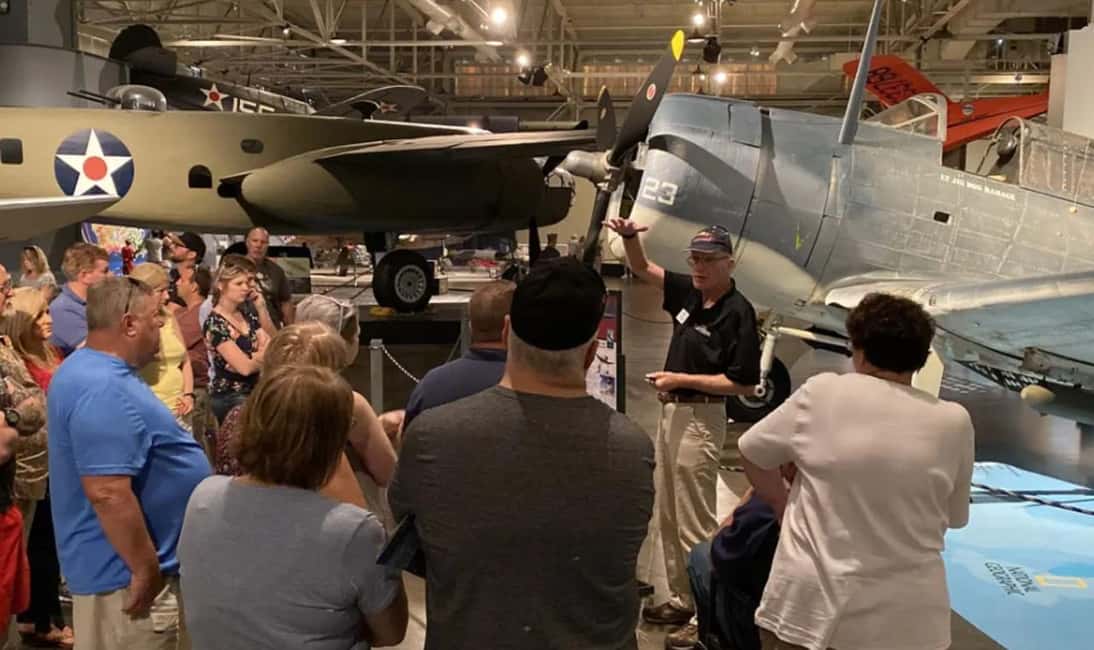
I like that the experience is simple to plug into your day. You begin at the Pearl Harbor Historic Sites Visitor Center, then catch the complimentary shuttle to the Pearl Harbor Aviation Museum—the second stop on Ford Island.
That shuttle ride is short, about 15 minutes, and it matters because you’re not guessing how to get onto the right part of the base. One practical heads-up: this is an active Navy base, so you’ll face security rules immediately, not after you’ve already arrived.
Lockers are limited outside the visitor center. So if you’re arriving with items you don’t want to carry, plan to travel light. Comfortable shoes also matter here, because even with a guided route, you’re still on your feet for a full hour.
You can also read our reviews of more museum experiences in Oahu
WWII hangars: what Hangars 37 and 79 do to your sense of scale

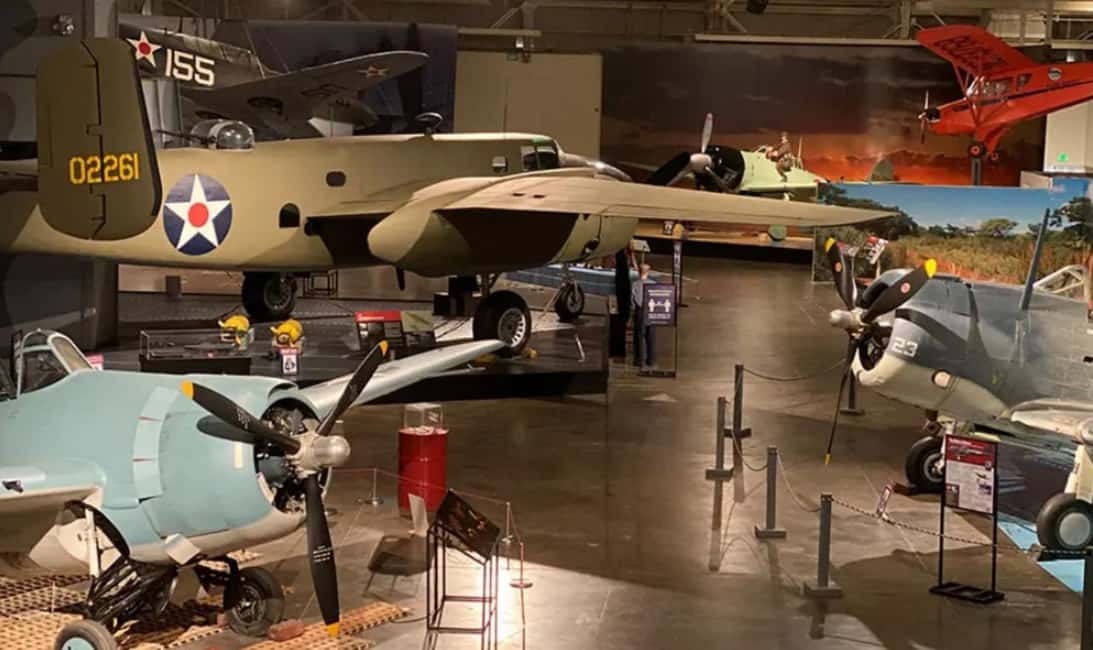
The heart of the tour is the walk through WWII hangars 37 and 79. This is not about looking at images behind glass. You’re inside large structures that have their own scale, sound, and shadows—so the aircraft and the history feel less abstract.
I like how the museum uses the hangars themselves as part of the story. The Dec 7, 1941 attack isn’t treated like a distant date; it’s framed as something that happened on the same operational ground where these aircraft and spaces mattered.
You’ll also see authentic aircraft and historical exhibits during the tour. That combination is what makes the hangars more than a dramatic backdrop. It turns the space into a living timeline: what was here, what changed, and how aviation operations shaped events.
A note on the guide-led flow
You’re with a live English-speaking guide during the museum portion. That guidance is valuable because aircraft history can turn into a blur of models and names fast. A good guide keeps your attention where it belongs: on the human stakes and what each exhibit is meant to explain.
The personal story layer: artifacts and the people behind the attack
The tour doesn’t just show machines. You’re guided through personal stories from the Pearl Harbor attack, plus artifacts connected to what those people faced.
For me, this is where the experience becomes more than sightseeing. Aircraft are impressive, but history sticks when you understand what it meant in real moments—who was doing what, why it mattered, and what happened next. The museum leans into that with the narrative pieces placed throughout the hangar spaces.
As you move from exhibit to exhibit, you’ll start noticing how the museum organizes your attention. It’s set up so you’re always anchoring the scene you’re standing in to a broader event: Pearl Harbor as an aviation battlefield, not just a memorial moment.
Restoration Shop: the practical magic of keeping aircraft history alive
One of the most satisfying parts of this tour is the stop at the Restoration Shop. This is where you shift gears from history you can see to work you can almost imagine happening behind the scenes.
The museum’s approach here is simple but smart: restoration isn’t flashy, but it’s crucial. Aircraft restoration takes time, parts tracking, careful documentation, and real craft. Watching that process conceptually (and seeing the shop as part of the tour) helps you understand why these aircraft are still here to be viewed in the first place.
This also changes how you look at everything else you saw earlier. After the Restoration Shop visit, you’re more likely to notice condition details, materials, and the difference between what’s displayed because it survived and what’s displayed because people kept it from disappearing.






The Ford Island Control Tower: panoramic views and the attack map in the sky
Then comes the high point: the Ford Island Control Tower. You ascend to stand 168 feet above the battlefield area, and you get what the tour describes as the only birds-eye view of all the attack points across Oahu.
If you’ve toured Pearl Harbor areas before, you know it can be hard to picture the geography. From street level, everything feels separate. From the control tower, your brain finally gets a coherent picture of distances, directions, and how the attack areas relate to each other across the island.
This is also a powerful moment because it turns history into something you can see. Instead of memorizing facts, you’re observing a layout—then connecting it back to what you learned inside the hangars.
What this view is really good for
I think the tower view is especially useful if you’re the type who needs spatial clarity. You’ll leave with a better sense of where the action happened across Oahu, not just within the Pearl Harbor complex.
Itinerary in plain language: how the hour runs and what to watch for
Here’s the basic rhythm. Start at the Pearl Harbor Historic Sites Visitor Center. Take the complimentary shuttle (around 15 minutes) to the museum on Ford Island. Then you spend the 1-hour guided tour at the Pearl Harbor Aviation Museum, including the hangars, the Restoration Shop, and the control tower ascent.
At the end, you return to the Pearl Harbor Historic Sites Visitor Center. That finish point is practical because it puts you back at a central location for further Pearl Harbor exploration, rather than leaving you stranded somewhere on the base.
What to keep in mind during your time on site
This is a working base, so the rules are real. The guidance says that only a mobile phone and wallet are allowed. It also says backpacks aren’t allowed, and flash photography isn’t allowed.
So the simple playbook is:
- bring a camera you’re comfortable using without flash
- wear comfortable shoes
- plan to store other belongings at the visitor center area since lockers are limited
Price and value: what $40 per person buys you
The cost is $40 per person for about an hour. That can feel “not cheap” at first glance—especially if you’re comparing it to free exhibits at other memorial locations.
But here’s the value logic. You’re not just entering a museum room and walking freely. You’re paying for a guided tour plus access to key spaces that aren’t the same as standard museum galleries: the hangars (Hangars 37 and 79), the Restoration Shop, and the control tower climb at 168 feet.
Also, the tour is structured. You don’t have to plan a route across multiple buildings or figure out what’s worth your time. For many visitors, paying for a guide is the best way to avoid the “I saw things, but I didn’t learn the connections” problem.
If you want a fast, high-impact aviation-focused angle to Pearl Harbor, this price buys you focus. If you’re the kind of visitor who wants to wander slowly without a set tour path, you might find it a bit structured for your style.
Practical tips before you go: shoes, water, photos, and what not to carry
This experience is short, so the small details matter. The museum guidance is clear about what you should bring and what to leave behind.
What to bring
- Comfortable shoes
- Camera (since you’ll want photos)
- Water, because you’ll be walking and it’s easy to forget hydration
What not to bring
- Backpacks
- Flash photography is not allowed
And don’t ignore the base rule: only a mobile phone and wallet are allowed. That means you should be ready to lock up or pack away anything else before you get to the Ford Island portion.
One more practical angle: since the tour is limited in time, you’ll be moving between hangars and up to the tower. If your feet get sore easily, prioritize shoes that you can walk in comfortably right away.
Who this tour is best for (and who may skip it)
This is a great fit if:
- you like aviation history and want more than general memorial context
- you enjoy learning through guided storytelling and artifact context
- you want that “map in your head” effect from the control tower view
It might be less ideal if:
- you need wheelchair accessibility (the tour isn’t suitable for wheelchair users)
- you want a long, self-paced exploration rather than a guided hour
- you really need to carry a backpack or lots of gear (the rules are strict)
If you’re building a Pearl Harbor day, this tour works well as your aviation-centered stop. It gives you a different lens than purely memorial-style viewing, with the hangars and aircraft context doing a lot of the work for you.
Should you book the Pearl Harbor Aviation Museum hangar tour?
I’d book it if you want the strongest “aviation battlefield” feeling in a compact format. The mix of Hangars 37 and 79, a Restoration Shop behind-the-scenes look, and the Ford Island Control Tower view makes it more memorable than a basic museum walkthrough.
If you’re sensitive to the Navy base rules and you can’t travel light, you’ll want to plan your packing carefully before committing. And if mobility access is a concern, this one isn’t the right match based on the stated suitability.
Finally, since it’s free cancellation up to 24 hours in advance and offers reserve now, pay later, you can keep your plans flexible until you’re sure your schedule is locked.
FAQ
How long is the Pearl Harbor Aviation Museum hangar tour?
The tour duration is 1 hour.
Where do I meet for the tour?
You start at the Pearl Harbor Historic Sites Visitor Center.
How do I get to the museum on Ford Island?
After arriving at the Visitor Center, you take the complimentary shuttle to Pearl Harbor Aviation Museum, which is the second stop located on Ford Island.
What is included in the $40 price?
The price includes museum admission and a guided tour.
What should I bring, and what is not allowed?
Bring comfortable shoes, a camera, and water. Flash photography is not allowed, backpacks are not allowed, and the base has rules allowing only a mobile phone and wallet.
Is this tour wheelchair accessible?
No. It is not suitable for wheelchair users.