REVIEW · OAHU
O’ahu: Pearl Harbor Virtual Reality Center
Book on GetYourGuide →Operated by Pacific Historic Parks · Bookable on GetYourGuide
WWII hits different in a headset. This Pearl Harbor Virtual Reality Center uses National Park Service-created 360-degree tours to put you right on the timeline of December 7, 1941. I love how quickly the staff get you set up—there’s training from the VR team, and the system is designed to be easy to use—so you spend your time watching history, not fiddling with tech. The other thing I really like is the payoff: 360-degree perspectives that help you understand what happened when it happened, from the deck, the air, or the USS Arizona experience.
One thing to plan for: this VR stop does not include the USS Arizona Memorial boat. You still need reservations to access the Memorial, and you’ll want to line that up separately so you don’t end your day with a mixed picture of Pearl Harbor.
In This Review
- Key things to know before you go
- Pearl Harbor Virtual Reality Center: what $11 buys you
- Check-in at the Visitor Center: fast setup, clear direction
- Choose your VR tour: 1 of 3 perspectives on December 7
- Air Raid Pearl Harbor: timeline from the USS Utah deck
- Skies Over Pearl: cockpit view from the Japanese carrier approach
- USS Arizona experience: the deck, the ship, and what’s below
- How the VR format makes the history easier to grasp
- Duration and pacing: a short stop with a strong finish
- What to do before and after: pairing VR with the USS Arizona Memorial
- Who this experience suits best (and who should skip it)
- Price and value: why $11 feels like a good deal
- Practical tips to get the most out of your headset time
- Should you book the Pearl Harbor Virtual Reality Center?
- FAQ
- How much does the Pearl Harbor Virtual Reality Center cost?
- How long is the experience?
- Do I need reservations to access the USS Arizona Memorial?
- Does this VR experience include the boat tickets to the USS Arizona Memorial?
- How many VR tours can I choose from?
- What VR tours are available?
- What language is the instruction in?
- Is the VR center wheelchair accessible?
Key things to know before you go
- VR staff training is part of the experience, so you’re not thrown into the headset blind.
- You choose 1 of 3 VR tours, each focused on a different slice of the attack.
- Equipment is provided, which keeps the whole thing simple and good value.
- It’s at the Pearl Harbor Visitor Center, making it easy to pair with the rest of your day.
- USS Arizona Memorial access is separate, so read your plan carefully.
Pearl Harbor Virtual Reality Center: what $11 buys you
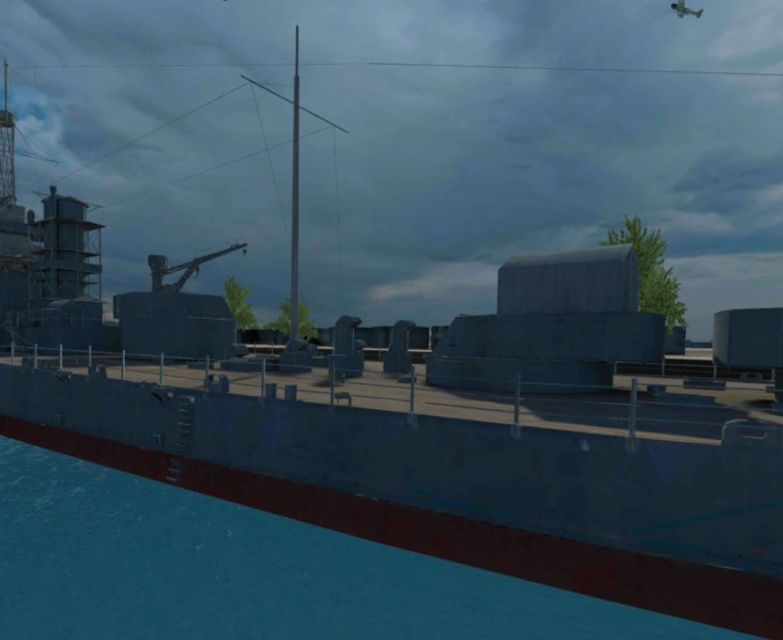
For $11 per person, you’re not buying a museum ticket, a ferry ticket, or a full-day program. You’re buying a short, tightly focused way to see Pearl Harbor’s WWII events in a “you are there” format—without standing in crowds for every viewpoint.
You’ll check in at the Pearl Harbor Virtual Reality Center, located inside the Pearl Harbor Visitor Center at 1 Arizona Memorial Place, Honolulu, HI 96817. After that, the experience centers on one chosen VR tour, delivered using a quality VR player with everything you need supplied. The tone from the start is practical. You get a welcome, clear explanations, and training from VR staff so you can get your bearings fast.
This is also one of those experiences where the location matters. You’re doing VR inside the larger Pearl Harbor story, not in a random building across town. That helps you connect what you see in the headset to what’s around you in real life.
If you like history but hate “watch a 45-minute lecture” formats, this is built for your attention span. The setup is straightforward, and the experience is designed to be a complete chunk on its own, not a half-piece.
You can also read our reviews of more tours and experiences in Oahu.


Check-in at the Visitor Center: fast setup, clear direction
The VR center is inside the main Pearl Harbor Visitor Center, so you’re not dealing with complicated parking or mystery directions. Check in with your voucher at the Pearl Harbor Virtual Reality Center. From there, you’ll receive training from the VR staff before you go into your selected tour.
The big win here is that the staff help you learn the basics of how to use the system before the history starts. That means you’re less likely to miss key moments because you’re busy figuring out controls. It also keeps the experience friendly for first-timers and people who don’t normally do VR.
The experience is available in English, with an instructor: English, and it’s wheelchair accessible. If mobility is a concern, the good news is that you’re staying in one place during the VR segment rather than walking a long route of exhibits.
And yes—this is the kind of attraction that works well even if you’re tired from a busy day. It’s shorter than many other Pearl Harbor stops, yet it’s still meaningful.
Choose your VR tour: 1 of 3 perspectives on December 7
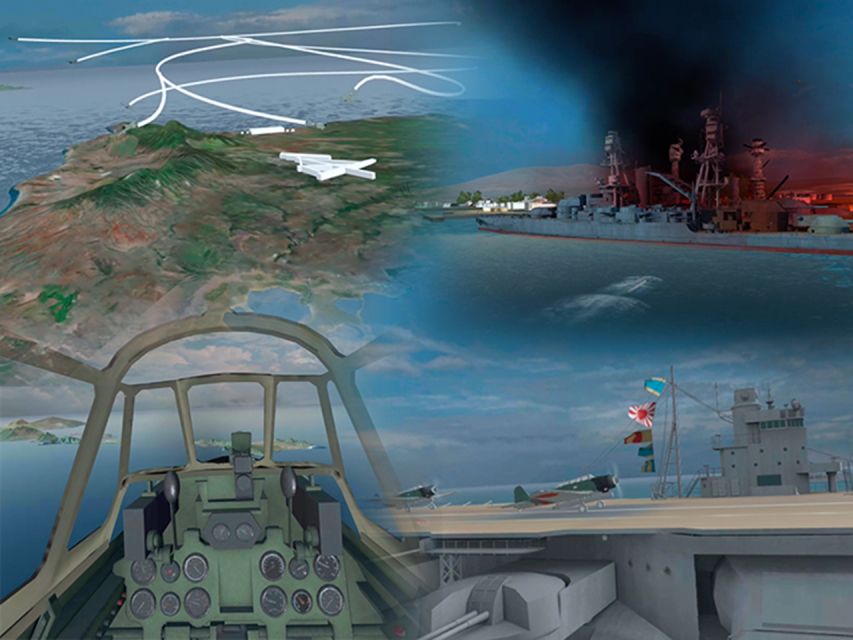
You’ll pick one VR tour from the options offered. Each tour takes a different angle on the attack, so the best choice depends on what you’re most curious about: the timeline on the water, the air war and navigation, or the USS Arizona itself.
Here’s how the three options differ, and what each one gives you.
Air Raid Pearl Harbor: timeline from the USS Utah deck
In the Air Raid Pearl Harbor option, you’re placed on the deck of the USS Utah, one of the battleships destroyed on December 7, 1941. The tour follows the attack’s progression and includes a key moment early on: three minutes after the first wave of Japanese planes arrived, a message is sent that would echo through history—Air Raid Pearl Harbor, This is no Drill.
What makes this tour useful is that it’s not just “see planes.” It gives you a timeline. You get a sense of timing and scale during the two hours when the attack intensifies. The experience also highlights the human cost from that day, including that 2,390 Americans were killed and 1,178 were wounded within about two hours.
If you want to understand the flow of the morning—how fast events escalated—this is the strongest choice. It also suits you if you’re trying to make sense of Pearl Harbor as a sequence, not a single dramatic moment.
Skies Over Pearl: cockpit view from the Japanese carrier approach
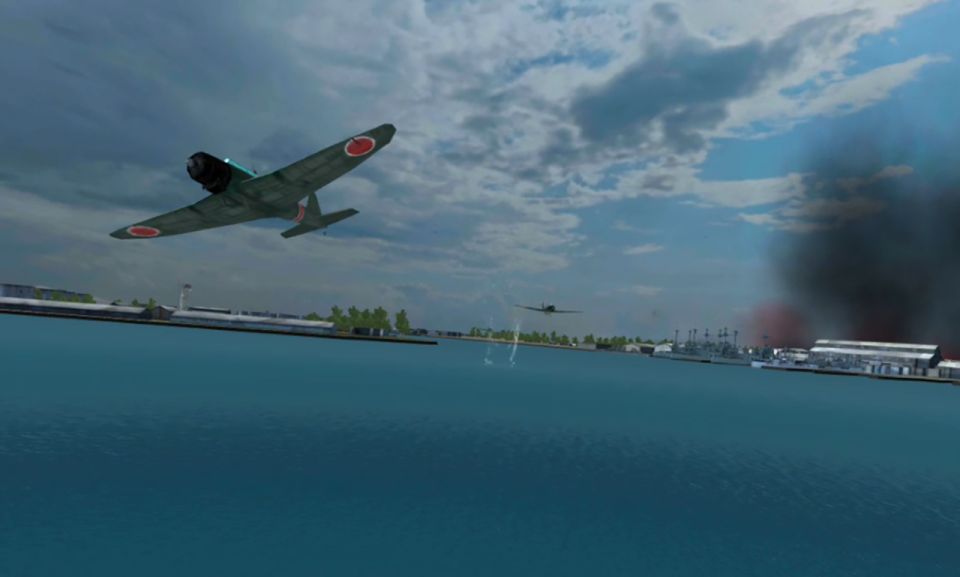
If you’re more interested in the air side of the attack, choose Skies Over Pearl. This one puts you in the cockpit of a Japanese fighter plane as it departs the carrier Akagi, about 230 miles north of Oahu.
The perspective shift here is big. Instead of focusing on Pearl Harbor’s waterfront chaos, you experience the approach and navigation from the attackers’ viewpoint. The tour also covers details that many people don’t think about, such as different types of aircraft used and how pilots managed radio silence while using a Honolulu radio signal to guide their way to Oahu.
This option tends to click if you like operational details—how the mission was planned and executed—without getting lost in jargon. It can also help you see why the attack was coordinated the way it was, and how communication (or the lack of it) mattered.






USS Arizona experience: the deck, the ship, and what’s below
The USS Arizona-themed tour option is designed to make the ship feel present, even though you’re seeing it through VR. It includes a historically accurate view that transports you onto the main deck of USS Arizona on December 7, 1941, the day it was sunk by an armor-piercing bomb.
You get a 360-degree perspective that lets you view the ship around you rather than only seeing it from one angle. That’s a practical advantage: the more you can rotate and look, the easier it is to understand what sailors faced and where key areas were in relation to each other.
The tour also connects the historical sinking moment to what remains today. You’ll have an opportunity to see the ship as she rests on the floor of Pearl Harbor. The experience notes that underwater access is strictly controlled in one of America’s most revered war graves, and it describes what you can see below the waterline. You’ll view the mammoth Arizona guns that were never fired in battle, plus barbettes—the gun emplacements that supported those weapons.
One of the most specific details in this tour is Barbette #4, where you can view the entrance to the well where USS Arizona survivors’ remains are interred to join their fellow shipmates.
Because this is a memorial setting, I suggest treating this moment with a little extra care. Don’t rush through it just because it’s VR. Let it land. The tour is using your sense of space to help you understand the place, and that works best when you slow down instead of speed-watching.
How the VR format makes the history easier to grasp
Virtual reality has a reputation for being flashy. Here, the format is more useful than flashy. It does three practical things for you:
First: it gives you orientation. Pearl Harbor can feel overwhelming because you’re surrounded by ships, museums, and exhibits that each tell a part of the story. In VR, you get a clear “you are here” viewpoint, which helps you attach meaning to what you’re seeing.
Second: it turns static facts into spatial memory. When you’re standing on the USS Utah deck in the timeline-based tour, or looking around the USS Arizona main deck from a 360-degree view, your brain starts placing events in space. That’s how you remember.
Third: it scales the day to your senses. The tour connects the action to numbers and timing—like the early message after the first wave and the casualties within about two hours—so the attack stops being an abstract date and becomes a sequence of events you can follow.
If you’re the type who likes to connect what you read with what you see, VR is a decent bridge.
Duration and pacing: a short stop with a strong finish
This is a “book it and fit it in” kind of activity. The experience is valid 1 day, and you check availability to see starting times. That matters because Pearl Harbor days can get packed fast. If you have a tight schedule, this is one of the easier ways to add an engaging WWII perspective without committing to a multi-hour guided day.
Once you’re checked in and trained, you choose your tour and go through your selected VR experience. When you’re done, the activity ends back at the meeting point.
This pacing is also why the price feels fair. You’re not paying for a long, complex program. You’re paying for a focused history experience with provided gear and staff support.
What to do before and after: pairing VR with the USS Arizona Memorial
This VR stop works best as part of a larger Pearl Harbor plan, not as a replacement for it.
Remember: reservations are required to access the USS Arizona Memorial, and this tour does not include the boat tickets. So if your goal is to stand at the Memorial, you need to treat your Memorial plan as the backbone and use VR to deepen your understanding.
Here’s a smart way to pair them:
- If you do VR first, pick the tour that matches the Memorial story you’ll see next. The USS Arizona option is the obvious match if USS Arizona is your priority.
- If you do VR after the Memorial, you’ll often find it easier to connect what you learned in VR to what you felt at the Memorial—especially the details about ship areas and the scale of the vessels.
Either way, you’ll get more out of the day if you plan for the Memorial reservation separately. Otherwise, you may end up with an unfinished feeling, because VR can explain the ship and the attack—but it cannot swap in for the boat experience you need to reach the Memorial.
Who this experience suits best (and who should skip it)
This VR experience is a strong fit if you:
- like WWII history and want it presented with clear, story-driven viewpoint changes
- enjoy short, staff-supported activities with equipment included
- want a different kind of Pearl Harbor stop that’s easier than another long museum circuit
- appreciate the chance to see details tied to the USS Utah and USS Arizona experiences
It might be less ideal if you:
- need a lot of time for slow walking and long viewing of exhibits (VR is short and concentrated)
- are hoping it will automatically cover USS Arizona Memorial access (it does not)
- are prone to motion discomfort in VR (the data here doesn’t specify comfort options, so consider your own sensitivity)
Price and value: why $11 feels like a good deal
$11 is not a random number here. It’s low enough that you can realistically add this to a Pearl Harbor day without wrecking your budget, and it includes the basics that can add up elsewhere: the VR equipment and staff training.
The value comes from the combination:
- NPS-created VR tours with multiple viewpoints
- an easy-to-use setup
- a choice among three specific experiences
- a short commitment you can time around the rest of your day
If you’re on a mid-range budget and you want an experience that adds understanding (not just photos), this is one of the more practical purchases in the Pearl Harbor ecosystem.
Practical tips to get the most out of your headset time
Here are a few things you can do to make your VR hour—or whatever time block you select—feel worth it:
- Pick the tour that matches your curiosity. Air Raid Pearl Harbor is timeline and ship deck perspective. Skies Over Pearl is air approach and navigation details. USS Arizona is the main deck and the ship as she rests today.
- Don’t rush the USS Arizona option. The mention of interred remains is part of why this tour carries weight. Treat that section with respect.
- Plan your day around the USS Arizona Memorial separately. If you want the Memorial, reserve the boat access. VR can deepen your understanding, but it doesn’t replace that part of the experience.
- Go in ready to learn. The VR staff training and the clear explanations set you up well. You’ll get more when you listen to the setup rather than jumping straight in.
Should you book the Pearl Harbor Virtual Reality Center?
I’d book it if you want a smart, budget-friendly way to get a stronger grasp of December 7, 1941. The staff training, easy setup, and the choice among three VR perspectives make this a high-value add-on that fits easily into a Pearl Harbor day.
Skip it only if you’re mainly seeking the boat-and-memorial experience and you’re short on time. In that case, you might focus your energy and reservations on USS Arizona Memorial access first, then consider whether VR is extra value for your specific interests.
If you’re on the fence, choose based on what you most want to understand:
- Want the attack timeline and ship perspective? Air Raid Pearl Harbor
- Want aircraft approach and radio/navigation details? Skies Over Pearl
- Want the USS Arizona experience tied to what you’ll see in the larger Memorial context? The USS Arizona option
Book the VR slot you’ll actually care about, then build the rest of your day around the Memorial reservations you still need. That combo gives you the best “history in your head and on the ground” effect.
FAQ
How much does the Pearl Harbor Virtual Reality Center cost?
It costs $11 per person.
How long is the experience?
It’s valid for 1 day, and you choose a starting time based on availability.
Do I need reservations to access the USS Arizona Memorial?
Yes. Reservations are required to access the USS Arizona Memorial.
Does this VR experience include the boat tickets to the USS Arizona Memorial?
No. This tour does not include the boat tickets to the USS Arizona Memorial.
How many VR tours can I choose from?
You choose 1 of 3 VR tours.
What VR tours are available?
The available options are Air Raid Pearl Harbor, Skies Over Pearl, and an USS Arizona experience.
What language is the instruction in?
The instructor is English, and the experience is provided in English.
Is the VR center wheelchair accessible?
Yes. The experience is listed as wheelchair accessible.