REVIEW · MAUI
2.5-Hour Private Kiteboarding Lessons at Kanaha Beach in Kahului
Book on Viator →Operated by Action Sports Maui · Bookable on Viator
Kiteboarding on Maui starts with smart basics. This private lesson at Kanaha Beach Park turns a wild sport into something you can actually learn, with a coach keeping close tabs on what you do and how you correct it. I especially like the personal feedback you get during the session, not just a one-time instruction and off you go.
Next, I like that the lesson moves in phases. You’ll start with gear selection and beach orientation, then do ground-school drills before you head into the water, and the instructor works to your experience level. The whole structure is designed to help you progress without getting lost in the chaos.
One consideration: this is weather-dependent and it’s in real water. You must be able to swim, and you should feel comfortable with a moderate physical effort, because some time in the water is part of learning.
In This Review
- Key highlights worth showing up for
- Kanaha Beach Park: why this spot works for learning
- The 2.5-hour flow: what you’ll do from start to finish
- Gear, safety, and control equipment: what’s included
- Getting it right on the beach: ground school that actually helps
- Into the water: training exercises and the push to go solo
- Price and value: is $394.96 per person a smart buy?
- Where to meet and how long to plan
- Weather reality check and what you must do the day before
- Who should book this private kiteboarding lesson
- Should you book at Kanaha with Action Sports Maui?
- FAQ
- How long is the private kiteboarding lesson at Kanaha Beach?
- Where does the lesson take place?
- How much does it cost per person?
- Is it a private lesson or shared group?
- What’s included in the lesson?
- Is transportation included?
- What does the lesson cover, step by step?
- Do participants need to know how to swim?
- What is the minimum age?
- What happens if the weather is poor?
- What’s the cancellation refund window?
Key highlights worth showing up for
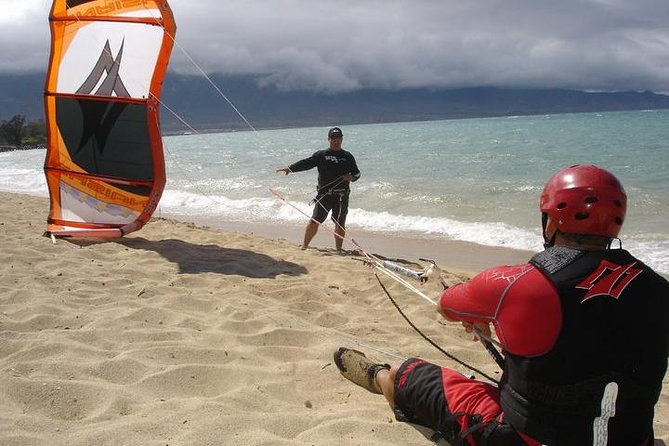
- Private coaching throughout: you get direct feedback and pace control.
- All gear included: kiteboarding, safety, and control equipment are provided.
- Structured progression: beach training leads to water drills, then solo practice.
- All experience levels: the lesson is tailored to where you’re starting.
- Kanaha Beach Park training area: you learn on the same coastline kiteboarders use for lessons.
- Instructor examples like Miki: clear explanations and step-by-step comfort-building.
Kanaha Beach Park: why this spot works for learning
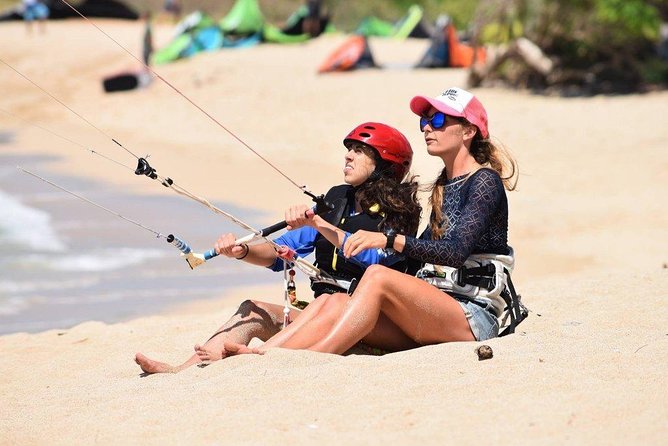
Kanaha Beach Park is one of those Maui places where kiteboarding isn’t just happening nearby—it’s the point. For you, that matters because a lesson needs a consistent training environment. You’re not learning in the middle of random scenery; you’re learning at a kite-focused beach zone where the plan makes sense.
This location also helps explain the vibe of the lesson. You start on land first—gear selection, beach orientation, and ground school—then you gradually shift into water work. That progression is smoother when you’re at a place made for it, rather than trying to improvise.
And if you’re wondering about the “fit” of the experience, the private format is the real advantage. Instead of watching others do it and guessing what you should copy, you get coached for your exact level.
You can also read our reviews of more private tours in Maui


The 2.5-hour flow: what you’ll do from start to finish
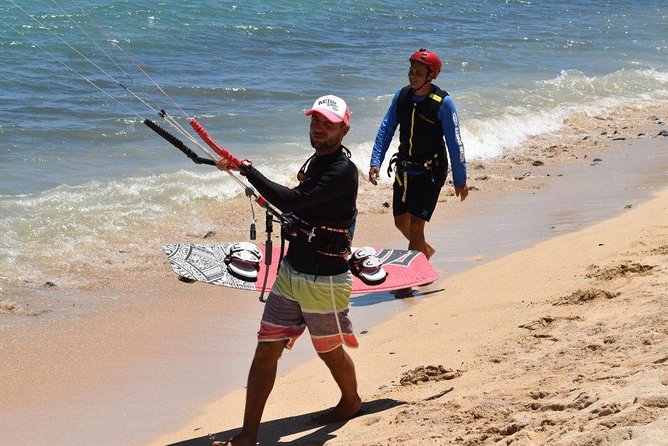
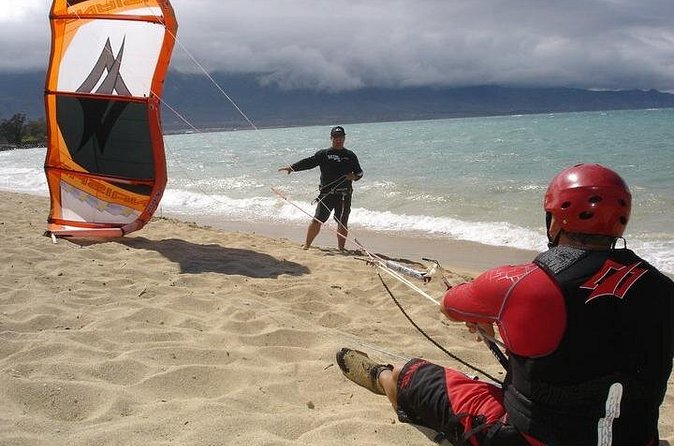
The lesson runs about 2 hours 30 minutes, and it follows a clear learning arc. You’ll start with gear selection, plus kite beach orientation so you understand the training space and what to pay attention to. Then the session shifts to beach ground school training, which is where you build the control basics before you’re in deeper commitment.
After that comes the water phase. You’ll do training exercises while the instructor stays with you, helping you practice the movements you were taught on land. This is followed by a push toward autonomy—going solo to apply what you just learned with the instructor’s guidance still in the background.
The best part is that it’s not one-size-fits-all. The instructor tailors the lesson to your experience level, so beginners don’t get thrown into advanced expectations, and more experienced students can focus on the right corrections.
Gear, safety, and control equipment: what’s included
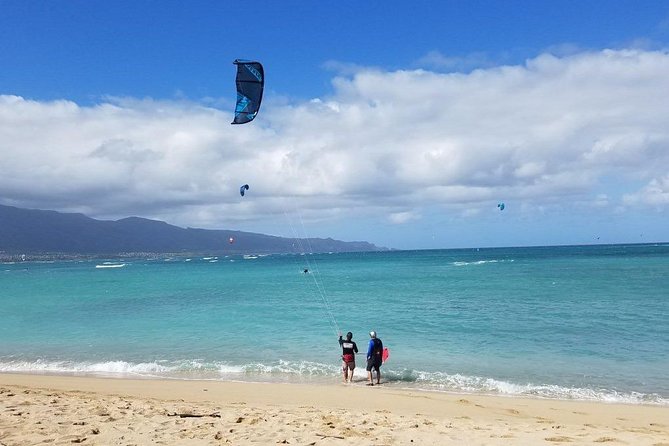
A big reason this lesson is worth serious attention is the equipment is handled for you. The session includes kiteboarding gear plus the safety and control equipment you’ll need. That saves you from the usual headache of trying to rent the right stuff, figure out whether it fits, and hope you’re learning with the correct gear setup.
It also helps with confidence. When the equipment is provided and selected as part of the lesson, it’s easier to move through training without a bunch of downtime. You can focus on the skills the instructor is teaching instead of second-guessing whether your setup is right.
One more practical point: this is a private tour/activity. Only your group participates, which makes gear time feel more personal and less rushed. If you ask questions, you get answers designed for your situation, not generic advice meant for a crowd.
Getting it right on the beach: ground school that actually helps
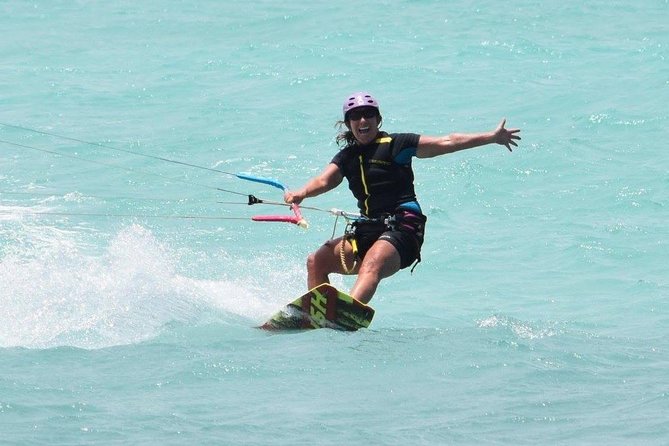
Before you’re in the water, you’re doing beach work, and that’s not filler. The ground school training portion is where kiteboarding becomes less mysterious. You’ll spend time learning control basics, how the kite’s behavior affects what happens next, and how to think about safe handling.
Beach orientation is also important. It sets your mental map before you start practicing movements at speed. You’re learning not just what to do, but how to interpret what you see—wind, kite position, and what your body needs to do to stay in control.
This is also where good instructors make a difference. In the feedback you can rely on, Miki is specifically called out for taking time to explain kiteboarding clearly and for going at the student’s pace. That kind of calm, step-by-step teaching is gold when you’re learning something that can feel intimidating fast.
Into the water: training exercises and the push to go solo
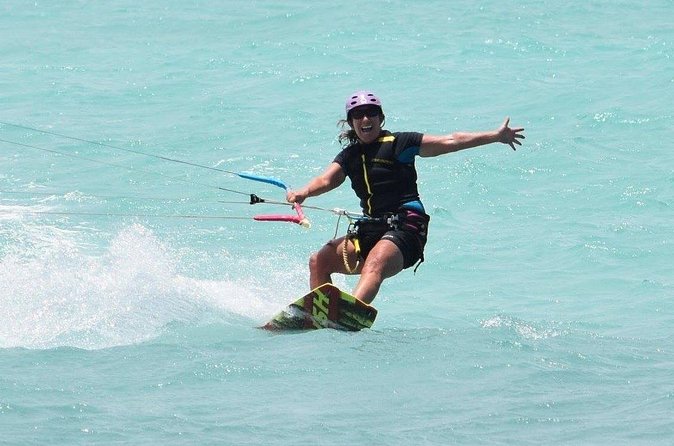
Once the beach portion is done, the lesson transitions into water training exercises. This is the phase where you start turning instruction into real movement. You’ll be accompanied by the instructor while you practice, which matters because kiteboarding skills aren’t only about strength—they’re about timing and control.
The instructor’s role here isn’t just supervision. It’s correction in the moment. If something feels off, you don’t have to wonder whether you’re doing it wrong or whether the kite will fix itself. You can learn the right adjustment while it’s still fresh, which speeds up progress.
Then comes the part that many people care about most: going solo to practice what you’ve learned. This isn’t about throwing you into the deep end. It’s a structured progression, letting you apply the basics during the lesson so you leave with more than theory. You’re practicing the sport, not just talking about it.
You can also read our reviews of more tours and experiences in Maui

Price and value: is $394.96 per person a smart buy?
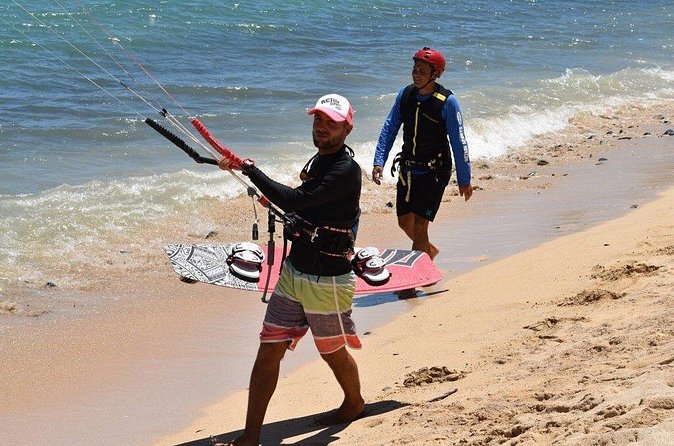
Let’s talk money honestly. At $394.96 per person, this isn’t a cheap activity. But it’s also not priced like a casual group float. You’re paying for a private lesson, gear included, and a coach guiding you through beach training and in-water exercises.
Here’s the value angle: kiteboarding is technical, and learning errors can cost time. A private coach reduces guesswork. If you’re paying to learn faster and with less confusion, the cost starts to make more sense, especially compared with piecing together rentals plus random instruction.
You’re also getting bottled water, and the price includes taxes, fees, and handling charges. That helps avoid the usual surprise add-ons that can quietly inflate outdoor adventure costs.
A practical way to decide: if you want individual feedback and you value a structured lesson that adjusts to your level, this price can feel fair. If you’re purely curious and you don’t care about coaching or safety equipment included, you may want to look at a less specialized option.
Where to meet and how long to plan
You meet at 1200 Amala Pl, Kahului, HI 96732. The activity ends back at the same meeting point, so there’s no complicated end-of-day transfer puzzle. The lesson itself is about 2 hours 30 minutes, and weather can influence what happens.
Plan for the day to be mostly about kite time. Food and drinks aren’t included, so you’ll want a plan for eating around the lesson rather than assuming it’ll be handled. Bottled water is included, which is helpful, but it doesn’t replace having a full day rhythm.
Also note that transportation to and from attractions isn’t included. So if you’re building the rest of your itinerary, count on getting yourself to the meeting point.
Weather reality check and what you must do the day before
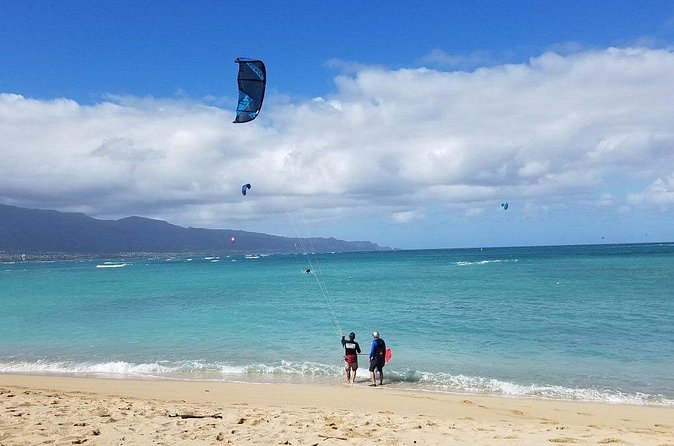
Kiteboarding lessons are weather-driven. This experience requires good weather, and if it’s canceled due to poor weather, you’ll be offered a different date or a full refund.
There’s also a specific action you have to take: you must call the operator the day before to reconfirm weather and lesson start time. That’s a small step, but it matters because it can prevent confusion and help you avoid arriving expecting one schedule and getting another.
You’ll receive confirmation at booking, and the lesson is conducted in English, which makes communication easier when you’re learning fast and need clear explanations.
Who should book this private kiteboarding lesson
This lesson is a good fit if you want instruction that responds to you. Because it’s private, you’re not competing for attention. The instructor can tailor the plan based on where you’re starting, and that’s what makes the progression feel manageable.
You should also consider booking if you care about safety fundamentals. The lesson includes safety gear and ground school training, so you’re building control before jumping into advanced attempts.
It may not be the best fit if:
- You cannot swim, since all participants must be able to swim.
- You’re not comfortable with moderate physical fitness expectations.
- You’re looking for a purely casual beach hangout. This is a lesson, with real practice in the water.
Age minimum is 9 years, so it can work for kids who meet the swim requirement and can handle the physical component.
Should you book at Kanaha with Action Sports Maui?
If you want the most efficient path to learning kiteboarding at Kanaha Beach Park, I think this is an easy yes—especially when you value private coaching. The biggest strengths are the lesson structure (beach-to-water progression) and the fact that gear and safety equipment are included, so you can focus on learning instead of logistics.
Book it if:
- You’re ready to learn step-by-step and you want personal feedback.
- You’d rather practice the sport with an instructor than self-teach.
- You want a coach who adjusts to your level, like the kind of clear pacing mentioned from instructors such as Miki.
Skip it or reconsider if weather timing won’t work with your schedule. You’ll need good conditions for the lesson to happen, and you’ll need to make that day-before call to confirm the start time.
For most people visiting Maui who are serious about kiteboarding, this private format is exactly what you want: direct instruction, real practice, and a path from beach basics to solo work without guessing.
FAQ
How long is the private kiteboarding lesson at Kanaha Beach?
The lesson is approximately 2 hours 30 minutes.
Where does the lesson take place?
It takes place at Kanaha Beach Park in Kahului, Maui.
How much does it cost per person?
The price is $394.96 per person.
Is it a private lesson or shared group?
It’s a private tour/activity, and only your group participates.
What’s included in the lesson?
All kiteboarding, safety, and control gear is included, along with an instructor, professional guide, bottled water, and taxes/fees/handling charges.
Is transportation included?
No. Transportation to and from attractions is not included.
What does the lesson cover, step by step?
You’ll do gear selection and beach orientation first, then ground school on the beach. After that, you’ll move into the water for training exercises, and the lesson includes going solo to practice what you learned.
Do participants need to know how to swim?
Yes. All participants must be able to swim.
What is the minimum age?
The minimum age is 9 years.
What happens if the weather is poor?
If it’s canceled due to poor weather, you’ll be offered a different date or a full refund. You’ll also need to call the day before to reconfirm weather and the lesson start time.
What’s the cancellation refund window?
You can cancel for a full refund up to 24 hours in advance of the experience start time. Within 24 hours of the start time, the amount you paid is not refunded.