Biking down Haleakala beats any postcard. This 9am guided downhill skips the sunrise crush and turns the long crater drive into part storytelling, part training run. I like that you roll with a local Hawaiian guide who calls out what you’re seeing, and I like the practical safety setup with a trailing SAG vehicle. The trade-off is simple: it’s a hands-on ride, so you’ll want moderate fitness and you should be ready to brake and pedal at times.
You also avoid extra stress because your Deluxe Trek Marlin 5 bike and protective gear are provided, including helmet and gloves. The group stays small (up to 20), which helps the guide keep everyone together without turning the ride into a chaotic free-for-all.
In This Review
- Key things I’d plan around
- The Value of a 9am Haleakala Downhill Plan
- Where You Meet (and How It Changes Your Day)
- Your Bike and Safety Kit: What’s Included Before You Ride
- Seth and Forrest: Why the Drive Up Feels Like Part of the Tour
- The Downhill Itself: How the Trailing Vehicle Helps You Stay Focused
- Photo Stops and Food Breaks: When to Slow Down on Purpose
- How Long It Feels (About 4 Hours) and What Your Body Should Expect
- Group Size Matters More Than You Think
- Price and Value: Is $149 Worth It?
- Who Should Book This Tour (and Who Might Skip It)
- Should You Book the 9am Haleakala Guided Downhill Tour?
- FAQ
- What time does the Haleakala guided downhill tour start?
- How long is the tour?
- How much does the tour cost?
- Where do I meet for the tour?
- Is hotel transportation included?
- What bike and safety gear are included?
- Is there food during the tour?
- How many people are on the tour?
Key things I’d plan around
- 9am departure: You’re not racing sunrise crowds, and the ride feels calmer from the start.
- Guided by a local Hawaiian guide: You get lore and context while you’re actually moving.
- SAG vehicle follows you: A support vehicle trails the group to help manage traffic and timing.
- Stops for photos and food: You’re not just hauling downhill nonstop.
- Trek Marlin 5 plus full basics: Bike, helmet, gloves, and protective gear are part of the deal.
- Small group size: Max 20 travelers makes it easier to keep track of the group.
The Value of a 9am Haleakala Downhill Plan
This tour works because it respects your day. A 9am start means you’re not planning around the most intense early-morning wave, and you’re less likely to feel like you’re doing this at the exact worst time for traffic and crowds. Instead of showing up and only thinking about photos, you’re building momentum: drive up, learn what matters, then ride.
What I like most is that the schedule creates a smooth flow. You’re not dropping into the experience cold. The guide uses the time on the mountain to set the stage, so when you finally start descending, it feels like you understand the place a bit more than just from the road.
You can also read our reviews of more guided tours in Maui
Where You Meet (and How It Changes Your Day)
You meet at 810 Haiku Rd, Haiku, HI 96708, and the tour ends back at that same meeting point. That matters because it keeps the day tidy: no separate drop-off, no guessing where the van will leave you.
Also note the practical reality: there’s no hotel transportation. If you’re staying outside Haiku, you’ll want to plan your arrival to the meeting point early enough to feel unhurried before the 9:00 am start. The location is listed as near public transportation, which can help if you don’t have a car.
Your Bike and Safety Kit: What’s Included Before You Ride
You get the core gear you’d rather not rent or buy last-minute: a Deluxe Trek Marlin 5 bike, plus a helmet and gloves, and bike protective gear. For me, that’s big value. It means your only real job is to show up ready to ride.
Another underrated win: the gear is set up as part of the tour. You don’t need to spend time figuring out whether your helmet fits, whether you’ve got the right gloves, or whether the bike feels right. You can focus on learning the ride with your guide and follow their pacing.
Seth and Forrest: Why the Drive Up Feels Like Part of the Tour
The downhill is the headline, but what makes this tour feel worth it is the people running it. In the experiences I read, the guides Seth and Forrest came through as both professional and relaxed, with stories and information you actually hear and remember.
On the drive up, you’re not just waiting in silence. This is when the guide shares local lore and helps you connect the dots between the mountain’s look and its meaning. That matters because it turns the descent from a workout-only activity into something more grounded in place.
The Downhill Itself: How the Trailing Vehicle Helps You Stay Focused
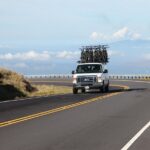
Here’s the part you’re really paying for: biking downhill on Haleakala, guided and paced as a group. The setup includes a trailing vehicle behind you for added safety, and that changes the whole feel of the ride.
I like this approach because it addresses a real rider worry: traffic. With the support vehicle following the group and coordinating as needed, you’re not constantly scanning behind you like you’re in a DIY bike adventure. One review highlighted how when cars start backing up behind the main support vehicle, the driver radios the leader so the group can manage the situation. That kind of coordination is what turns a fast downhill into a controlled downhill.
Also, staying with a guide means you’re not guessing your line. When you’re moving downhill, small choices matter: how you brake, when you pause, and how you stay together without forcing speed. A guide helps you keep your head on straight instead of chasing adrenaline.
Photo Stops and Food Breaks: When to Slow Down on Purpose
This tour includes stops for photos and food, which is smarter than it sounds. Downhill riding can be all intensity, and if you never pause, the day starts feeling like one long blur. Planned stops give your eyes a break and help you actually enjoy what you’re riding through.
A practical tip: treat photo and food stops as part of your timing, not a distraction. If you’re hungry, you’ll enjoy the ride more if you eat when you have the chance. If you want photos, it’s easier to get good ones when you aren’t trying to stop suddenly or fumble while everyone else is moving.
The exact details of what you’ll do at each stop aren’t spelled out here, but the core idea is consistent: the tour breaks the descent into moments, with your guide steering where it’s best to pause.
How Long It Feels (About 4 Hours) and What Your Body Should Expect
The tour is listed at about 4 hours. That includes the drive up, the guided downhill, and the stops along the way. In other words, it’s not just a short burst. It’s a real half-day commitment, so you’ll want to treat it like a main activity, not something you squeeze in between errands.
Your physical fitness requirement is described as moderate. That means you shouldn’t expect it to be effortless. Even on a downhill, you’ll need control—balancing, braking, and staying alert for the guide’s pacing. If you’re confident handling a bike for an extended descent and you’re okay working a bit with your legs and arms, you’re a good match.
Group Size Matters More Than You Think
This experience caps at 20 travelers. A smaller group is not just a nice-to-have. It makes it easier for the guide to keep everyone together, especially on a downhill where the safe pace is the pace that works for the group—not just the fastest riders.
In practical terms, you get better communication. You’re more likely to understand what’s happening next, where you should be, and why the guide is slowing down at certain moments.
Price and Value: Is $149 Worth It?
At $149 per person, this isn’t a budget item, but it doesn’t feel priced like a luxury spa day either. You’re paying for a guided downhill experience that includes:
- the bike (not just a rental, but a named model),
- helmet, gloves, and protective gear,
- a local Hawaiian guide on both the drive up and the ride down,
- and the support vehicle that trails the group for safety and traffic management.
You’re also paying for convenience. Since there’s no hotel transportation included, the tour is anchored around its meeting point, but within the activity itself, you’re not adding a bunch of separate rentals or safety add-ons.
To judge whether it’s a good value for you, ask this: do you want a guided, controlled downhill with support, gear, and context—or would you rather figure out your own logistics? If you want the former, the price starts looking reasonable.
Who Should Book This Tour (and Who Might Skip It)
This is a strong choice if you:
- want a guided Haleakala bike ride rather than a DIY route,
- like tours that explain the place, not just pass through it,
- can handle moderate physical effort for a few hours.
It’s also a good fit for first-time downhill riders who feel better with safety systems and a guide pacing them.
You might think twice if you:
- hate the idea of pedaling or braking for an extended period,
- want something more passive than an active bike day,
- need a fully supported setup beyond what’s listed (like hotel pickup), since none is included.
Should You Book the 9am Haleakala Guided Downhill Tour?
I’d book it if you want a controlled downhill with local lore, provided safety gear, and a support vehicle that helps manage the traffic side of things. The 9am start is a smart way to avoid the most intense sunrise crowds, and the small group size keeps the experience from feeling like a cattle call.
If you’re on the fence, the decision is simple: are you comfortable with a moderate-fitness bike ride for about 4 hours, and do you appreciate guidance more than independence? If yes, this is one of the more practical ways to do Haleakala by bike without turning the day into a logistics headache.
FAQ
What time does the Haleakala guided downhill tour start?
It starts at 9:00 am.
How long is the tour?
The duration is listed as about 4 hours.
How much does the tour cost?
The price is $149.00 per person.
Where do I meet for the tour?
You meet at 810 Haiku Rd, Haiku, HI 96708, USA.
Is hotel transportation included?
No. Hotel transportation is not included.
What bike and safety gear are included?
The tour includes a Deluxe Trek Marlin 5 bike, plus a helmet and gloves and bike protective gear.
Is there food during the tour?
The tour includes stops for photos and food.
How many people are on the tour?
The tour has a maximum of 20 travelers.