REVIEW · MAUI
Beginner Group Surf Lesson on Maui South Shore
Book on Viator →Operated by Action Sports Maui · Bookable on Viator
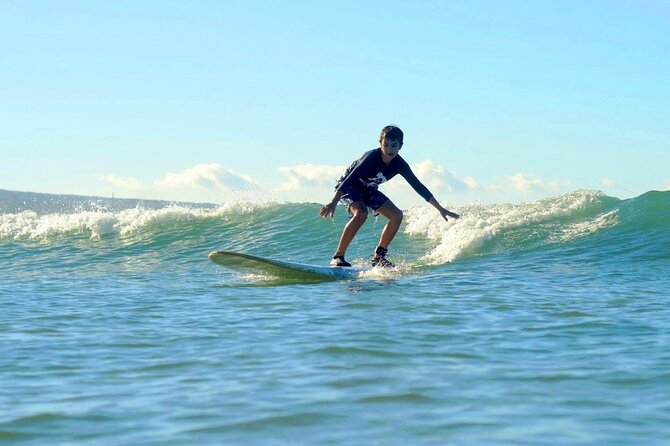
Maui’s South Shore makes first steps in surfing surprisingly realistic. You get a 2-hour beginner lesson with a safety-first approach, plus coaching that focuses on catching a wave, standing up, and riding in toward shore. It’s also set in a 20-acre marine park designed to match wave conditions to your skill level, so you’re not just thrown into deep end chaos.
Two things I really like: the class doesn’t stop at theory. You get instructions on entering the water and surfing technique, then your instructor stays with you in the lineup to help you test those basics right away. Second, the lesson spends time on the surfing mindset—how focus and skill work together when the ocean keeps changing its mind.
One drawback to plan for: you’ll need to be comfortable swimming, and the part where you swim back out to catch waves can be tiring fast, especially for first-timers or younger kids.
In This Review
- Key Points You’ll Care About
- Maui South Shore Surf Lesson: What You’re Really Booking
- Meeting at 1900 S Kihei Rd: How to Set Yourself Up to Enjoy It
- The 2-Hour Format: Safety and Technique Before You Get Swept Away
- Catching Waves and Standing Up: What the Coach Actually Helps With
- The 20-Acre Marine Park: Why the Location Matters for Beginners
- Surf Safety and Technique: The Stuff You’ll Use Again Tomorrow
- The Mindset Part: Focus, Skill, and Changing Conditions
- What to Bring (and What to Wear) for Comfortable Learning
- Price and Value: Is $103.75 Worth It?
- Who Should Book This Surf Lesson (and Who Might Rethink It)
- Quick Reality Check: What the Experience Feels Like in Day-to-Day Terms
- FAQ
- FAQ
- How long is the Maui South Shore beginner surf lesson?
- Where do I meet for the lesson?
- Does the price include a surfboard?
- What is the group size limit?
- Do I need to know how to swim?
- Is the lesson offered in English?
- Is transportation included?
- Are there multiple departure times during the day?
- Are service animals allowed?
- Can I cancel for a refund?
- Should You Book This Beginner Group Surf Lesson on Maui’s South Shore?
Key Points You’ll Care About
- 20-acre marine park with waves matched for beginner learning
- Two hours in the water plus time for technique and safety on land
- Max group size of 18 means more attention than a huge crowd
- Surfboard included, so you’re not juggling rentals before you even start
- Mindset coaching helps you stay calm when conditions shift
Maui South Shore Surf Lesson: What You’re Really Booking
This is a true beginner group experience on Maui’s South Shore, built around structured learning rather than just being dropped off and waved at. You meet your instructor, go through a safety and technique intro, then head into the water with guidance aimed at giving you quick wins.
The big value here is pacing. Instead of trying to master everything at once, the lesson breaks it into steps: where to go in the water, how to line up, what to do when a wave shows up, and how to stand and ride toward shore. That structure matters because surfing is mostly timing and balance—two skills that improve fast once someone tells you what to watch for.
Also, this is offered with multiple departure times throughout the day. That’s useful if you want to pair it with beach time, a luau, or just keep your day flexible.
You can also read our reviews of more tours and experiences in Maui


Meeting at 1900 S Kihei Rd: How to Set Yourself Up to Enjoy It
Your meetup is at 1900 S Kihei Rd, Kihei, HI 96753. The activity ends back at the same meeting point, which keeps the day simple—no long puzzle of where to be dropped off next.
A few practical notes for how you’ll feel before the lesson:
- You’ll want to arrive ready to move. Even with a relaxed group vibe, surfing classes are active.
- You don’t have transportation included, so plan your own ride or transit time ahead of your start.
- You’ll use a mobile ticket, so have your confirmation ready on your phone.
The lesson is capped at 18 travelers, so you’re not stuck in a giant crowd. In a group that size, you’re more likely to get corrections that actually apply to what you’re doing in the water.
The 2-Hour Format: Safety and Technique Before You Get Swept Away
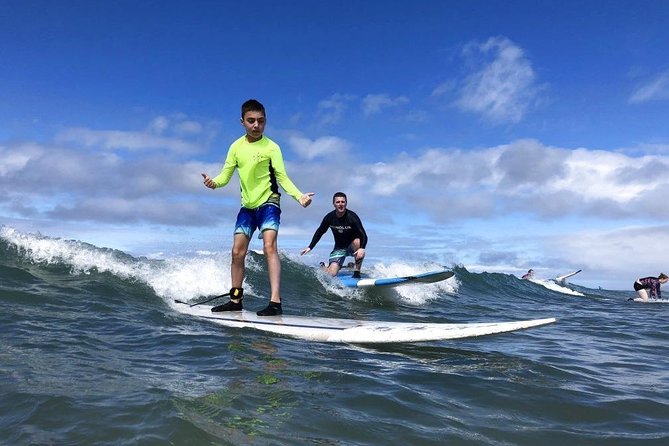
The session starts with a safety lesson and an intro to surfing technique. This part may not look exciting, but it makes everything that follows feel less mysterious.
You’ll learn basics like:
- how to enter the water properly
- what to focus on with your board
- how to handle the early moments when you’re finding your balance
The point isn’t to make you an expert. It’s to help you avoid common beginner mistakes that waste your energy—like spending too long in the wrong position or misunderstanding what your body needs to do before you try standing.
Then the lesson shifts into hands-on practice. Your instructor follows you into the waves to help you apply those basics immediately. For first-timers, that on-the-spot feedback can be the difference between feeling like you got lucky and feeling like you learned something you can repeat.
Catching Waves and Standing Up: What the Coach Actually Helps With
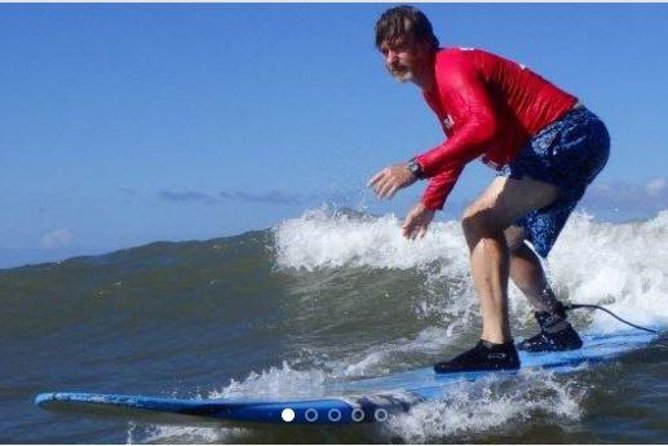
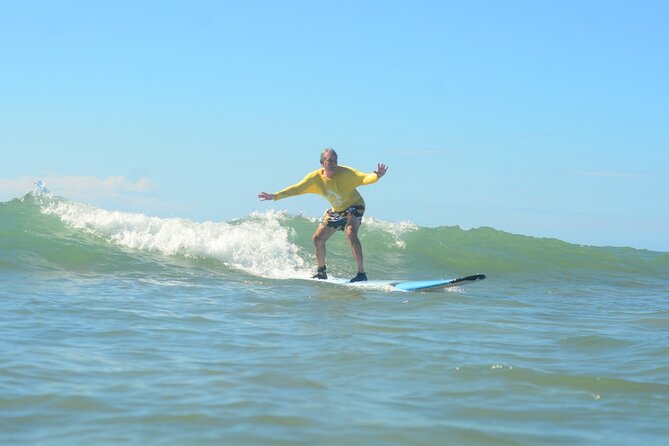
The heart of the class is wave practice. In the water, the focus stays on the steps beginners care about most:
- catching a wave
- standing up
- riding your wave toward shore
You’ll likely feel a mix of excitement and frustration in the first stretch. That’s normal. Surfing is one of those sports where the ocean controls the clock, and your job is to respond fast while staying balanced.
The lesson structure helps because it gives you clear targets. Instead of trying to ride perfectly, you’re working toward being able to stand at the right time and move toward shore with some control. That’s progress you can feel, even if you don’t stick a long ride yet.
One more detail I love: instructors are patient and tuned in to kids and beginners. In particular, Pedro stood out in a couple of instructor mentions for being calm and supportive—one parent specifically said he was awesome and very patient with younger kids. Another instructor name that came up was Epes, praised for a kind, high-quality experience.
No guarantee on who you’ll get, of course, but it’s a good sign that coaching quality is part of the product.
The 20-Acre Marine Park: Why the Location Matters for Beginners
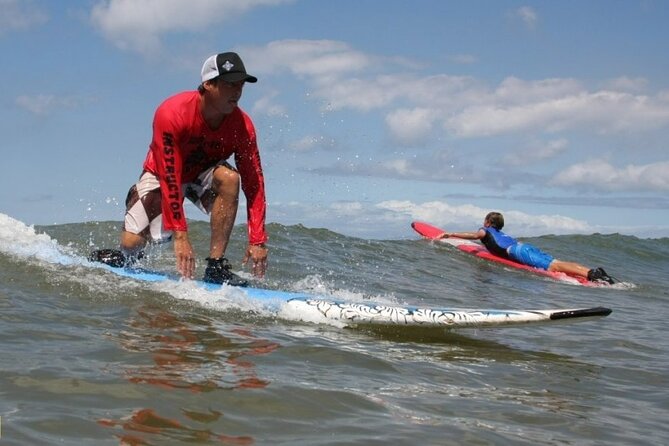
This lesson takes place in a 20-acre (8-hectare) marine park. That wording is important: it signals a learning environment, not just open ocean.
For beginners, the best-case scenario is simple—you want waves and conditions that give you chances to try repeatedly. In real life, that means:
- you can practice without spending the whole lesson waiting
- the waves help you learn rather than overwhelm you
The marine park setting also supports the lesson’s core promise: waves to suit different skill levels. Even if you’re new, that means your session is less about surviving and more about building coordination.
And yes, the ocean is still the ocean. One person specifically mentioned learning how to surf and also seeing turtles during the same outing. You shouldn’t treat that as a guarantee, but it does fit the vibe of Maui water time—when you’re paying attention, you might catch more than just waves.






Surf Safety and Technique: The Stuff You’ll Use Again Tomorrow
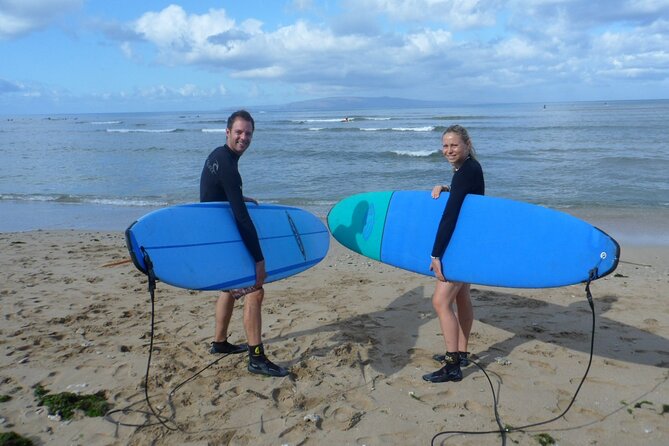
What makes this lesson useful is that it doesn’t treat surfing like a one-off stunt. The safety and technique intro gives you a mental checklist you can carry into a future surf session.
Here’s what you’re likely to walk away with:
- understanding how to enter the water without chaos
- how technique connects to what you feel on the board
- confidence in what to focus on when a wave is coming
The ocean changes constantly, so “knowing the rules” helps you stay calm. The lesson directly addresses that by combining instruction with practice. You’re not just hearing advice—you’re testing it while you’re out there.
The Mindset Part: Focus, Skill, and Changing Conditions
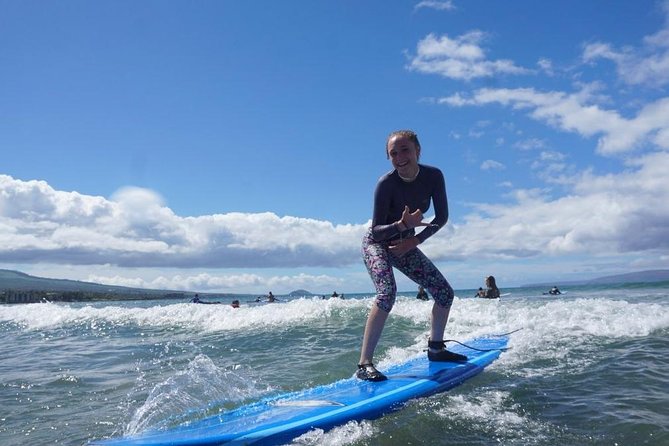
One line in the lesson description points to philosophy behind surfing—the mix of focus and skill needed for Pacific conditions. In practice, this kind of mindset coaching matters for beginners because your biggest enemy is panic.
When you’re learning, the smallest mistake can spiral fast. You lose balance, you wobble, you fall, and then you stop trusting yourself. Mindset training helps you reset quickly and try again.
That’s also where patience from the instructor makes a difference. A good coach helps you interpret what went wrong without blaming yourself. You start to see it as a learning loop rather than a personal failure.
If you want surfing to feel fun instead of stressful, this mental side is a big deal—even if it doesn’t show up on a price tag.
What to Bring (and What to Wear) for Comfortable Learning
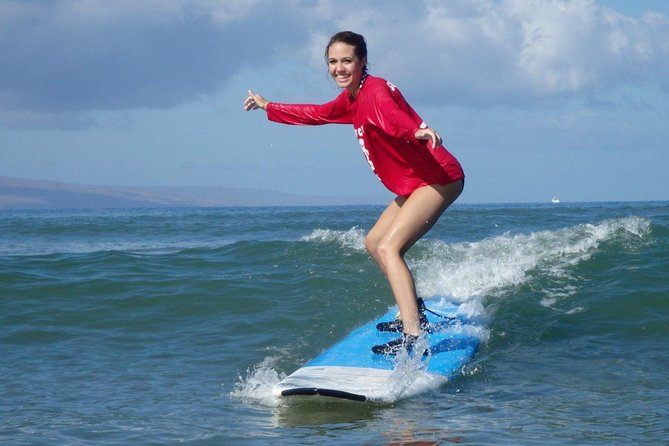
You’ll have the surfboard provided, which removes one big planning headache. But clothing and comfort are on you.
Here’s what I’d plan based on real-world beginner friction points:
- Wear a rash guard or something similar if you have one. Some lessons include rash guard shirts, and one parent said they were provided.
- If you’re bringing kids, consider extra leg protection. That same parent noted that the rash guard didn’t cover the legs enough and their child got surf board rash. So pack or buy something to protect knees and lower legs.
- Be ready for a workout. Even in a beginner class, you’ll swim. One first-timer said the hardest part was swimming back out to catch waves—it’s tiring.
If you’re booking for a group, you’ll want everyone to wear practical swimwear and think about sun protection too. Maui sun is no joke, and you’ll be out in it.
Price and Value: Is $103.75 Worth It?
At $103.75 per person for a roughly 2-hour beginner group lesson, the value comes from two things: coaching time and time in the water.
You’re not just paying for board access. You’re paying for:
- safety instruction
- technique coaching
- in-water guidance while you try to catch and ride waves
- the structure that helps beginners progress fast
Also, this is a capped group with a max of 18 travelers. When you’re learning a complex skill like surfing, smaller groups typically mean less time waiting and more time getting corrected.
Is it the cheapest way to touch a surfboard in Maui? Probably not. But it’s one of the more cost-effective ways to avoid wasting a vacation day figuring out basics on your own. If you compare this to renting equipment and trying to learn from scratch, the lesson format is the difference between frustrating chaos and real progress.
One more value factor: it’s commonly booked about 31 days in advance on average. That’s a sign this isn’t always a last-minute throw-in. If you want a preferred departure time, plan ahead.
Who Should Book This Surf Lesson (and Who Might Rethink It)
This lesson is built for most people who can swim and want an enjoyable, structured start. The activity says most travelers can participate, and it specifically requires that students be able to swim.
It’s a good fit if you:
- are a complete beginner and want guided practice
- want a predictable 2-hour block on Maui
- prefer an instructor-led experience over self-teaching
- want group energy without a huge crowd
You might rethink it if you:
- aren’t comfortable swimming for an active period
- have limited comfort in open water (even with guidance)
- want a private, one-on-one lesson with no group element
Quick Reality Check: What the Experience Feels Like in Day-to-Day Terms
The best part is the combination of learning and doing. You start on land, get instructions, then move into the surf with help. When it clicks, it’s instant payoff: catching a wave, standing up, and feeling the board glide toward shore.
The hardest part for beginners is also predictable. Getting tired swimming back out can take the wind out of you early. That doesn’t mean you’re doing it wrong. It means you’re learning a new rhythm, and the lesson helps you manage it.
And if you’re bringing kids, prioritize comfort and protection. Patience from instructors can help a lot, but you still want to protect skin.
FAQ
FAQ
How long is the Maui South Shore beginner surf lesson?
It lasts about 2 hours.
Where do I meet for the lesson?
You meet at 1900 S Kihei Rd, Kihei, HI 96753.
Does the price include a surfboard?
Yes. The lesson includes a surfboard.
What is the group size limit?
The maximum is 18 travelers.
Do I need to know how to swim?
Yes. Students must be able to swim.
Is the lesson offered in English?
Yes, it’s offered in English.
Is transportation included?
No. Transportation to and from attractions is not included.
Are there multiple departure times during the day?
Yes. There are several departures throughout the day.
Are service animals allowed?
Yes. Service animals are allowed.
Can I cancel for a refund?
Yes. You can cancel for a full refund if you cancel up to 24 hours in advance of the experience’s start time.
Should You Book This Beginner Group Surf Lesson on Maui’s South Shore?
If your goal is to learn to surf without guessing, I’d book it. The mix of safety + technique on land, then in-water coaching for catching waves and standing up is exactly what beginners need to turn Maui ocean time into actual progress. I’d especially lean toward it if you want a structured 2-hour activity with a small-ish group (max 18) and you’re comfortable swimming.
One thing to do before you go: plan for active water time and protect skin, especially for kids. If you can swim and you’re ready to work through that first tiring moment, this lesson is a solid value way to experience the South Shore on purpose, not just by accident.