REVIEW · MAUI
Certified Divers! Scuba dive the Ka’anapali Coast and more!
Book on Viator →Operated by Aloha Maui Diving · Bookable on Viator
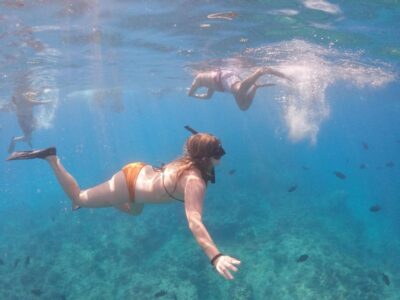
West Maui’s reefs are right there. This shore-based scuba outing off Ka’anapali puts certified pros in charge as you scan coral shallows for green turtles, octopus, and reef sharks.
You’ll love the close, hands-on feel of a shore program and the chance to spot small reef critters that you often miss on big-boat trips. One thing to weigh first: shore entry demands real physical work, and you’ll also need to follow a strict low-altitude rule afterward.
I especially like how the operation runs the day. The briefings are thorough, the team is safety-minded, and guides such as Sarah Sisco and owner/manager Deborah keep the pace friendly and organized for small groups. That shows up in the details: calm explanations, solid equipment, and the kind of professionalism that makes first-time shore entry feel manageable.
The main consideration is the logistics of being in the water by yourself on shore. You must be able to carry 50 lbs, enter and exit with 40 lbs, and you need to be comfortable enough in the ocean to continue once you start—plus the trip follows an elevation limit that can affect the rest of your day.
In This Review
- Quick hits to know before you go
- Kahekili Beach Park: Check-In With a Small Group
- Your Two-Hour Shore Scuba Session, Step by Step
- What “certified” really means here
- West Maui Reef Wildlife: What You’re Likely to See
- A practical tip for better sightings
- Shore Entry Fitness and the 1,000-Foot Rule
- The height rule after your session
- Language and comfort requirements
- Sarah Sisco and the Team: How Briefing and Gear Translate Underwater
- Sites in the Ka’anapali area
- What the $169 Price Really Covers
- Supporting Maui’s Reef Work: What Your Booking Helps
- Who Should Choose This Ka’anapali Shore Scuba Outing
- Final Call: When to Book, and When to Skip
- FAQ
- Where is the meeting point?
- How long is the scuba outing?
- What does the $169 per person include?
- Do I need to be certified?
- What physical requirements do I need to meet for shore entry?
- Are there any elevation rules after the outing?
- What language will the staff use?
- How many people are in the group?
- What happens if the outing is canceled due to weather or minimum travelers?
Quick hits to know before you go
- Shore-based coral reef time off Ka’anapali means more time paying attention to wildlife than traveling.
- Maximum group size of 6 helps you get guidance and keeps the pace controlled.
- Certified-participant requirements include bringing proof and being physically able to do shore entry.
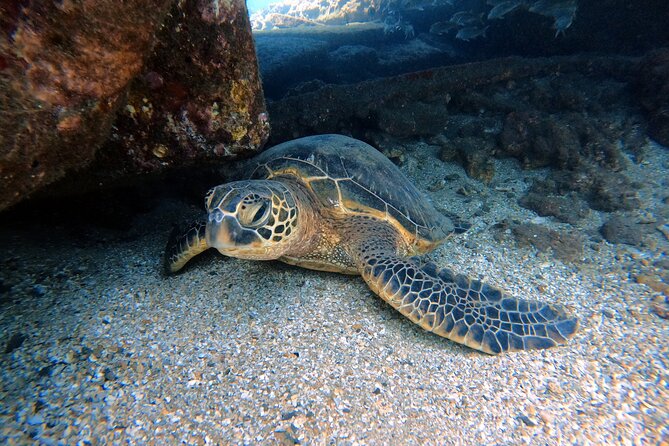
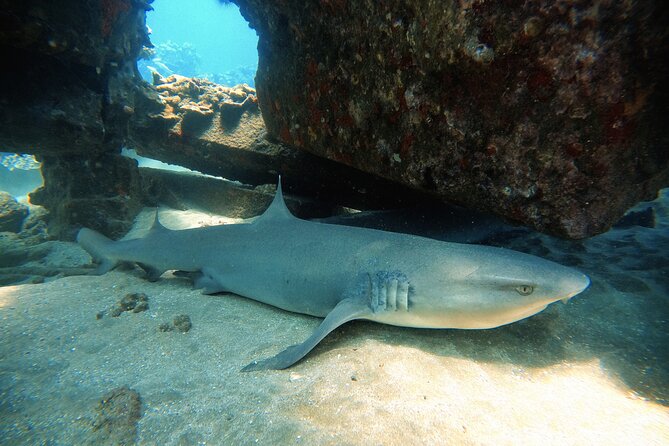
- Marine life targets include green turtles, octopus, white tip reef sharks, moray eels, spotted eagle rays, frogfish, nudibranchs, and colorful reef fish.
- After-activity elevation rule keeps you below 1,000 ft for 18 hours.
- Aloha Maui reef support is built into the experience’s purpose, not just the marketing.
Kahekili Beach Park: Check-In With a Small Group
This outing starts at Kahekili Beach Park, 65 Kai Ala Dr, Lahaina. It’s also described as near public transportation, which matters if you’re staying without a private car.
You’ll likely be checking in with a mobile ticket, and the crew keeps groups small (up to 6 people). That small size isn’t just a comfort perk—it’s practical. Shore programs work best when you’re not funneling too many people at once through a single entry point.
You can also read our reviews of more scuba diving tours in Maui


Your Two-Hour Shore Scuba Session, Step by Step
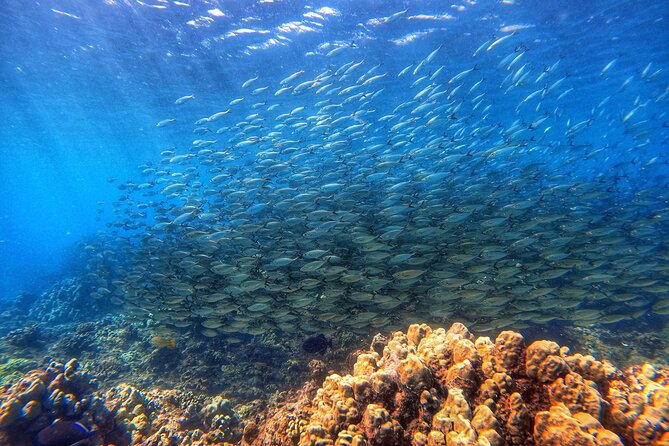
Expect this to run about 2 hours total. Shore-based scuba is usually less about running between spots and more about getting you set up smoothly, then using your time underwater to explore an extensive coral reef.
Here’s the typical flow you should plan around:
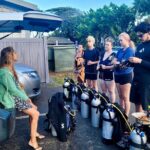
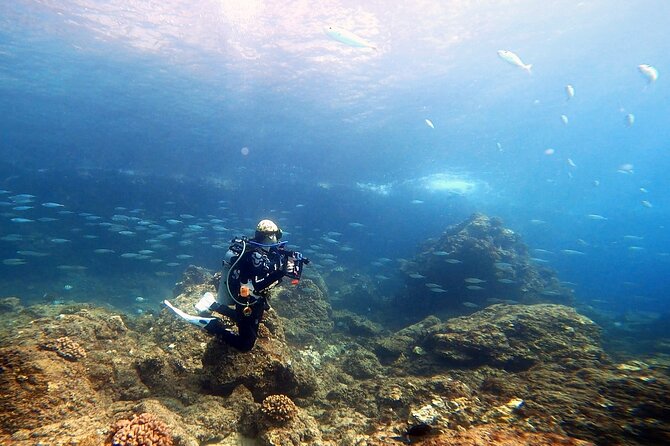
- Arrive, gear up, and get briefed. You’ll use provided scuba equipment, and you’ll get instructions before entering the water. Clear briefings make a shore session easier because you’re managing your own entry/exit rhythm more than you would from a boat step.
- Shore entry and guided reef time. You’ll follow the professionals as they take you through reef corners where marine life likes to hang out.
- Return to the meeting point when the session is done. This activity ends back at Kahekili Beach Park.
If you’re certified, you’ll need to show proof of certification. Also plan for a refresher if it’s been a while—if your last water experience was more than two years ago, a refresher is strongly recommended.
What “certified” really means here
This isn’t positioned as a first-timer program. It’s built for people who already know basic scuba procedures and can handle a shore operation calmly. If you’re a bit rusty, the underwater portion will feel far easier if you’ve done a recent practice session or a refresher.
West Maui Reef Wildlife: What You’re Likely to See
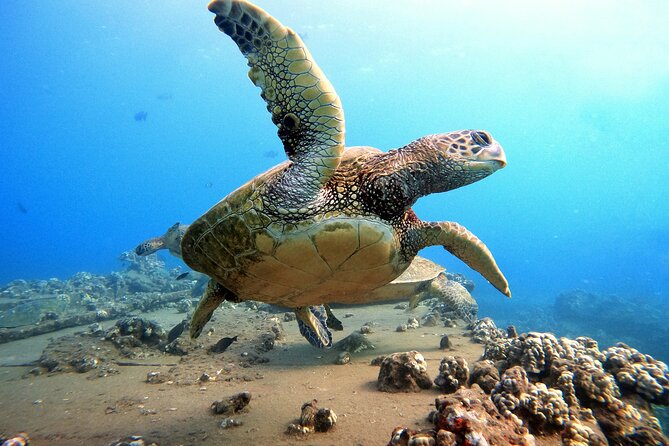
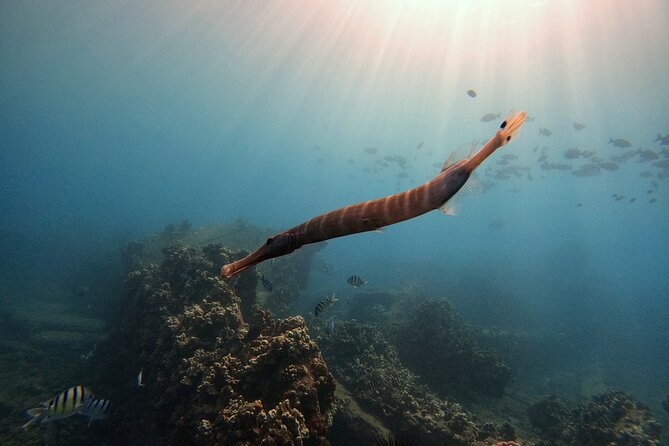
The wildlife list here is one of the best reasons to book. You may see:
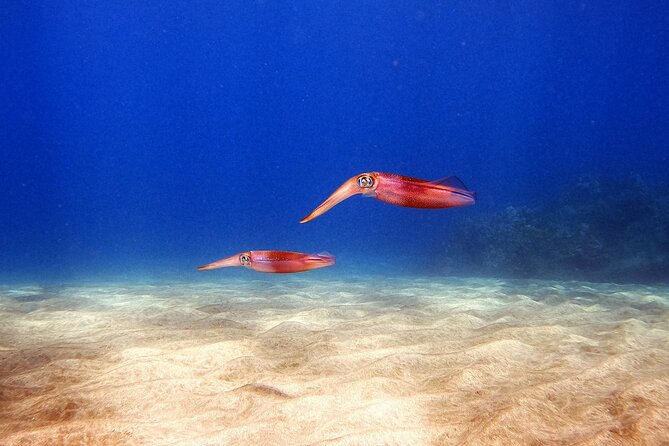
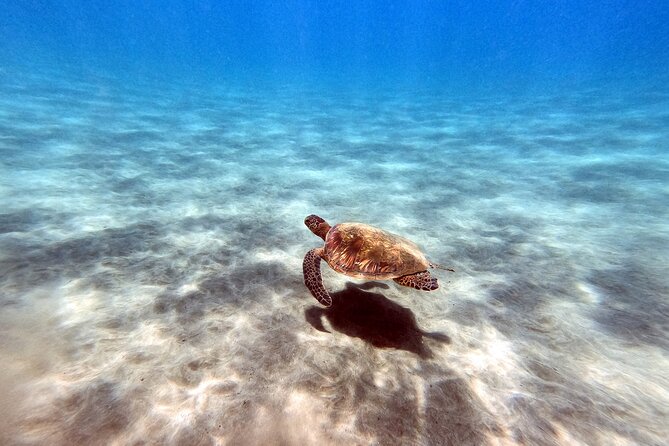
- Green turtles
- Octopus
- White tip reef sharks
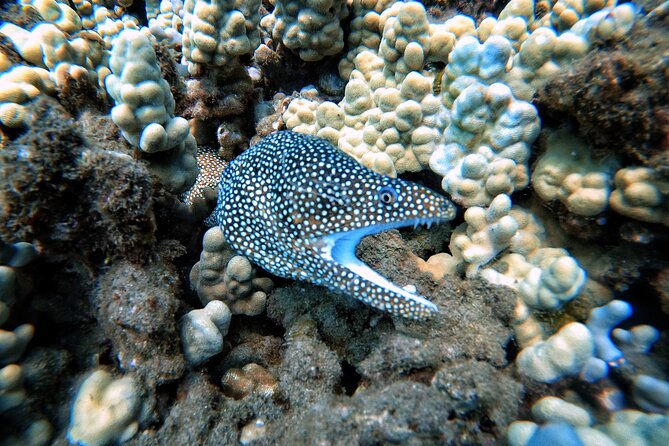
- Moray eels
- Spotted eagle rays
- Frogfish
- Nudibranchs
- Colorful reef fish
- Whale song when in season
Now, a reality check: the ocean is the ocean. You might not see every species on your exact outing. What you can control is how prepared you are to notice what’s around you. Small reef creatures like frogfish and nudibranchs often require slow movement, good buoyancy, and patience. If you’re properly weighted and calm, you’ll have a better chance of spotting them without stirring up sediment.
A practical tip for better sightings
Keep your head on a swivel, but don’t chase. If the guide points something out, hover calmly. Most reef animals show up because you’re quiet and stable, not because you rush.




Shore Entry Fitness and the 1,000-Foot Rule
Shore scuba is more work than people expect. This program requires that you can:
- Carry at least 50 lbs
- Enter and exit the water with a minimum of 40 lbs
That’s not just about strength. It’s about confidence with awkward movement on shore and the ability to move gear without panic. If you’re nursing an injury, feel shaky on uneven sand, or hate hauling weight, reconsider.
The height rule after your session
After your scuba outing, you must stay below 1,000 ft for 18 hours. That matters because Maui is split into big elevation zones. Activities and areas above that line include Mt. Haleakalā, upcountry towns like Kula and Makawao, and things like helicopter tours, paragliding, hiking, and ziplining.
So if your plan includes Haleakalā or an upcountry day, think hard about timing. The easiest solution is scheduling this scuba outing on a day where you’ll stay closer to sea level afterward.
Language and comfort requirements
The crew requires English fluency, because language support beyond English isn’t guaranteed. Also, if you feel unsafe or uncomfortable in the ocean and don’t continue, you may not be able to complete the tour, and refunds aren’t issued in that case.
Sarah Sisco and the Team: How Briefing and Gear Translate Underwater
The best reviews here point to a consistent theme: the shop is organized, safety-focused, and big on communication. Names like Sarah Sisco and Deborah show up repeatedly, along with praise for clear instructions and calm leadership.
Two specific practical lessons you can take from that:
- You’ll likely get thorough pre-water briefings. That’s not extra talk. It reduces stress when you’re working off shore.
- Equipment is a real priority. One review notes that when a diver forgot regulators, the instructor had a quality spare set ready. That kind of contingency mindset matters if you’re traveling with gear or packing tight.
You’ll also see evidence that the shop supports different scuba setups. For example, there’s mention of the AVELO rigging approach and the benefits divers felt in buoyancy and bottom time. Even if you don’t use that system, it signals that the team pays attention to gear fit, weighting, and comfort.
Sites in the Ka’anapali area
Even if your exact route depends on conditions, the Ka’anapali coastline is where this operation is known to work. Reviews specifically mention Mala Pier / Mala Ramp, Black Rock, and Old Airport as places connected to their guided sessions. If you care about certain kinds of underwater structure (more rubble/rocks vs. more coral shelves), ask when you book what site they’re aiming for.
What the $169 Price Really Covers
Price is $169 per person for about 2 hours. Included are:
- Use of scuba equipment
- Government fees
Not included is private transportation.
Here’s the value math that actually matters. If you’re traveling light, having equipment included can save you money and hassle. The government fees can also surprise you when you book something else. And because the group is capped at 6, you’re generally getting more attention than you would on larger operations.
What you need to plan for is transportation. If you don’t have a car, get clear on how you’ll get to Kahekili Beach Park and back. The tour is near public transportation, but that still means you’ll want a simple plan for timing.
Also, this is often booked about 13 days in advance. That’s a clue to treat it like a popular activity: the later you wait, the less likely you are to get a time that matches your schedule.
Supporting Maui’s Reef Work: What Your Booking Helps
This experience frames itself as reef stewardship. The message is simple: when you take part, you help rebuild Maui’s ohana and support local reef conservation efforts.
You’ll also notice how that kind of mission shows up in the way a reef operation runs. When a shop cares about the reef, you tend to get more reminders about not touching coral, staying in control of buoyancy, and respecting wildlife space. Those sound like basic rules because they are—but they’re the difference between viewing a reef and damaging it.
Who Should Choose This Ka’anapali Shore Scuba Outing
This is best for:
- Certified scuba participants who can prove their certification
- People who are comfortable with shore entry and exit
- Divers who can handle a moderate physical fitness level
- Anyone planning to follow the below-1,000-ft for 18 hours rule afterward
- People who are fluent in English
It’s probably not the best fit if:
- You want an easy, minimal-effort setup
- You’re not comfortable hauling and moving gear on shore
- You’re planning Haleakalā or upcountry activities the same day
- You haven’t scoped out whether you’ll be comfortable staying calm underwater
Final Call: When to Book, and When to Skip
Book this if you want a focused, small-group shore experience with a team known for solid safety habits, clear briefing, and strong leadership. The wildlife potential is real—especially for turtles, sharks, rays, and the smaller critters that reward slow, careful movement.
Skip or rethink it if shore entry and the physical carry requirements aren’t your thing, or if your itinerary depends on going above 1,000 ft soon after.
If you’re a certified scuba participant with solid comfort in the ocean and you can line up your day to stay near sea level afterward, this is a strong value way to enjoy West Maui’s reefs.
FAQ
Where is the meeting point?
You meet at Kahekili Beach Park, 65 Kai Ala Dr, Lahaina, HI 96761. The activity ends back at the same meeting point.
How long is the scuba outing?
It runs for about 2 hours.
What does the $169 per person include?
The price includes use of scuba equipment and government fees.
Do I need to be certified?
Yes. You must bring proof of certification. If you haven’t done scuba in the last two years, a refresher is strongly recommended.
What physical requirements do I need to meet for shore entry?
You must be able to carry at least 50 lbs and you must be able to enter and exit the water with a minimum of 40 lbs. You should be in good physical health.
Are there any elevation rules after the outing?
Yes. You must stay below 1,000 ft for 18 hours after your scuba outing. That can affect activities like Haleakalā and upcountry towns.
What language will the staff use?
The professionals are not guaranteed to speak other languages. You should be fluent in English.
How many people are in the group?
This activity has a maximum of 6 travelers.
What happens if the outing is canceled due to weather or minimum travelers?
If it’s canceled because of poor weather, you’ll be offered another date or a full refund. If the minimum number of travelers isn’t met, you’ll also be offered a different date/experience or a full refund.