REVIEW · MAUI
First Class Waterfalls of West Maui and Molokai Helicopter Tour
Book on Viator →Operated by Blue Hawaiian Helicopters - Maui · Bookable on Viator
Sunrise-size views, without the hiking.
This First Class Waterfalls of West Maui and Molokai tour is all about looking down at rainforest valleys, sharp knife-edge ridges, and cascading water—plus flying over Molokai’s dramatic cliffs and the Kalaupapa area. You’ll get front-row floor-to-ceiling windows and a State of Hawai’i Certified Tour Guide pilot who explains what you’re seeing as you go.
What I love most is the combination of comfort and clarity: Bose aviation-grade noise-cancelling headsets and real 2-way microphone communication with the pilot. The second big win is the route itself—Maui’s west side first, then the Pailolo Channel crossing to Molokai for views you just can’t get from the roads.
One thing to consider: the experience depends on weather, and check-in is tight. You’ll want to be on time—late arrivals may not be accepted and flights can shift with wind.
In This Review
- Key Highlights You’ll Care About
- First-Class Windows Over the Valley Isle
- The Route That Connects West Maui to Molokai’s Biggest Climbs
- Maui Start: Shoreline Views, ‘Iao Valley Gateway, and Waihee Ridges
- Kahakuloa Bay and Mauna Kahālāwai: The Remote Feeling of West Maui
- Pailolo Channel Crossing to Molokai: Friendly Isle with a Big Scenic Shift
- Molokai’s Tallest Waterfall, Highest Sea Cliffs, and Kalaupapa
- What the Bose Headsets and 2-Way Pilot Talk Add to Your Experience
- Timing, Check-In, and Photo-Proof Clothing Tips
- Price and Value: What $667.15 Really Buys You
- Who Should Book This First-Class West Maui and Molokai Flight
- Should You Book This Helicopter Tour of West Maui and Molokai?
- FAQ
- Where is the meeting point for this tour?
- How long is the tour?
- What does first-class seating include?
- Are headsets and communication with the pilot included?
- When do I need to check in?
- Is there a weight limit?
- What is the cancellation window for a full refund?
Key Highlights You’ll Care About
- First-class, floor-to-ceiling front windows for uninterrupted views and easier photo framing
- Bose aviation-grade electronic noise-cancelling headsets for clearer pilot explanations
- Pilot and guide combo: your pilot is also a State of Hawai’i Certified Tour Guide
- 2-way communication with microphones so questions are possible during flight
- This route links West Maui to Molokai: waterfalls, sea cliffs, remote valleys, and Kalaupapa from the sky
- Small group size with a maximum of 2 travelers for a calmer ride
First-Class Windows Over the Valley Isle
The first thing you’ll notice is how much easier the view becomes when you’re in the front. With floor-to-ceiling windows in first class, you’re not fighting window frames or awkward angles. It changes how you experience the flight: instead of “watching from a seat,” you’re basically reading the terrain from above—valleys, ridgelines, and cliff lines all in one sweep.
I also like that this tour is built around the idea of understanding what you’re seeing. Your pilot isn’t just flying; they’re also a State of Hawai’i Certified Tour Guide, using 2-way communication so you’re not stuck guessing. That turns what could be a quick sightseeing loop into a guided overview of the West Maui Mountains and then Molokai’s rugged coast.
The tour also does something smart: it focuses on visuals that are naturally hard to access on foot. West Maui’s rainforest valleys and ridges, and Molokai’s sea-cliff country, are exactly the kind of places where a helicopter makes sense—fast, but still scenic.
You can also read our reviews of more tours and experiences in Maui
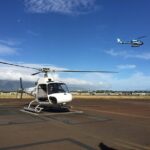
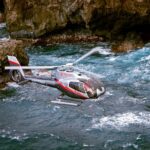
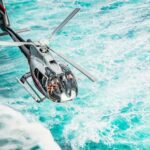
The Route That Connects West Maui to Molokai’s Biggest Climbs
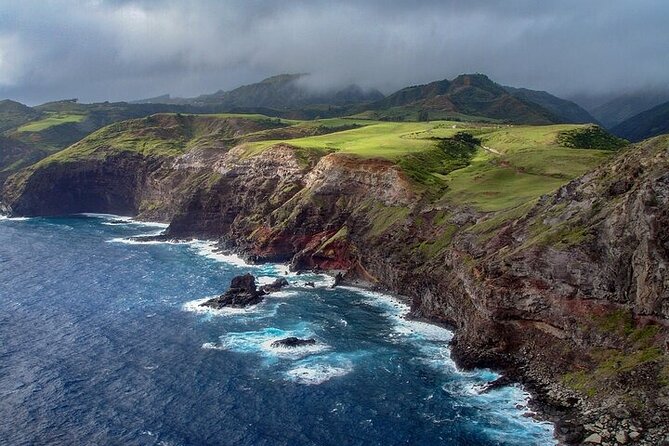
This isn’t just a “Maui helicopter ride.” The route links two different kinds of drama: West Maui’s valleys-and-waterfalls feel, then Molokai’s high sea cliffs and remote coastline feel.
On Maui, you’ll fly over areas that act like gateways into the West Maui Mountains—including the region around ‘Iao Valley. Then you’ll continue along West Maui’s less-developed shoreline and ridge areas, including Waihee and Kahakuloa Bay. From there, the flight crosses the Pailolo Channel to Molokai, which is where the scenery goes big and vertical.
On Molokai, the emphasis shifts to height and isolation: you’ll see the world’s highest sea cliffs, Hawai’i’s tallest waterfall, remote valleys, and the Kalaupapa peninsula area. That “scale jump” is a big part of why this route has such strong appeal.
Also, a practical note: the flight time is listed as about 50 minutes. That’s not a long time, so each segment matters. This itinerary is paced to give you distinct “scene changes” rather than flying the same visual pattern over and over.
Maui Start: Shoreline Views, ‘Iao Valley Gateway, and Waihee Ridges
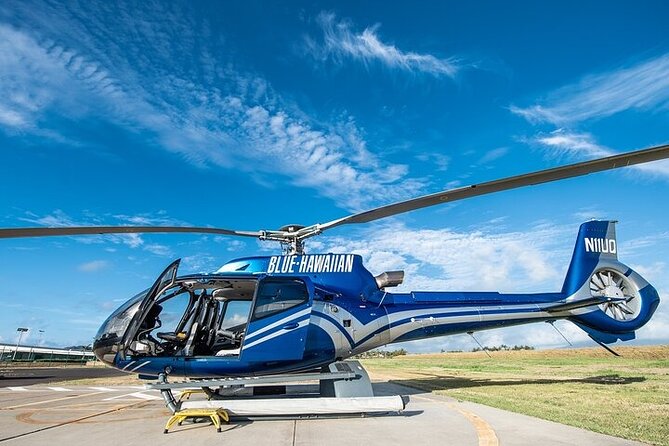
Your tour begins with a look at the shoreline area that supports Maui’s economy, with views that can include Haleakala and the West Maui Mountains. Even before you get deep into valley country, this is a good setup: you get geographic context fast—where mountains sit relative to the coastline.
Next comes the gateway region near ‘Iao Valley and the West Maui Mountains. The value here isn’t just that you’ll see ‘Iao from above—it’s that your pilot uses their tour-guide training to explain the history and culture tied to the sights. From a passenger perspective, that’s what turns a pretty view into a memory with meaning.
Then you’ll move to Waihee, described for its lush ridge lines and dramatic terrain. From the air, ridge lines are easier to interpret than from the ground because you see how the ridges connect, where the slopes drop into valleys, and how weather and mist may collect along peaks.
My practical tip: when your pilot is explaining during these early segments, keep your attention split between the window and their words. The explanations help you “name” what you’re seeing—so later, when you spot a valley or ridge pattern again, you’ll recognize it quicker.
Kahakuloa Bay and Mauna Kahālāwai: The Remote Feeling of West Maui
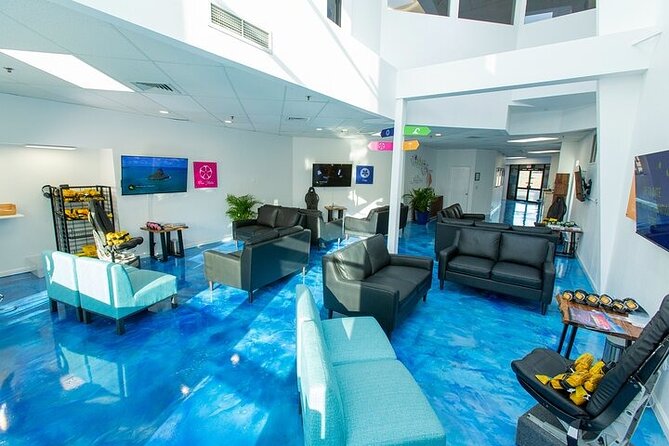
One of the best parts of this itinerary (especially if you like quiet, rugged views) is the stop near Kahakuloa Bay. It’s highlighted as one of Hawaii’s most remote former fishing village areas, seen along the winding West Maui Mountain Road route. From the helicopter perspective, that remoteness can feel even stronger because you’re viewing the coastline and surrounding valleys without the grid of roads and development.
After that, you’ll see the highest peak of Mauna Kahālāwai in the West Maui Mountains. Peaks like this are where helicopters shine: you get the sense of how close ridgelines sit to each other, and how quickly terrain can go from steep to cliffed.
One possible drawback here: if you’re hoping for lots of hovering or slow, long photo stops, this is still a relatively short flight overall. The itinerary packs different areas into one ride, so you’ll want your camera/phone ready, but not expect time for multiple re-tries at each location.
Pailolo Channel Crossing to Molokai: Friendly Isle with a Big Scenic Shift
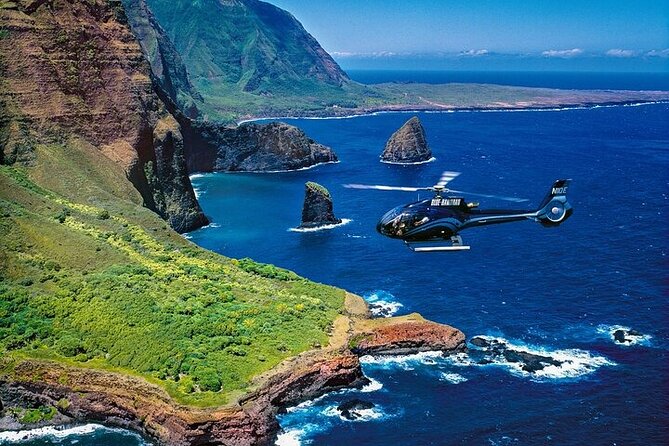
As the flight moves toward Molokai, you’ll cross the Pailolo Channel. The itinerary calls Molokai the Friendly Isle, and you’ll feel why once you land into the Molokai visual pattern—less “lush urban edge,” more tall cliffs, open ocean, and isolated valleys.
This is also a good moment to reset your expectations. Maui’s West Maui Mountains scenery can look like layered valleys and rainforest cuts. Molokai shifts into a coastline and cliff story, where you’re more likely to focus on vertical walls and the way water interacts with rock.
If you’re prone to motion or get anxious, this crossing can help because the transition gives you a natural mental checkpoint. You’ll know the flight is moving into a new landscape phase, and the pilot guidance keeps things structured.
You can also read our reviews of more tours and experiences in Maui





Molokai’s Tallest Waterfall, Highest Sea Cliffs, and Kalaupapa
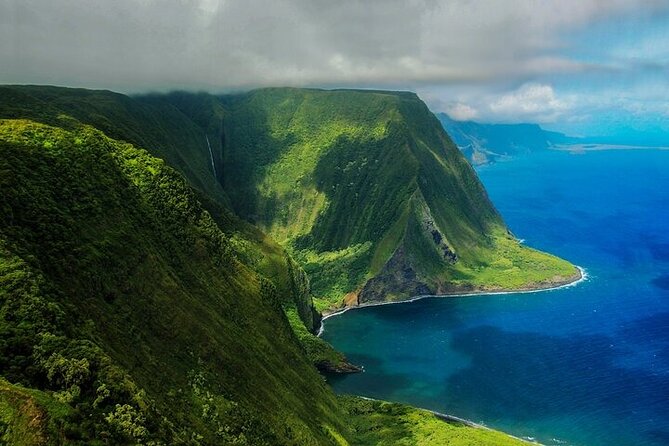
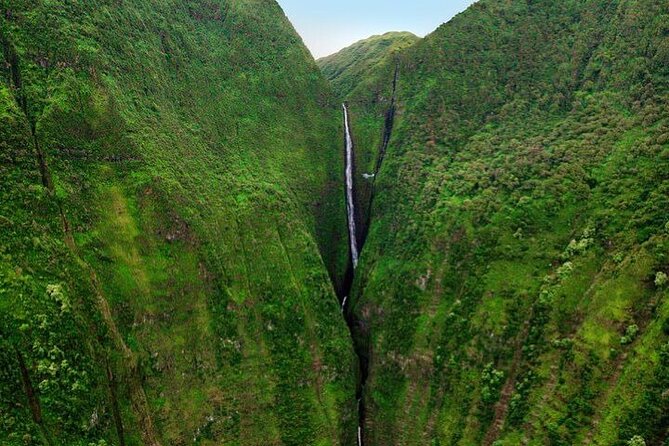
Molokai is where the tour earns its name. The itinerary highlights the world’s highest sea cliffs and Hawai’i’s tallest waterfall, plus remote valleys and the Kalaupapa community/peninsula area.
From the air, the sea-cliff view isn’t just impressive—it helps you understand the island’s geography. You see how ocean waves meet steep rock faces, where the coastline bends, and how the cliffs dominate the horizon. That’s the kind of view you can’t really replicate with road pullouts because the scale is too extreme.
The tour also includes the Pelekunu Bay and Pelekunu Valley area, where a key detail is that you can see one of Hawaii’s last remaining free-flowing streams and uniquely preserved ancient Hawaiian fauna. That’s a big deal for interpretation. Instead of only seeing scenery, you’re seeing a natural system the region is known for, and you learn what makes it special—at least as far as the tour describes.
And then there’s Kalaupapa. The itinerary frames it as a famous peninsula community area. Even if you don’t know the full background before you go, you’ll get enough context from the pilot guide to connect what you see to the place’s cultural and historical significance.
What the Bose Headsets and 2-Way Pilot Talk Add to Your Experience
A helicopter ride can be either “quietly scenic” or “actually guided.” This one tries to do the guided part right.
You get Bose Aviation-grade electronic noise-cancelling headsets. That matters because helicopter sound is loud enough to swallow speech. With noise cancellation, the pilot’s explanations are easier to hear, so you can follow along without leaning forward like a startled student.
You also get microphones with 2-way communication with the pilot. In practice, that means it’s not just a one-direction commentary. If something grabs you—like a valley shape or a waterfall location—you have a better chance of asking what it is or getting clarity.
One included extra that I appreciate: there’s an after tour video preview at the heliport. That can help you relive the flight from angles you might not have captured while you were busy looking out the window.
If you want extra media, the info notes that USB in-flight video and photo packages are available after the flight for purchase, and you should bring a credit card for optional packages and souvenirs.
Timing, Check-In, and Photo-Proof Clothing Tips
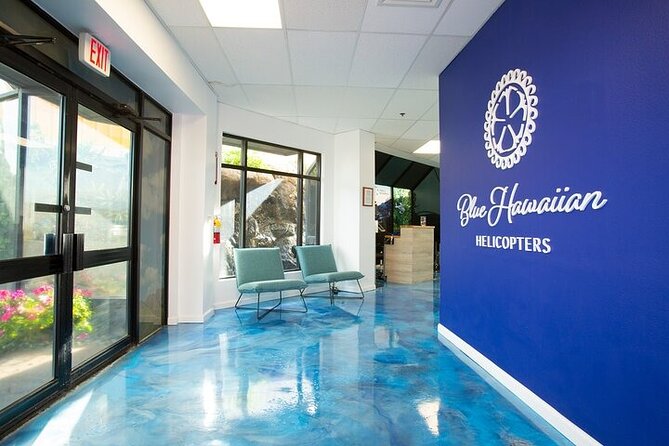
This tour is short, so timing is everything. Check-in is 45 minutes prior to tour time. The purpose is practical: weight check-in, safety briefing, and getting you seated and ready for an on-time departure. Late arrivals may not be accepted and are non-refundable, so plan for real-world traffic and buffer time.
It’s also worth noting that tour times can vary with wind and weather conditions. The experience needs good weather, so you should expect some flexibility around the exact flight schedule.
For photos, the guidance is simple and useful: wear dark colored clothing so you don’t reflect in photos. It’s one of those small details that can save your pictures from looking like you accidentally shot yourself in the window.
Finally, remember that transportation to and from the heliport isn’t included. Parking at the heliport is listed as $7, so factor that into your total budget if you’re driving.
Price and Value: What $667.15 Really Buys You
At $667.15 per person, this isn’t a budget activity. The value comes from three things:
First, it’s not a generic scenic flight. It’s a cross-island route linking West Maui and Molokai, with specific “named features” in the itinerary: ‘Iao Valley area, Waihee ridges, Kahakuloa Bay, Mauna Kahālāwai peak, Pailolo Channel crossing, Molokai’s sea cliffs and tallest waterfall, Kalaupapa, and the Pelekunu Valley free-flowing stream area.
Second, you’re paying for front-row viewing and comfort: first-class seating with floor-to-ceiling windows, plus Bose noise-cancelling headsets and 2-way communication. Those aren’t add-ons that you have to buy later—they’re part of the ride quality.
Third, it’s a small-group flight (maximum of 2 travelers). That can make the experience feel less cramped and more focused. If you want less waiting, fewer seatmates, and an easier time capturing clear window shots, that matters.
If you’re deciding between a cheaper helicopter option and this one, ask yourself one question: do you want the trip to feel guided and cinematic, or just scenic? If the answer is guided and cinematic, the first-class format justifies more of the cost.
Who Should Book This First-Class West Maui and Molokai Flight
This tour is a strong fit if you:
- Want to see West Maui and Molokai in one shot without coordinating multiple days of driving
- Care about understanding what you’re seeing, not just taking pictures
- Prefer comfort and clarity, especially with noise-cancelling headsets and a pilot who can explain the sights in real time
- Like the idea of remote, rugged terrain views: ridge lines, valleys, sea cliffs, and waterfalls
It’s less ideal if you need long stops to walk around, because this is a flight-focused itinerary with a total duration of about 50 minutes.
Also, if you’re heavier than the listed range, read the weight rule carefully. The tour data says total weight per passenger is 240 lbs. For each guest weighing over 240 lbs, an adjacent empty seat is required for safe balance. The second seat price is listed as half off the regular tour price, and you need to arrange that additional seat after booking.
Should You Book This Helicopter Tour of West Maui and Molokai?
I’d book it if you want a one-day, aerial “greatest hits” experience that actually teaches you what you’re seeing—front windows, noise-cancelling headsets, and a pilot who’s also a certified tour guide. The price is high, but the route covers a lot of the geography that normally takes multiple drives and hikes to approach.
I’d think twice if you dislike weather-related uncertainty. The tour requires good weather, and flight times can change. If you’re traveling with tight scheduling, have a flexible day on your calendar.
If you can handle the check-in timing, wear dark clothing for better photos, and plan for the pilot-guided pacing, this is the kind of helicopter tour that turns into a story you can tell later—because the views come with context.
FAQ
Where is the meeting point for this tour?
The tour starts at Blue Hawaiian Helicopters, Lelepio Pl, Kahului, HI 96732, USA. The activity ends back at the meeting point.
How long is the tour?
The duration is approximately 50 minutes, with flight time listed as 50 minutes.
What does first-class seating include?
First-class seating includes floor-to-ceiling windows in the front of the helicopter.
Are headsets and communication with the pilot included?
Yes. You’ll have Bose Aviation-grade electronic noise-cancelling headsets and microphones for 2-way communication with the pilot.
When do I need to check in?
Check-in is 45 minutes prior to tour time to allow for weight check-in, safety briefing, and escorting/seating on the aircraft.
Is there a weight limit?
The total weight per passenger is listed as 240 lbs. For each guest weighing over 240 lbs, an adjacent empty seat is required for safe balance, and the second seat is half off the regular tour price.
What is the cancellation window for a full refund?
You can cancel up to 24 hours in advance for a full refund. If you cancel less than 24 hours before the experience’s start time, the amount paid is not refunded.