REVIEW · HONOLULU
O‘ahu Highlights Private Guided Tour: Landmarks & Architecture
Book on Viator →Operated by DTours · Bookable on Viator
Private tours on O‘ahu save you time. In four hours, you get a tight route through Honolulu’s landmark buildings and the steep scenery around Diamond Head.
What I like most is the mix of architecture and viewpoints in one plan: Iolani Palace gives you the royal-era details, and Kawaiahaʻo Church shows how coral stone and European-style design can share the same site. The one drawback to consider is that the tour runs only in the early morning window, so it’s built for doing a lot fast, not for a slow, late-afternoon wander.
Because it’s private, you’re not stuck in a big bus rhythm. You’ll also get bottled water and private transportation, which makes this route feel smoother when you’re hopping between lookout pullouts and downtown stops.
In This Review
- Key Points You’ll Care About
- Why This 4-Hour Private Loop Works on O‘ahu
- Starting on Kalākaua Avenue: Waikīkī’s Landmark-Filled Front Door
- Diamond Head Road Viewpoints: Camera Ready for the Steep Drop
- I‘olani Palace: Royal Tech Details You Might Not Expect
- Kawaiahaʻo Church: Neoclassical-Mediterranean Revival Meets Coral Stone
- Aliʻiolani Hale and the Kamehameha V Statue Courtyard
- Nu‘uanu Pali Lookout: Cliffs, Folklore, and the Reality of Conflict
- Interstate H-3 and the Tetsuo Harano Tunnel: Modern Engineering Through Rugged Terrain
- Private Transportation, Water, and a Guide Who Adjusts
- Price and What $225 Buys You
- Who This Tour Suits Best
- What to Expect From the Schedule and Weather
- Quick Decisions: Should You Book This?
- FAQ
- How long is the O‘ahu Highlights Private Guided Tour?
- What is the price per person?
- Does the tour include pickup?
- What are some of the main stops on the route?
- Is bottled water included?
- What’s the meeting time window?
- Is this a private tour?
- Are animals allowed?
- What’s the weather requirement?
- What’s the cancellation window for a full refund?
Key Points You’ll Care About
- A fast, high-impact 4-hour route that combines buildings and major scenic stops
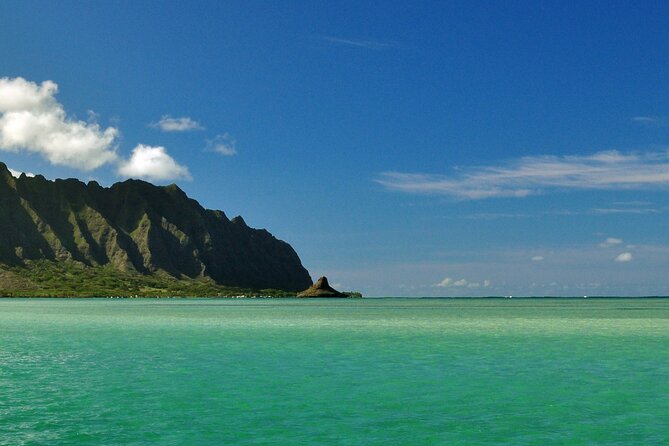
- Diamond Head + Koʻolau Range views in the same day as city landmarks
- Real architecture context, from royal buildings to a church made with massive coral slabs
- Private transportation with bottled water, so you spend less time figuring things out
- Jeff Parker-style guiding: engaged, flexible, and willing to incorporate your interests
- Good-weather dependent, with options if conditions force a change
Why This 4-Hour Private Loop Works on O‘ahu
O‘ahu can be a lot even when you’re excited. Distances add up, parking is a headache in the middle of the day, and famous places often need just enough time to make your own schedule feel stressful. This tour is built to avoid that problem. Instead of you bouncing around with maps and guesswork, your guide handles the timing and the best approach to fit major stops into a morning block.
The tour also makes a smart choice: it doesn’t treat architecture like a box-checking task. You’ll connect what you’re seeing—palaces, churches, government buildings—to the island’s political shifts and building styles. That’s the difference between taking photos and actually understanding what the buildings are saying.
One more practical perk: you’re not dealing with a crowd choreography. Private transportation and a small-group feel mean fewer moments lost to waiting.
You can also read our reviews of more guided tours in Honolulu
Starting on Kalākaua Avenue: Waikīkī’s Landmark-Filled Front Door
The morning begins on Kalākaua Avenue, Waikīkī’s main passage. This is where the city feels most like a living postcard: historic hotels, recognizable statues, and a lot of the visual identity that makes Honolulu easy to picture even before you arrive.
This stop is useful because it gives you a baseline. When you start with a central spine like Kalākaua Avenue, everything later on the route feels less random. You’ll also get a quick “how Honolulu is laid out” feeling, which matters once you head toward Diamond Head and down into more dramatic elevation.
Tip for your photos: Kalākaua Avenue is best for getting the big picture early. If you want clean shots of iconic hotel facades or street statuary, morning light usually helps, and the crowds tend to be less chaotic than later.
Diamond Head Road Viewpoints: Camera Ready for the Steep Drop
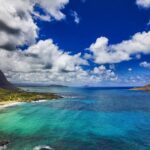
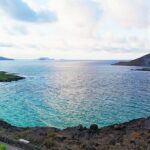
Next comes the Diamond Head State Monument area via Diamond Head Road. The drive breaks away from sea level and pushes you onto the steep southern face of the crater. That’s not just dramatic scenery—it’s also a good reminder that O‘ahu’s geography does the heavy lifting here. Views aren’t an accessory. They’re part of the island’s story.
This is one of the stops where your camera gets a workout. You’ll look down rocky cliffs toward the ocean with enough open sightlines that even short pullovers can produce satisfying shots.
What to watch for: steep lookouts can mean uneven footing and wind. Wear shoes you’re comfortable standing in for a few minutes, and keep your phone or camera straps secure if it’s gusty.
I‘olani Palace: Royal Tech Details You Might Not Expect
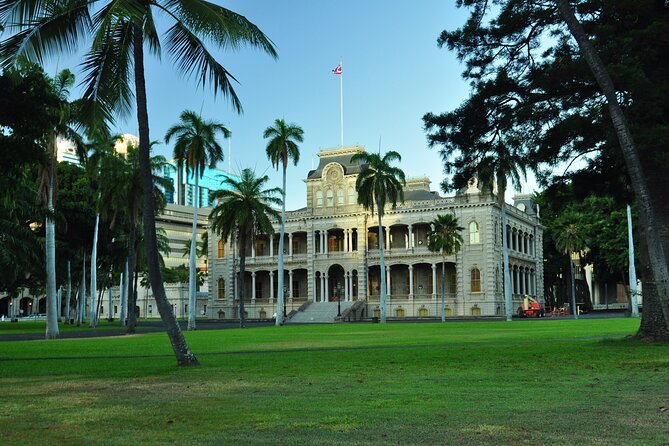
I‘olani Palace is the kind of stop that makes you slow down. It was built at the request of King David Kalākaua in 1879 and completed in 1882. The sheer idea that it was finished in the late 1800s already sets it apart—but what makes it extra interesting is how advanced it was for its time.
You’ll hear about innovations inside the palace, including indoor plumbing, telephone service, and electric lights. The details are the point: this wasn’t a simple “royal house” in the way people often imagine. It was a statement of modernity, and it’s one reason the palace remains unique as the only royal residence in the United States.
If you like architecture, look for how the building signals status through design and craftsmanship. If you like history, focus on what the palace says about leadership and technology. Either way, it’s the stop that often turns into the best storytelling on the route.
Quick idea: if you’re the type who loves facts, ask your guide about what makes the palace historically significant. The guiding style here is built for giving you that useful background without turning it into a lecture.
Kawaiahaʻo Church: Neoclassical-Mediterranean Revival Meets Coral Stone
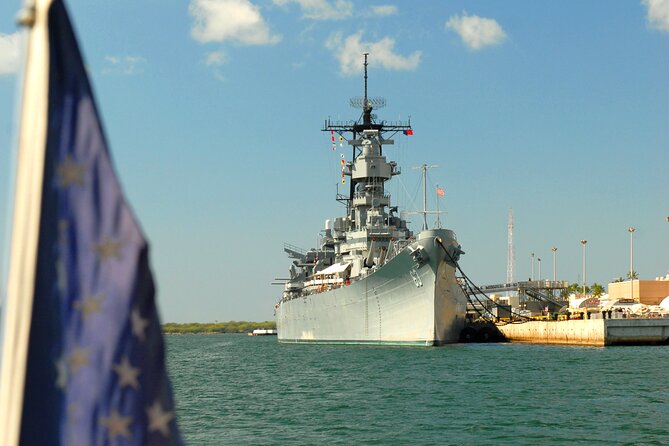
Kawaiahaʻo Church brings a different kind of wow. You’re looking at a site shaped by early missionaries, with neoclassical-Mediterranean Revival influences. It’s also O‘ahu’s oldest church, completed in 1842, and it originally served as a worship place for the royal family.
Now comes the detail that makes this building feel physical and real: the main walls are made from coral slabs weighing about 1,000 pounds each. That’s not a decorative detail. It’s a scale detail, and it changes how you see the church once you understand how much effort it took to build.
Why this stop matters on a tour like this: palaces and government buildings can be all about power and politics, but churches show community and belief systems—plus the cross-cultural mix that happened in design choices.
If you’re sensitive to religious spaces or prefer quiet, this stop can still work well. Just treat it with respect and keep your focus on architectural features and materials.
You can also read our reviews of more private tours in Honolulu





Aliʻiolani Hale and the Kamehameha V Statue Courtyard
Aliʻiolani Hale is where the morning swings from landmark buildings into government and civic power. Completed in 1874, this building was designed by Kamehameha V as a royal palace. He later recommissioned it as his Hawaiian government expanded. Today, it’s home to the Hawaii Supreme Court, which means the building’s life didn’t end with the monarchy—it shifted into a new chapter.
The building has also had pop-culture visibility. Between 2010 and 2020, it was used as Honolulu’s Police Headquarters in the TV series Hawaii Five-0. Even if you’re not a TV watcher, that can help you visualize the building’s exterior scale and layout.
In the courtyard you’ll spot the gold-leafed statue of Kamehameha the Great. It’s front and center for a reason, and it’s heavily featured in print, television, and movies. Standing near it can make everything around Aliʻiolani Hale feel more “anchored.” You’ll understand the symbolism more quickly because you’re looking at the person the space is built to honor.
Photo note: courtyards are great for wide shots, but watch for glare on bright surfaces. Gold leaf can reflect hard.
Nu‘uanu Pali Lookout: Cliffs, Folklore, and the Reality of Conflict
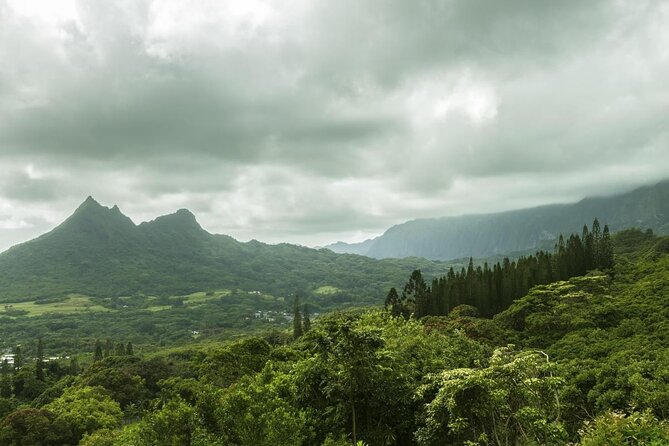
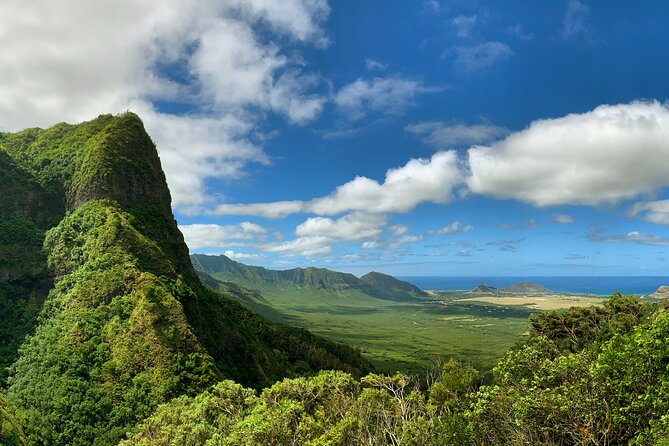
After the city architecture, Nu‘uanu Pali Lookout gives you the other half of O‘ahu’s personality: dramatic elevation. The views include coastal, cliff, and mountain scenery tied to history and folklore.
This is also the kind of place that gets heavy fast. It’s the site of one of the bloodiest battles in Hawaiian history. If you’re expecting a purely scenic lookout, plan to take a breath and treat this as a respectful moment. The scenery is breathtaking, but the site carries weight.
How to make this stop feel worth it: don’t just snap and move on. Stand where your guide tells you to stand, look across the vista, and then let the explanation connect the terrain to what happened here.
Interstate H-3 and the Tetsuo Harano Tunnel: Modern Engineering Through Rugged Terrain
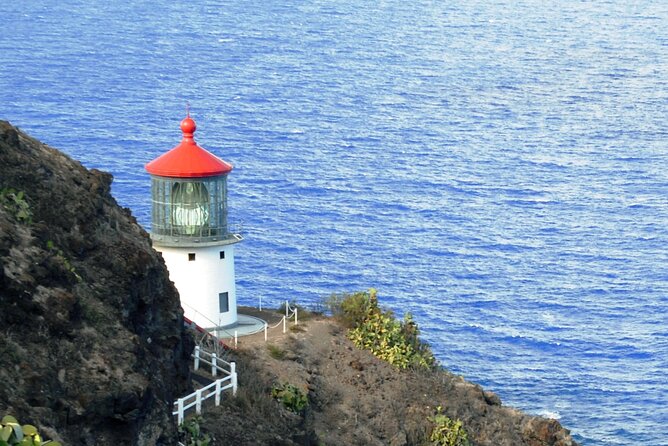
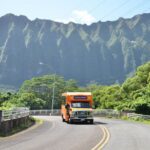
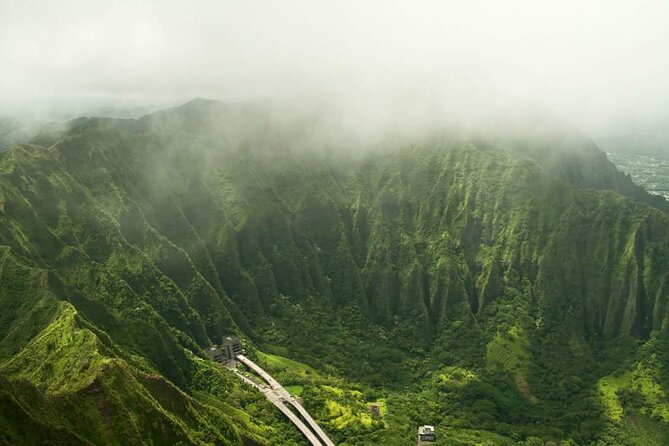
The final major segment turns from overlooks to infrastructure. Interstate H-3 is Hawaii’s newer highway and the main Eastside-Westside route through the Koʻolau Mountain Range. You’ll also pass through the Tetsuo Harano Tunnel, which is 5,165 feet long.
This section is a fun contrast after the older landmarks. You get to see how the island keeps evolving—how modern engineering threads through steep terrain—and you get more “O‘ahu is vertical” perspective as the highway crosses the mountain system.
Your guide will frame it as both rugged and beautiful. That’s the feeling you’ll likely get too. Even if you don’t care about highways, this is a good way to round out the day so it doesn’t feel like only museums and monuments.
Private Transportation, Water, and a Guide Who Adjusts
The best value in this tour isn’t just the list of stops. It’s how the tour is paced. Private transportation reduces the downtime you’d otherwise spend navigating between areas. Bottled water is included, which matters when you’re doing multiple outdoor viewpoints in one morning.
And then there’s the human part. In the reviews, the guide style comes up repeatedly: Jeff is described as engaging, kind, and flexible, and he’ll incorporate your ideas when you have preferences. That matters because a private tour shouldn’t feel like you’re being marched through a script. When a guide can adapt—say, spending a little extra time on a viewpoint you care about—that’s when the tour becomes more than a driving checklist.
If you want a tour that feels like a conversation with a local guide rather than a headset tour, this is the right format.
Price and What $225 Buys You
At $225 per person for about four hours, this isn’t a budget activity. But it can still feel like good value because you’re paying for three things at once: private guiding, private transportation, and a tight route that covers major stops you’d otherwise spread across multiple days or half-days.
If you were planning it yourself, you’d likely spend time figuring out routing, parking, and what order makes sense. You might also end up paying for separate guided stops or losing hours to logistics. Here, the price bundles the problem-solving into one morning.
This works especially well if:
- you’re short on time and want a strong first-day overview
- you care about architecture and want context, not just photos
- you’re traveling with family or a group that benefits from a slower, organized pace
Who This Tour Suits Best
This is a great fit for first-time visitors who want a focused introduction to Honolulu and the nearby historic sites. It’s also ideal if you like seeing a variety of building styles and understanding how the islands’ political story shows up in architecture.
If you’re the type who wants a relaxed “wander at your pace” day, this tour might feel too structured. Four hours goes quickly when you’re switching from palace to church to lookout. In that case, consider using this as a foundation morning and saving slower exploration for later.
What to Expect From the Schedule and Weather
The tour runs daily within an early morning window, with hours listed from 6:00 AM to 10:00 AM. That timing is a benefit if you prefer cooler morning temps and want daylight for the scenic parts. It also means you’ll be done while many areas are just starting to feel busy.
One more reality check: it requires good weather. If conditions are poor enough to cancel, you should expect a different date or a full refund option. Since the route includes viewpoints and cliff areas, the weather matters more than you might think.
Quick Decisions: Should You Book This?
Book this tour if you want:
- a high-yield introduction to O‘ahu’s most recognizable historic and scenic stops
- a guide who can add context to what you’re looking at
- an organized morning plan that avoids logistics stress
Skip it if you want a long, slow day with lots of free time to roam. Also, if you dislike early starts, the morning schedule may feel like a compromise.
For most people—especially first-time visitors—this is a solid way to get oriented fast and still come away with meaningful details, not just postcards.
FAQ
How long is the O‘ahu Highlights Private Guided Tour?
The tour is about 4 hours.
What is the price per person?
It costs $225.00 per person.
Does the tour include pickup?
Pickup is offered, and the tour includes private transportation.
What are some of the main stops on the route?
You’ll see Diamond Head State Monument, I‘olani Palace, Kawaiahaʻo Church, Aliʻiolani Hale, Nu‘uanu Pali Lookout, and Interstate H-3, plus sights along Kalākaua Avenue.
Is bottled water included?
Yes, bottled water is included.
What’s the meeting time window?
The tour operates daily during 6:00 AM to 10:00 AM.
Is this a private tour?
Yes. It’s a private tour/activity, and only your group participates.
Are animals allowed?
No, animals are not allowed.
What’s the weather requirement?
The experience requires good weather. If it’s canceled due to poor weather, you’ll be offered a different date or a full refund.
What’s the cancellation window for a full refund?
You can cancel up to 24 hours in advance of the experience start time for a full refund.