REVIEW · HONOLULU
Passport to Pearl Harbor “Private”
Book on Viator →Operated by Karma Tour Hawaii · Bookable on Viator
Pearl Harbor hits hard, even on a good day. This private Passport to Pearl Harbor outing strings together a Visitor Center briefing, the USS Arizona boat ride, and big WWII stops like Bowfin and the Mighty Mo. You’ll also have time for Ford Island aviation history and a couple of classic Oahu memorial-and-culture stops.
I love how the day is organized around a clear story arc. The in-person briefing at the Pearl Harbor Historic Sites Visitor Center helps you connect what you’re seeing later, and you’ll get aviation scale at Hangar 37 and Hangar 79 on Ford Island with 50+ aircraft on display.
One consideration: it’s a long, packed day (about 8–9 hours including travel time). Pearl Harbor also has a strict no bags rule, so you’ll want to travel light and keep things simple.
In This Review
- Key things to know before you go
- Private Pearl Harbor: why this format feels different
- Getting oriented at the Pearl Harbor Visitor Center (Pu’uloa to Wai Momi)
- USS Arizona Memorial: the boat ride plus the galleries
- Bowfin submarine: the WWII silent service perspective
- USS Missouri: from fighting to signing the surrender
- Ford Island aviation museums: Hangar 37, Hangar 79, and 50+ aircraft
- Two bonus Oahu stops: royal residence history and Punchbowl Crater
- Price and value: what $500 includes and why that matters
- Timing, pickup, and how to plan your morning
- Getting the most from a WWII-focused day
- Accessibility and mobility notes you should take seriously
- Who should book this private Passport to Pearl Harbor day
- Should you book this private tour?
- FAQ
- How long is the Passport to Pearl Harbor Private tour?
- What does it cost?
- Is pickup offered, and where does it happen?
- What time does the tour start?
- Is this tour private?
- Are museum and boat ride tickets included?
- Are bags allowed at Pearl Harbor?
- What is the cancellation policy?
Key things to know before you go
- Private-only group experience with pickup from designated Waikiki zones
- USS Arizona Memorial includes the boat ride ticket plus major exhibit galleries
- Three separate WWII “at-sea” perspectives: submarine (Bowfin), battleship (Missouri), and the broader fleet context
- Ford Island aviation museums included with Hangar 37, Hangar 79, and the Raytheon Pavilion
- In-person orientation at the Visitor Center to make the rest of the day click
- Early start (7:30am) means an efficient day, but plan for lots of walking and standing
Private Pearl Harbor: why this format feels different
A private tour isn’t just about comfort. It’s about flow. Pearl Harbor is emotional, technical, and huge—plus it’s an active military base and a National Historic Landmark. Having one plan for the day (instead of piecing together tickets and time slots) helps you spend your energy on the story, not on logistics.
You’re also buying structure. This itinerary bundles a visitor orientation, the USS Arizona Memorial experience, then two major ship stops (Bowfin and the Missouri), and then the aviation museums on Ford Island. That’s the key. The best parts of a day here aren’t only the buildings—they’re the connections between them.
It’s also worth noting the “private” part. Only your group participates. That matters when the schedule is tight. You can keep your pace, ask questions, and move through the day without feeling like you’re always negotiating with a larger crowd.
You can also read our reviews of more private tours in Honolulu


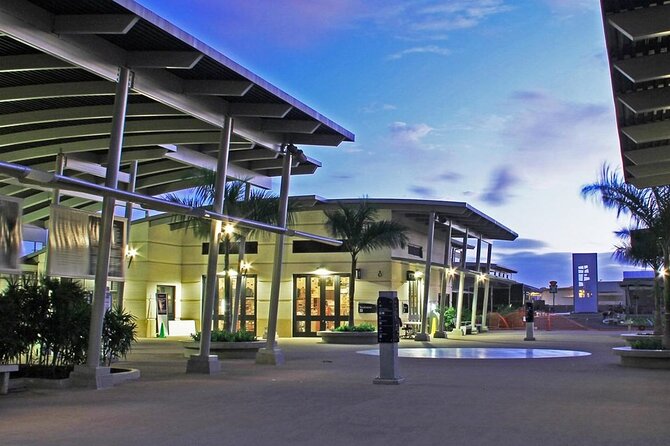
Getting oriented at the Pearl Harbor Visitor Center (Pu’uloa to Wai Momi)
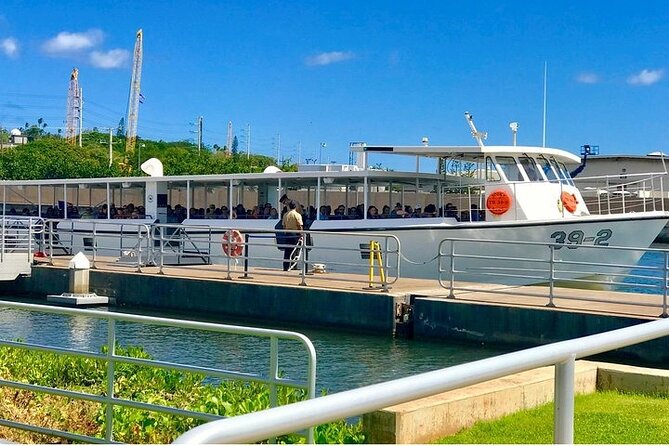
Your day starts at the Pearl Harbor Historic Sites Visitor Center, with time for a briefing and orientation before the memorials and ships. This is the spot where the meaning of Pearl Harbor is explained in a way that makes everything else land harder.
The center frames Pearl Harbor with Hawaiian place names—Pu’uloa (long hill) and Wai Momi (water of pearl). That sounds like a trivia detail, but it sets the tone. You’re not just walking into a WWII museum day. You’re stepping into a place with a longer identity, one that existed before the attack.
You also get the big picture of what the area includes. Pearl Harbor today remains active, and the historic sites tell the War in the Pacific story through four major attractions (attack through surrender). With the briefing included and time set aside (about 30 minutes), you’ll be better prepared for the sequence you’ll see later—especially the USS Arizona Memorial.
Practical tip: go in with one question in mind. I find it helps to mentally pick one theme for the day, like what changed after the attack or how air power shifted the war. The briefing makes it easier to track that theme as you move.
USS Arizona Memorial: the boat ride plus the galleries
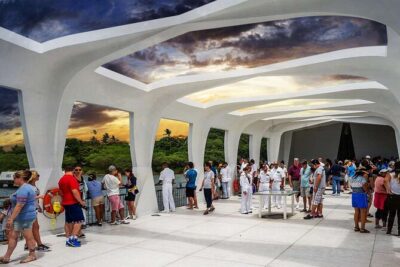
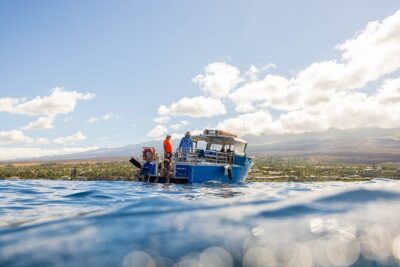
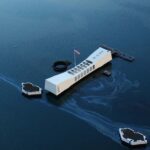
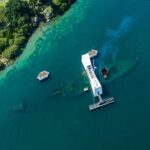
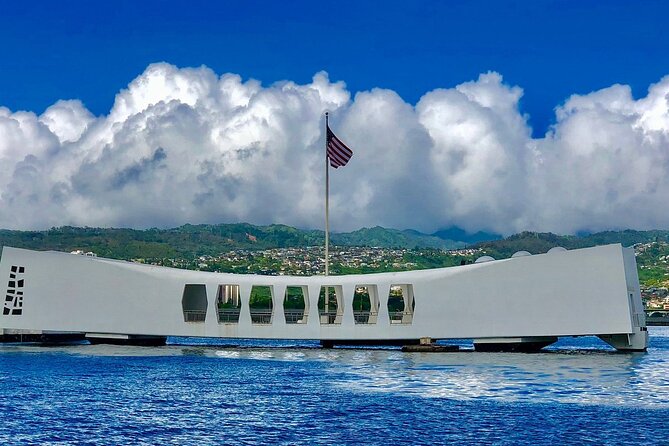
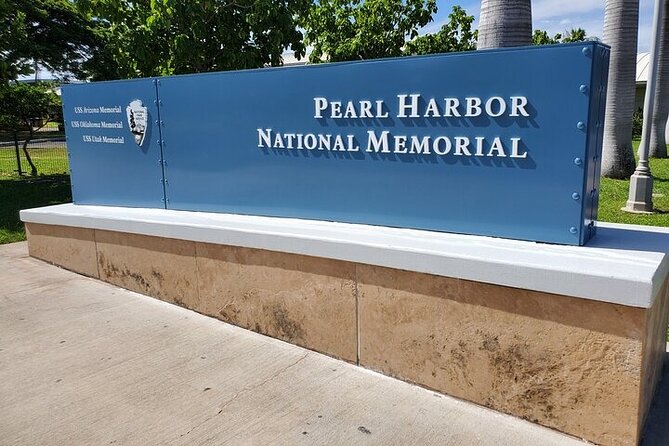
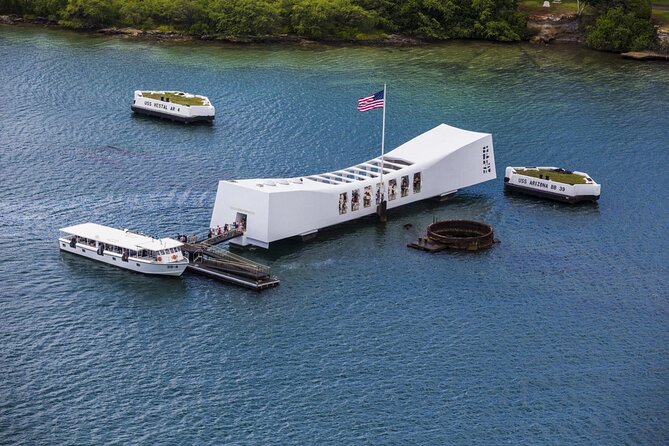
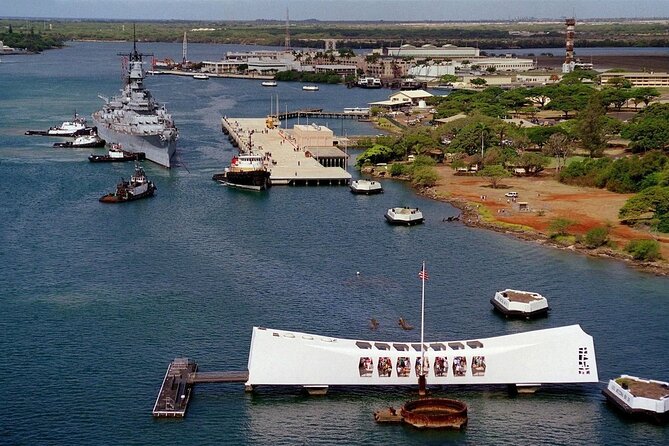
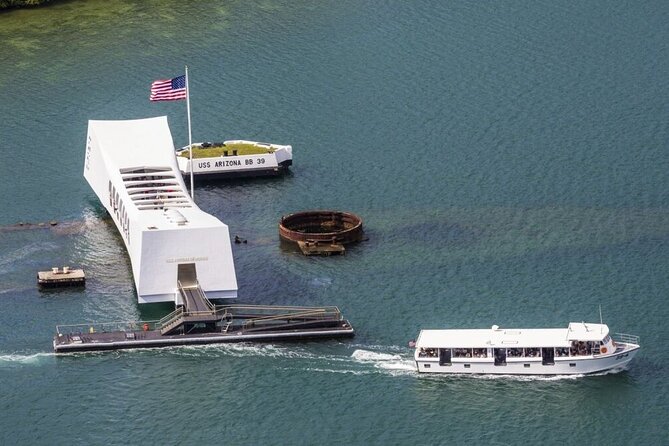
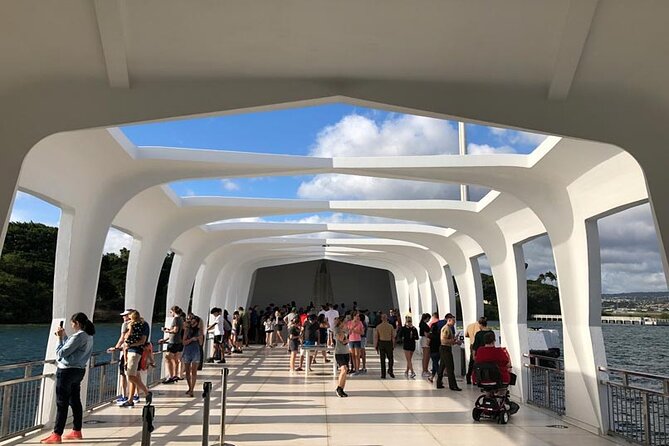
The most famous part of this day is the Pearl Harbor National Memorial, built around the home of the USS Arizona Memorial. This stop is where you’ll do the included boat ride to the memorial (with the ticket provided) and then spend time in the galleries.
Why the boat ride matters: it’s not just a transport moment. It sets your body in the right mindset before you start reading and watching. Even if you’re familiar with WWII history, the transition from land to water gives the site a different weight.
Then you get the exhibit galleries: Road to War and Attack. Those gallery titles are simple, but they’re effective. They help you understand that the story didn’t start on December 7. It builds up toward it, then shows what happened when the attack came.
The stop also includes time at the Pacific Historic Parks Souvenirs Shop. That’s a small detail, but it’s practical. If you want a memento, you don’t have to hunt for it later—you’ll have a chance during your allocated time.
How to get the most from the memorial: don’t try to read everything in one pass. Pick sections that match your theme from the Visitor Center. Give yourself time to pause and then move on. The memorial experience is strongest when you balance reflection with momentum.
Bowfin submarine: the WWII silent service perspective
After the memorial stop, you shift from the largest public icon to a tighter, more technical experience: the USS Bowfin Submarine Museum & Park.
This is a fleet attack submarine that fought in the Pacific during WWII, and it’s tied directly to Pearl Harbor’s legacy. Bowfin was launched on December 7, 1942—exactly one year after the attack. It even carried the nickname Pearl Harbor Avenger, which gives the museum an emotional through-line. You’re seeing not only a ship, but also a message of response.
The tour includes about an hour here, and that time is right for a submarine format. Submarines make space feel smaller and decisions feel more immediate. You’ll likely get a better feel for the term Silent Service through the way the museum presents the submarine’s role and identity.
One consideration: if you dislike tight interiors, plan for a more physical experience than you might expect. A submarine museum usually means moving through narrower spaces and spending more time on your feet.
USS Missouri: from fighting to signing the surrender
Next comes the battleship stop: the Battleship Missouri Memorial, often called the Mighty Mo. The attraction has two major layers.
First, the ship’s role. After fighting in the last year of the war with Japan, the USS Missouri served as the location where Japan signed the official surrender documents. That makes this stop feel like a bookend: you started with the lead-up and attack story at the memorial, and now you land at the formal end.
Second, you get a sense of what life at sea was like aboard a battleship. That matters because wars are easy to reduce to dates. Ships like this help you remember that history was made by people living in steel and routine.
This stop is about two hours. That’s a good amount of time if you want to read signs, take photos, and not feel like you’re rushing every room. It also provides a contrast to Bowfin: one is about the unseen underwater mission, and the other is about a massive surface presence.


Ford Island aviation museums: Hangar 37, Hangar 79, and 50+ aircraft
If you’re a fan of aircraft, this portion is where your day gets really visual.
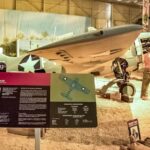
The Pearl Harbor Aviation Museum sits on Ford Island, a 441-acre island in the middle of Pearl Harbor. The museum is built around the reality that ships and patrol and scout planes were moored and positioned there on Sunday, December 7, 1941—and that these were targets on that fateful morning.
This stop includes an hour, and it’s split into two hangars plus another exhibit area:
- Hangar 37, focused on artifacts that tell America’s WWII story from the December 7, 1941 attack through the Battle of Midway and beyond
- Hangar 79, which continues the theme with the rise of American air superiority across later wars
- plus the Raytheon Pavilion, with the overall collection bringing the total to 50+ aircraft and exhibits across the spaces
What I like about this museum pairing is that it’s not only the moment of attack. It tracks the momentum of air power afterward. That’s where many visitors feel their understanding shift—from seeing WWII aviation as a single event to seeing it as an evolving advantage.
Practical tip: if the hangars get crowded, prioritize reading the larger interpretive panels first. Then go to the specific aircraft you care about most. It keeps your time efficient and your attention intentional.
Two bonus Oahu stops: royal residence history and Punchbowl Crater
Your full day is about Pearl Harbor, but the itinerary also includes Oahu context—without taking over the schedule.
You’ll include a look at Oahu as home to the only royal residence in the United States. The stop ties to the broader arc of Hawaiian history, from the unification of the islands to the overthrow of the monarchy. Even though you don’t get a long standalone museum block here (the time isn’t spelled out), it adds perspective. It reminds you that Hawaii’s story doesn’t begin with WWII.
You’ll also include a stop at Punchbowl Crater, an extinct volcanic tuff cone in Honolulu. It serves as a memorial for men and women who served in the United States Armed Forces and those who gave their lives. This can be a quiet reset after the intensity of Pearl Harbor’s WWII sites.
Because the tour duration is fixed (8–9 hours total including travel), these added stops work best if you’re open to shorter, meaningful looks rather than deep standalone excursions.
Price and value: what $500 includes and why that matters
At $500 per person, this is not a budget day. It’s a premium, all-in structure. So the question isn’t just what you pay—it’s what you don’t have to plan or buy separately.
From the included items, you’re getting:
- the USS Arizona Memorial boat ride ticket
- admission tickets to all three museums included on the itinerary (Bowfin, the Missouri experience site, and the Aviation Museum)
- an in-person briefing at the Visitor Center
- a tight day plan designed to fit about 8–9 hours including travel time
- offered in English, and pickup is offered from designated Waikiki zones
This is exactly where private tours can be worth it: when admissions and scheduled components are part of the value, not just the guiding.
You also get the benefit of pacing. One of the most praised parts of the experience is how the guide kept the day engaging and moved with a plan that made the time feel useable. In at least one guided experience, Mark was singled out for building a route that helped visitors make the best of the hours available, even when the USS Arizona Memorial alone can make you wish the day were longer.
Timing, pickup, and how to plan your morning
Start time is 7:30am, and you’ll likely appreciate that early departure. It helps you get through the main stops before the day’s energy ramps up.
Pickup is offered, but not from every hotel. Instead, there are designated pickup zones in Waikiki. One day before the tour, you’ll receive a text or email with your pickup time and location, sent between 12pm–5pm local time.
What to pack (since Pearl Harbor has rules): Pearl Harbor has a no bags policy. That means you’ll want to travel light and keep your essentials minimal. If you’re bringing any personal items, keep them controlled and easy to manage.
Also, remember that you’re doing multiple major sites in one day. Comfortable shoes and a simple approach to your day help more than trying to optimize every minute.
Getting the most from a WWII-focused day
Pearl Harbor is one of those places where your attention style matters. I recommend you pick two goals for the day:
- One goal for the story: attack to surrender, in order
- One goal for the perspective: sea (Bowfin and Missouri) and air (Ford Island hangars)
Then let the itinerary do the rest. When the Visitor Center briefing gives you the map mentally, you’ll feel less like you’re hopping between unrelated buildings and more like you’re watching a timeline unfold.
This day is also a good place to ask questions. Private-only time means you can clarify the parts that don’t click right away—like how the aircraft exhibits connect to what you saw at the memorial.
Accessibility and mobility notes you should take seriously
This tour may work for “most travelers,” but there’s an important practical detail: not all vehicles can accommodate wheelchairs and scooters. The right move is to contact the provider after you book to make arrangements.
Also, because you’re visiting ships, submarines, and memorial sites, expect walking and standing. If you have mobility limits, it’s worth planning around the steps and tight spaces typical of these attractions—even when the itinerary is well managed.
Who should book this private Passport to Pearl Harbor day
I think this tour fits best if you:
- want an organized, guided approach to major WWII sites without juggling tickets and timing
- value a private setup where you can ask questions and keep your pace
- care about both the emotional core of the USS Arizona Memorial and the hands-on scale of submarine and battleship history
- like aviation and want Ford Island museums as part of the same day
It’s also a strong fit for first-timers to Oahu who want a “big picture” itinerary that still includes multiple types of WWII perspective.
If you prefer slow travel, or if you know you’d want hours and hours only at the memorial, you may find the 8–9 hour structure demanding. In that case, you might consider a more flexible plan elsewhere—but if you want the maximum WWII hits in one day, this is built for that.
Should you book this private tour?
Book it if you want a tight, guided day that already includes the boat ride, key museum admissions, and an orientation briefing. The value here is the schedule structure—Visitor Center to USS Arizona to Bowfin to the Missouri to Ford Island hangars—with Oahu context added without dragging the day into a second day.
Skip or rethink it if you’re very sensitive to long days, you can’t manage the no-bags rule, or you’d rather spend extra time only on one site. Pearl Harbor can be intense, and you may want more time at the moments that pull you in.
If you’re the kind of person who likes a clear plan and wants the story told in sequence, this private version is a smart way to spend your hours on Oahu.
FAQ
How long is the Passport to Pearl Harbor Private tour?
The tour runs about 8 to 9 hours (approximately), including travel time.
What does it cost?
The price is $500.00 per person.
Is pickup offered, and where does it happen?
Pickup is offered from designated pickup zones in Waikiki. You’ll receive your pickup time and location by text or email one day prior between 12pm and 5pm local time.
What time does the tour start?
The start time is 7:30am.
Is this tour private?
Yes. Only your group will participate.
Are museum and boat ride tickets included?
Admission tickets to all three museums are included, and the USS Arizona Memorial boat ride ticket is included as well.
Are bags allowed at Pearl Harbor?
No bags are allowed at Pearl Harbor.
What is the cancellation policy?
You can cancel for a full refund if you cancel at least 24 hours before the experience’s start time. Changes within 24 hours aren’t accepted, and if the boat ride programs are canceled due to mechanical issues, dangerous weather, or other safety concerns, the tour may be non-refundable.