REVIEW · MAUI
Private Surf Lessons in Lahaina, Maui
Book on Viator →Operated by Maui island surf & snorkel · Bookable on Viator
Learning to surf feels easier with a coach.
This private Lahaina lesson runs from the Launiupoko area and gives you the full surfboard setup plus training that goes from shore to waves. Private instruction means you’re not waiting around for the next group cue—you get targeted help right when you need it.
I especially like two things: the 15–20 minute land coaching that builds your basics before you get tossed into waves, and the fact that surfboards are provided, so you’re not trying to figure out rental gear on vacation.
One consideration: the lesson needs good weather, so if conditions are rough you’ll have to shift dates (or get a refund). Also note bottled water isn’t included, so plan accordingly.
In This Review
- Key highlights worth planning for
- Private Surf Lessons in Lahaina: What You’re Really Paying For
- Meeting at Launiupoko: Easy Start, Low Stress
- How the Lesson Works: Land Training First, Then Waves
- Land Lesson: The Basics That Save You From Wasted Attempts
- In the Water: Catching Waves With Real-Time Coaching
- Gear, Surfboard Setup, and the Included Snorkel Equipment Detail
- Photos: Why They’re More Than a Souvenir
- Price and Logistics: Is $175 Worth It for 90 Minutes?
- Who This Private Lesson Fits Best
- Weather Matters: What to Plan When Surf Conditions Change
- Should You Book This Private Lesson in Lahaina?
- FAQ
- How long is the private surf lesson in Lahaina?
- What is the meeting point for the surf lesson?
- Where does the activity end?
- What time does the lesson start?
- What’s included in the lesson?
- What techniques will I learn during the lesson?
- Is this a private lesson or a group lesson?
- Do you take photos during the surf experience?
- What happens if weather isn’t good for surfing?
- What’s not included?
Key highlights worth planning for
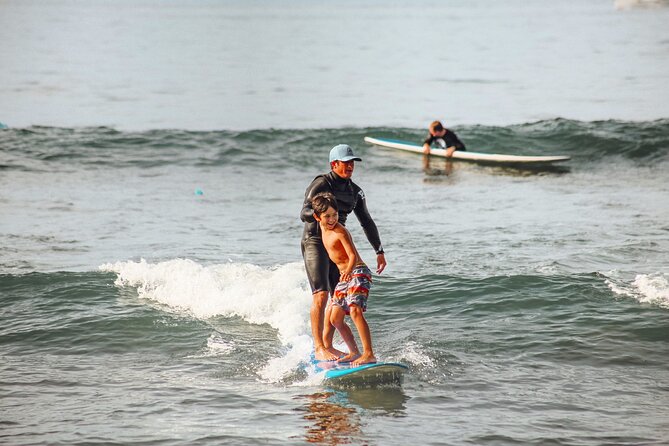
- Private, one-on-one coaching: only your group is in the lesson, so instruction stays focused
- Land-first teaching: 15–20 minutes on land to learn technique and wave etiquette before you go in
- Surfboard included: you show up and get set up with gear
- Time in the water: you’ll be surfing for about 1.5 hours during the lesson block
- Photos offered for purchase: your instructor captures the action and you can buy photos later
- All ages welcome: kids and adults can participate with the same step-by-step approach
Private Surf Lessons in Lahaina: What You’re Really Paying For
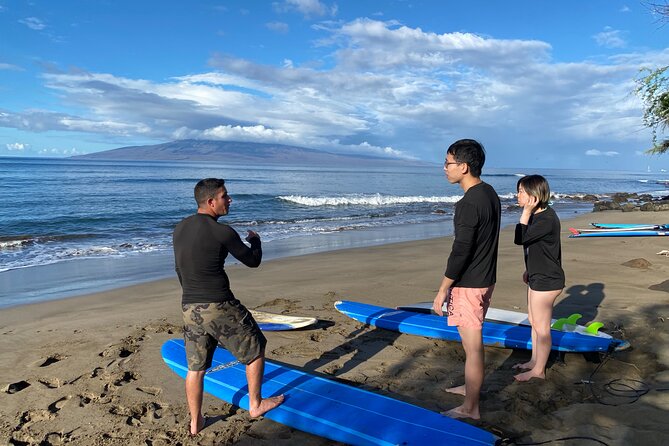
$175 per person for a 1 hour 30 minute private surf lesson in Lahaina might sound steep at first, until you look at what’s included and what you’re getting.
You’re paying for two things that matter on Maui: time with an instructor who can fix your technique quickly, and gear provided so you’re not juggling rentals or logistics before you even start. With surfing, small adjustments—where your feet land, how you paddle, when you pop up—make the difference between frustration and actual progress. A private setup makes those changes happen faster.
The structure also makes the price feel more fair. You don’t just get thrown into the ocean for the full session. You get a short land lesson first, then you’re in the water for the bulk of the time. That pacing helps you focus on learning instead of just surviving the first attempts.
And you get a bonus in the scheduling: after the lesson block, the rest of your day is free. That’s a real value on vacation, because you can pair this with snorkeling, a beach lunch, or just a slow stroll without feeling rushed.
You can also read our reviews of more private tours in Maui



Meeting at Launiupoko: Easy Start, Low Stress
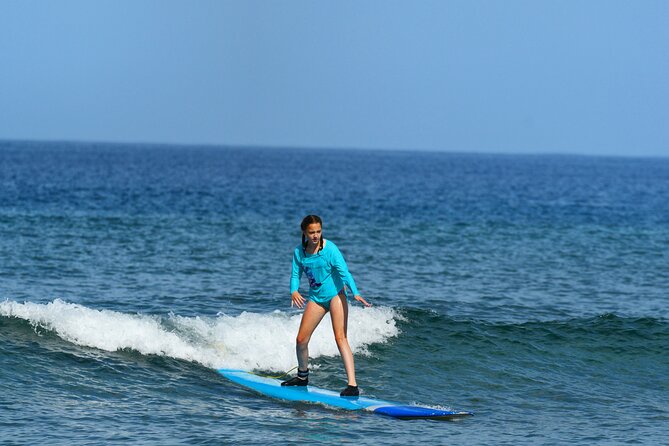
Your lesson starts at 8:30 am from the Launiupoko meeting area (V83Q+93). The end point is back at the same meeting spot, which keeps things simple.
What I like about a meeting point that’s easy to find is how much it lowers the vacation friction. You’re less likely to waste your morning hunting for the right place, which matters because surf conditions can change quickly. Also, the tour notes that it’s near public transportation, which can be handy if you’re not driving.
Before you go, you’ll get a confirmation at booking time, and you’ll use a mobile ticket. That’s one less paper thing to manage at the beach.
One small practical note: bottled water isn’t included. So if you’re heading straight from breakfast, you’ll want to bring your own water bottle or plan to grab one near your morning plans.
How the Lesson Works: Land Training First, Then Waves
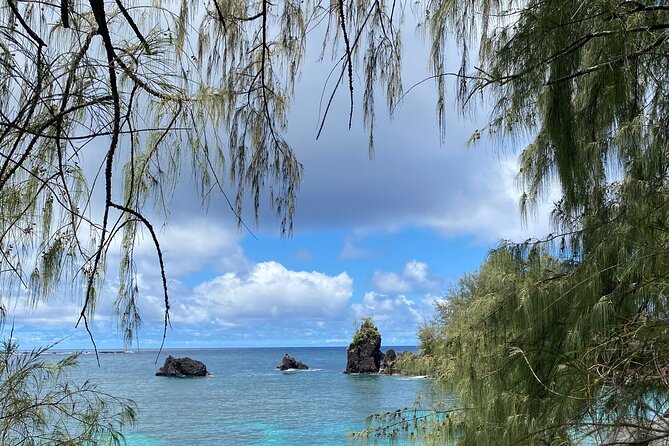
This is a step-by-step lesson built around a simple idea: learn the basics on shore, then practice them on the water.
The format is clear:
- A 15–20 minute land lesson focused on technique and wave etiquette
- The remainder of the session in the water, aimed at standing up and riding waves
The tour also promises that photos are taken through your experience and offered for purchase at the end. That’s not just a nice-to-have. It helps you review what you did right and what you want to repeat the next time.
All ages are welcome, so this lesson isn’t just for people who already surf. It’s designed for you to build skills in order.
Land Lesson: The Basics That Save You From Wasted Attempts
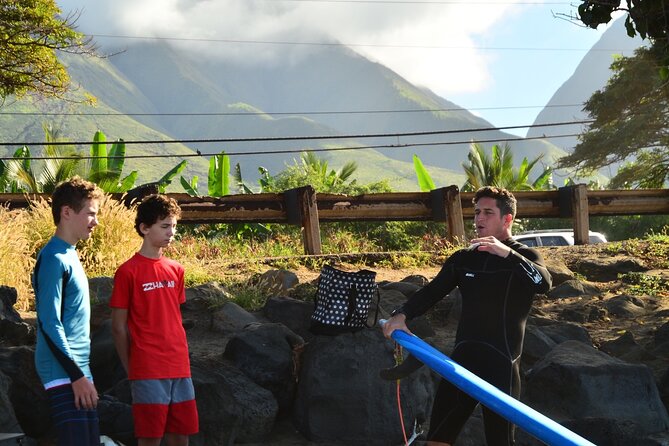
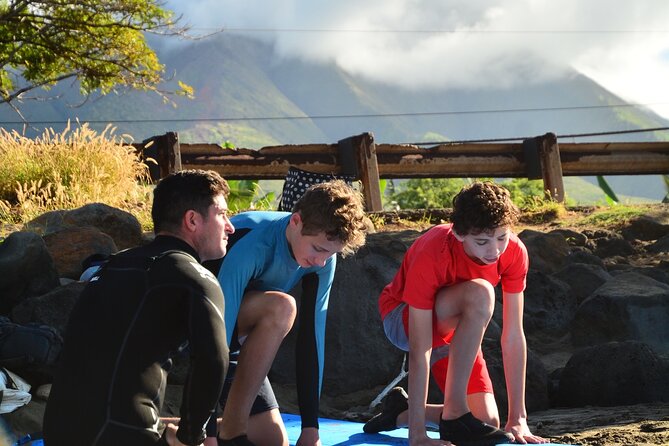
The first part is where good surfing students are made, because it’s where you learn what to do before you’re dealing with waves, wind, and timing.
On land, your instructor trains you on the fundamentals:
- Wave etiquette (how to behave in the surf so you don’t interfere with others)
- Paddling (the mechanics to get into position)
- How to stand up on the board
Even if you’ve watched surfing videos for years, land coaching changes how fast you grasp the sequence. Surfing has a rhythm, and the “pop-up” moment is the hard part for most beginners. Learning it on land first means your first ocean attempts are based on a plan, not guesswork.
This is also where you’ll get the kind of correction that’s hard to get in group lessons. With only your group, you can ask questions and get direct answers. And if something feels confusing, you can focus on fixing it right away instead of losing your spot while the group moves on.
In the Water: Catching Waves With Real-Time Coaching
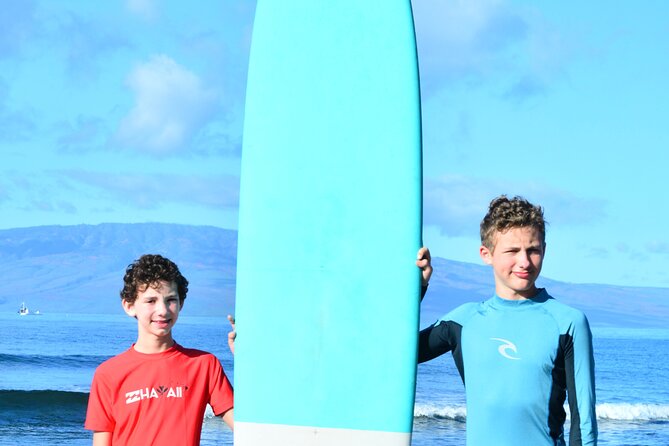
After land training, you get into the water to apply what you learned. The goal is simple: paddle, stand, and ride.
Here’s what makes the in-water portion valuable: your instructor can watch you in real time and adjust your technique when it matters most. Instead of trying to remember what you were told on shore while you’re balancing in swell, you get step-by-step direction as the situation changes.
That’s especially helpful for first-timers, because the ocean doesn’t behave like a calm pool. Timing is everything. You might need help with:
- where you should be paddling toward
- how hard you should paddle
- when you should attempt a pop-up
Even the best swimmers can get disoriented when they’re in surf. Having an instructor to guide you reduces panic and helps you focus on progress.
Your session includes about 1.5 hours of surfing time total. That’s a solid amount for a first lesson, especially because you’re not spending the full session learning basics from scratch.
And the experience is private, so you’re not squeezed into a lesson where attention is split. That matters when you’re trying to get your body to do something new.
You can also read our reviews of more tours and experiences in Maui





Gear, Surfboard Setup, and the Included Snorkel Equipment Detail
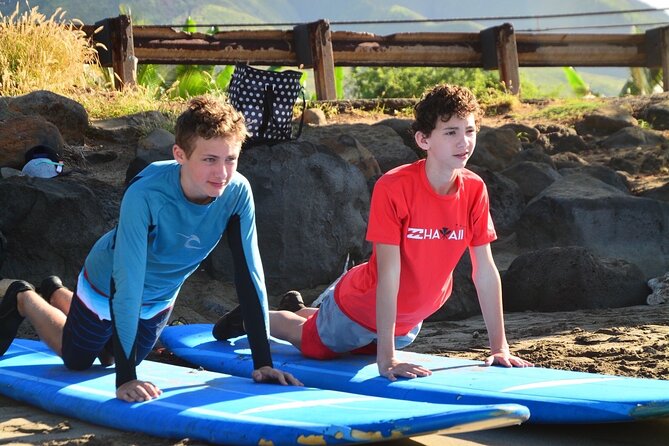
The lesson includes surfboards, which is a big practical win. You don’t have to figure out which size board works for you or coordinate a separate rental.
There’s also snorkeling equipment included. The surfing lesson is what you’re there for, and the training described is all about surfing. But the gear being included is still a smart add, because it removes a future step if you want to spend extra time in the water later the same day.
Just remember: included doesn’t mean guaranteed that you’ll snorkel for a set amount of time during the lesson. From what’s described, the scheduled experience centers on surf instruction. Think of the snorkeling equipment as helpful extra gear you already have.
If you buy photos at the end, you’ll likely get proof that the learning phase actually happened. For many beginners, that’s half the fun: watching yourself attempt the pop-up and thinking, okay, I get it now.
Photos: Why They’re More Than a Souvenir
Photos are offered for purchase after your experience. That’s common for water sports, but it’s still useful for learning.
When you’re working on wave skills, the sensations can feel chaotic. A photo gives you a quick reference point: board angle, your stance, where you were looking, and what your timing looked like. If you decide to surf again, those images can help you remember what the instructor told you.
If you’re the type who likes data—even if it’s just visual—this part adds real value.
Price and Logistics: Is $175 Worth It for 90 Minutes?
Let’s talk value honestly.
You’re paying $175 per person for:
- a private lesson
- surfboard provided
- 15–20 minutes of land instruction
- then about the rest of the 1.5 hours in the water
- photos taken during the experience
- mobile ticket and confirmation process
For many people, the biggest reason private instruction is worth the money is simple: it’s more efficient. If you’re spending limited vacation time learning to surf, getting corrections faster can mean you spend more time actually riding instead of repeating the same mistake.
Also, the lesson includes all the gear you need for surfing. If you were to piece things together on your own—board rental, finding an instructor time slot, figuring out how to get set—your total cost could climb quickly. This package removes those unknowns.
One potential downside is the narrow time window. At 1.5 hours, you’ll get a taste and starter skills, not a full progression course. But the tour is clearly built for that goal: get you confident enough to keep practicing. If you want a longer training arc, you’d do this once as a foundation and then book a follow-up lesson later.
Who This Private Lesson Fits Best
This lesson is set up so most people can participate, and it’s listed as welcoming all ages.
Here’s who tends to get the most out of this type of surf coaching:
- beginners who want the basics explained clearly
- parents who want their child to get direct feedback (without group waiting)
- anyone who learns faster with personal, real-time correction
- people who want a half-day plan that still leaves the rest of the day open
In the feedback tied to the experience, the big praise is the instructor quality. One lesson stood out for having Nick as the instructor, and the highlight was how quickly a daughter was able to get up on the surfboard. That’s exactly the kind of outcome you should hope for in a private beginner lesson: early wins that keep you motivated.
If you’re nervous about the ocean, the land-first format helps. If you’re excited and want action, the in-water time is substantial enough that you’re not just doing theory.
Weather Matters: What to Plan When Surf Conditions Change
Surf lessons are weather-dependent, and this one is no exception. If conditions are poor, the experience can be canceled and you’ll be offered another date or a full refund.
That means you should treat the lesson as a plan that needs a little flexibility built in. If you’re on a tight itinerary with no spare time, it might be safer to schedule this earlier in your trip so you have room to reschedule if needed.
Because the session is short and focused, it’s not ideal to stack it right between two rigid events. I’d rather see you treat it like a key activity in the morning window, with a little wiggle time for changes.
Should You Book This Private Lesson in Lahaina?
I’d book this if you want surf progress without the chaos of a group format. The combo of land training, surfboard provided, and private coaching is a practical way to get started with real instruction instead of hoping you pick it up by watching others.
You should think twice if you’re the kind of traveler who hates scheduling around weather. Since the lesson requires good conditions, you’ll want at least a little flexibility for a potential change.
If you’re aiming for a beginner-friendly start that can turn into a fun habit, this is a strong choice—especially with an instructor who can get you to the board quickly and keep correcting you while you learn.
FAQ
How long is the private surf lesson in Lahaina?
The lesson runs about 1 hour 30 minutes.
What is the meeting point for the surf lesson?
The meeting point is V83Q+93 Launiupoko, HI, USA.
Where does the activity end?
It ends back at the same meeting point.
What time does the lesson start?
The start time is listed as 8:30 am.
What’s included in the lesson?
You get use of the surfboard, and snorkeling equipment is included as well.
What techniques will I learn during the lesson?
You’ll learn wave etiquette, how to paddle, how to stand up, and how to ride a wave.
Is this a private lesson or a group lesson?
This is private—only your group participates.
Do you take photos during the surf experience?
Photos are taken through the experience and offered for purchase at the end.
What happens if weather isn’t good for surfing?
The experience requires good weather. If it’s canceled due to poor weather, you’ll be offered a different date or a full refund.
What’s not included?
Private transportation and bottled water are not included.