REVIEW · MAUI
Regenerative Mango and Tropical Fruit Tour in West Maui
Book on Viator →Operated by Maui Mango Mala Farm Tours · Bookable on Viator
Maui fruit tastes better with a story. On this small West Maui regenerative farm tour, you’ll learn how permaculture differs from traditional farming and snack on tropical fruit with owners like Smita and Andre. I love the hands-on focus on seasonal fruit and the fact that it’s not a giant, noisy production. The one drawback to plan for: there’s no guarantee of bathrooms on site, and the outdoors means you’ll want to be ready for insects.
You’ll also get those big-side views—ocean one way, mountains the other—while you walk between fruit trees and trellises. And yes, mango is the star, but it’s seasonal, so sometimes you’ll taste more of what’s ripe right then. If you’re booking in the off-season, just go with the flow and treat it as a tropical fruit tasting buffet, not a guaranteed mango binge.
In This Review
- Key Highlights You’ll Want on Your Radar
- Regenerative Fruit Farming on a West Maui Hillside
- Welcome Drink and the Regenerative vs Traditional Farming Lesson
- Walking the Farm: Pineapple, Papaya, and Mango Rows
- Mango Tastings and the Seasonal Fruit Plate at the End
- Your Time After the Tour: Sunset Photos and Casual Exploring
- Price and Why This Tour Feels Worth It
- Practical Tips: Weather, Bugs, Shoes, and No Bathroom Setup
- Who This Tour Is Best For (and Who Might Prefer Another Option)
- Should You Book This Maui Mango Tour?
- FAQ
- How long is the regenerative mango and tropical fruit tour?
- What is the price per person?
- How many people are on the tour at most?
- What language is the tour offered in?
- Where do I meet for the tour?
- Is transportation included?
- Are bathrooms available during the tour?
- Is mango guaranteed on every tour?
- What fruits might I see during the walking portion?
- Does the tour require good weather?
- Are service animals allowed?
Key Highlights You’ll Want on Your Radar
- Regenerative permaculture education before you start walking the farm
- A small max group size (8 travelers) for a more personal pace
- Ocean + mountain views that make photos easy even without trying
- Fruit tasting along the path, not just at the end
- Seasonal mango (late May–early November), plus other tropical varieties year-round
- A welcoming farm vibe with time to linger after the tour for sunset photos
Regenerative Fruit Farming on a West Maui Hillside
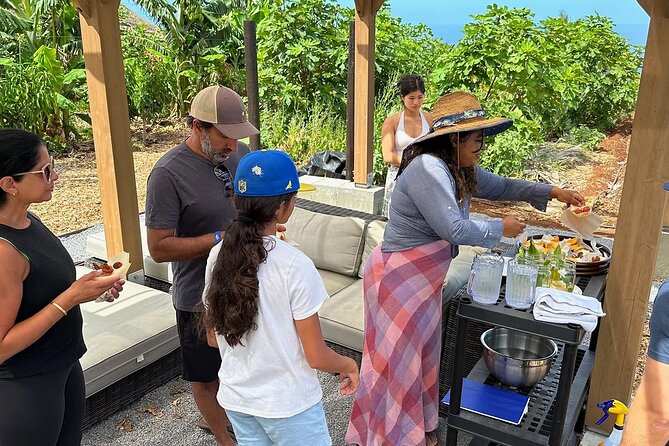
This tour is built around one idea: how to grow fruit in a way that works with the land instead of chewing it up.
You start in a shaded welcome area under a trellis covered with a massive passionfruit vine. That alone sets the tone. This isn’t a dry classroom talk and it isn’t a rushed “walk past the rows” stop either. You’re introduced to the farm as a living system—plants, soil, water, insects, and all—then you get to see it up close.
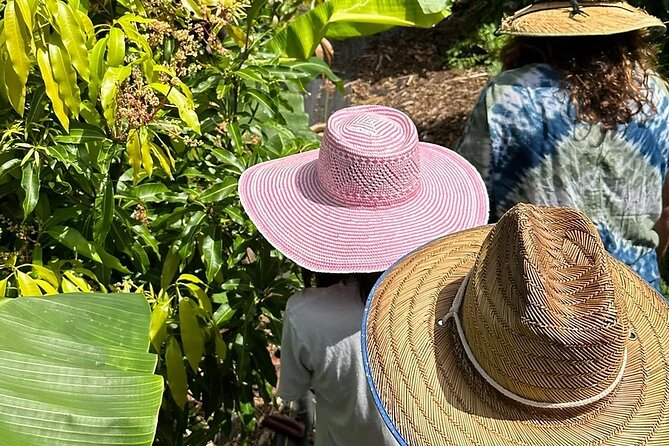
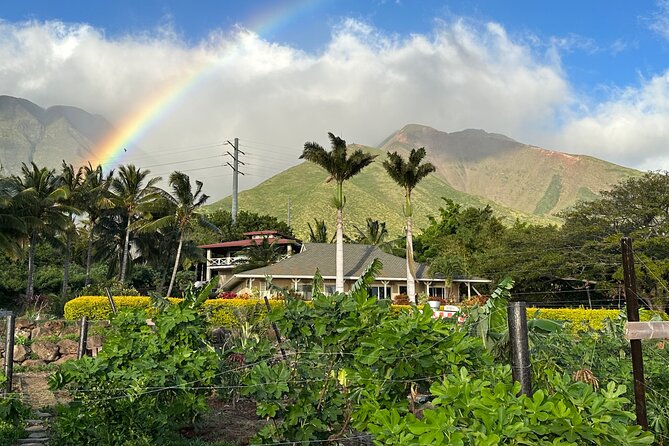
And the setting helps. During the walk, you get ocean views on one side and mountains on the other, which makes the whole experience feel like a mini escape from the more crowded parts of Lahaina. Even if your main goal is mango, the scenery gives you something else to enjoy while you’re waiting for fruit to show up.
You can also read our reviews of more tours and experiences in Maui.

Welcome Drink and the Regenerative vs Traditional Farming Lesson
Before you head into the plants, you’ll spend about 15 to 20 minutes with a short overview of Hawaiian history and agriculture in West Maui. The point isn’t to overwhelm you with facts; it’s to give you context for why modern choices matter.
Then you’ll learn the difference between traditional farming and regenerative permaculture farming. In plain terms, this is about how farmers manage the farm so the ecosystem stays healthier over time—better soil, smarter plant relationships, and less “short-term gain at long-term cost.”
This part is also a great warm-up because it changes how you look at what comes next. When you later see how trees are placed, how fruit is spaced, and what’s thriving, the explanation starts to make sense fast. It’s the kind of lesson that makes the tasting feel earned.
Walking the Farm: Pineapple, Papaya, and Mango Rows
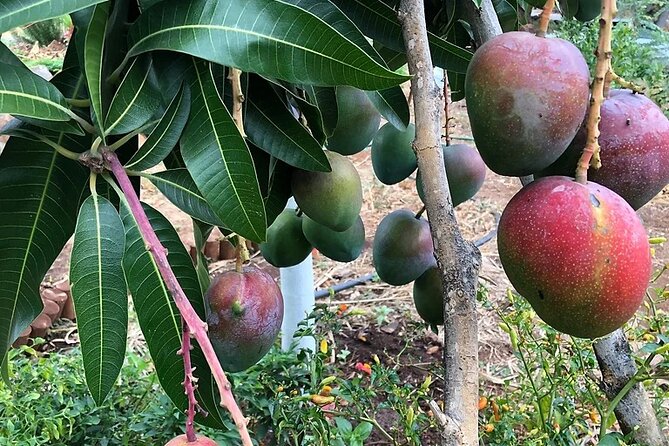
After the intro, you’ll take a walking tour of the property, typically 45 to 60 minutes. You move through a mix of fruit plantings—pineapple, papaya, Surinam cherries, figs, starfruit, banana, and of course mango.
As you walk, you’re not just staring at leaves. If there’s fruit available and ripe, you’ll get to taste directly from the plants. That matters because it turns the tour into something sensory. You get to compare flavors across fruit types instead of collecting only photos.
You’ll also be guided to the best spots for photos. This is one of those small touches that makes a difference. You’re on a hillside with ocean and mountain views, but without guidance you can end up wandering for your “perfect angle.” Here, the guide helps you find it without burning the whole 2 hours.
One thing to keep in mind: because it’s an active farm, the fruit you’ll be offered depends on what’s ripe that day. That’s normal—and honestly, it’s part of why it feels authentic.
Mango Tastings and the Seasonal Fruit Plate at the End
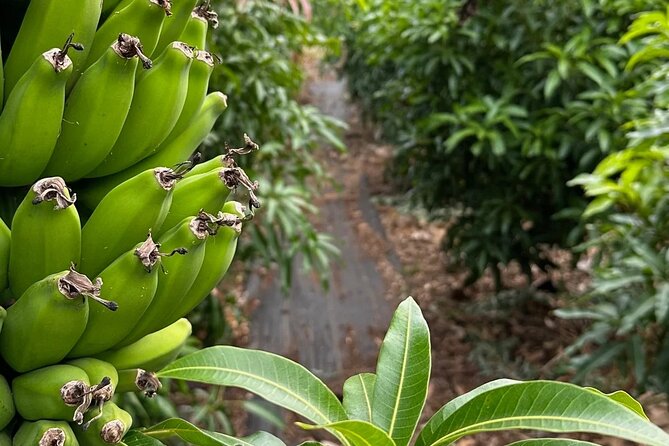
Mango is the headline. Mango season is generally late May to early November, and the tour is built around that reality. Even if mango isn’t in peak season, the tour still includes lots of other organic fruit tastings.
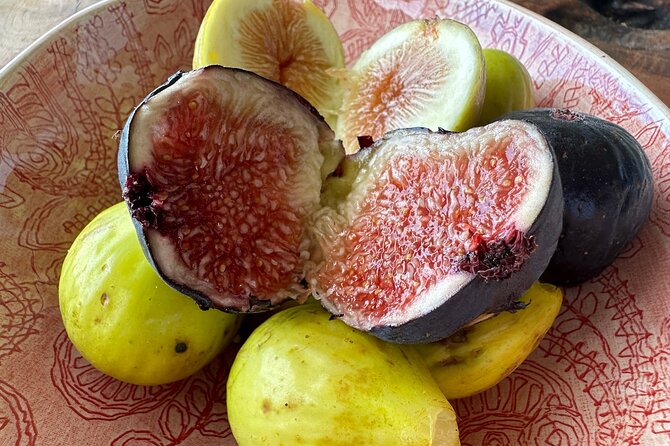
At the end of the walk, you meet back in the welcoming area and get a plate of seasonal fruit. The exact lineup can shift throughout the year, but it’s always fruit-forward.
From the kinds of plants mentioned, you might taste more than just the basics. People talk about fruit variety like passion fruit, Meyer lemons, exotic cherries, cocoa, dragon fruit, and even an ice cream bean tree. You can’t assume every item will be on your date, but it gives you an idea of the range.
If you’re wondering what to expect for flavor: this is the kind of tasting where ripe fruit tastes sweeter and more “real” because it’s coming straight from the farm rather than a distant supply chain.
Your Time After the Tour: Sunset Photos and Casual Exploring
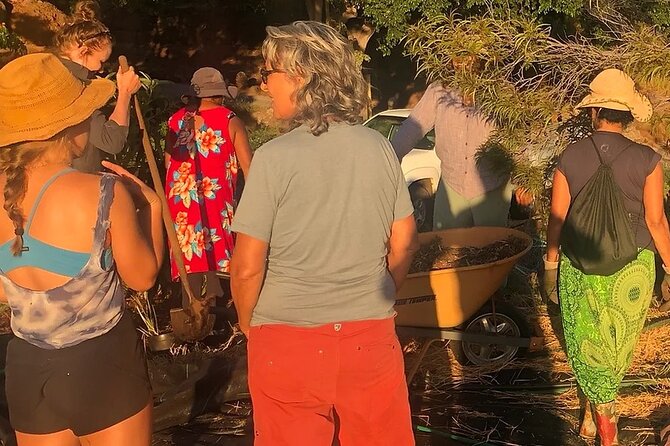
Once you’re done, you’re not rushed out the door. The tour ends back at the meeting point, but you get a little “self discovery” time.
That’s your chance to:
- Explore around the welcome area at your own pace
- Take a final photo with the view—especially good around sunset
Also, one review notes there’s a small store selling handmade clothing. That’s optional, but it’s a nice way to support the property if you want a local souvenir that isn’t mass-produced.





Price and Why This Tour Feels Worth It

At $85 per person for about 2 hours, this isn’t a budget tour. But you’re paying for two things that are hard to fake: (1) a small group size, and (2) an intimate, educational farm experience with tastings.
Here’s how that shakes out practically:
- Max 8 travelers means you’re more likely to ask questions and get clear answers, not just hear the overview while looking over shoulders.
- The tasting happens during the walk and at the end, so you’re not just paying for a photo opportunity.
- The guide experience is central. This tour includes a tour guide, and the learning is tied directly to what you’re seeing.
If you’re choosing between this and bigger, more commercial farm stops, I think you’ll like this one more if you care about how food is grown and want a quieter, slower pace.
Practical Tips: Weather, Bugs, Shoes, and No Bathroom Setup
A few real-world things matter for this kind of farm visit.
Good weather is required. If it’s canceled due to poor weather, you’ll either be offered a different date or a full refund. So on Maui, treat this like an outdoor plan: check the forecast and keep your day flexible.
Expect insects. Multiple people call out bees and mosquitoes, so bring insect repellent and wear something that helps. A light layer can also help if the breeze feels cooler near the coast later.
Plan for no bathrooms on site. Bathrooms aren’t included, and one review specifically notes a renovation period with no bathrooms. Even if it’s different on your date, don’t assume you’ll have facilities—use the restroom before you arrive.
Wear closed-toe shoes. You’ll be walking through farm paths, and comfortable footing helps you enjoy the view stops and tasting without worrying about where you step.
Who This Tour Is Best For (and Who Might Prefer Another Option)
This is a strong fit if:
- You love fruit and want tastings that change with what’s ripe
- You’re curious about regenerative permaculture and sustainable farming in real life
- You want a small-group experience with real conversation
- You’re planning a West Maui itinerary and want a break with ocean-and-mountain scenery
It might be less ideal if:
- You need guaranteed access to bathrooms
- You want a guaranteed mango-heavy menu every time (mango is seasonal)
- You hate insects and don’t want to use repellent
Families can also do well here. The overall tone is welcoming and food-focused, which is often a win when you’re traveling with kids.
Should You Book This Maui Mango Tour?
If your trip includes time in West Maui and you like the idea of tasting seasonal fruit you can connect to the land, I’d book this. The combination of a short farming lesson, a guided walk, and tastings (including the end-of-tour fruit plate) is a solid use of your time—especially with a max group size of 8.
Just go in with realistic expectations: mango depends on the season, and the farm setting is outdoors, so plan for bugs and limited amenities like bathrooms. If you’re good with that trade-off, this tour is one of the more “you can feel the place” experiences Maui offers.
FAQ
How long is the regenerative mango and tropical fruit tour?
It runs for about 2 hours (approx.).
What is the price per person?
The price is $85.00 per person.
How many people are on the tour at most?
This tour/activity has a maximum of 8 travelers.
What language is the tour offered in?
The tour is offered in English.
Where do I meet for the tour?
The meeting point is 15 Wailau Pl, Lahaina, HI 96761, USA.
Is transportation included?
No. Transportation is not included.
Are bathrooms available during the tour?
Bathrooms are not included.
Is mango guaranteed on every tour?
Mango is seasonal (generally late May to early November), so it may not always be available. The tour includes other tropical fruits depending on what’s ripe.
What fruits might I see during the walking portion?
You may pass pineapple, papaya, Surinam cherries, figs, starfruit, banana, and mango. The exact tastings depend on what’s available and ripe.
Does the tour require good weather?
Yes. It requires good weather. If it’s canceled due to poor weather, you’ll be offered a different date or a full refund.
Are service animals allowed?
Yes, service animals are allowed.