REVIEW · MAUI
Farm to Taco: A Farm to Table Cooking Class
Book on Viator →Operated by Lā Kāhea Community Farm · Bookable on Viator
If you like food that has a story, this class fits. You’ll visit Lā Kāhea Community Farm, learn how ingredients grow here, then cook tacos with what you picked.
I especially like the small group setup, capped at 15, which makes it easier to ask questions and actually get your hands involved. I also like that the instructors build in dietary flexibility like vegetarian and gluten-free, with vegan options possible.
One thing to consider: the experience depends on good weather, so if conditions are rough, you may need to switch dates.
In This Review
- Quick hits before you go
- Meeting in Wailuku: the start of your farm-to-taco day
- The farm tour at Lā Kāhea: where your taco ingredients begin
- Cooking with Catherine: hands-on tacos, fresh tortillas, and less stress
- Dietary needs: how vegetarian, gluten-free, and vegan fit in
- What you’ll eat: your lunch, plus the flavors of what you harvested
- Group size, pacing, and the personal feel of this class
- Price and value: what $149 gets you (and why it can be worth it)
- Who should book this farm-to-taco class on Maui?
- Book it or skip it: my practical call
- FAQ
- Where is the Farm to Taco cooking class meeting point?
- What time does the experience start, and how long does it last?
- Is the class available in English?
- What dietary options are supported?
- How many people are in the group?
- What happens if weather is poor?
Quick hits before you go
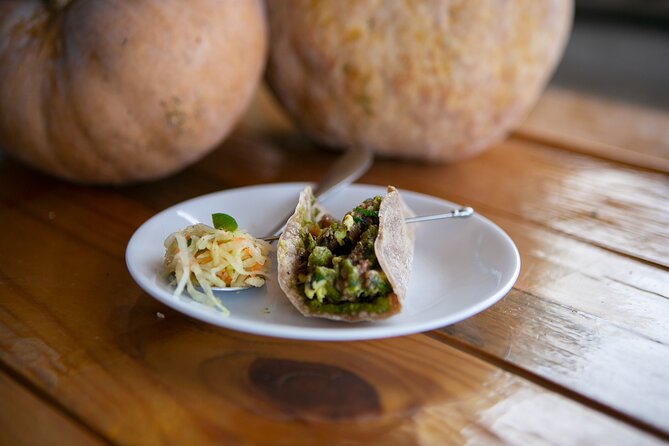
- Lā Kāhea Community Farm teaches you where taco ingredients come from, not just how to cook them
- Two instructors, two stages: Janelle leads the farm tour while Catherine guides kitchen work
- Hands-on tortillas and taco assembly, so you’re not just watching
- Dietary flexibility: vegetarian and gluten-free are part of the plan, and vegan can be arranged
- Max 15 people, which keeps the vibe personal and interactive
- Good weather matters, since this is partly an outdoors farm experience
Meeting in Wailuku: the start of your farm-to-taco day
Your day begins at 2100 HI-30, Wailuku, HI 96793. The start time is 10:30 am, and the whole experience runs about 2 hours 30 minutes, ending back at the meeting point. That “back where you started” format is a nice practical touch. You avoid the stress of figuring out transport or where you’ll end up when the class finishes.
This is a mobile-ticket experience, and the group size is kept to a maximum of 15 travelers. In plain terms: you should expect hands-on time with less waiting. It also means the instructors can keep an eye on everyone’s pace, especially when you’re doing something technical like tortilla-making.
Service animals are allowed. If you’re traveling with one, you’ll want to plan for a class space that’s both farm and kitchen. Wear shoes you’re comfortable moving in, because part of the time is outdoors.
You can also read our reviews of more tours and experiences in Maui.

The farm tour at Lā Kāhea: where your taco ingredients begin
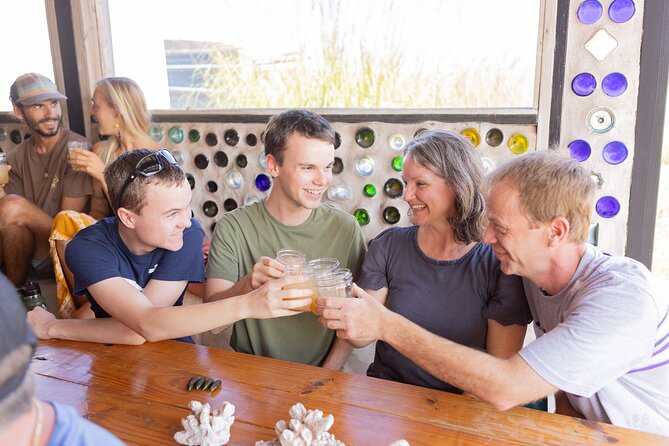
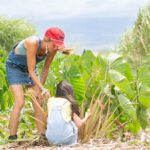
The first big step is the farm tour, led by Janelle. The tone is warm and welcoming, and the focus stays practical: you’re learning about the land and the produce while also getting ready for what you’ll cook later.
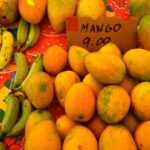
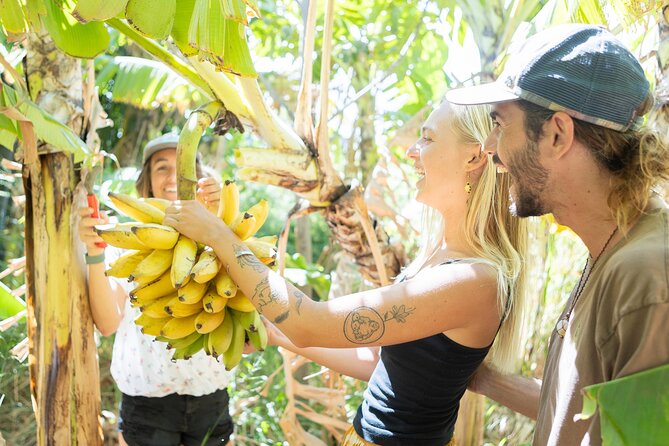
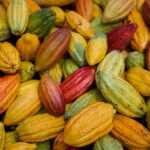
A key part of this experience is that you’re not just hearing about farming. You’re getting to harvest produce. That matters, because it changes how you cook and eat. When you pick what ends up in your taco, you pay attention to texture, ripeness, and flavor in a way you simply won’t get from a regular grocery trip.
Janelle’s approach is described as hands-on in the best way: she shares land knowledge with passion, and she makes everyone feel included. If you’re the kind of traveler who likes to connect food to place, this is the heart of the class. You’ll come away with a clearer understanding of how sustainable farming choices show up on your plate.
You should also expect some local context mixed into the tour. The idea is to connect the food to local history and sustainable practices, so the meal isn’t just a craft project. It’s also a way to understand Maui through agriculture.
Practical note: this part of the experience is outdoors. If the weather is iffy, build flexibility into your day.
Cooking with Catherine: hands-on tacos, fresh tortillas, and less stress
Once the farm portion is done, you shift into the kitchen with Catherine, who guides the cooking. This is where the class becomes truly participatory. You’ll learn how to make fresh tortillas and then assemble the tacos you’ll eat.
Fresh tortillas are not just a nice upgrade. They’re the difference between a taco that tastes like food and a taco that tastes like a project you nailed. Even if you’re a total beginner, you’ll be working step by step. The overall energy is described as relaxed and fun, with Catherine keeping things organized so you don’t feel rushed.
The value here is more than technique. You’re learning how components work together: tortilla, fillings, and the way everything gets put together. That teaches you a repeatable framework you can use later when you shop for ingredients back home.
Catherine also keeps the class interactive. Everyone gets involved, rather than one or two people doing the cooking while others watch. For families and groups, that “everyone participates” approach is a big deal. It turns a food activity into something everyone can join in.
Dietary needs: how vegetarian, gluten-free, and vegan fit in
One of the best things about this class is that vegetarian and gluten-free options are part of the plan. That’s not a side request you have to fight for. It’s built into the way the experience is offered.
Even better, the class can be adapted to be vegan. That means if you eat plant-based, you’re not going to be stuck making a sad taco with limited options.
What you can do as a smart prep step: mention any dietary needs at booking, and be clear about what you avoid. Since the class centers on tortillas and assembling tacos, you’ll want to be sure substitutions are handled the right way for your comfort. This is especially important for gluten-free needs, since tortillas are central to the final product.
Also, consider this from a taste perspective. Dietary limits often make food bland in other settings. Here, the point is to make tacos using farm ingredients. That tends to keep flavor strong, even when you’re avoiding certain ingredients.
What you’ll eat: your lunch, plus the flavors of what you harvested
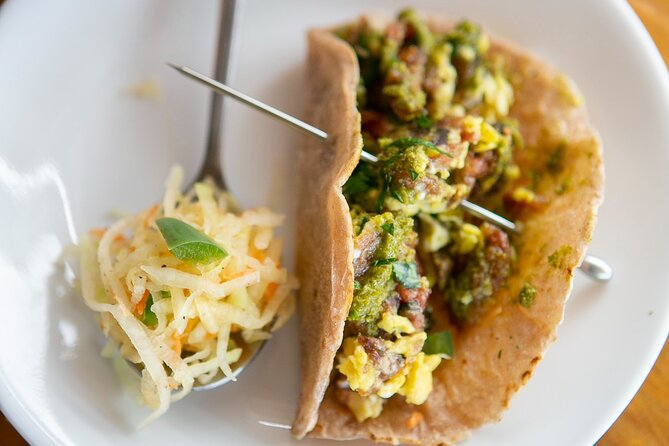
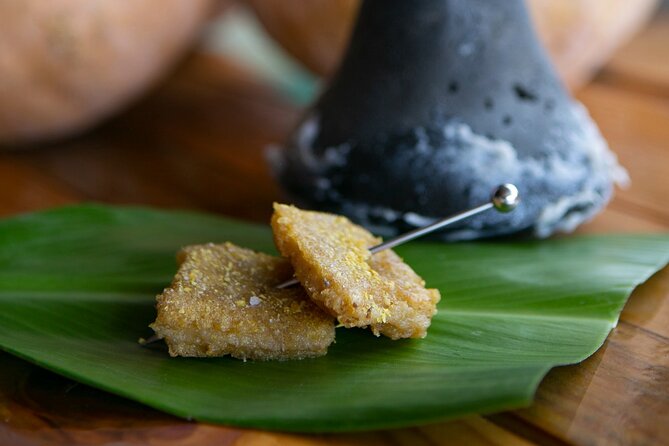
The payoff comes at the end, when you savor the meal you helped make. That’s not just “a snack included.” You’re eating the fruits of the learning. Since you harvest produce earlier in the day, the meal carries a tangible sense of place. The flavors feel more personal, because you didn’t just buy them off a shelf.
You’ll also get the satisfaction of eating something you cooked with your own hands. That’s a classic travel win: it’s not only about tasting; it’s about doing. And because it’s a cooking class, you get to ask questions while you’re cooking, which helps you understand why things taste the way they do.
If you’re comparing this to a typical restaurant meal on Maui, the difference is the “why.” A meal answers what you ate. A class like this can answer how it’s made and where it came from.
You can also read our reviews of more tours and experiences in Maui

Group size, pacing, and the personal feel of this class

This is not a big production. The maximum of 15 travelers keeps the class from feeling like a factory. In practice, that means you get more attention and faster help if something isn’t going the way you expected. That matters when you’re doing tortillas, where timing and technique are part of the learning curve.
The total time—about 2 hours 30 minutes—is long enough to do real work, not just sample cooking. But it’s short enough that it doesn’t swallow your entire morning. If you’ve got a Maui plan that starts later in the day, this class is a solid anchor because it’s a single block, and you return to the meeting point afterward.
And since the experience requires good weather, you’ll want to think like a local planner. If Maui gives you a perfect morning, great. If not, you’ll be offered an alternative date or a refund if the weather cancels the activity.
Price and value: what $149 gets you (and why it can be worth it)
At $149 per person, you’re paying for more than a lesson. You’re paying for:
- farm time that connects ingredients to place
- hands-on cooking instruction
- the tortillas and tacos you make (and eat)
- a small-group format with two guides splitting farm and kitchen time
Let’s be real: you could spend less eating tacos at a casual spot. But you’d miss the key value here: you get education tied directly to what ends up in your hands and on your plate.
This class is also a strong value if you care about dietary needs. Since vegetarian and gluten-free are included in the setup (and vegan can be arranged), you’re less likely to run into a “we can’t really do that” problem that often costs you time and ends up limiting your meal.
The other value lever is the instructors. Janelle and Catherine each cover a different part of the experience. That two-stage structure makes the day feel complete: you learn the ingredient story first, then you learn the cooking craft right after.
If you’re traveling on a tight budget, $149 can feel like a lot. If you’re the kind of traveler who wants one standout activity that feels hands-on and personal, this price starts to make sense.
Who should book this farm-to-taco class on Maui?
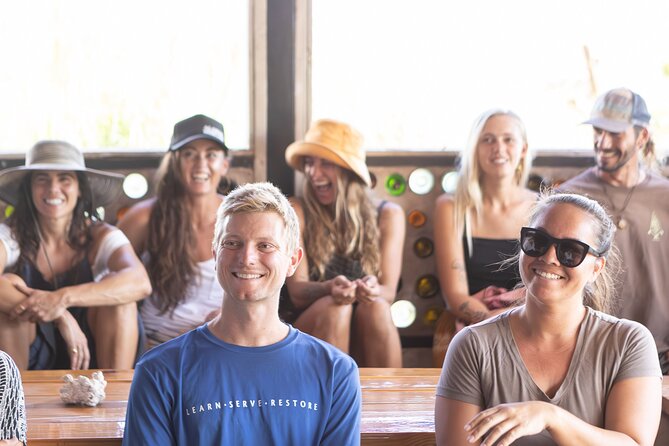
I think this class is a strong fit for:
- food lovers who want more than a meal
- beginner cooks who want step-by-step guidance
- vegetarian, gluten-free, or vegan travelers who want options that are actually part of the plan
- travelers who prefer small-group experiences over large tours
It’s also a good choice if you’re traveling with kids, because the class is described as kid friendly and is structured so people can participate rather than just sit and watch.
Who might want to choose something else? If you’re mainly chasing a fast, hands-off activity or you dislike being outdoors for part of the time, you may find the farm component less your style. This is a “do the work, then eat” kind of outing.
Book it or skip it: my practical call
Book this class if you want a Maui experience tied to real farming and hands-on cooking. The farm tour led by Janelle, followed by kitchen instruction with Catherine, creates a full arc from ingredient to finished taco. The small group size makes it feel personal, and the dietary flexibility is a real benefit, not a last-minute workaround.
Skip it if you’re looking for a purely indoor, no-weather-impact activity, or if you already know you only want a quick meal with no cooking involvement. Because it’s weather dependent, it’s best when your schedule can flex.
If you’re trying to choose one “learn something” food activity on Maui, this one is hard to beat.
FAQ
Where is the Farm to Taco cooking class meeting point?
The class meets at 2100 HI-30, Wailuku, HI 96793, USA and ends back at the same meeting point.
What time does the experience start, and how long does it last?
The start time is 10:30 am, and the duration is about 2 hours 30 minutes.
Is the class available in English?
Yes, the class is offered in English.
What dietary options are supported?
The class is vegetarian and gluten-free, and it can be made vegan.
How many people are in the group?
The experience has a maximum of 15 travelers, which keeps it small.
What happens if weather is poor?
This experience requires good weather. If it’s canceled due to poor weather, you’ll be offered a different date or a full refund.