REVIEW · MAUI
Self-Guided Audio Driving Tour in Maui
Book on Viator →Operated by GuideAlong (GyPSy Guide) · Bookable on Viator
Maui gets better when you drive your own plan. This self-guided GPS audio tour brings stories and directions to your windshield life, with offline listening so you can go remote without losing the guide. I like that it helps you hit major sights like Haleakala and the Road to Hana without the stress of a fixed group schedule.
Two more reasons I’d pick it: the audio prompts are location-based, so you can start where you want and stop when you actually need a break. And it’s group-priced at $29.99 for up to 8 people, which is a big deal on Maui where guided tours can get pricey fast. One catch: key places still require you to handle National Park fees and reservations on your own.
In This Review
- Key points to know before you drive
- Why GPS Audio Feels Better Than a Usual Tour Script
- Price and Value: What $29.99 Buys on Maui
- The GuideAlong App: How to Set It Up Without Wasting Vacation Time
- How Long Should You Drive: 8 to 16 Hours, No Fixed Deadline
- Haleakala Summit Without the Stress: Crater, Visitor Center, and Red Hill Views
- Kipahulu and Ohe’o Gulch: Ocean-Level Haleakala and the Pools Puzzle
- Pipiwai Trail: The Road to Hana Hike That’s Worth a Real Block of Time
- Wai’anapanapa State Park: Black Sand Beach With Reservation Reality
- Hana’s Best-Ever Quick Stops: Waterfalls, Lava Tubes, and Arboretums
- Whale Season Views and Beach Break Checks
- Beaches From Kihei to Makena: Turtle Watching and Sunset Time
- Honolua Bay and La Perouse: Snorkeling Options With a Safety Frame
- Historic Maui Detours: Makawao, Iao Valley, and Lahaina on Your Schedule
- West Maui Blowhole Stop and Quick Photo Legends
- Practical Tips: Make Sure the Audio Doesn’t Miss Your Best Moments
- Who This Tour Fits Best
- Should You Book This Maui Audio Driving Tour?
- FAQ
- Is the Maui audio tour priced per person?
- Do I need cell service to use the tour?
- Are National Park tickets included in the tour price?
- Do I need reservations for Haleakala at sunrise?
- Is Wai’anapanapa State Park included and reservation-required?
- What if plans change and I need a refund?
Key points to know before you drive
- Location-based audio that plays as you approach stops, using your phone’s GPS
- Works offline after you download, so dead zones don’t break the trip
- Flexible timing with no time limit once booked, so you can go slow on Hana
- Covers Maui’s heavy hitters: Haleakala, Kipahulu, Wai’anapanapa, Hana stops, plus West Maui beaches
- Cost-effective for groups: one purchase covers everyone in your vehicle
- Simple self-service control: you can pause, resume, and choose pace in the app
Why GPS Audio Feels Better Than a Usual Tour Script

This tour’s whole trick is that it talks when you’re near what it’s describing. You’re not stuck following a strict order or waiting for someone else to finish a photo. You just drive, listen, and decide when you want to pull in and stretch your legs.
I also like the tone: practical directions plus stories and local context. For Maui, that matters. You’ll see the famous spots, but the audio helps you understand why they matter—like how Haleakala drops from summit heights down to ocean-level Kipahulu, or why Hawaiian legends keep popping up around volcanic places.
The other big win is that you’re not paying per person. At $29.99 per group (up to 8), it’s built for couples, families, and friend groups trying to keep costs sane while still learning more than you’d get from random roadside signs.
You can also read our reviews of more guided tours in Maui



Price and Value: What $29.99 Buys on Maui
Let’s talk money in real terms. One guided driver-and-guide tour can easily run far higher once you add multiple people. Here, your payment covers your group in your car, and you can spend as long as you want at the stops.
You also get a lot of “use time.” The tour is listed as 8 to 16 hours (approx.), which can cover a big Maui day—or multiple shorter outings if you split it up. And unlike many paid experiences, it’s a buy once, use forever setup with free updates included.
The value gets even better because many of the stops are free to access (parking lots, parks, viewpoints, town wandering). The paid bits mostly show up as National Park entrance needs or specific sites with reservations.
The GuideAlong App: How to Set It Up Without Wasting Vacation Time
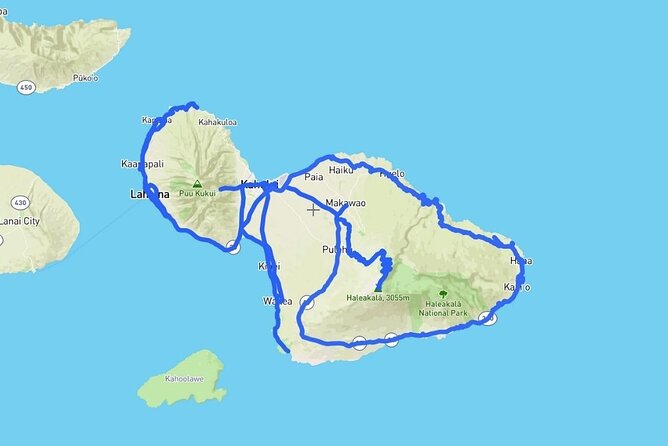
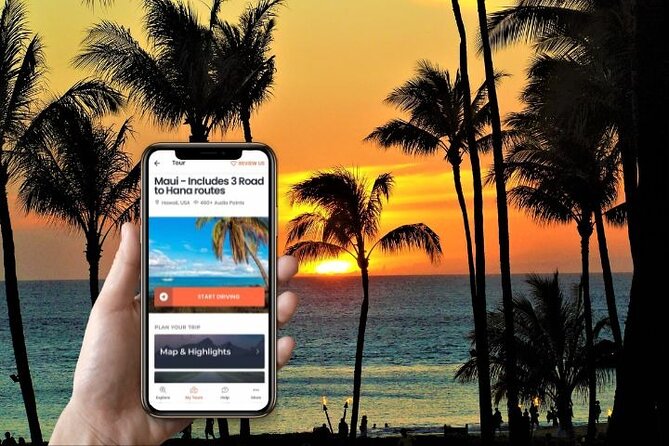
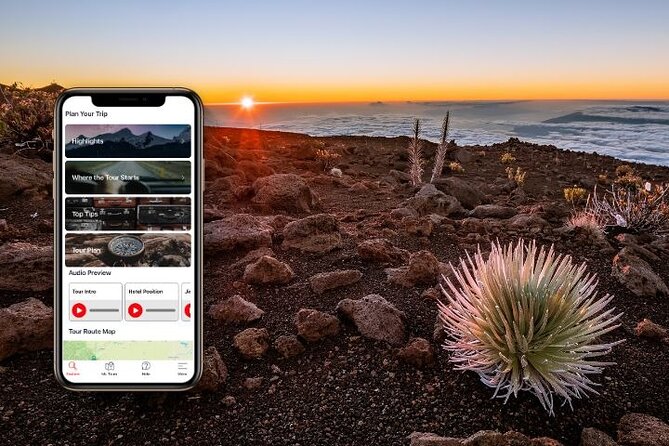
Your main job is to download the tour before you head into the rural parts. The instructions are straightforward: after booking, you’ll get an email/text with a link to sign in and redeem your voucher code, then you download the tour inside the GuideAlong app under My Tours.
Once downloaded, you can use it offline. That’s key for Maui because cell signal can vary wildly—especially as you climb toward Haleakala or sink down to Hana.
A few practical tips based on real-world usage:
- Bring a USB/C car charger and keep your phone topped up. The audio is GPS-driven, so power matters.
- If you’re using Apple CarPlay, you may not get full navigation integration, but you can still rely on the audio prompts inside the tour app. One person specifically noted using Waze on CarPlay while following audio instructions from the guide.
- If the app seems stuck after a pause, restart by going back to My Tours and selecting the tour again. GPS will help it pick up where you left off.
If the tour won’t access at all, double-check your device basics. One support response referenced iOS 14+ or Android 9 (Pie) or later.
How Long Should You Drive: 8 to 16 Hours, No Fixed Deadline
This is a “you own the timeline” tour. The audio gives you stop-by-stop guidance, but it doesn’t force you into a ticking clock.
That matters for Maui because the Road to Hana takes longer than most first-timers expect. Even if you’re confident on winding roads, you’ll want time for muddy trails, quick swims, and the kind of stop you only make after you’ve seen something so pretty you can’t keep moving.
My advice: treat 8–16 hours as a range, not a rule. If you want Haleakala plus a good chunk of Hana, start early. If you want beaches and town time, plan a second day and keep this as your “driving plus learning” backbone.
Haleakala Summit Without the Stress: Crater, Visitor Center, and Red Hill Views
Haleakala is the Maui star, and this tour helps you understand how the mountain is laid out. When you reach the Visitor Center, you’re already around 9,700 feet, and the audio points you toward viewpoints where you can look into the big crater area.
Then there’s Red Hill, just a couple minutes up the road, listed around 10,023 feet. From there, you get sweeps of views that change your sense of scale fast. It’s the kind of place where you stop once for a photo and then stop again just to stare.
Reservations and fees are the big operational details:
- Sunrise visits require reservations.
- You can visit at other times without a reservation.
- If you don’t have a National Park pass, you’ll need to pay the National Park entrance fee.
So, if you’re serious about sunrise, build your trip around that. If not, you can still enjoy the summit viewpoints later without locking your schedule to a reservation.
You can also read our reviews of more tours and experiences in Maui





Kipahulu and Ohe’o Gulch: Ocean-Level Haleakala and the Pools Puzzle
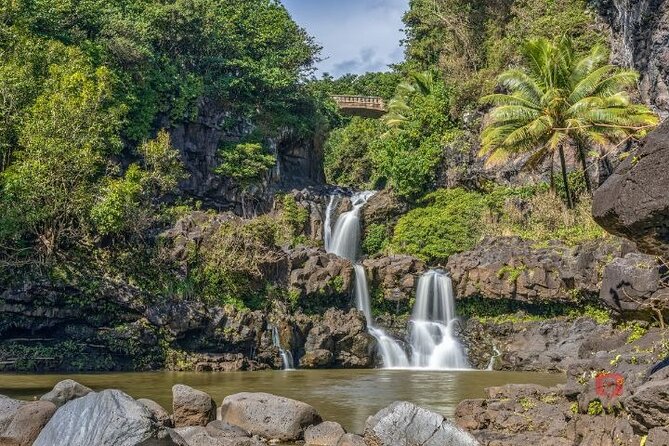
If Haleakala is the vertical drama, Kipahulu is the ocean connection. At Ohe’o Gulch (Kipahulu), you’re seeing the Haleakala National Park stretch down from over 10,000 feet to sea level.
The highlight here is the Oheo Pools, also called the Seven Sacred Pools. Conditions control access for swimming and wading, and the tour notes that openings and closings depend on current conditions—so you’ll want to check ahead once you arrive.
You also get shorter walks and ocean-shore views. And this is the trailhead area for the Pipiwai Trail, which means you can build your day around a hike—or around quick scenic breaks if you’re not feeling it.
Because this is within Haleakala National Park, expect to handle park entry:
- Pay entry or show your National Park pass.
Pipiwai Trail: The Road to Hana Hike That’s Worth a Real Block of Time
Pipiwai Trail is one of the most reliable “wow” hikes on the Hana side, and the audio sets expectations well. It’s described as a 4-mile loop, climbing about 650 feet, and marked as moderate. If it’s hot, it can feel tougher.
The tour gives you a payoff plan. Along the way you get views of Makihiku Falls, and if you push farther you reach Waimoku Falls, listed as the highlight and the furthest point.
Because the trail is inside the National Park, you should be ready for entry needs again. And because the tour suggests a timing rule, you can plan better:
- Plan on 2+ hours depending on fitness and conditions.
- Arrive by about 2pm if you want enough time to hike and still drive back the same day.
Footwear matters. The area can be wet and the trail can feel muddy.
Wai’anapanapa State Park: Black Sand Beach With Reservation Reality

Wai’anapanapa State Park is famous for Maui’s black sand beach and volcanic coastal scenery. The audio helps you move through the park’s highlights, including spots to look for a sea arch offshore and the blowhole.
This is also a place steeped in Hawaiian legend, and the narration ties the volcanic setting to the stories people associate with the area.
But there’s one big “make-or-break” detail: reservations are required for entry. The tour also lists the admission as not included, so you should assume there’s an extra layer of planning here compared with pull-in roadside viewpoints.
If you’re trying to do Wai’anapanapa on a busy trip day, reserve it early. That’s the difference between a smooth win and a bummer with a car full of sun hats.
Hana’s Best-Ever Quick Stops: Waterfalls, Lava Tubes, and Arboretums
The Road to Hana stretch gets heavy with stops, and this tour helps you sort the list by what you can realistically do.
Here are some of the standouts you’ll hear about:
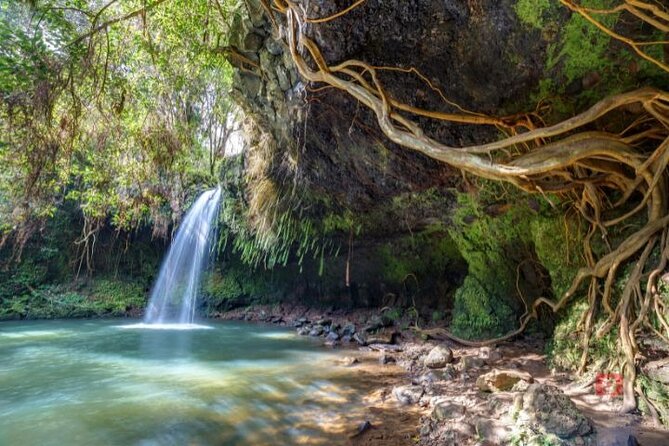
- Twin Falls: often one of the first places you’ll want to get out. The tour describes a trail around 1.5 miles with bamboo forest scenery. It’s frequently muddy, so go in prepared.
- Upper Waikani Falls (3 Bears Falls): an interesting interpretation. After heavy rain it flows as one thick cascade; with less water it becomes three separate falls.
- Hana Lava Tube: a short, accessible way into volcanic terrain. You can explore inside, but you don’t have to go all the way if you’re claustrophobic.
- Ke’anae Arboretum: an easy stop with tropical plants and the famous rainbow eucalyptus with colorful bark. It’s also a place to learn about traditional taro cultivation terraces along the Piinaau Stream.
This is exactly where an audio guide earns its keep. You get context fast, and you avoid spending time guessing which stop is worth your parking spot.
Whale Season Views and Beach Break Checks
A bunch of Maui’s beach time depends on season and ocean conditions, and the tour points you toward a few strategic lookouts.
On the drive between Ma’alaea and Lahaina, it calls out Papawai Scenic Lookout (Whale Lookout Point). During November to April, humpback whales are in the area. The tour explains that you can sometimes spot blowholes, fin slapping, and even breaching from viewpoints.
For coastal reality checks:
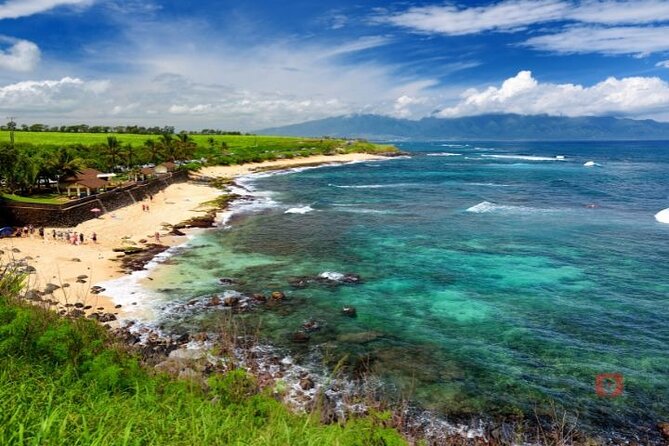
- Ho’okipa Beach is a major windsurfing spot and not recommended for swimming due to currents and winds. If you go, bring a chill attitude and watch world-class windsurfers.
- Hamoa Beach is great for a stretch and rest, but there are no lifeguards. When conditions are calm it’s family friendly—still, keep a close eye on kids.
- Kihei is on the more protected side and is described as having calm water most of the time, with sunsets and views out toward Molokini and Kaho’olawe.
Also, pay attention to shore break warnings where the tour flags them. For example, D.T. Fleming Beach Park can have waves that are fun for bodysurfing, but it warns about a strong shore break that can catch swimmers.
Beaches From Kihei to Makena: Turtle Watching and Sunset Time
South Maui is where you can slow down and turn “drive day” into “beach day.”
The tour highlights:
- Kamaole Beach Park I: a family-friendly beach with snorkelable areas, restrooms, showers, and lifeguards. It’s also a solid sunset plan, with locals and visitors watching the light show.
- Wailea Beach: a beachside walk plus snorkeling areas, with turtles often seen near rocky sections. There are showers and picnic spots, and the Shops at Wailea are a short detour.
- Makena’s Big Beach and Little Beach: Big Beach is popular with locals and has lifeguards. The tour notes shore break care. It also says Little Beach is clothing optional and mentions weekend drum circles and fire-dancing.
If you’re choosing beaches based on vibe, this tour helps you match the beach to your comfort level—calm swimming versus exposed conditions, casual viewing versus snorkel areas, and “bring sunscreen, find shade” planning.
Honolua Bay and La Perouse: Snorkeling Options With a Safety Frame
If snorkeling is your Maui priority, this tour gives you two very different approaches.
Honolua Bay is described as protected with exceptional snorkelling and diving, plus lots of fish and coral reef formations. The shoreline is rocky on parts of the bay, and the tour also notes nearby Mokule’ia Bay can offer good snorkelling when conditions are calm.
La Perouse Bay is more adventurous and more exposed. The coastline is rocky, so the tour suggests picking spots where other snorkelers enter and exit easily. It also notes La Perouse can be isolated and very exposed to sun, and that you can follow a Kings Trail through lava fields with good footwear.
So, if you want comfort and predictable access, start with Honolua. If you want an end-of-the-road adventure, La Perouse is your type of place—just don’t wing it.
Historic Maui Detours: Makawao, Iao Valley, and Lahaina on Your Schedule
Not every moment on Maui should be ocean and waterfalls. The tour also weaves in culture and history with stops that work well as breaks from driving.
Key stops include:
- Makawao: framed as one of the last paniolo (Hawaiian cowboy) towns in Hawaii, with galleries and eateries after a Haleakala visit.
- Kepaniwai Park & Heritage Gardens: a walk through cultural diversity in Maui and Hawaii via buildings and gardens.
- Iao Valley State Monument: the Iao Needle is the visual star, shaped by volcanic history, while tradewinds and the valley’s wet nature make afternoons commonly rainy. The audio notes rain often comes on as a downpour and can stop quickly.
Then there’s Lahaina, described as historically important and full of heritage buildings, sites, and waterfront walking. It’s a nice shift from “nature day” into “old Hawaii” time.
West Maui Blowhole Stop and Quick Photo Legends
On the drive around the top of West Maui, the tour points out Nakalele Blowhole. Visiting the blowhole requires a short walk down about 10 minutes through rocky terrain. The advice is clear: stay back from the hole and chamber, and never turn your back to the ocean and waves.
It’s one of those Maui moments where the power is visible, but you respect the hazards.
The tour also includes smaller coastal legend stops like Koki Beach, where an off-shore rock formation (Alau Island) connects with volcanic goddess and demigod stories.
These are good “bonus stops” because they don’t take long, but they add texture to the trip beyond the big headline sites.
Practical Tips: Make Sure the Audio Doesn’t Miss Your Best Moments
A few habits make this tour feel smooth:
- Start with a fully charged phone, and use a car charger. The audio runs on GPS.
- Download over Wi-Fi if possible, then keep your phone on standby power management (screen off sometimes saves battery).
- Use the in-app controls to pause and resume. If you stop for lunch and the audio misses your next approach, return to My Tours and select it again.
- For parks with rules, plan ahead. Wai’anapanapa needs reservations, and Haleakala sunrise needs reservations.
One more note: the tour says it’s a private tour/activity for your group only. So your car stays your bubble, no herd, no waiting for strangers.
Also, if you care about real-time safety, the tour info references a tsunami warning being issued due to a Pacific earthquake. Always check official local updates if you’re traveling during unusual seismic activity.
Who This Tour Fits Best
This experience fits best if you want:
- Independence with structure. You’ll still get guidance, but you control pace.
- Value. The group pricing is built for families and friends.
- Flexibility. No time limit once booked, so you can split days or start wherever your schedule makes sense.
- Learning without overload. The audio gives history and practical tips as you drive.
It might be less ideal if you want someone to handle reservations for you. This guide helps with awareness, but you still own the booking and entry requirements for the timed and fee-based sites.
Should You Book This Maui Audio Driving Tour?
Book it if you’re planning a Maui road-heavy trip and you want a smart “second brain” in the car. The GPS timing, offline reliability, and group value make it a standout way to see Haleakala, Kipahulu, and the Road to Hana without blowing your budget.
Skip it only if your trip hinges on fully planned logistics where you’d rather have an in-person operator managing every entry rule. For most people, a small amount of upfront planning beats paying for a guided schedule you can’t change.
FAQ
Is the Maui audio tour priced per person?
It’s $29.99 per group (up to 8), so one purchase covers everyone in your vehicle.
Do I need cell service to use the tour?
No. After you download the tour in the GuideAlong app, it works offline, so you don’t need internet or cell service while driving.
Are National Park tickets included in the tour price?
No. The tour indicates National Park passes are not included, and places like Ohe’o Gulch and Pipiwai Trail require entry (either via a pass or payment on arrival).
Do I need reservations for Haleakala at sunrise?
Yes. The tour states that reservations are required to visit at sunrise. You can still visit at other times without a reservation, but you may need to pay the park entrance fee if you don’t already have a pass.
Is Wai’anapanapa State Park included and reservation-required?
Wai’anapanapa State Park is not included in the tour price and reservations are required for entry, so you’ll need to plan that ahead.
What if plans change and I need a refund?
You can cancel for a full refund if you cancel at least 24 hours in advance of the experience’s start time. If you cancel less than 24 hours before, the amount paid will not be refunded.