REVIEW · HONOLULU
Whale Watching Cruise in Waikiki Oahu – SEE THE HUMPBACKS!
Book on GetYourGuide →Operated by Iruka Hawaii Dolphin · Bookable on GetYourGuide
Humpbacks are making the long trip home. This 2.5-hour cruise from Waikiki is built around the most dramatic kind of wildlife watching: humpback whales returning from Alaska to calve in Hawaiian waters, while you glide past the Waikiki skyline in clear, open ocean.
I especially like the mix of big-nature excitement and practical comfort. You get a live guide on board (Japanese and English), plus the small extras like water and hot cocoa or tea. One real consideration: whales are wild, so sightings and behavior (like breaching) can’t be guaranteed on any specific day.
In This Review
- Key Highlights I’d Prioritize
- Meeting at Kewalo Basin and Getting on Island Princess
- Waikiki Coast Views: What You’ll See While You Wait for Whales
- Humpback Whale Basics That Help You Spot Faster
- The On-Board Crew That Improves Your Odds
- What the Cruise Includes (and What It Doesn’t)
- Itineraries That Make Sense: The Waikiki Whale-Watching Block
- Morning vs Sunset: How to Pick the Right Mood
- Packing for Comfort: What to Bring on a 2.5-Hour Ocean Session
- Price and Value: Is $80 Worth It
- Who This Cruise Is Perfect For
- The One Big Reality Check: Whale Sightings Can Vary
- Should You Book This Whale Watching Cruise?
- FAQ
- How long is the whale watching cruise?
- How much does it cost?
- Where do I check in?
- What’s included on board?
- Are meals included?
- Can I bring my own food and drinks?
- What languages is the guide available in?
- What should I bring?
- Is there a seasickness recommendation?
- Can I cancel for a full refund?
Key Highlights I’d Prioritize
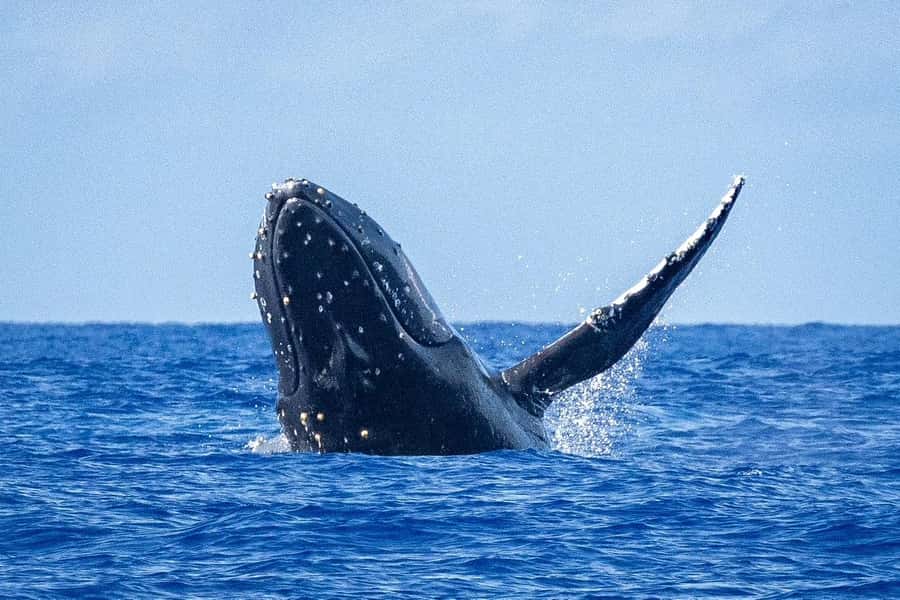
- Humpback whale focus during their migration back to Hawaii
- Waikiki views from the water with big skyline scenery and clear water
- Live onboard guide in Japanese and English, so you know what you’re seeing
- BYO food and drinks with alcohol allowed (no glass bottles)
- Small snack + water + hot cocoa or tea included, so you’re not hungry
- Crew leadership that improves spotting odds, including captain Ryan and cabin crew Wylie
Meeting at Kewalo Basin and Getting on Island Princess
Your day starts at Kewalo Basin Harbor, check-in slip F-16 at the blue Iruka Hawaii Dolphin kiosk. The boat is named Island Princess, and the kiosk is easy to spot: it sits between the 955-fish sign and Waikiki Marine Sports, across from the Dive O’ahu bathrooms.
This matters because whale watching is time-sensitive. You don’t want to waste 20 minutes searching for the right slip while everyone else is already boarding. Plan to arrive early enough that you can check in calmly, grab water, and get settled.
Once on board, you’ll see the vibe right away: this isn’t a mega-ship with hundreds of people and zero interaction. It’s set up for wildlife viewing and listening—because on whale cruises, spotting often depends on paying attention, not just staring.
You can also read our reviews of more boat tours in Honolulu



Waikiki Coast Views: What You’ll See While You Wait for Whales
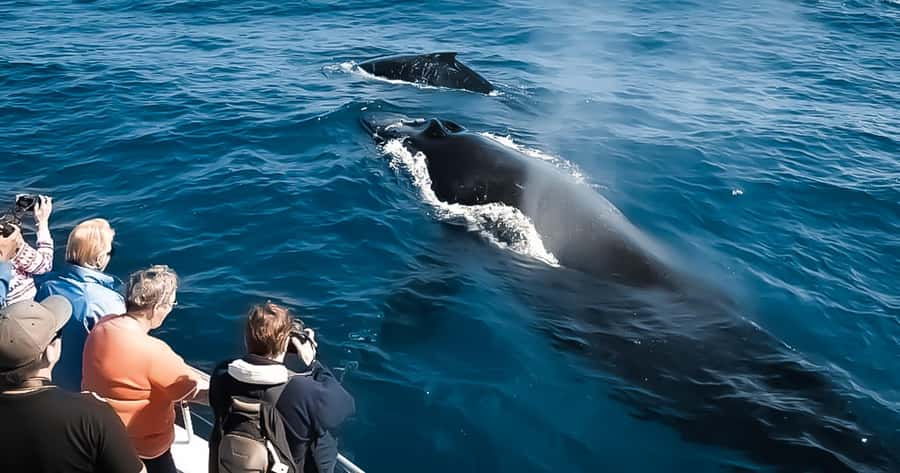
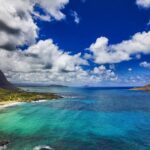
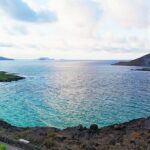
Even if you’ve seen Waikiki from shore, watching the coast from open water feels different. You get classic ocean transparency, plus those Waikiki high-rises framed by horizon and sea. It’s a good reminder that Hawaii’s beauty isn’t only beaches and sunsets—it’s also the stretch of ocean that whales travel through.
This is also why the timing choice matters. Morning and sunset cruises can change the lighting and the mood even when the itinerary is similar. If you’re there for photos, sunset often gives you warmer color and more dramatic skyline shadows. If you want a more straightforward wildlife rhythm, morning can feel calmer.
The cruise is 150 minutes (about 2.5 hours) total, so you’re not stuck out there all day. You’ll have enough time to get a proper look, without turning it into a half-day slog.
Humpback Whale Basics That Help You Spot Faster
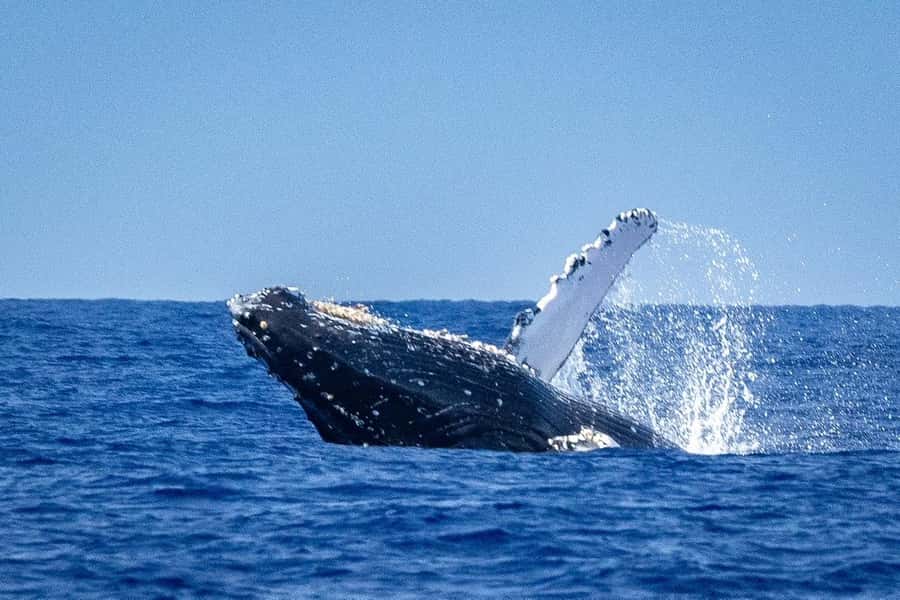
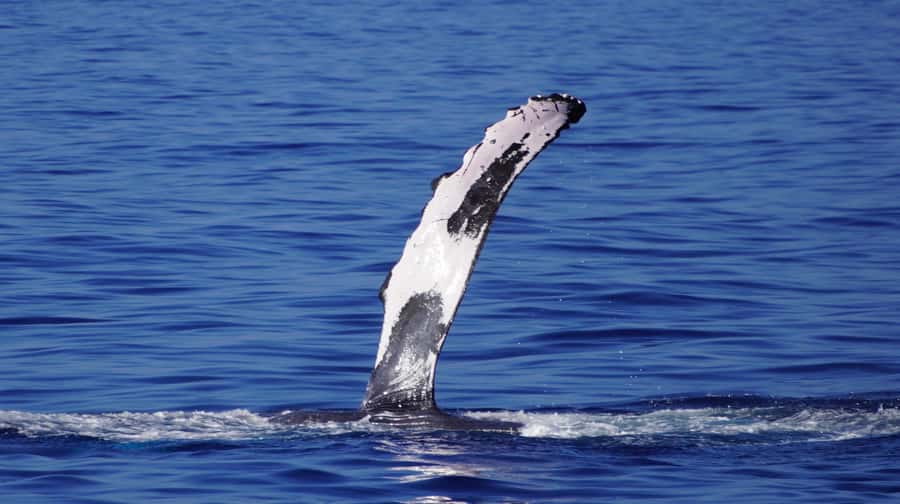
When humpbacks return to Hawaii, it’s not random. They migrate thousands of miles from Alaska, where they feed during the warmer months, then come to the Hawaiian waters to give birth in a safer, nurturing environment.
Here’s what that means for your cruise experience:
- You’re watching for whales in the context of a migration corridor, not just a random chance encounter.
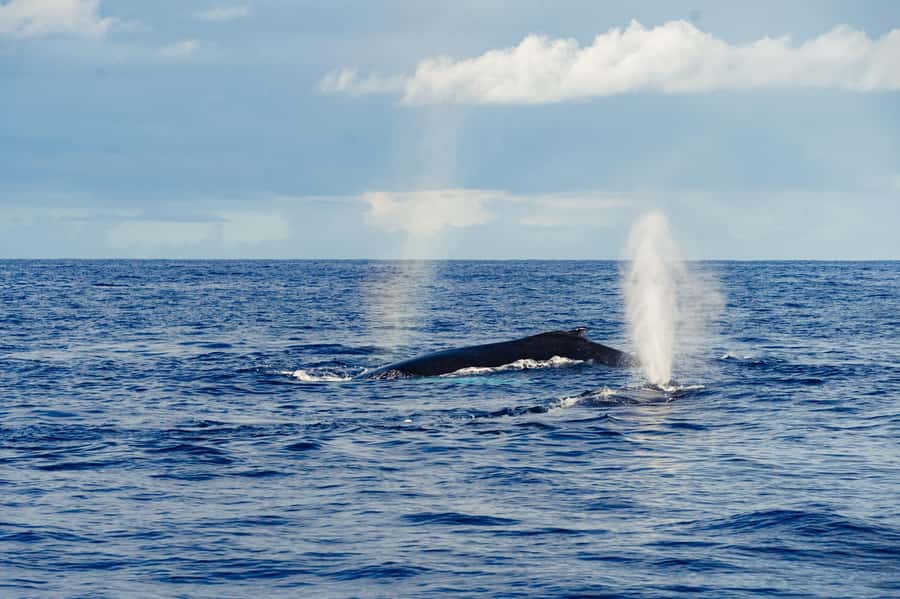
- You’ll likely see a range of behavior—some moments are active (movement and surface time), and some are quiet (long stretches of scanning).
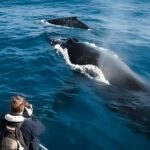
A big practical point: whale watching is often about noticing patterns. If the guide calls something out and you look where they point, you’ll learn more in those seconds than you would trying to spot from pure luck. That’s one reason the live commentary (Japanese and English) is valuable—you’re matching your eyes to real-time information.
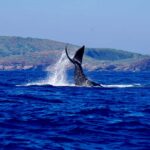
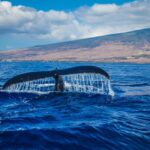
And yes, you may see playful moments like whales frolicking or breaching. But keep your expectations flexible. Breaches can happen, but they’re not guaranteed on any given trip.
The On-Board Crew That Improves Your Odds
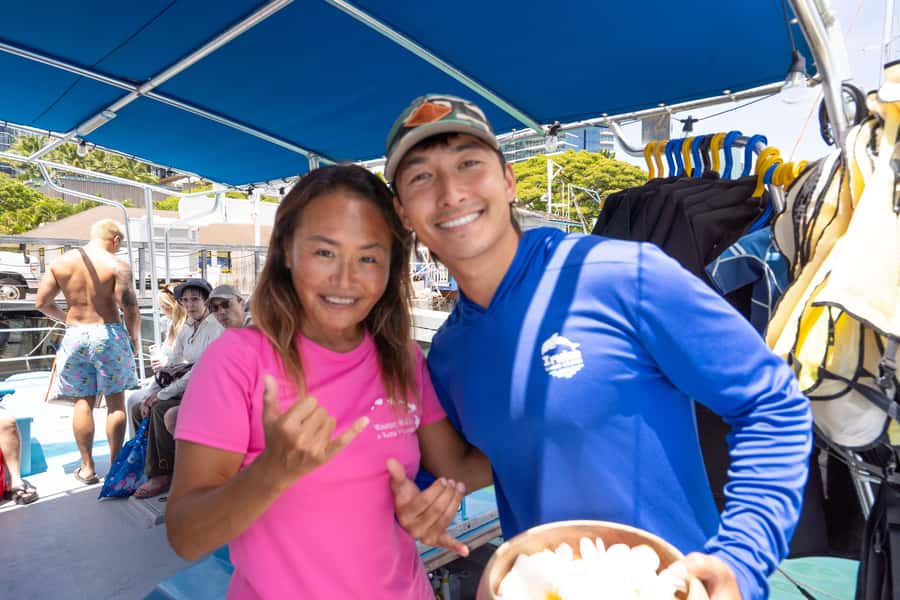
Whale spotting can feel mysterious until you realize it’s mostly effort plus information. The operator you choose can affect how effectively they locate whales once the day starts.
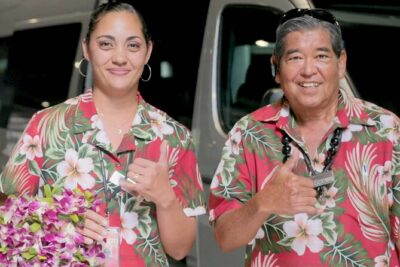
I like that this cruise leans on the crew’s whale-finding skills. One standout detail from the experience is the praise for captain Ryan and cabin crew Wylie as whale experts who find the right spot—so much so that other boats were reported to follow their lead. That kind of leadership matters because it’s usually a mix of scanning skill, local know-how, and making smart moves when conditions shift.
Also, friendliness counts. You’re on a boat in open water with people who came for nature. A warm, helpful crew helps everyone stay focused and patient when sightings are slow.
What the Cruise Includes (and What It Doesn’t)
Let’s talk food, because it affects your comfort for 2.5 hours.
Included:
- a small snack
- water
- hot cocoa or tea
- live tour guide commentary (Japanese and English)
Not included:
- meals
Now the good part: you can bring your own food and beverages, and that makes this cruise feel more “you” instead of expensive. It also means you can pick snacks you actually want—something simple like sandwiches, fruit, or whatever won’t melt in the sun.
Alcohol:
- Alcohol is allowed, but glass bottles are not permitted.
- Glass objects are also not allowed on board.
- Alcoholic drinks are not allowed in the vehicle.
Practical move: if you plan to drink, bring it in non-glass containers you can seal easily. Skip bottles and stick to cans or other permitted options so you don’t get stuck at the check-in stage.
You can also read our reviews of more whale watching tours in Honolulu
Itineraries That Make Sense: The Waikiki Whale-Watching Block
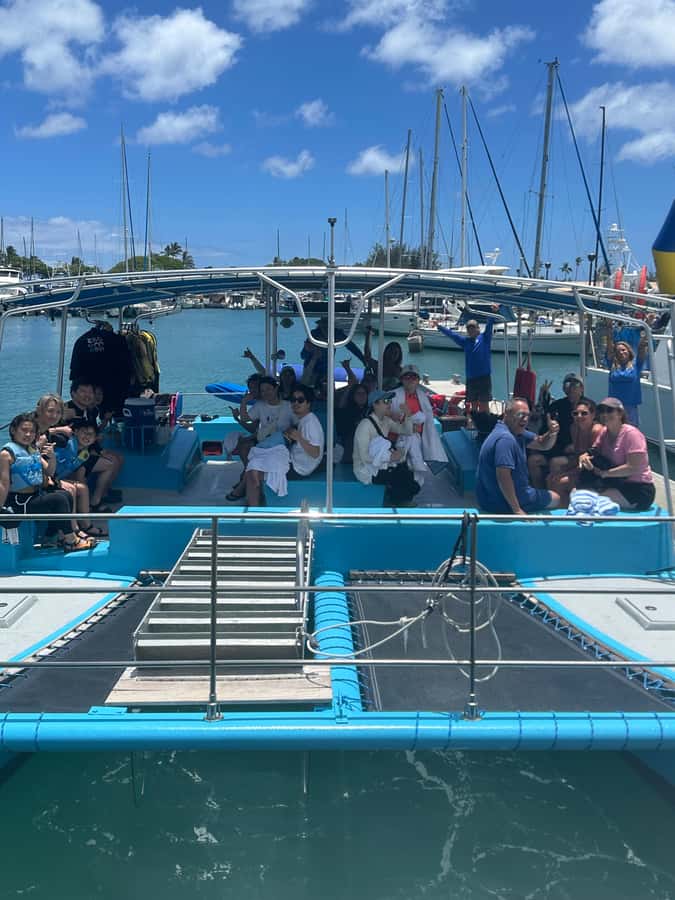
Your day is built around a single core activity: the Waikiki whale watching window of about 2.5 hours. You start at the Iruka Hawaii Dolphin Snorkeling Tours location, head out from the harbor, then return to the same spot after your viewing time.
Why this structure works:
- You’re not bouncing between multiple stops.
- You get a focused time block to watch, listen, and learn.
- You can plan your day around a short cruise rather than tying up half of Waikiki.
The only downside to a simple itinerary is that it puts extra pressure on the main viewing period. If whales are farther out that day or surface behavior is quiet, you won’t have a second “scene” later to refresh the experience. That’s not a flaw in the operator’s design—it’s just how whale season works.
Morning vs Sunset: How to Pick the Right Mood
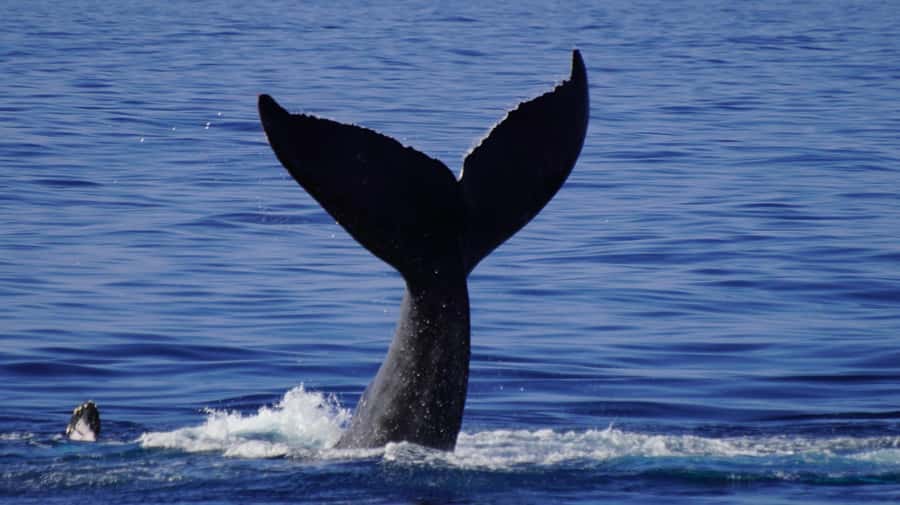
You’ll usually see two common options: morning or sunset cruises. Both are aimed at spotting humpback whales, but the vibe changes.
If you like clear, high-visibility viewing and a straightforward start, the morning trip can feel like a clean, focused outing. If you want dramatic lighting and a more scenic skyline experience, sunset can add photo punch while you wait for whale surfaces.
Either way, bring the mindset that you’re there for wildlife, not guaranteed spectacle. Some days are active. Some days are subtle. Your best strategy is to stay present—follow the guide’s directions and scan the areas they focus on.
Packing for Comfort: What to Bring on a 2.5-Hour Ocean Session
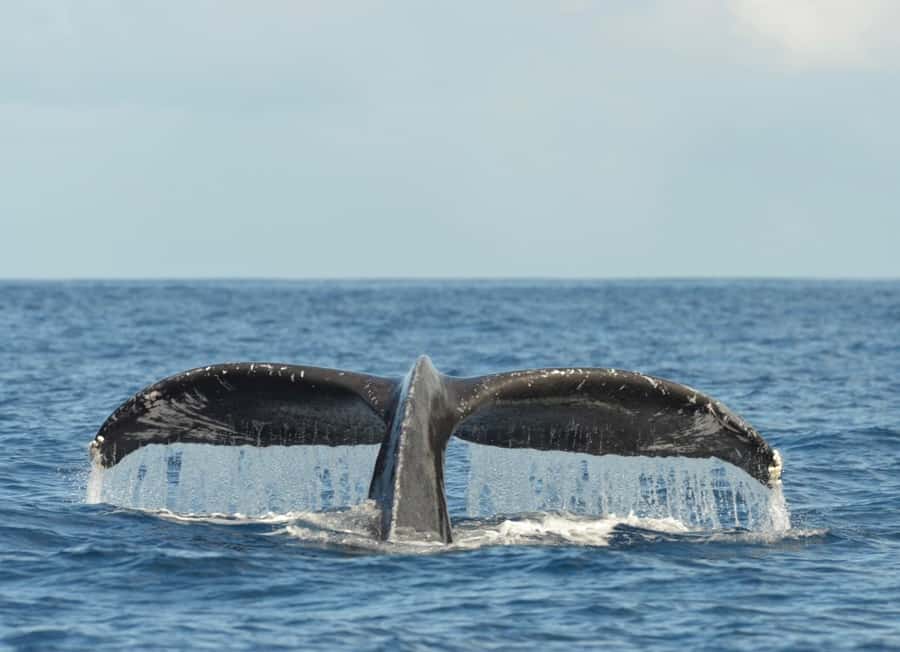
You’ll be out on the water for 150 minutes, so small comfort items help a lot. Based on what the cruise asks you to bring, I’d treat this as a mini day at sea, not a quick harbor hop.
Bring:
- hat
- camera
- food and drinks
- sunscreen
- jacket
The jacket part is important. Even when Waikiki feels hot, open water can bring breeze and temperature swings. A light layer can turn a “fine” cruise into a genuinely comfortable one.
Seasickness tip:
- seasickness medication is advised 1 hour before tour time.
If you’ve had motion issues before, don’t wait until you’re already on the boat. Take the medication on your schedule.
Price and Value: Is $80 Worth It
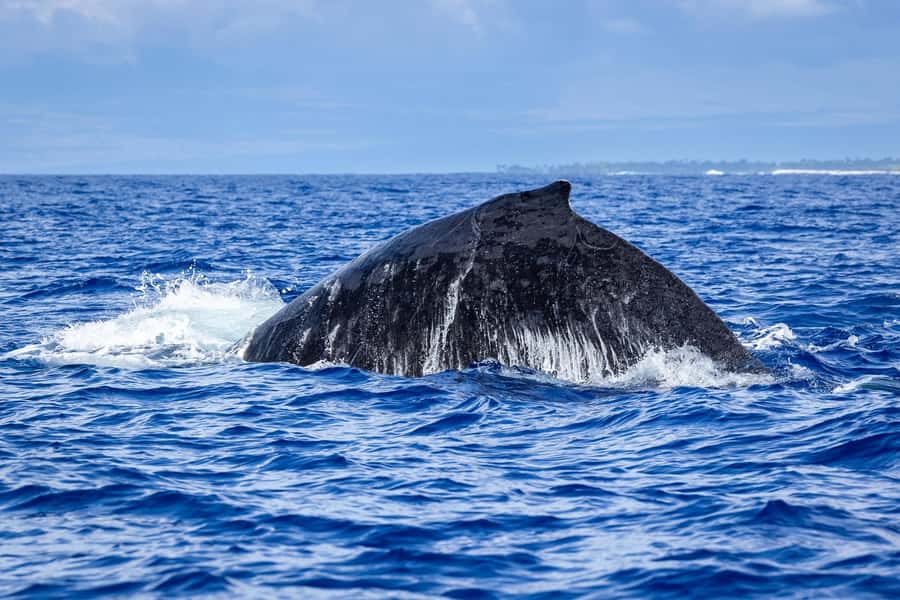
At $80 per person for about 2.5 hours, the value comes down to two things: how well you’ll actually enjoy the experience, and how much you care about spotting humpbacks during this migration season.
Here’s how I’d judge it:
- You’re paying for a guided boat experience with live commentary (Japanese and English), plus included water and hot cocoa/tea.
- You also get the chance to see humpbacks in a place they return to for calving, which is a rare kind of wildlife travel moment.
- Because whales can be unpredictable, value is partly about the operator’s ability to locate whales efficiently. That’s where the strong praise for captain Ryan and Wylie matters.
If you go into the trip expecting the ocean to do its own thing, $80 can feel fair for a memorable Waikiki experience. If you go expecting certain breaching every time, you’ll be more likely to leave disappointed.
Who This Cruise Is Perfect For
This cruise fits best when you want:
- a short, focused whale-watching outing near Waikiki
- a chance to learn as you watch, with live guide commentary
- BYO snack-and-drink flexibility (alcohol allowed, no glass bottles)
- a setup that stays social and manageable instead of huge and chaotic
It’s also a good fit for couples and first-timers in Hawaii who want a wildlife experience without driving far across the island.
If you’re a hardcore whale-tracker who measures success only by very specific behaviors (for example, frequent breaching), keep your expectations flexible. Whale days can vary, even in peak season.
The One Big Reality Check: Whale Sightings Can Vary
This is the part people skip in their heads but shouldn’t skip in their plans.
Even in peak season, humpbacks might surface farther out or choose quieter behavior on a particular day. On one experience, someone felt the boat didn’t venture far enough and was frustrated by the lack of whales and any breaching. That’s a hard reminder that no whale cruise can promise a certain number of sightings or specific action.
My advice: treat this as a nature encounter, not a guaranteed show. Your best shot at a rewarding trip is choosing an operator that takes spotting seriously and then going in ready to adapt.
Should You Book This Whale Watching Cruise?
I’d book it if you want a well-timed Waikiki whale cruise that combines live guidance, included drinks like hot cocoa or tea, and the convenience of a short outing from Kewalo Basin. The strong praise for captain Ryan and cabin crew Wylie as whale experts—and the sense that other boats were following their lead—also makes this feel like a solid bet.
Skip the trip or soften your expectations if your plan depends entirely on guaranteed breaching or constant sightings. Whales are wild. Some days are louder; some days require patience and good scanning.
If you want, I can also suggest a simple day plan in Waikiki around the cruise timing (morning vs sunset) so you’re not rushing between activities.
FAQ
How long is the whale watching cruise?
The cruise lasts 150 minutes, or about 2.5 hours.
How much does it cost?
It costs $80 per person.
Where do I check in?
Check in at Kewalo Basin Harbor slip F-16 at the blue Iruka Hawaii Dolphin kiosk. The boat is Island Princess.
What’s included on board?
You get a small snack, water, and hot cocoa or tea, plus a live tour guide.
Are meals included?
No. Meals are not included.
Can I bring my own food and drinks?
Yes. You can bring your own food and beverages. Alcohol is allowed, but glass bottles are not permitted.
What languages is the guide available in?
The live tour guide is available in Japanese and English.
What should I bring?
Bring a hat, camera, food, drinks, sunscreen, and a jacket.
Is there a seasickness recommendation?
Yes. Seasickness medication is advised 1 hour before tour time.
Can I cancel for a full refund?
Yes. You can cancel up to 24 hours in advance for a full refund.